

Description
Phenyl Isocyanate: A Versatile Building Block with Significant Considerations
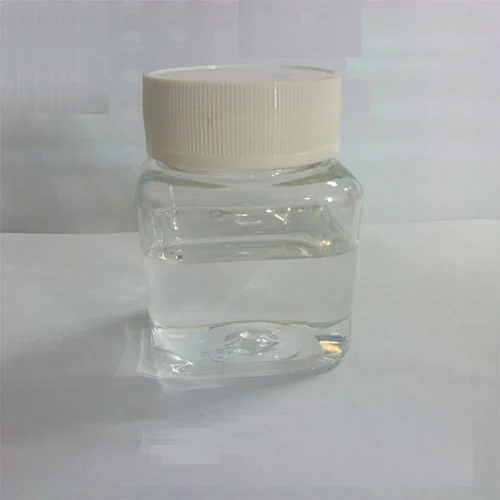
Phenyl isocyanate (C6H5NCO), a colorless to yellowish liquid with a pungent odor, is a highly reactive organic compound belonging to the isocyanate family. Its reactivity stems from the highly polarized nitrogen-carbon double bond within the isocyanate functional group (-N=C=O). This reactivity makes phenyl isocyanate a valuable building block in various chemical syntheses, but also necessitates careful handling due to its hazardous properties.
Applications in Chemistry and Industry:
Phenyl isocyanate’s versatility derives from its ability to readily react with compounds containing active hydrogen atoms, such as alcohols, amines, and water. This reactivity is leveraged in a wide range of applications:
- Polyurethane Synthesis: The most prominent application is in the production of polyurethanes. Phenyl isocyanate, often reacted in conjunction with polyols, forms the foundational building blocks of these ubiquitous polymers. Polyurethanes are found in foams, coatings, adhesives, elastomers, and sealants, demonstrating the far-reaching impact of phenyl isocyanate.
- Synthesis of Herbicides and Pesticides: The isocyanate group can be incorporated into complex molecules to create herbicides and pesticides. These compounds often target specific enzymes or metabolic pathways within pests or unwanted vegetation.
- Pharmaceuticals: Phenyl isocyanate serves as an intermediate in the synthesis of various pharmaceuticals and drug candidates. Its ability to form amide and urea linkages is particularly useful in constructing complex molecular architectures required for drug activity.
- Organic Synthesis: Phenyl isocyanate is a valuable reagent in organic synthesis for the introduction of the isocyanate group and the formation of various heterocyclic compounds. It can participate in a variety of reactions, including cycloadditions, nucleophilic additions, and rearrangements.
Safety Considerations and Handling:
Despite its usefulness, phenyl isocyanate presents significant hazards and requires stringent safety precautions during handling and storage.
- Toxicity: Phenyl isocyanate is toxic by inhalation, ingestion, and skin absorption. Exposure can cause severe irritation of the eyes, skin, and respiratory tract. Prolonged or repeated exposure may lead to sensitization and asthma-like symptoms.
- Reactivity with Water: Phenyl isocyanate reacts violently with water, releasing carbon dioxide and forming phenylurea. This reaction can generate heat and pressure, potentially leading to explosions.
- Flammability: Phenyl isocyanate is flammable and can form explosive mixtures with air.
Safe Handling Practices:
Due to the hazards associated with phenyl isocyanate, the following safety precautions are crucial:
- Personal Protective Equipment (PPE): Wear appropriate PPE, including gloves, safety goggles, a face shield, and a respirator, to protect against inhalation, skin contact, and eye contact.
- Ventilation: Work in a well-ventilated area or under a fume hood to minimize inhalation of vapors.
- Storage: Store phenyl isocyanate in a tightly sealed container in a cool, dry, and well-ventilated area away from incompatible materials, such as water, alcohols, and amines.
- Emergency Procedures: Have appropriate emergency procedures in place, including spill cleanup protocols and first aid measures for exposure. In case of exposure, seek immediate medical attention.
Conclusion:
Phenyl isocyanate is a powerful and versatile chemical building block with a wide range of applications in various industries. However, its inherent hazardous properties necessitate strict adherence to safety protocols and responsible handling practices. By understanding the reactivity and potential risks associated with phenyl isocyanate, chemists and engineers can safely harness its capabilities while protecting themselves and the environment. As research continues to explore new applications for this compound, a focus on developing safer handling methods and exploring alternative, less hazardous isocyanates remains paramount.



Reviews
There are no reviews yet.