
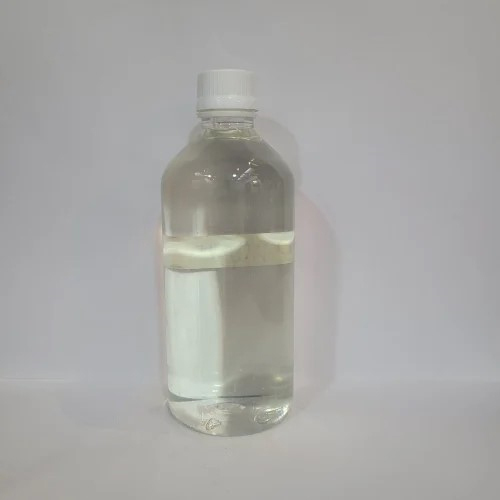
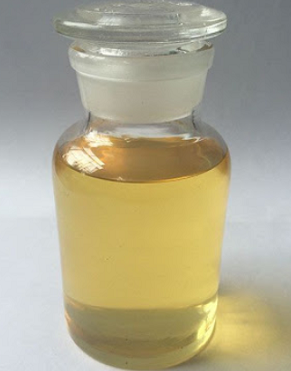
Description
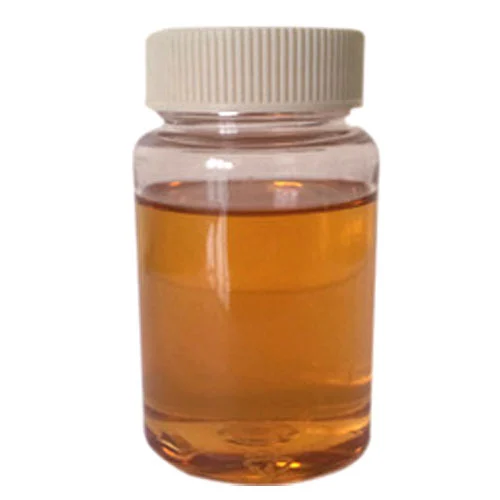
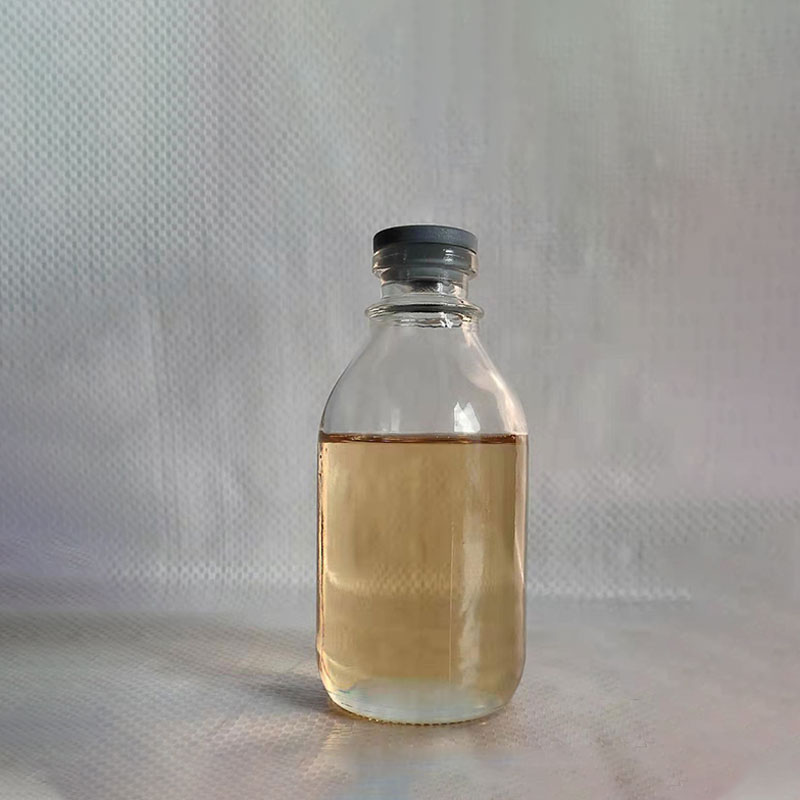
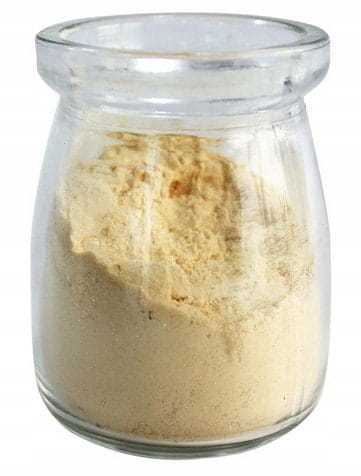
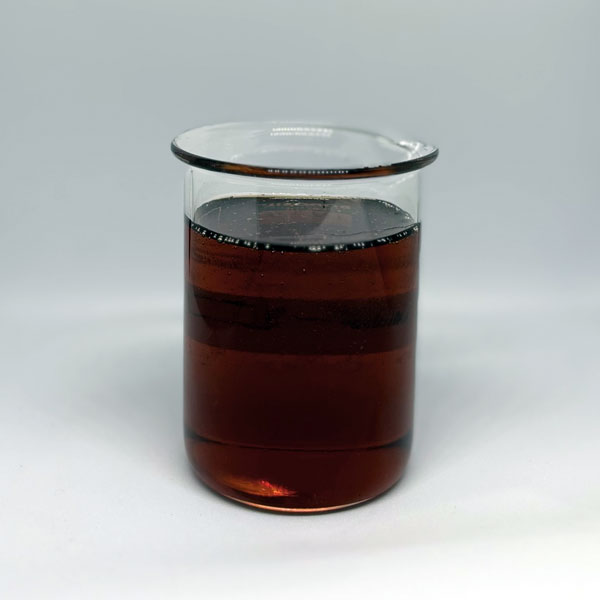
Phenol formaldehyde resin, commonly referred to as PF resin, is a synthetic polymer created by the reaction between phenol and formaldehyde. It was first synthesized in the late 19th century and has since become an essential component in various industries due to its unique properties and versatility. In this article, we will explore the properties, applications, and benefits of phenol formaldehyde resin.
Properties of Phenol Formaldehyde Resin
- Thermosetting: PF resin is a thermosetting polymer, meaning that it undergoes a chemical reaction upon heating, resulting in a permanent, irreversible change in its molecular structure. This transformation creates a rigid, cross-linked network of molecules that cannot be melted or reshaped.
- High heat resistance: PF resin has excellent heat resistance, with a glass transition temperature (Tg) typically ranging from 80 to 120°C (176 to 248°F). This makes it suitable for applications that require exposure to high temperatures.
- Chemical resistance: Phenol formaldehyde resin exhibits good resistance to a wide range of chemicals, including acids, alkalis, and solvents. This property makes it an ideal choice for applications where chemical exposure is a concern.
- Water resistance: PF resin has low water absorption, making it suitable for applications that require water resistance.
- Electrical insulation: Phenol formaldehyde resin possesses excellent electrical insulation properties, which make it an ideal choice for use in electrical applications.
- Adhesive properties: PF resin is an excellent adhesive, capable of bonding various materials, including wood, metal, and glass.
Applications of Phenol Formaldehyde Resin
- Wood products: PF resin is widely used in the production of wood-based products, such as plywood, particleboard, and medium-density fiberboard (MDF). It acts as a binder, holding wood particles or fibers together to create a strong, durable composite material.
- Laminate flooring: PF resin is used as an adhesive in the production of laminate flooring, bonding the decorative layer to the core board.
- Electrical applications: Due to its excellent electrical insulation properties, PF resin is used in the production of electrical insulators, transformers, and capacitors.
- Automotive industry: PF resin is used in the production of automotive parts, such as brake pads, gaskets, and seals, due to its high heat resistance and chemical resistance.
- Industrial coatings: Phenol formaldehyde resin is used as a component in various industrial coatings, including coatings for metal, concrete, and wood.
- Adhesives and sealants: PF resin is used in the production of adhesives and sealants for various applications, including construction, automotive, and aerospace industries.
Benefits of Phenol Formaldehyde Resin
- Cost-effective: PF resin is relatively inexpensive compared to other synthetic polymers, making it an attractive option for various applications.
- Versatility: Phenol formaldehyde resin can be tailored to meet specific requirements by adjusting the ratio of phenol to formaldehyde, curing conditions, and the addition of various additives.
- Environmental impact: PF resin is considered a more environmentally friendly alternative to some other synthetic polymers, as it is derived from renewable resources (phenol) and does not require the use of petroleum-based feedstocks.
- Durability: Phenol formaldehyde resin-based products are known for their durability and long service life, reducing the need for frequent replacements and maintenance.
Conclusion
Phenol formaldehyde resin is a versatile, cost-effective, and environmentally friendly synthetic polymer with a wide range of applications. Its unique properties, such as high heat resistance, chemical resistance, and excellent adhesive properties, make it an ideal choice for various industries, including wood products, automotive, electrical, and coatings. As the demand for sustainable and durable materials continues to grow, phenol formaldehyde resin is likely to remain an essential component in the development of innovative products and solutions.


Reviews
There are no reviews yet.