


Description
Toluene Diisocyanate (TDI): The Versatile Chemical with a Critical Safety Profile
Toluene Diisocyanate, more commonly known as TDI, is a highly reactive organic chemical compound that plays a pivotal role in the production of polyurethanes. While it is an indispensable building block for a vast array of modern products, its potent chemical nature necessitates strict handling and safety protocols due to significant health concerns.
What is TDI?
TDI is a member of the diisocyanate family, characterized by two isocyanate groups (-N=C=O) attached to a toluene molecule. There are two primary isomers used commercially: 2,4-TDI and 2,6-TDI, typically sold as a mixture (e.g., 80/20 or 65/35 blends of 2,4-TDI and 2,6-TDI respectively).
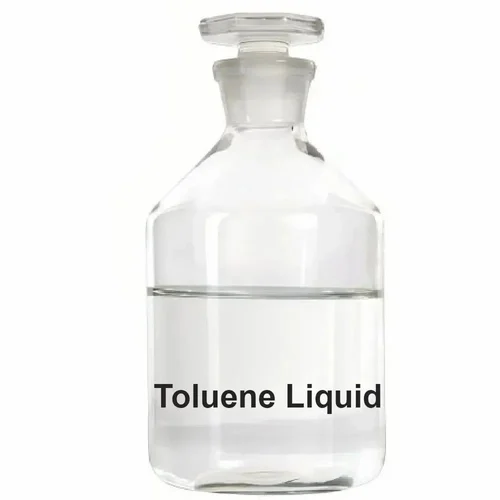
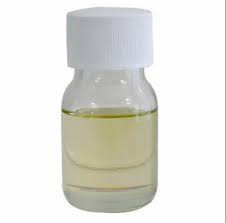
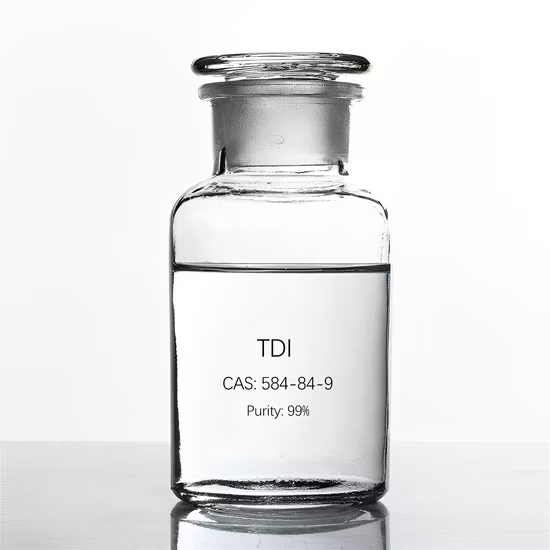
At room temperature, TDI is a clear to pale yellow liquid with a sharp, pungent odor. Its key chemical property is its high reactivity with compounds containing hydroxyl groups (like polyols) to form urethane linkages, which are the basis of polyurethane chemistry.
Applications: The Ubiquitous Polymer
The primary use of TDI, accounting for the vast majority of its global production, is in the manufacture of flexible polyurethane foams. These foams are integral to numerous everyday products:
- Furniture and Bedding: Cushioning for sofas, chairs, mattresses, and pillows.
- Automotive Industry: Seating, headrests, armrests, and other interior components.
- Carpet Underlay: Providing comfort and insulation.
- Packaging: Protective packaging for delicate items.
Beyond flexible foams, TDI is also used, though to a lesser extent, in the production of:
- Coatings: Paints and varnishes with good durability and flexibility.
- Adhesives and Sealants: Providing strong, flexible bonds in construction and manufacturing.
- Elastomers: Tough, elastic materials for various industrial applications.
In essence, TDI is a silent workhorse behind much of the comfort and convenience we experience daily.
Health and Safety Concerns: The Double-Edged Sword
Despite its utility, TDI is classified as a hazardous substance with significant health implications, primarily affecting the respiratory system.
- Respiratory Sensitization: This is the most critical concern. Exposure to TDI, even at very low concentrations, can lead to sensitization. Once sensitized, individuals can experience severe asthma-like symptoms (coughing, wheezing, shortness of breath, chest tightness) upon subsequent, even minimal, exposures. This condition is often referred to as “TDI-induced asthma” or “isocyanate-induced asthma.” Sensitization can be permanent, meaning the individual must avoid all future exposure.
- Irritation: TDI is a strong irritant to the eyes, skin, and respiratory tract. Acute exposure can cause burning sensations, redness, tearing, and skin rashes.
- Acute Exposure: High concentrations of TDI vapor can cause chemical bronchitis, pulmonary edema (fluid in the lungs), and severe respiratory distress, potentially leading to death in extreme cases.
- Chronic Exposure: Long-term exposure, even at low levels, can lead to chronic respiratory problems, including reduced lung function, in addition to the risk of sensitization.
- Potential Carcinogen: While not definitively classified as a human carcinogen by all major bodies, some studies have indicated a potential for carcinogenicity in animals, leading to ongoing evaluation and a cautious approach.
The volatile nature of TDI means that inhalation of its vapors is the primary route of exposure, particularly in manufacturing environments where it is handled.
Handling and Regulatory Measures
Given its inherent hazards, the handling, storage, and transportation of TDI are subject to stringent regulations and best practices worldwide.
- Engineering Controls: Enclosed systems, local exhaust ventilation, and controlled environments are crucial to minimize airborne concentrations.
- Personal Protective Equipment (PPE): Workers handling TDI must wear appropriate PPE, including respirators (air-purifying or supplied-air, depending on exposure levels), chemical-resistant gloves, eye protection, and protective clothing.
- Training and Education: Comprehensive training for workers on TDI hazards, safe handling procedures, emergency response, and the importance of medical surveillance is mandatory.
- Medical Surveillance: Regular medical examinations, including lung function tests, are essential for workers potentially exposed to TDI to detect early signs of sensitization or respiratory issues.
- Exposure Limits: Regulatory bodies like OSHA (Occupational Safety and Health Administration) in the U.S. and REACH (Registration, Evaluation, Authorisation and Restriction of Chemicals) in the E.U. set strict permissible exposure limits (PELs) for TDI in the workplace.
- Emergency Preparedness: Protocols for spills, leaks, and accidental releases are critical, including rapid containment, ventilation, and decontamination.
Conclusion
Toluene Diisocyanate (TDI) stands as a testament to the dual nature of industrial chemicals: immensely valuable for its contributions to modern materials, yet requiring an unwavering commitment to safety due to its inherent hazards. Its role in flexible polyurethane foams makes it an indispensable component of countless products that enhance our daily comfort and convenience. However, the potent risk of respiratory sensitization, particularly occupational asthma, underscores the paramount importance of robust engineering controls, stringent safety protocols, comprehensive worker training, and continuous medical monitoring to ensure its safe and responsible use in the global chemical industry. As technology advances, research continues into safer alternatives and improved handling techniques, aiming to mitigate the risks associated with this vital chemical.



Reviews
There are no reviews yet.