
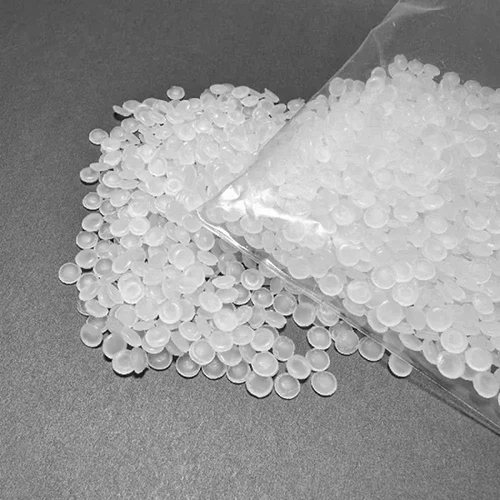
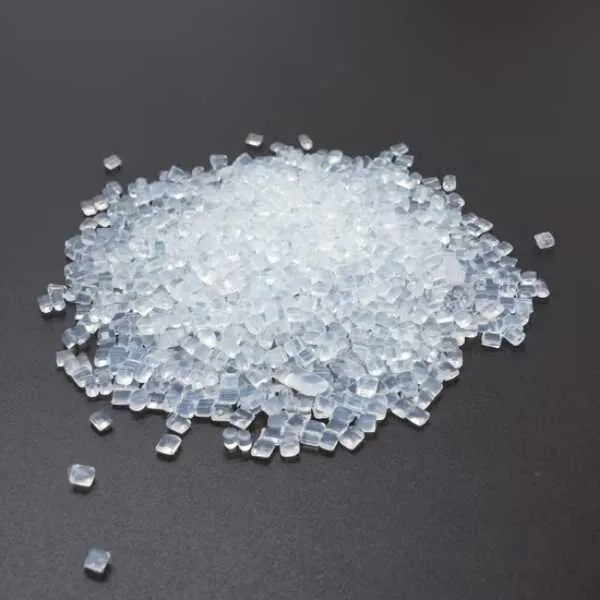
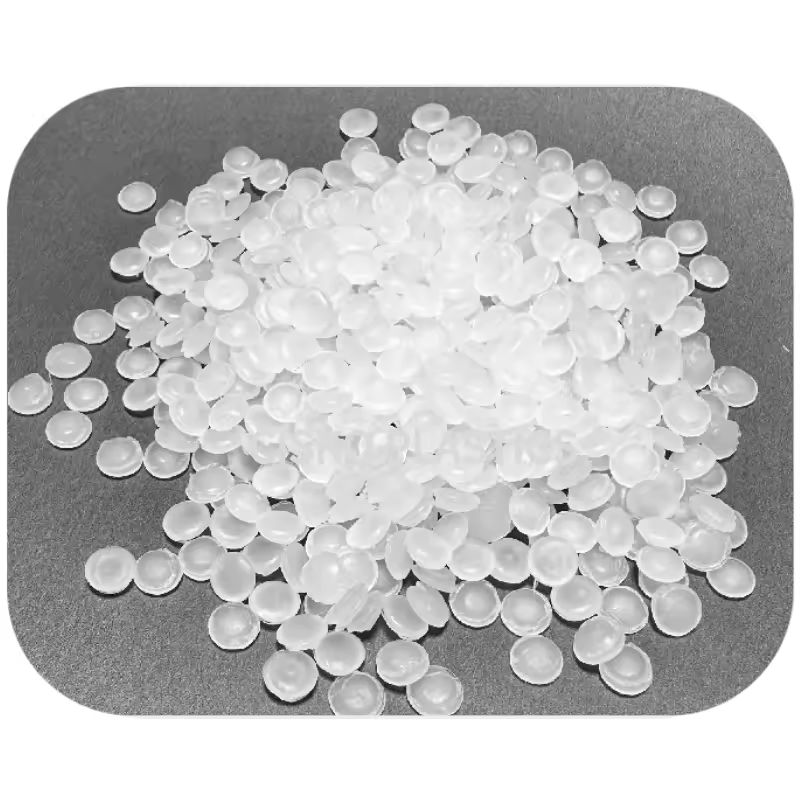
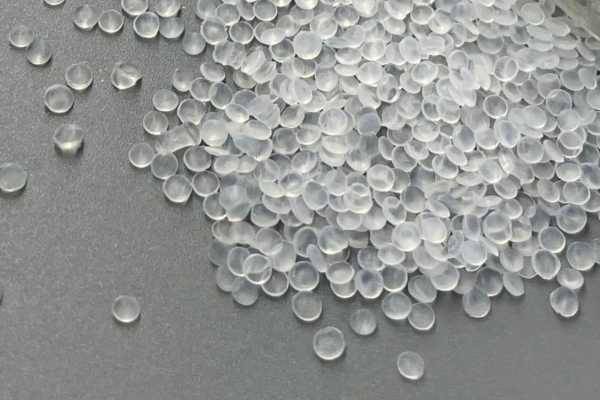
Description
1. What Is PFA, Exactly?
PFA is a fluoropolymer—a polymer whose backbone is saturated with fluorine atoms. Chemically it can be viewed as a copolymer of tetrafluoroethylene (TFE) and perfluoro‑alkyl vinyl ether (commonly perfluoromethylvinyl ether, PFME).
| Feature | What It Means |
|---|---|
| Fully Fluorinated | No C‑H bonds → extreme resistance to oxidation and UV degradation. |
| Amorphous (non‑crystalline) | No melting point sharpness; can be processed like a thermoplastic. |
| High Melt Viscosity | Requires precise temperature control during extrusion/injection molding. |
| Thermal Stability | Continuous service up to 260 °C (500 °F), short‑term exposure up to 300 °C (572 °F). |
| Dielectric Strength | > 40 kV/mm (dry), making it superb for electrical insulation. |
In short, PFA is the “Teflon‑plus” of the polymer world: it has all the chemical inertness you love about PTFE (polytetrafluoroethylene) but can be melt‑processed like any other thermoplastic.
2. Why Engineers Love PFA
2.1 Chemical Inertness that Actually Works
- Broad‑Spectrum Resistance – Acids, bases, oxidizers, solvents, and even aggressive fluorinated gases (e.g., NF₃) can’t attack PFA.
- No Swelling – Unlike many elastomers, PFA does not absorb liquids, so dimensional stability is maintained even in harsh environments.
2.2 Thermal Performance
- Continuous Use at 260 °C – Far beyond the ~180 °C limit of most engineering plastics.
- Low Coefficient of Thermal Expansion (CTE) – ~ 13 × 10⁻⁶ /K, which keeps parts stable when temperature cycles.
2.3 Mechanical Toughness
- Impact Strength – Up to 5 kJ/m² (higher than PTFE’s 1–2 kJ/m²).
- Flexibility – Even at low temperatures (down to –200 °C) it stays ductile, unlike brittle PTFE.
2.4 Electrical Insulation
- Dielectric Constant ~ 2.1 (dry) and Loss Tangent < 0.0005, perfect for high‑frequency circuitry.
- Surface Resistivity > 10¹⁴ Ω·cm → excellent for static‑dissipative or insulating components.
2.5 Processability
Because PFA is thermoplastic, it can be:
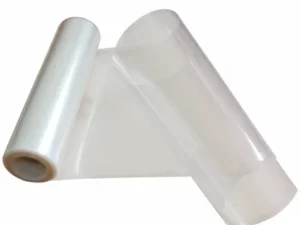
- Extruded into tubing, rods, films, or wire‑coated cable.
- Injection‑molded for complex, high‑tolerance parts.
- Compression‑molded for sheet‑metal laminates.
The only caveat? You need high melt temperatures (≈ 380 °C) and low shear to avoid degrading the polymer—something modern processing equipment can handle with ease.
Reviews
There are no reviews yet.