
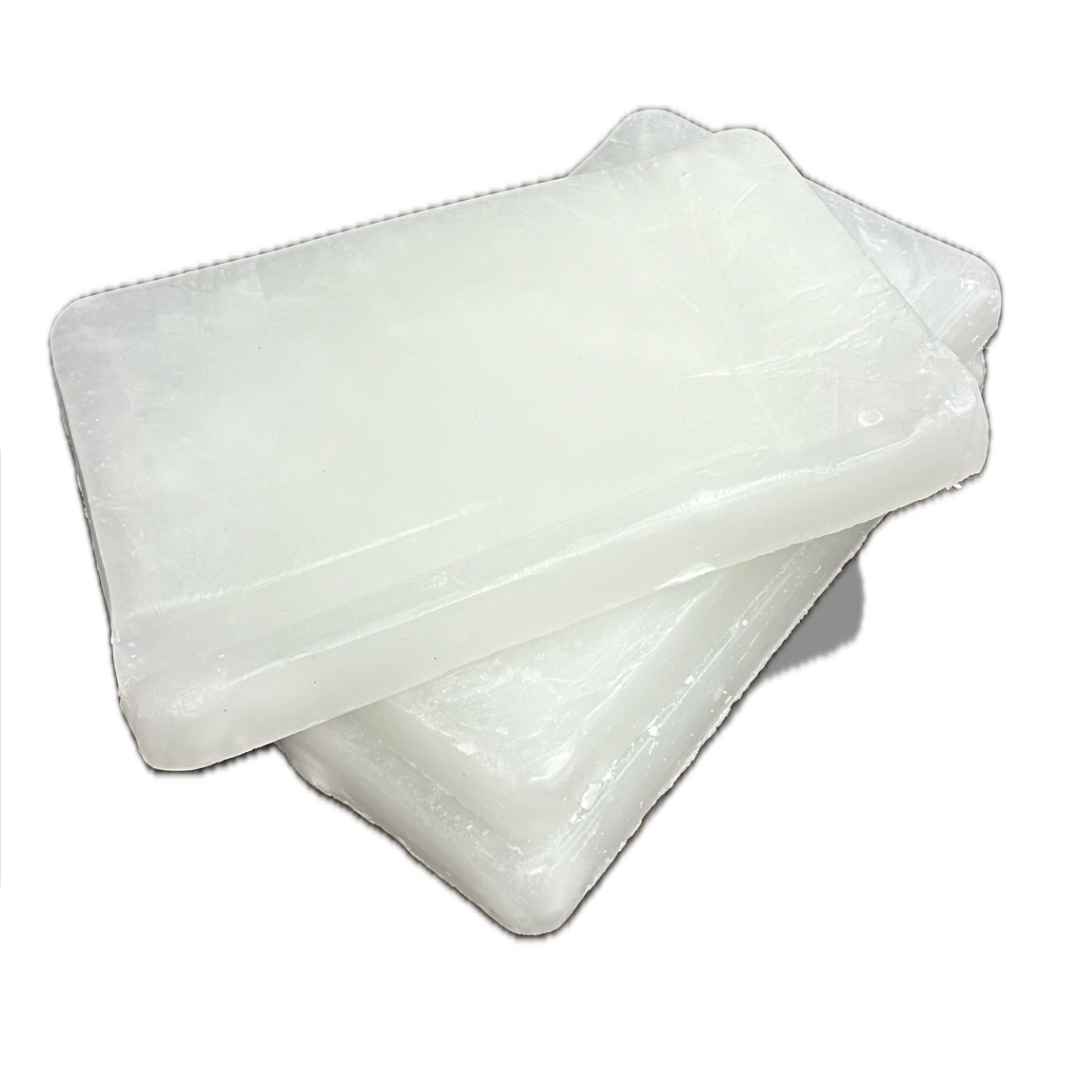
Description
Paraffin Wax: The Versatile Hydrocarbon Shaping Our World
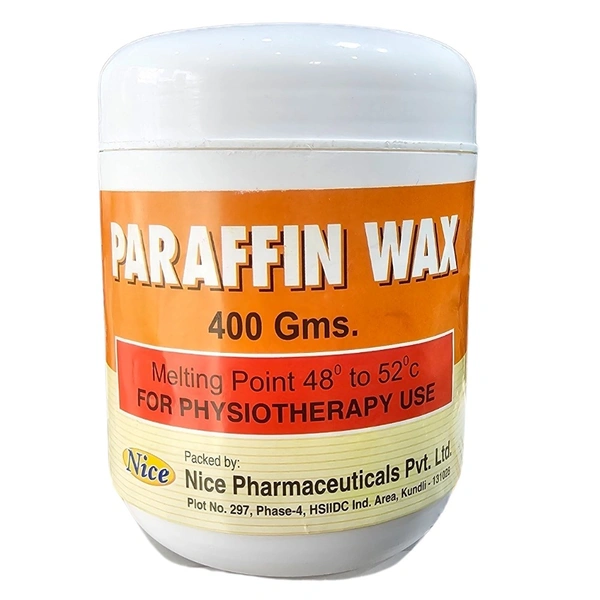
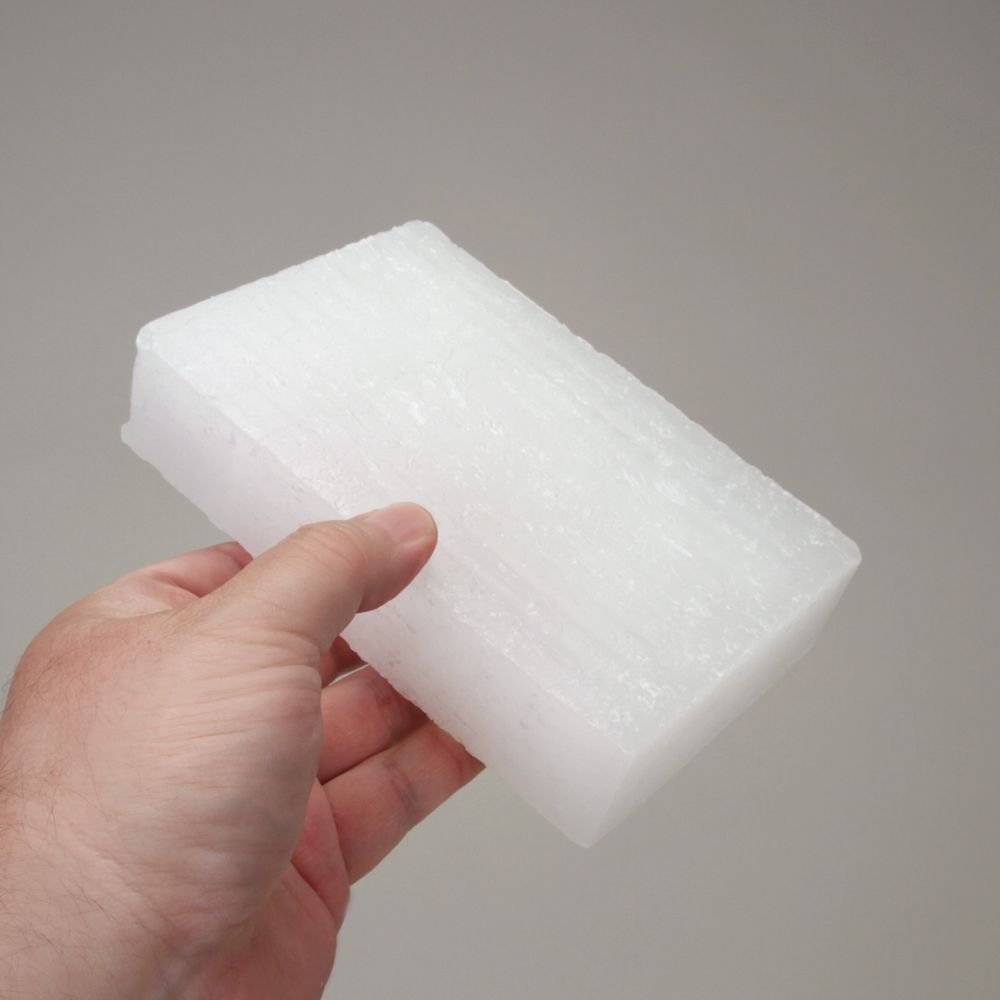
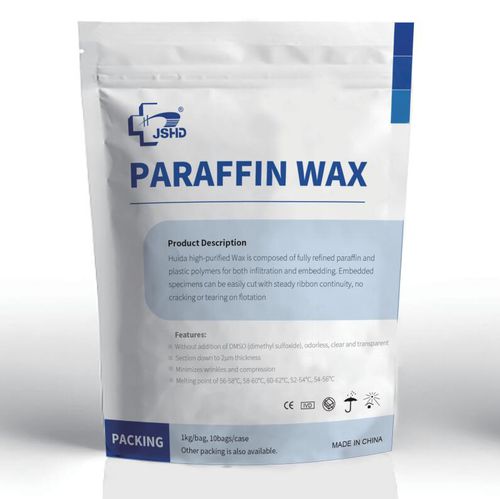
In the vast lexicon of human ingenuity, some substances quietly weave themselves into the fabric of modern life, becoming so ubiquitous that their significance often goes unnoticed. Paraffin wax is undoubtedly one such material. A white or colorless soft solid derived from petroleum, coal, or oil shale, this unassuming hydrocarbon is far more than just candle fuel; it’s a fundamental component in industries ranging from food and pharmaceuticals to cosmetics and manufacturing.
The Science Behind the Wax
Chemically, paraffin wax is a mixture of hydrocarbon molecules, typically containing between 20 and 40 carbon atoms. It is solid at room temperature and begins to melt between 46 and 68 degrees Celsius (115 and 154 degrees Fahrenheit). Key properties that make it so versatile include:
- Insolubility: It is insoluble in water, making it an excellent moisture barrier.
- Non-reactivity: It is largely non-reactive with most chemicals, ensuring stability in various applications.
- Odorless and Tasteless: Pure paraffin wax has no discernible smell or taste, which is crucial for food and cosmetic uses.
- Good Electrical Insulator: Its dielectric properties make it useful in electrical components.
- Malleability: It is easily molded and shaped when warm, yet solidifies firmly when cooled.
A Journey Through Time: From Byproduct to Boon
The discovery and refinement of paraffin wax are intrinsically linked to the burgeoning petroleum industry of the 19th century. In 1830, German chemist Carl Reichenbach first isolated paraffin wax from wood tar. However, it was the booming oil industry in the mid-1800s that made its widespread production economically viable as a byproduct of petroleum refining.
Prior to paraffin, candles were primarily made from animal fats (tallow) or beeswax, which were often expensive, prone to dripping, and produced significant soot. Paraffin wax revolutionized the candle industry. Its clean burn, consistent quality, and affordability rapidly made it the preferred material, democratizing illumination and later, scented ambiance.
Versatile Applications: Beyond the Flame
While candles remain its most iconic application, paraffin wax’s unique properties have led to a startling array of uses across diverse sectors:
- Candles: As mentioned, it’s the dominant material for candles due to its clean burn, ability to hold fragrance and color, and relatively low cost.
- Food and Beverage: Food-grade paraffin wax, highly purified and FDA-approved, serves multiple purposes. It’s used as a coating for fruits (like apples and citrus) to extend shelf life by reducing moisture loss and preventing spoilage. It also coats cheeses and is a common ingredient in confectionery, such as chocolate bars to prevent blooming, and in chewing gum.
- Cosmetics and Pharmaceuticals: In the beauty and health industries, paraffin acts as an emollient in creams, lotions, and balms, including the ubiquitous petroleum jelly (a derivative of paraffin). It’s used in spa treatments (paraffin baths) for therapeutic purposes, such as heat therapy for joint pain and muscle stiffness. In histology, it’s a crucial embedding medium for tissue samples.
- Industrial and Technical: Paraffin’s waterproofing capabilities are utilized in various products, from matches and cardboard to textiles and building materials. It serves as a lubricant, a rust preventative, and an electrical insulator. Crayons, the colorful tools of childhood, are largely composed of paraffin wax for their solid form and vibrant pigment delivery.
- Arts and Crafts: From sculpting and lost-wax casting to batik (wax-resist dyeing) and surf wax, paraffin finds its way into creative and recreational pursuits.
Environmental and Health Considerations
As a petroleum-derived product, the sustainability of paraffin wax is sometimes questioned in an era focused on greener alternatives. However, the energy required to produce it is often less than that for some natural waxes, and it’s effectively recycling a byproduct.
Regarding health, food-grade and cosmetic-grade paraffin waxes undergo rigorous purification processes to remove impurities, making them safe for their intended uses. Concerns about candle emissions have been largely debunked by scientific studies, which show that properly wicked and burned paraffin candles produce no more soot or emissions than other common household activities.
The Enduring Legacy
From a humble byproduct of the oil industry, paraffin wax has evolved into an indispensable material, underpinning countless products and industries that contribute to our modern comfort, convenience, and health. While new materials and sustainable alternatives continue to emerge, paraffin wax’s unique blend of physical and chemical properties ensures its continued relevance, standing as a testament to the ingenuity of transforming a simple substance into a cornerstone of everyday life.


Reviews
There are no reviews yet.