
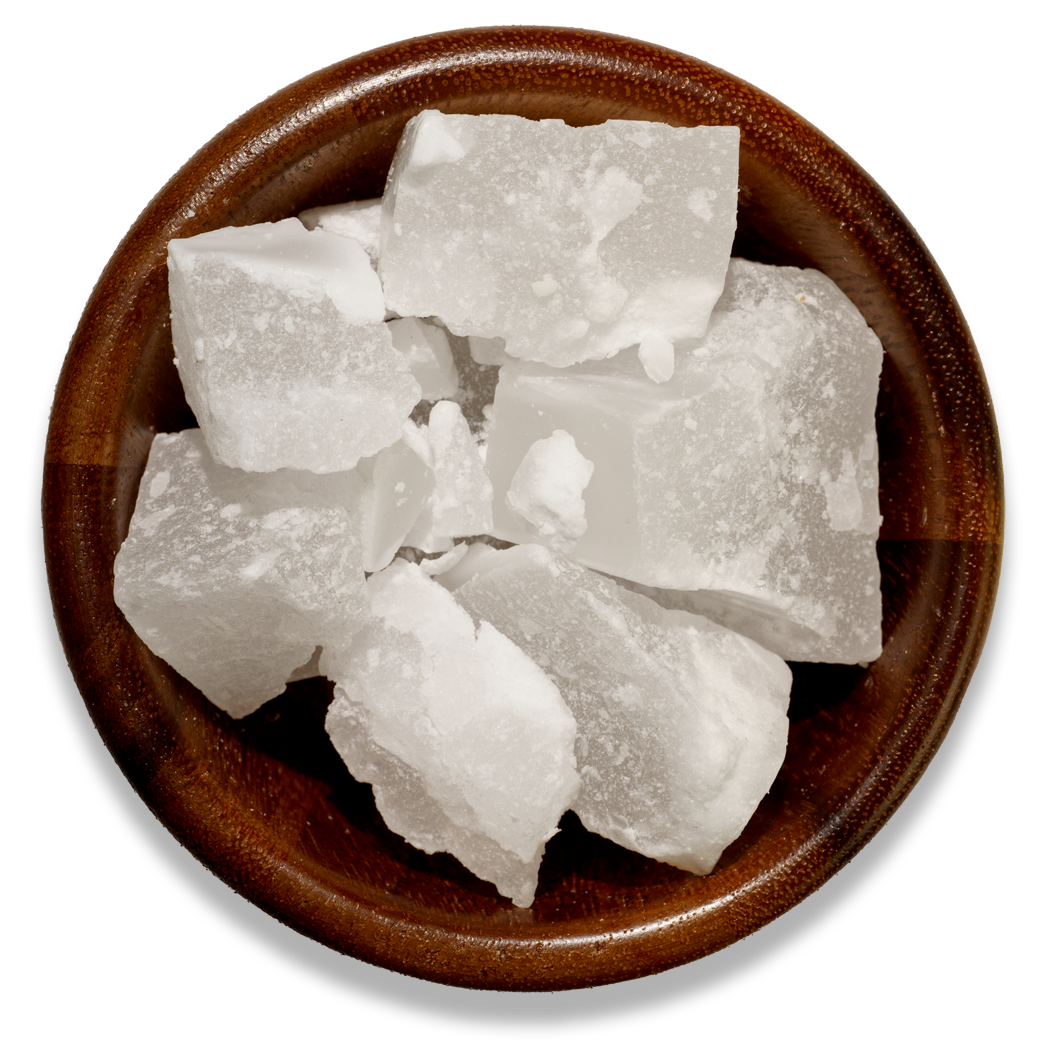
Description
. What Exactly Is Paraffin Wax?
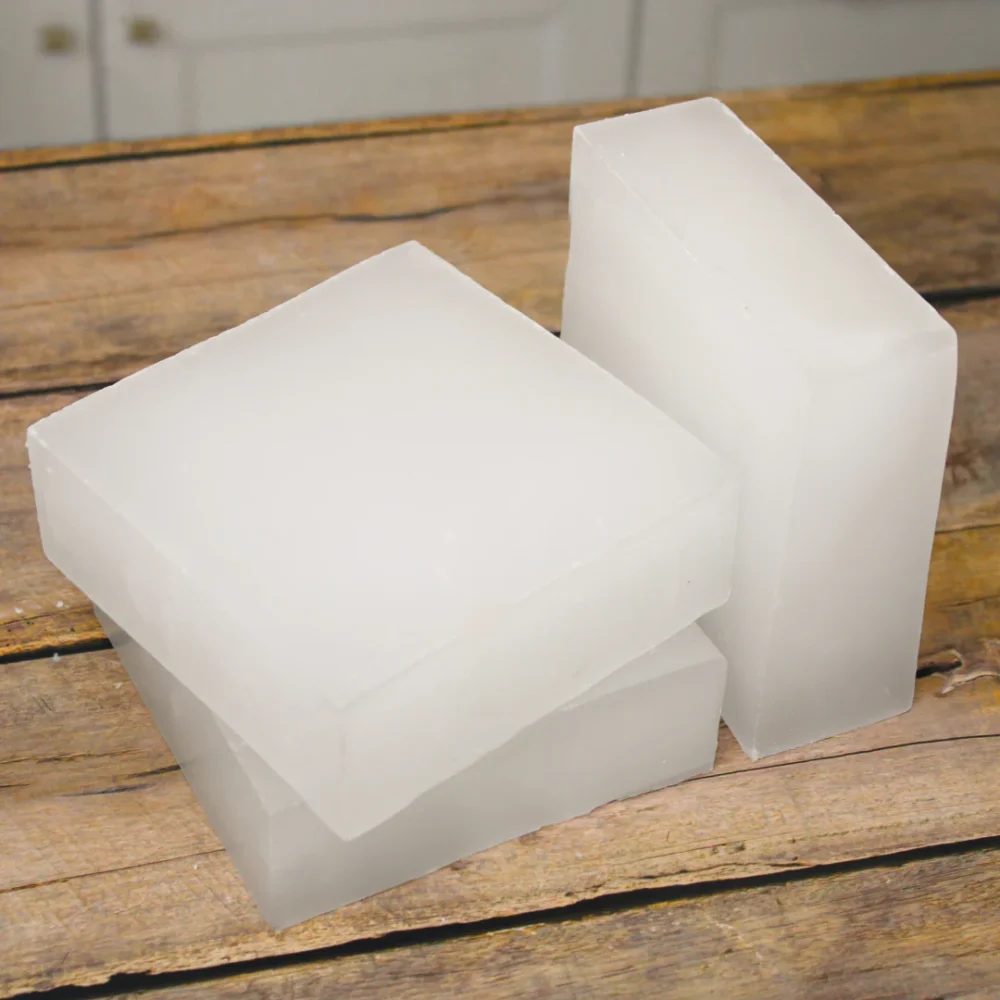
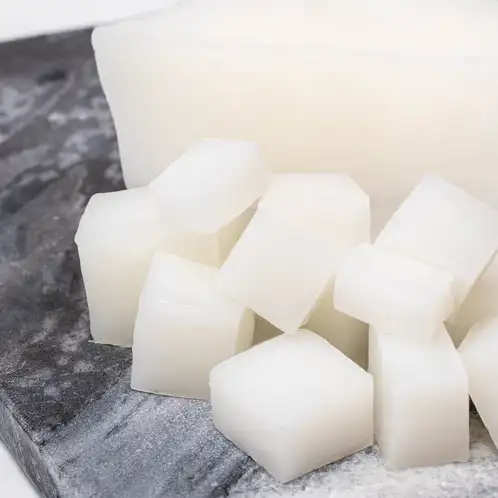
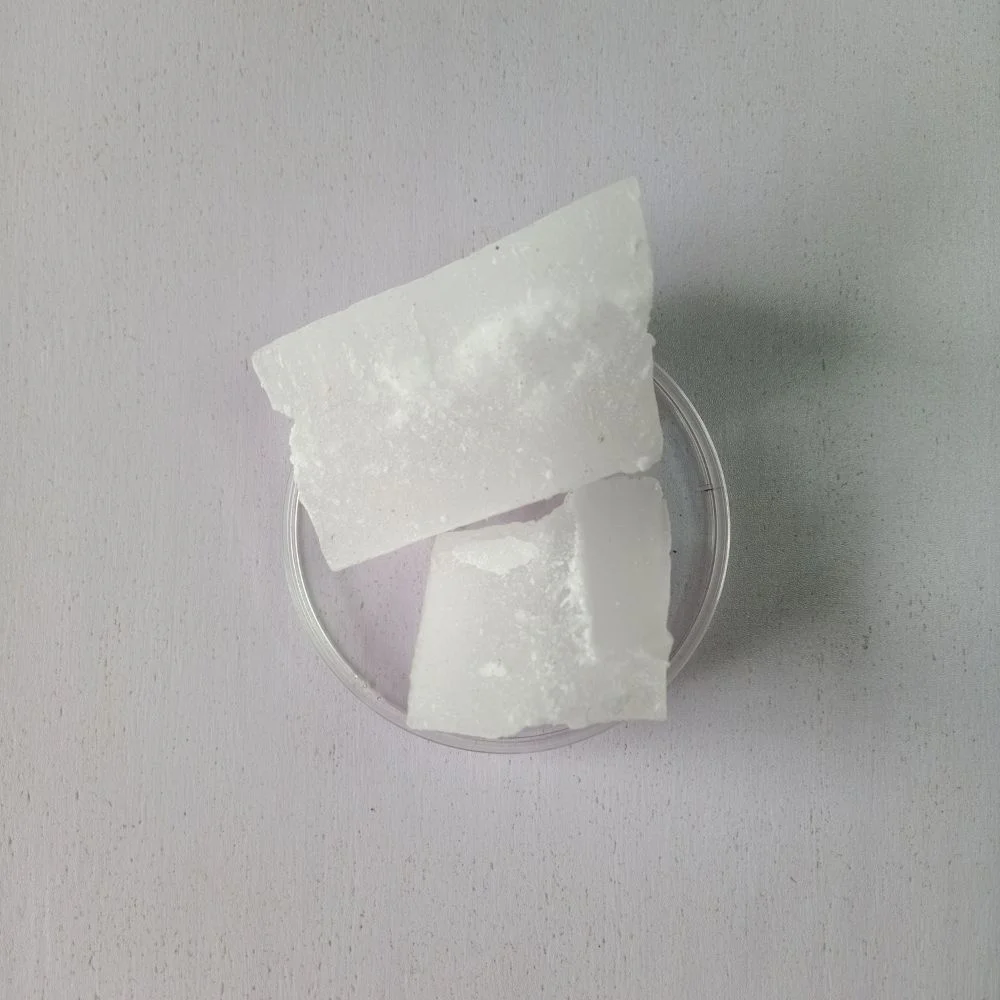
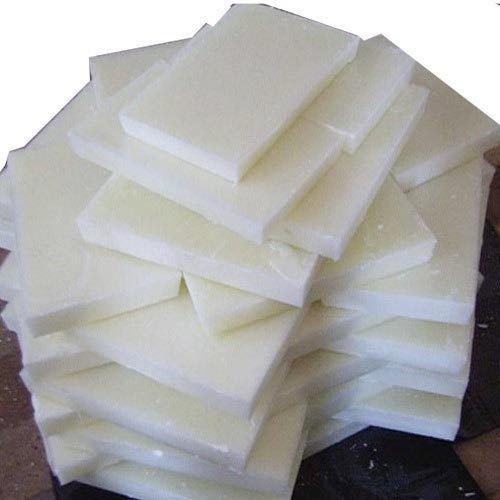
Paraffin wax is a saturated hydrocarbon mixture (typically C₂₀–C₄₀) that solidifies at room temperature. It’s produced during the refining of crude oil (or, less commonly, from natural gas condensates). The feedstock—called slack wax—is distilled and then hydrogenated to remove unsaturated bonds, resulting in a white, odorless, and chemically inert wax.
Key physical properties that give paraffin its charm:
| Property | Typical Range | Why It Matters |
|---|---|---|
| Melting point | 46‑68 °C (115‑154 °F) | Easy to melt with a double boiler; cools quickly into a solid. |
| Density | 0.86‑0.93 g cm⁻³ | Slightly lighter than water, so it floats when used in “paraffin baths.” |
| Softening point | 45‑65 °C | Determines how pliable the wax is for molding or coating. |
| Viscosity (at 70 °C) | 5‑30 cSt | Influences how smoothly it spreads in cosmetics or candle molds. |
Because it’s chemically stable and non‑reactive, paraffin wax won’t rust metal, corrode plastic, or spoil over time—making it a perfect base for countless applications.
2. The Most Popular Uses (And a Few Surprising Ones)
| Category | Typical Use | Why Paraffin Works |
|---|---|---|
| Candles | Votive, pillar, container, scented | High melting point, good fragrance‑holding ability, clean burn. |
| Cosmetics & Spa | Hand/foot paraffin treatments, lip balms, wax strips | Smooth texture, gentle skin feel, creates a protective barrier. |
| Food & Packaging | Cheese coating, fruit wax, chocolate tempering aid | Edible grade (food‑grade paraffin) is tasteless, moisture‑proof, and glossy. |
| Industrial | Electrical insulation, mold release, lubricants | Non‑conductive, low friction, resistant to moisture. |
| Arts & Crafts | Sealing stamps, batik, wax‑resist painting, DIY crayons | Easy to melt, re‑melts without degradation, adheres to many surfaces. |
| Science & Labs | Thermal storage, sample preservation, vacuum sealing | High latent heat of fusion, inertness, low vapor pressure. |
Pro tip: If you’re a craft lover, paraffin can be mixed with soy or beeswax for “hybrid” candles that combine the best of each wax’s burn qualities.
3. DIY: Three Simple Projects Using Paraffin Wax
A. Homemade Scented Pillar Candles
You’ll need:
- 1 lb paraffin wax (flaked or pellets)
- Candle wicks (cotton, pre‑tabbed)
- Fragrance oils (essential or synthetic) – 1 oz per lb wax
- Candle dye (optional)
- Double‑boiler or a heat‑proof bowl + pot
- Thermometer (ideally 0‑200 °C range)
- Mold (metal, silicone, or a clean tin)
Steps:
- Melt the wax to 70 °C (158 °F). Stir gently—no vigorous shaking, which can trap air bubbles.
- Add fragrance once the wax reaches 65 °C; let it simmer for 2‑3 min to bind the scent. If you want color, add dye now.
- Secure the wick in the mold (use a wick holder or a pencil laid across the top).
- Pour the wax slowly, filling to the brim. Let it cool undisturbed for at least 4 hours.
- Trim the wick to ¼ in. (6 mm) and enjoy your custom glow!
Why it works: The high melting point ensures the candle holds shape, while the wax’s ability to trap scent molecules releases aroma gradually as the candle burns.
B. Spa‑Level Paraffin Hand Treatment
You’ll need:
- Food‑grade paraffin wax (½ lb)
- A small heat‑proof bowl or “paraffin bath” kit
- Essential oil (lavender, peppermint, or eucalyptus) – a few drops
- A clean towel and moisturizer
Steps:
- Melt the wax to 55‑60 °C (130‑140 °F). Test with your elbow—should feel warm, not scalding.
- Add a few drops of essential oil; stir.
- Dip each hand (or foot) for 2‑3 seconds, building up 5‑7 layers. Let the wax harden between dips.
- Cover with a towel for 5 minutes to let the heat penetrate.
- Peel the wax off (it will come away in a single sheet) and finish with a light moisturizer.
Benefits: The wax traps heat, which helps soften skin, improve circulation, and open pores—perfect for a mini‑spa at home.
C. “Wax‑Resist” Batik on Fabric
You’ll need:
- Paraffin wax (in pellet form)
- A small saucepan or wax pot
- A paintbrush or “tusche” (small bamboo brush)
- Cotton fabric (100 % cotton works best)
- Fabric dye (acid dye or fiber‑reactive)
Steps:
- Melt about ¼ lb of wax to 65 °C (149 °F).
- Apply the wax onto the fabric in your desired pattern. The wax creates a water‑proof barrier.
- Dye the fabric according to the dye manufacturer’s instructions.
- Rinse the fabric with warm water to remove excess dye.
- Remove the wax by placing the fabric in a pot of hot water (just below boiling) for 5 minutes, then gently scrape the wax off.
Result: A striking, “resist‑dye” effect where the waxed areas stay the original fabric color while the exposed sections soak up vibrant hues.
4. Safety First: Handling Paraffin Wax Responsibly
| Hazard | Mitigation |
|---|---|
| Burns – Wax can exceed 70 °C (158 °F) | Use a double‑boiler, wear heat‑resistant gloves, never leave melting wax unattended. |
| Fire risk – Wax is flammable above its flash point (≈ 200 °C) | Keep a Class B fire extinguisher nearby; never heat wax over an open flame. |
| Inhalation – Fumes from overheating can irritate lungs | Melt only in well‑ventilated spaces; avoid heating past the recommended temperature. |
| Skin contact – Food‑grade wax is safe, but industrial grades may contain additives | Verify the grade (food‑grade vs. technical) before using on skin or food. |
| Environmental spill – Wax can clog drains | Let solidified wax cool before disposing; collect in a sealed container for landfill. |
Quick rule of thumb: If the wax starts smoking, stop immediately, remove from heat, and allow it to cool before cleaning up.
5. Environmental Impact – The Good, the Bad, and What We Can Do
The Reality
- Petroleum Origin – Traditional paraffin wax is a by‑product of crude‑oil refining, tying it to fossil‑fuel extraction and associated greenhouse‑gas emissions.
- Biodegradability – Pure paraffin is technically biodegradable, but the process is very slow (months‑to‑years) in natural environments.
- Packaging Waste – Many paraffin candle containers are single‑use plastics or non‑recyclable metal tins.
The Bright Spots
- Waste‑to‑Resource – Because paraffin is a by‑product, using it can be seen as “upcycling” otherwise discarded refinery material.
- Re‑melting – Unlike many synthetic polymers, paraffin can be melted and reused countless times without quality loss, reducing the need for fresh raw material.
Sustainable Alternatives & Practices
| Goal | How to Achieve It |
|---|---|
| Reduce virgin petroleum use | Blend paraffin with soy, bees, or coconut wax for candles. |
| Minimize waste | Re‑melt leftover candle stubs into new candles or wax melts. |
| Eco‑friendly packaging | Choose glass jars or biodegradable tins; recycle metal containers. |
| Carbon offset | Purchase carbon credits for the amount of paraffin you consume (roughly 1 kg paraffin ≈ 28 kg CO₂e). |
If you’re a DIYer, you can also source reclaimed paraffin from used candle jars, thrift‑store candles, or even old wax seals. This “circular” approach cuts down on new production while giving new life to old wax.
6. Frequently Asked Questions
Q: Is paraffin wax safe for food?
A: Yes—food‑grade paraffin is FDA‑approved for coating cheese, fruits, and confectionery. It’s tasteless and non‑toxic when used as directed.
Q: How does paraffin differ from soy or beeswax?
A: The main differences are origin (petroleum vs. plant vs. animal), melting point (paraffin melts higher), and burn characteristics (paraffin burns hotter, soy slower). Each has its own scent‑holding capacity and environmental profile.
Q: Can I use paraffin in a microwave?
A: It’s possible, but not recommended. Microwaves heat unevenly, creating hot spots that can cause the wax to flash‑ignite. Stick to a stove‑top double boiler for safety.
Q: Why do candles sometimes “tunnel” (burn in a narrow column)?
A: Tunneling occurs when the wax near the wick melts faster than the outer wax. Using a larger wick or allowing the first melt to reach the candle’s edges can prevent it.
7. Bottom Line: Why Paraffin Wax Still Holds a Place in Our Lives
Paraffin wax may lack the romance of beeswax or the eco‑cred of soy, but its affordability, reliability, and ease of use keep it at the heart of many everyday products. Whether you’re looking to craft a scented candle for a cozy night, give yourself a soothing hand treatment after a long day, or experiment with watercolor‑style fabric designs, paraffin offers an accessible entry point.
At the same time, being mindful of its fossil‑fuel roots and taking steps to reuse, recycle, and blend with greener alternatives can ensure that your love of wax doesn’t come at the planet’s expense.


Reviews
There are no reviews yet.