


Description
1. Product Overview
Palladium Catalyst is a high-performance industrial catalyst primarily composed of palladium supported on inert carriers such as activated carbon, alumina, or silica. It is extensively used in hydrogenation, dehydrogenation, carbon–carbon coupling, and fine chemical synthesis reactions within the chemical, pharmaceutical, and petrochemical industries. The key value proposition lies in its exceptional catalytic activity, selectivity, and reusability, enabling efficient reaction processes while minimizing energy consumption and by-product formation. Strategically, this catalyst is essential for modern industrial processes where precision, consistency, and cost-effective operations are critical, making it a cornerstone for high-value chemical manufacturing.
2. Key Specifications & Technical Characteristics
- Chemical Composition: Palladium supported on carbon, alumina, or silica carrier
- Purity Level / Grade: Industrial-grade; Pd content typically 5–10 wt% (batch-specific assay provided)
- Physical Characteristics:
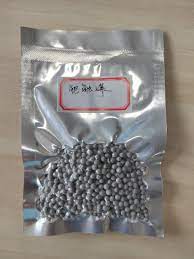
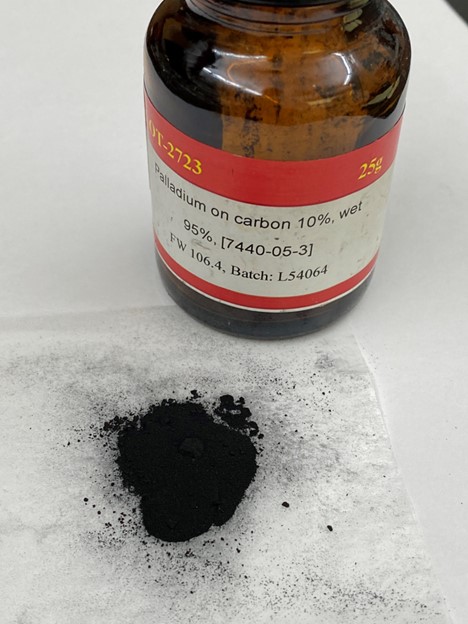
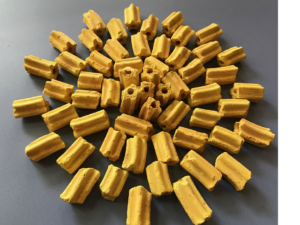
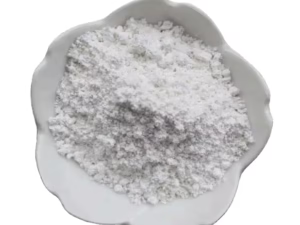
- Form: Powder or granules
- Color: Dark gray to black
- Particle Size: 1–5 mm granules or 50–200 µm powder (depending on variant)
- Density: Carrier-dependent, typically 0.5–1.0 g/cm³
- Packaging Options:
- Drum packaging (50–200 kg per drum)
- Bulk container shipment for industrial users
- IBC containers upon request
- Shelf Life: Stable under dry, oxygen-free storage conditions; typical shelf life 12–24 months
3. Core Industrial Applications
Primary Industries:
- Fine chemical and pharmaceutical production
- Petrochemical processing
- Specialty polymer synthesis
- Hydrogenation and dehydrogenation plants
Operational Use Cases:
- Catalytic hydrogenation of alkenes, aromatics, and nitro compounds
- Carbon–carbon coupling reactions (e.g., Suzuki, Heck, Sonogashira reactions)
- Hydrogen storage and purification systems
- Selective oxidation and reduction processes in specialty chemical manufacturing
Performance & Cost Advantages:
Palladium Catalyst offers superior reaction selectivity, high turnover frequency, and extended lifespan compared to alternative catalytic systems. Its reusability reduces operational costs, and its compatibility with diverse chemical environments improves overall process efficiency and throughput.
4. Competitive Advantages
- Quality Consistency: Batch-level quality control with palladium loading assay and carrier integrity verification
- Supply Reliability: Established industrial supply chain ensures consistent availability
- Logistics Capability: Secure packaging and compliant transport of hazardous catalysts
- Price Competitiveness: Cost-effective solution relative to precious metal market fluctuations
- Sustainability Benefits: Recyclable and regenerable catalyst reduces industrial waste and resource consumption
- Technical Support: Comprehensive documentation including SDS, handling instructions, and process optimization guidance
As a strategic sourcing decision, Palladium Catalyst provides industrial buyers with a reliable, high-performance solution that enhances productivity, ensures process consistency, and supports sustainability objectives.
5. Commercial & Supply Information
- Minimum Order Quantity (MOQ): BULK 20MT
- Loading Capacity (MT per container): 20–24 MT per 20’ ISO tank/container depending on form and packaging configuration

Reviews
There are no reviews yet.