

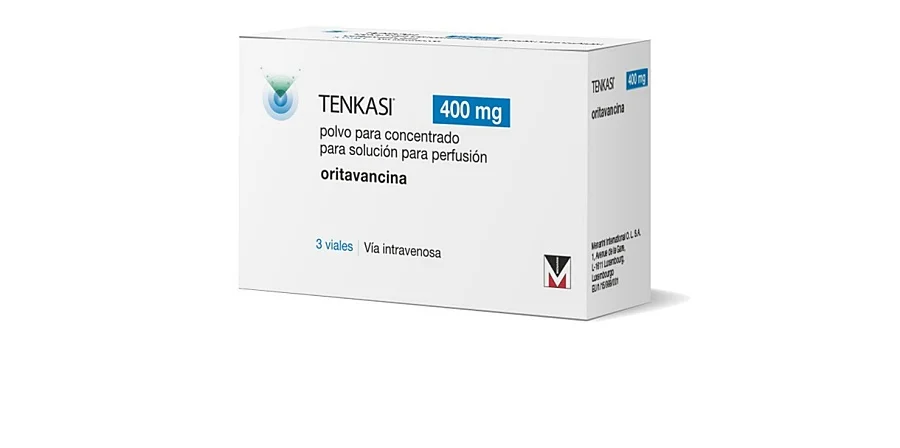
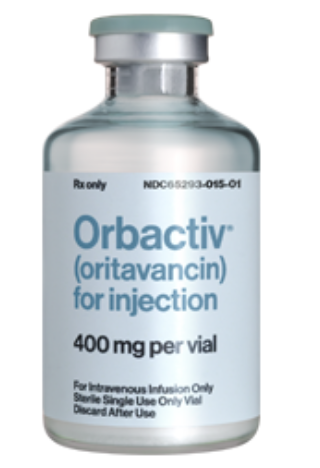
Description
Oritavancin: A Powerful Weapon Against Gram-Positive Infections
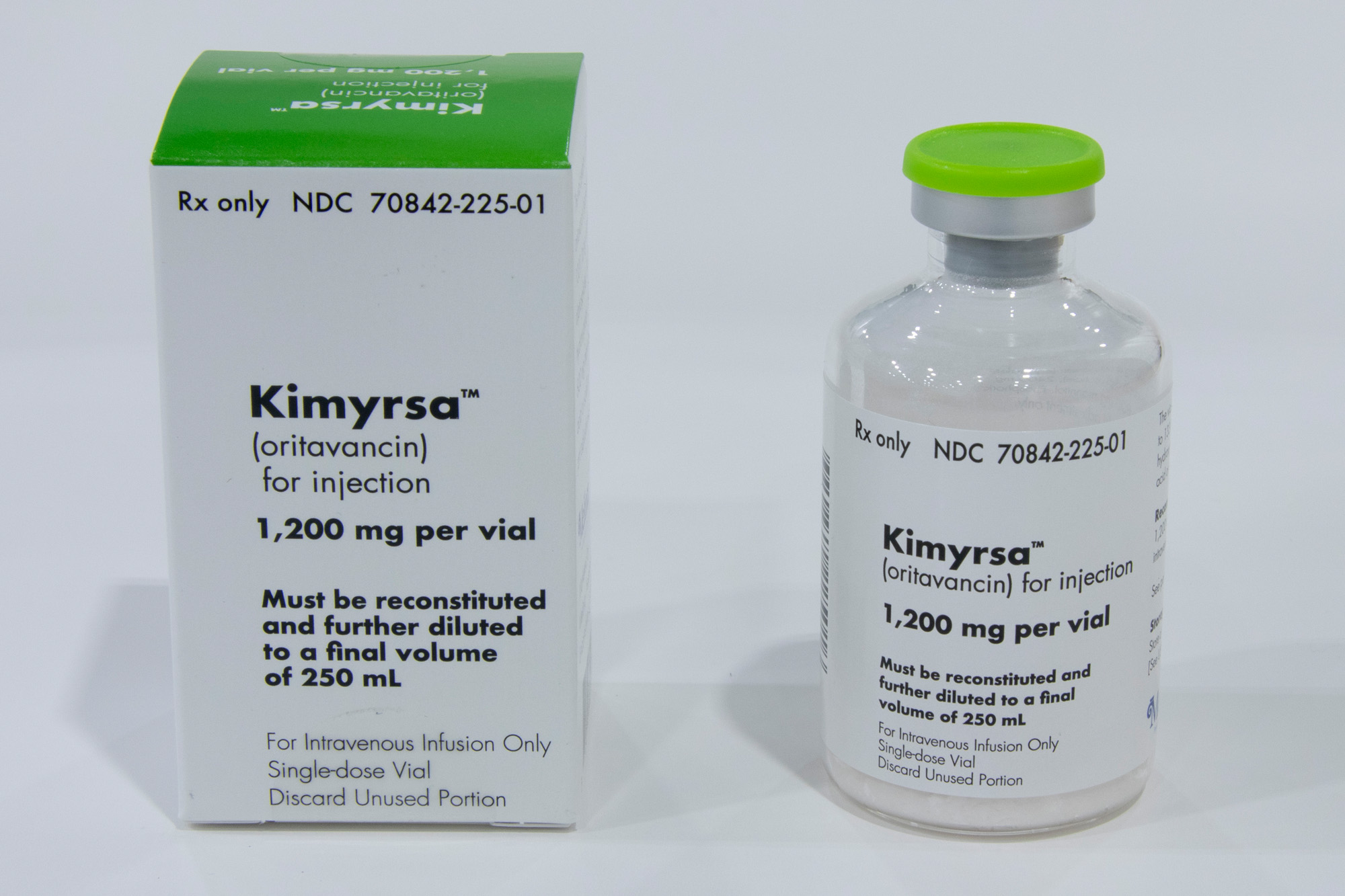
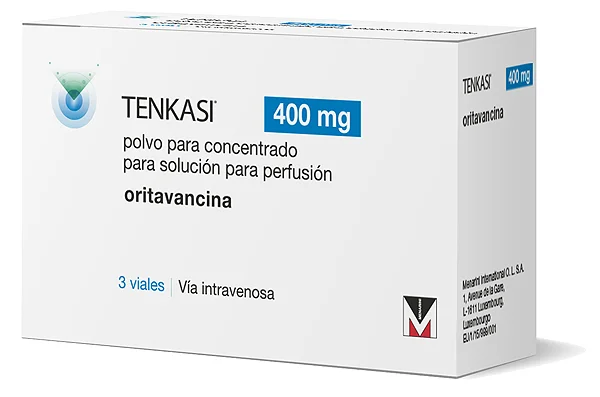
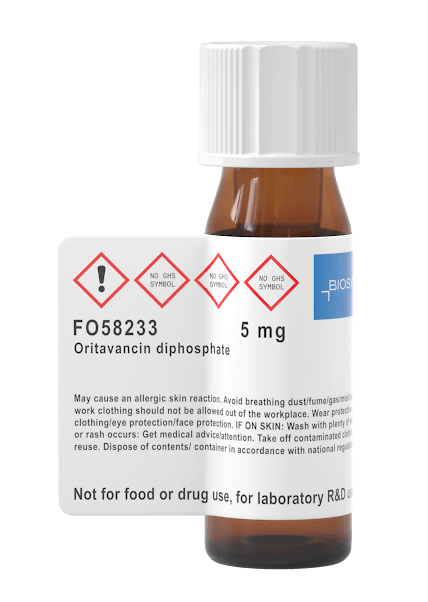
Oritavancin is a lipoglycopeptide antibiotic used to treat serious Gram-positive bacterial infections, particularly those caused by resistant strains, such as methicillin-resistant Staphylococcus aureus (MRSA). This potent drug offers a unique mechanism of action and a convenient, single-dose regimen for certain infections, making it a valuable tool in the fight against antibiotic resistance.
Understanding Oritavancin’s Mechanism of Action
Unlike other glycopeptide antibiotics, oritavancin employs a triple-action mechanism to combat bacteria. It disrupts bacterial cell wall synthesis by:
- Inhibiting transglycosylation: Similar to vancomycin, oritavancin binds to the D-alanyl-D-alanine portion of the peptidoglycan precursors, preventing the formation of the peptidoglycan layer, a crucial component of the bacterial cell wall.
- Inhibiting transpeptidation: Oritavancin also inhibits the formation of cross-links in the peptidoglycan layer, further weakening the cell wall structure.
- Disrupting membrane integrity: The lipophilic tail of oritavancin anchors into the bacterial cell membrane, leading to depolarization and disruption of membrane function.
This multifaceted approach enhances oritavancin’s effectiveness, making it less susceptible to resistance mechanisms that may limit the efficacy of other antibiotics.
Clinical Applications and Efficacy
Oritavancin is primarily indicated for the treatment of acute bacterial skin and skin structure infections (ABSSSIs) caused by susceptible Gram-positive bacteria, including:
- Staphylococcus aureus (including MRSA)
- Streptococcus pyogenes
- Streptococcus agalactiae
- Enterococcus faecalis (vancomycin-susceptible isolates only)
- Enterococcus faecium (vancomycin-susceptible isolates only)
Clinical trials have demonstrated oritavancin’s efficacy in treating ABSSSIs, often achieving similar or superior outcomes compared to traditional multi-dose antibiotic regimens. Its convenient single-dose administration can improve patient compliance and reduce the burden on healthcare providers.
Dosage and Administration
Oritavancin is administered as a single intravenous infusion over three hours. The specific dosage may vary based on the patient’s weight and renal function.
Potential Side Effects and Precautions
While generally well-tolerated, oritavancin can cause certain side effects, including:
- Infusion-related reactions: Flushing, itching, hives, and rarely, more severe allergic reactions.
- Gastrointestinal disturbances: Nausea, vomiting, diarrhea, and abdominal pain.
- Hematologic abnormalities: Anemia, thrombocytopenia, and leukopenia (rare).
- Musculoskeletal pain: Myalgia and arthralgia.
Precautions:
- Oritavancin should be used with caution in patients with a history of hypersensitivity reactions to glycopeptide antibiotics.
- Renal function should be assessed before and during treatment, as oritavancin is primarily eliminated by the kidneys.
- The potential for drug interactions should be carefully considered.
- It is important to administer oritavancin slowly to minimize the risk of infusion-related reactions.
The Role of Oritavancin in Combating Antibiotic Resistance
The rise of antibiotic-resistant bacteria poses a significant threat to public health. Oritavancin, with its unique mechanism of action and proven efficacy against resistant strains like MRSA, plays a crucial role in combating this challenge. By providing an alternative treatment option for serious Gram-positive infections, oritavancin helps to reduce the overuse of other antibiotics, slowing the development of resistance.
Conclusion
Oritavancin is a valuable antibiotic in the therapeutic arsenal against Gram-positive bacterial infections, particularly those caused by resistant strains. Its triple-action mechanism, convenient single-dose administration, and proven efficacy make it a powerful tool in the fight against antibiotic resistance. While potential side effects and precautions should be considered, oritavancin offers a significant advantage in treating serious infections and improving patient outcomes. As antibiotic resistance continues to evolve, oritavancin will likely remain an important option for clinicians treating these challenging infections.
Disclaimer: This article provides general information about oritavancin and should not be considered medical advice. Consult with a healthcare professional for diagnosis and treatment of any medical condition.


Reviews
There are no reviews yet.