
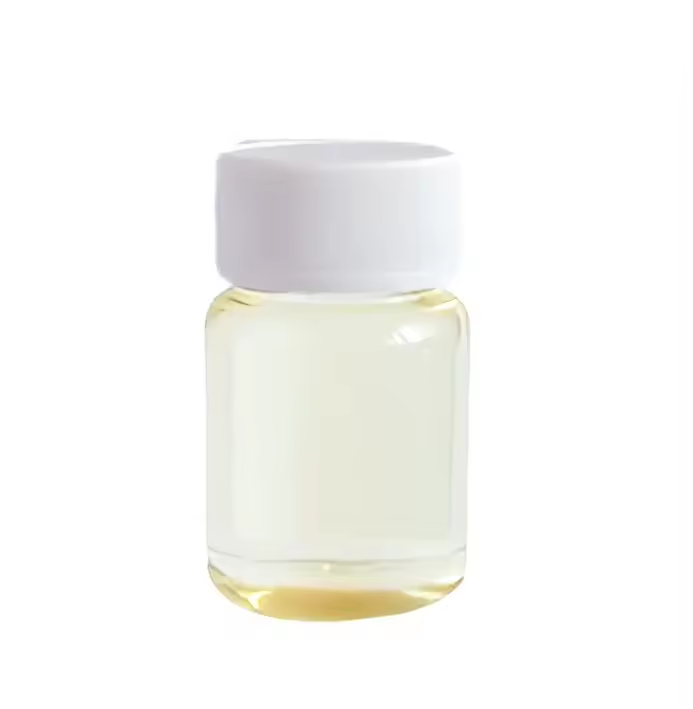
Description
The Unseen Ingredient: Unpacking Octylphenol Ethoxylate (OPE)
We live in a world of marvelous convenience, much of it thanks to the subtle magic of chemistry. From the spotless gleam of your kitchen counter to the smooth finish of a freshly painted wall, countless products rely on specialized ingredients to work their wonders. Today, we’re pulling back the curtain on one such ingredient that, while incredibly effective, has a complex and evolving story: Octylphenol Ethoxylate (OPE).
You might not recognize the name, but for decades, OPEs were a silent workhorse in countless industrial and consumer products. Let’s delve into what they are, why they were so popular, and why their presence is now a subject of significant concern and a shift towards greener alternatives.
What Exactly Is Octylphenol Ethoxylate?
At its core, Octylphenol Ethoxylate belongs to a family of chemicals called alkylphenol ethoxylates (APEOs). These are a type of surfactant – a fancy word for a substance that reduces the surface tension of a liquid. Think of them as the ultimate negotiators between oil and water, allowing them to mix, foam, and clean more effectively.
Specifically, OPEs combine an “octylphenol” group with a chain of “ethoxylate” units. The varying length of this ethoxylate chain dictates their specific properties, making them incredibly versatile.
The Unsung Hero: Why OPEs Were Everywhere
For manufacturers, OPEs were a dream come true. Their surfactant properties made them exceptionally valuable for a wide range of applications:
- Powerful Cleaners: From industrial degreasers to household detergents, OPEs excelled at lifting grease, dirt, and grime.
- Emulsifiers: They helped oil and water-based ingredients mix seamlessly in everything from paints and coatings to agricultural pesticides.
- Wetting Agents: In textile processing, they ensured dyes and finishes spread evenly.
- Dispersants: They kept particles suspended, preventing them from settling in formulations.
- Paper & Pulp Industry: Used in various stages of papermaking.
Their effectiveness, stability, and relatively low cost made them a go-to choice globally for decades.
The Environmental Shadow: Why Concerns Grew
While their utility was undeniable, a darker side to OPEs began to emerge in the late 20th century. The primary concern lies in what happens when OPEs break down in the environment.
- Formation of Octylphenol (OP): As OPEs degrade, they release octylphenol (OP). This compound is far more persistent in the environment than the original OPE and, crucially, is a known endocrine disruptor.
- Endocrine Disruption: This is the big worry. Endocrine disruptors are chemicals that can mimic or interfere with the body’s natural hormones. In aquatic environments, OP has been shown to affect the reproductive health and development of fish and other wildlife, essentially “feminizing” male organisms at alarming rates.
- Persistence & Bioaccumulation: OP doesn’t easily break down further and can accumulate in the tissues of living organisms, moving up the food chain. This raised significant concerns about its potential long-term impact on ecosystems and, indirectly, human health.
- Water Contamination: OPEs and their degradation products found their way into wastewater treatment plants, often passing through partially treated and discharged into rivers and oceans.
Turning the Tide: Regulations and Alternatives
Acknowledging the environmental and potential health risks, regulatory bodies worldwide began to take action. The European Union, for instance, has heavily restricted the use of APEOs (including OPEs) in many applications, driving a significant shift in manufacturing practices. Other regions and industries have followed suit.
This regulatory pressure, coupled with increasing consumer awareness, has spurred innovation. Manufacturers are now actively seeking and utilizing “greener chemistry” alternatives – surfactants that are readily biodegradable and don’t break down into harmful endocrine disruptors.
What Does This Mean for You?
While the widespread industrial use of OPEs is declining, especially in regions with strict regulations, it’s a powerful reminder of a few key principles:
- Chemicals Have a Lifecycle: Every ingredient in a product has an origin and an ultimate fate. Understanding this lifecycle is crucial for assessing its true impact.
- Innovation is Constant: The push for safer, more sustainable alternatives demonstrates that effective products don’t have to come at an environmental cost.
- Informed Choices Matter: As consumers, supporting brands committed to transparency and using environmentally responsible ingredients helps drive positive change.
The story of Octylphenol Ethoxylate is a testament to the ongoing evolution of chemistry and our understanding of its interaction with the planet. It reminds us that sometimes, the most effective solutions of yesterday need to be re-evaluated and replaced with smarter, greener innovations for tomorrow.
Have you ever thought about the hidden chemicals in your everyday products? Share your thoughts in the comments below!



Reviews
There are no reviews yet.