
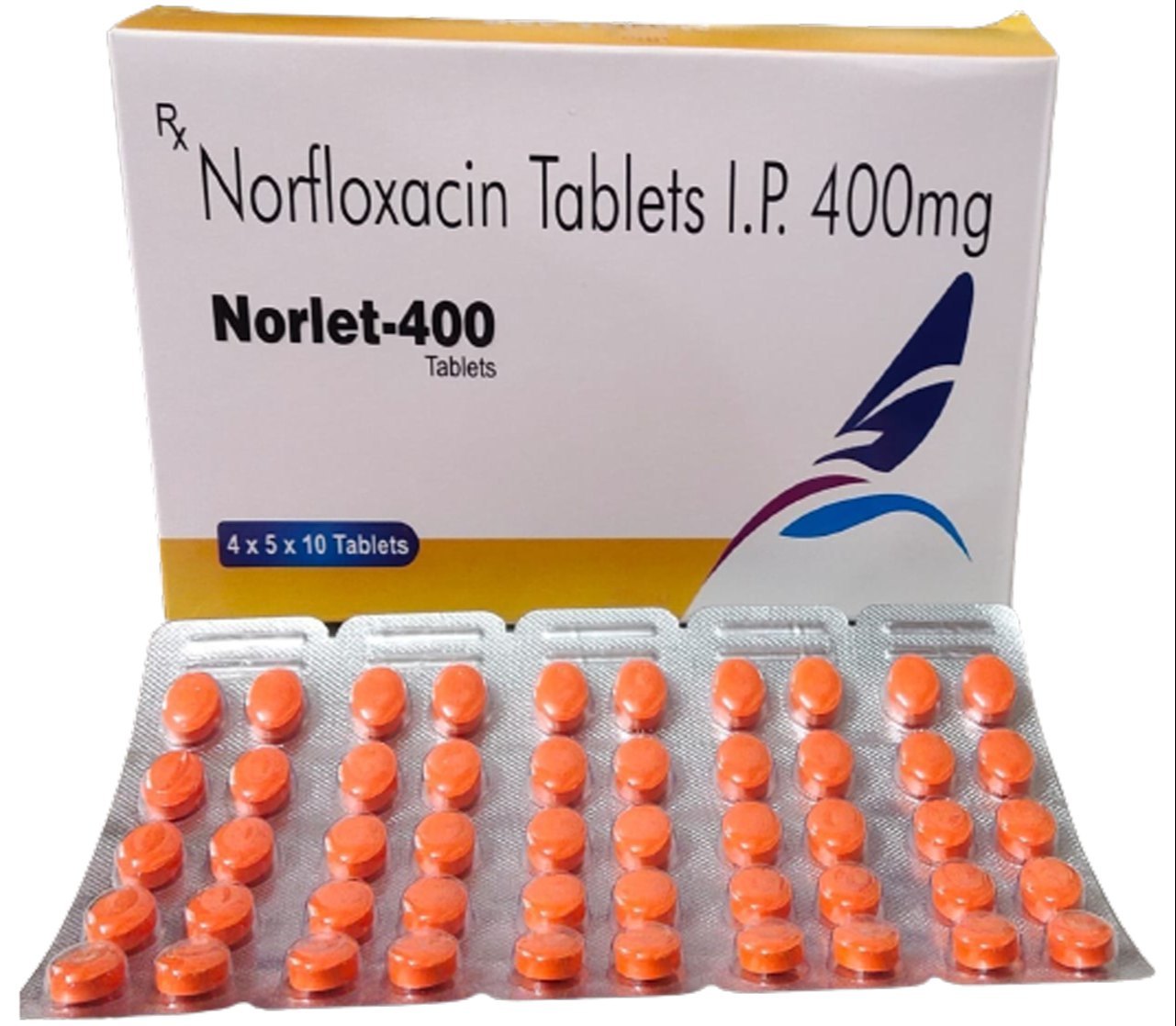
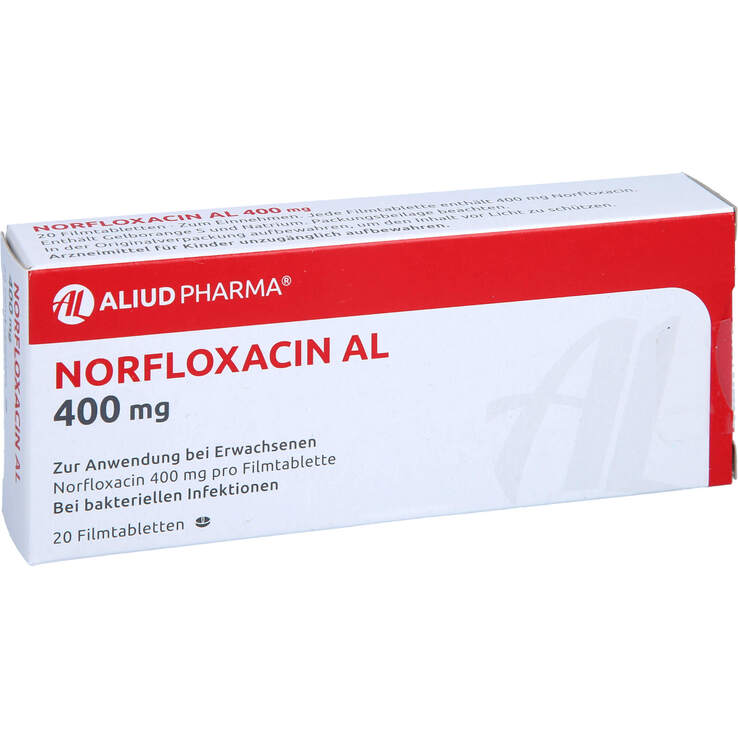
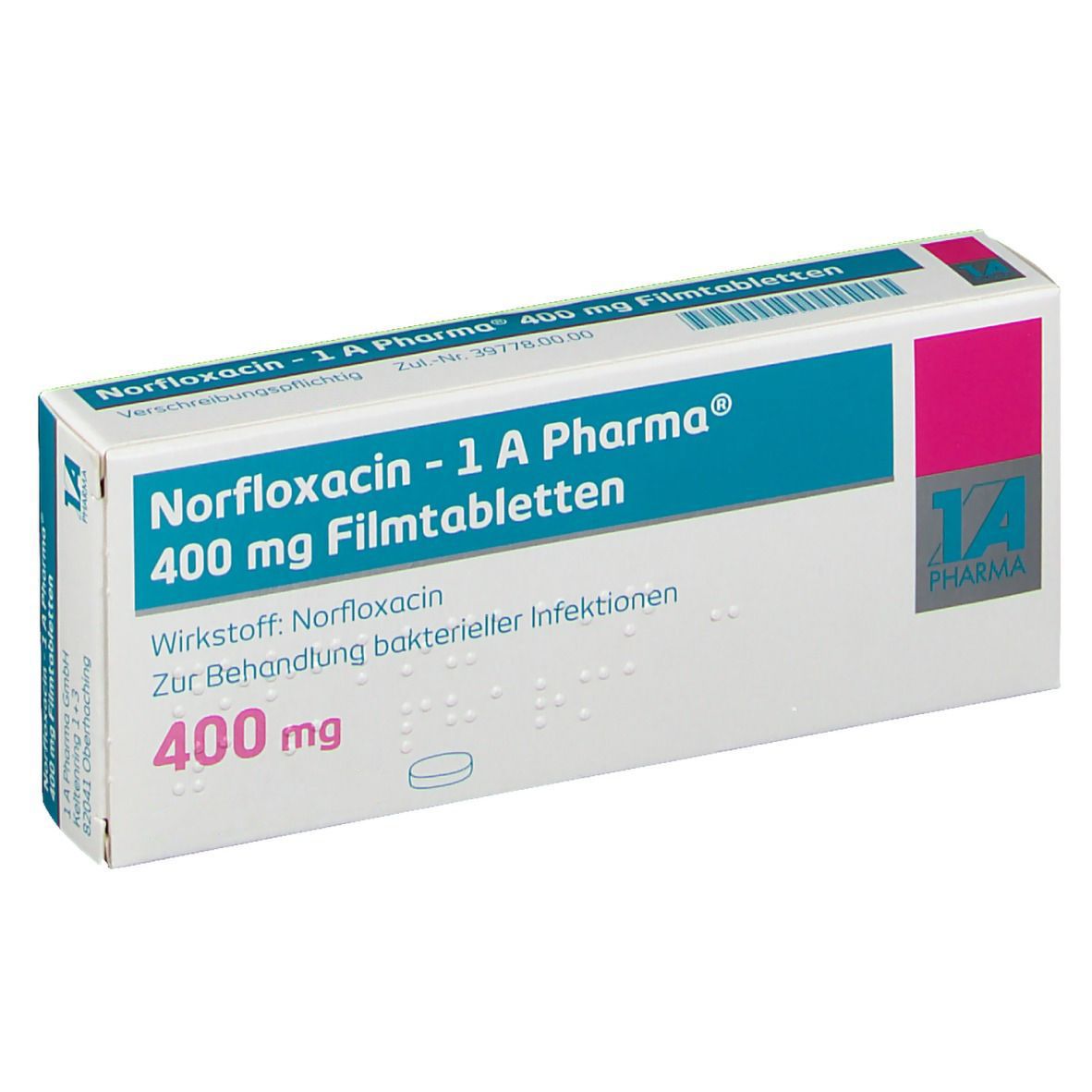


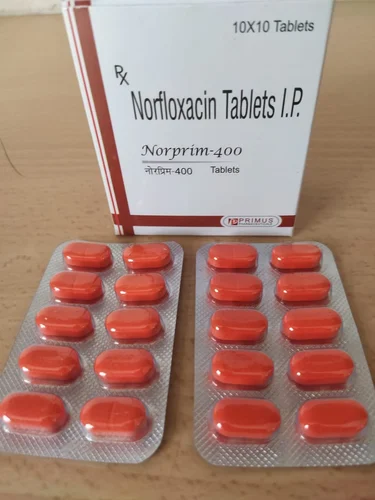



Description
Norfloxacin: A Powerful Antibiotic with Important Considerations
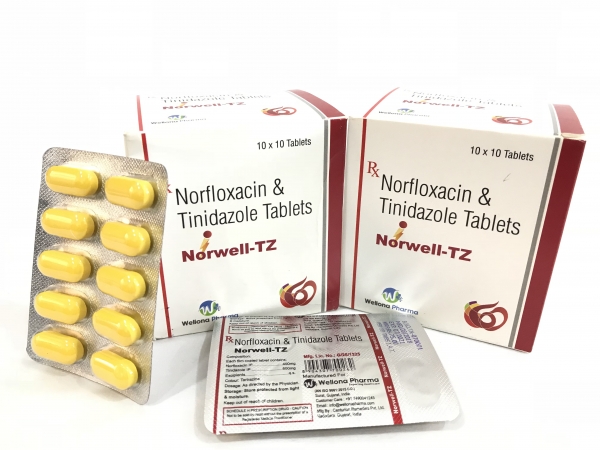
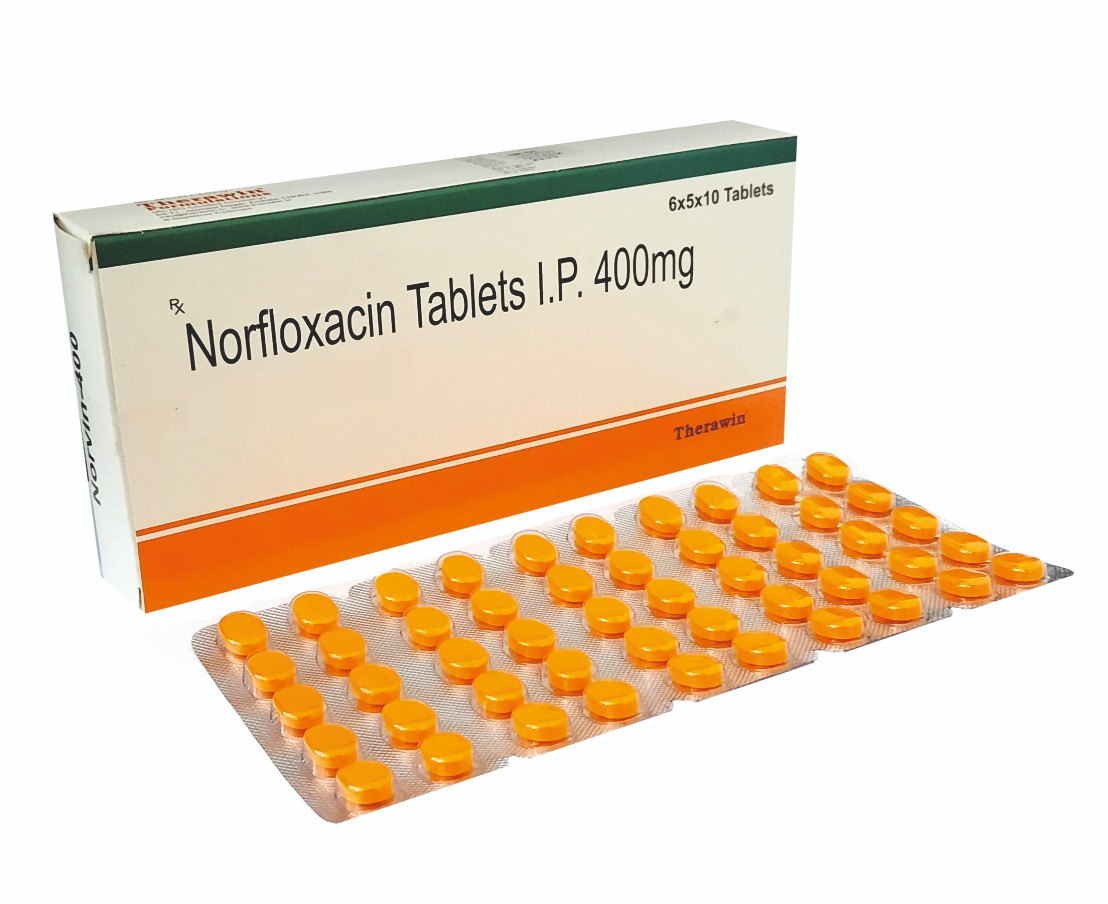
Norfloxacin is a broad-spectrum antibiotic belonging to the fluoroquinolone class of drugs. It’s primarily used to treat a variety of bacterial infections, offering a potent weapon against microorganisms that can cause significant illness. Understanding its uses, benefits, and potential side effects is crucial for both patients and healthcare professionals.
How Norfloxacin Works:
Norfloxacin acts by inhibiting bacterial DNA gyrase and topoisomerase IV, enzymes essential for DNA replication, transcription, and repair in bacteria. By blocking these enzymes, Norfloxacin effectively prevents bacteria from multiplying and ultimately leads to their death. This mechanism of action makes it effective against a wide range of bacteria, including both gram-positive and gram-negative organisms.
Common Uses and Approved Indications:
Norfloxacin is commonly prescribed for the treatment of various infections, including:
- Urinary Tract Infections (UTIs): This is one of the most common uses for Norfloxacin, particularly for uncomplicated UTIs caused by susceptible bacteria.
- Prostatitis: Norfloxacin can be effective in treating bacterial prostatitis, an infection of the prostate gland.
- Sexually Transmitted Infections (STIs): In some cases, Norfloxacin may be used to treat certain STIs, such as gonorrhea, although resistance is becoming an increasing concern.
- Gastroenteritis: It can be used to treat bacterial infections causing diarrhea and other gastrointestinal symptoms.
- Complicated Intra-abdominal Infections: When combined with other antibiotics, Norfloxacin can be used to treat infections within the abdominal cavity.
Important Considerations and Potential Side Effects:
While Norfloxacin is an effective antibiotic, it’s essential to be aware of potential side effects and precautions:
- Side Effects: Common side effects include nausea, vomiting, diarrhea, abdominal pain, and headache. More serious side effects, though less common, can include:
- Tendon Problems: Fluoroquinolones, including Norfloxacin, have been linked to tendon rupture, particularly affecting the Achilles tendon. Patients should immediately report any pain, swelling, or inflammation in a tendon to their doctor.
- Peripheral Neuropathy: Nerve damage resulting in pain, numbness, tingling, or weakness in the extremities.
- Central Nervous System Effects: Dizziness, confusion, anxiety, depression, and rarely, seizures.
- Heart Problems: Rare but serious heart rhythm abnormalities have been reported.
- Photosensitivity: Increased sensitivity to sunlight, leading to sunburn more easily.
- Precautions:
- Allergies: Do not use Norfloxacin if you are allergic to it or other fluoroquinolone antibiotics.
- Pregnancy and Breastfeeding: Norfloxacin is generally not recommended during pregnancy or breastfeeding due to potential risks to the developing fetus or infant.
- Children: Due to the risk of tendon problems, Norfloxacin is typically not prescribed for children unless there are no other suitable alternatives.
- Drug Interactions: Norfloxacin can interact with other medications, including antacids, iron supplements, and certain blood thinners. It’s crucial to inform your doctor about all medications you are taking.
- Renal Impairment: Dosage adjustments may be necessary for patients with kidney problems.
- Antibiotic Resistance: Overuse and misuse of antibiotics, including Norfloxacin, contribute to the development of antibiotic resistance. It’s crucial to use antibiotics only when necessary and as prescribed by a healthcare professional.
Proper Use and Dosage:
Norfloxacin is typically taken orally, with or without food. The dosage and duration of treatment depend on the type and severity of the infection. It’s essential to follow your doctor’s instructions carefully and complete the entire course of treatment, even if you start feeling better, to ensure the infection is completely eradicated and to prevent the development of antibiotic resistance.
Conclusion:
Norfloxacin is a valuable antibiotic for treating a variety of bacterial infections. However, it’s crucial to use it responsibly and be aware of potential side effects and precautions. Always consult with your doctor or pharmacist to determine if Norfloxacin is the right choice for you and to ensure safe and effective use. By understanding its benefits and risks, patients and healthcare providers can work together to utilize Norfloxacin effectively while minimizing potential harm and contributing to the fight against antibiotic resistance.



Reviews
There are no reviews yet.