
Description
N,N-Dimethylacetamide (DMAc): A Versatile Solvent with Diverse Applications
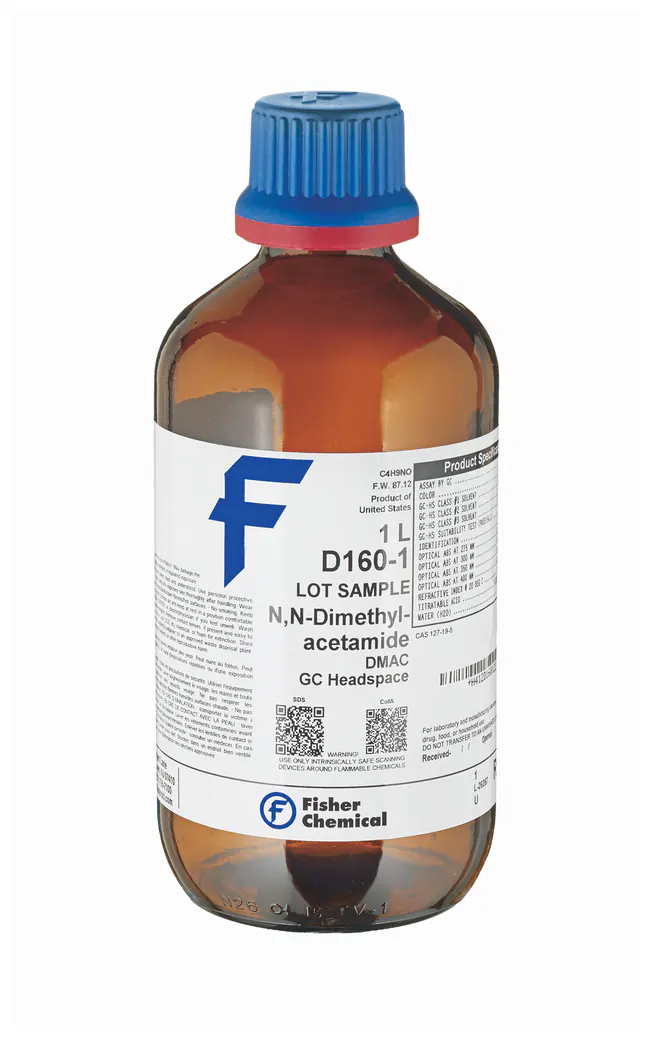
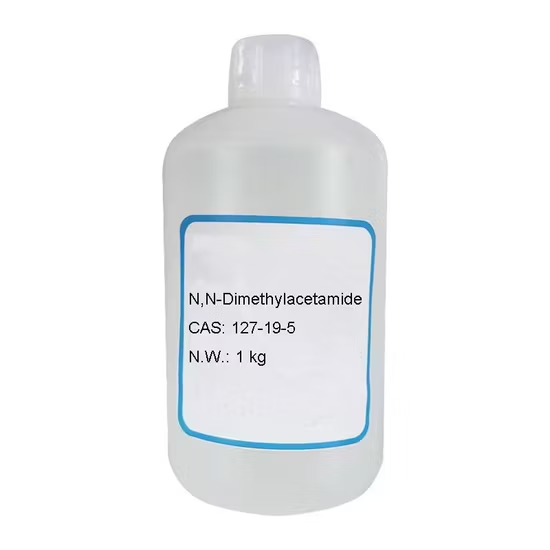
N,N-Dimethylacetamide, commonly known as DMAc, is a powerful and versatile polar aprotic solvent widely used in various industries. Its unique properties, including its high boiling point, excellent solvency, and relative stability, make it indispensable in applications ranging from polymer chemistry to pharmaceutical production. This article delves into the characteristics, uses, and considerations surrounding DMAc.
Understanding DMAc: Properties and Characteristics
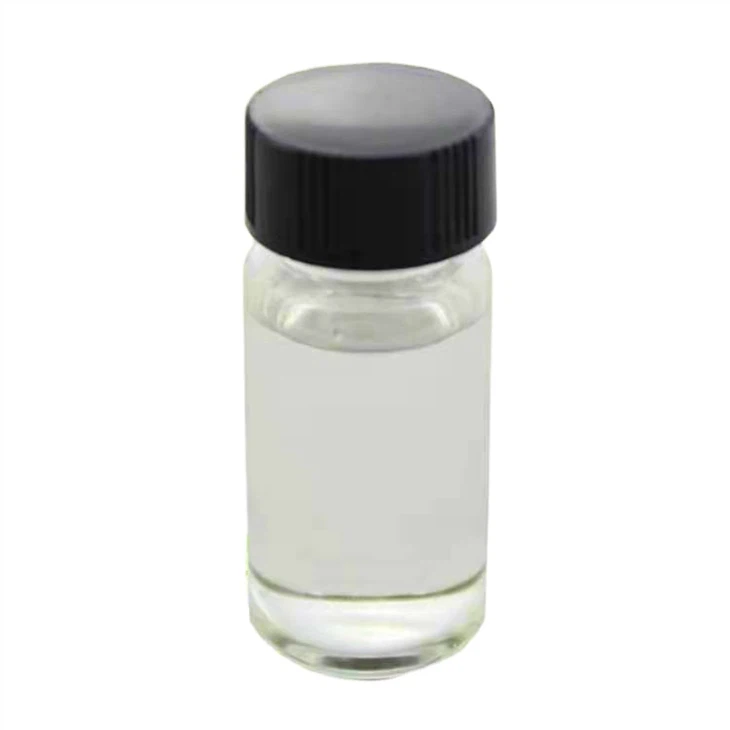
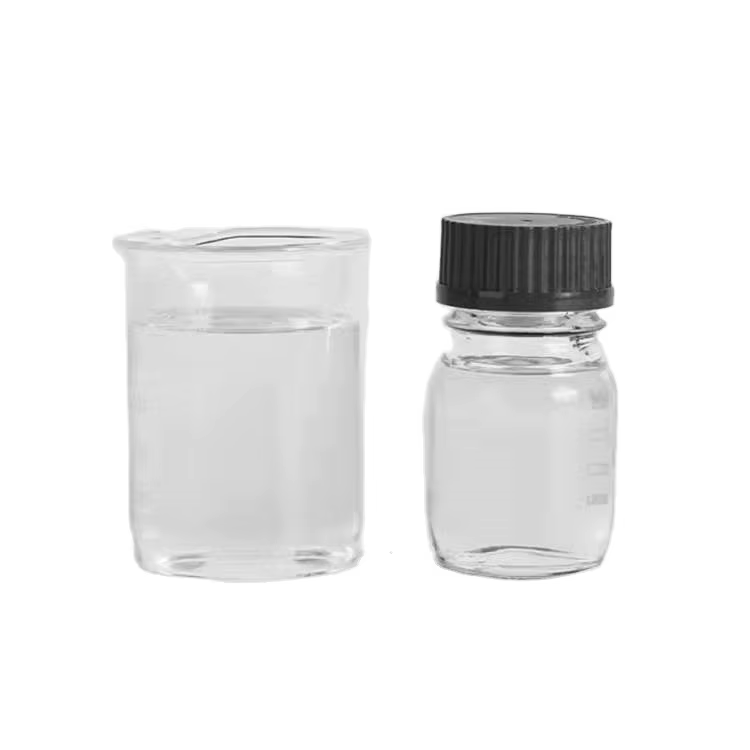
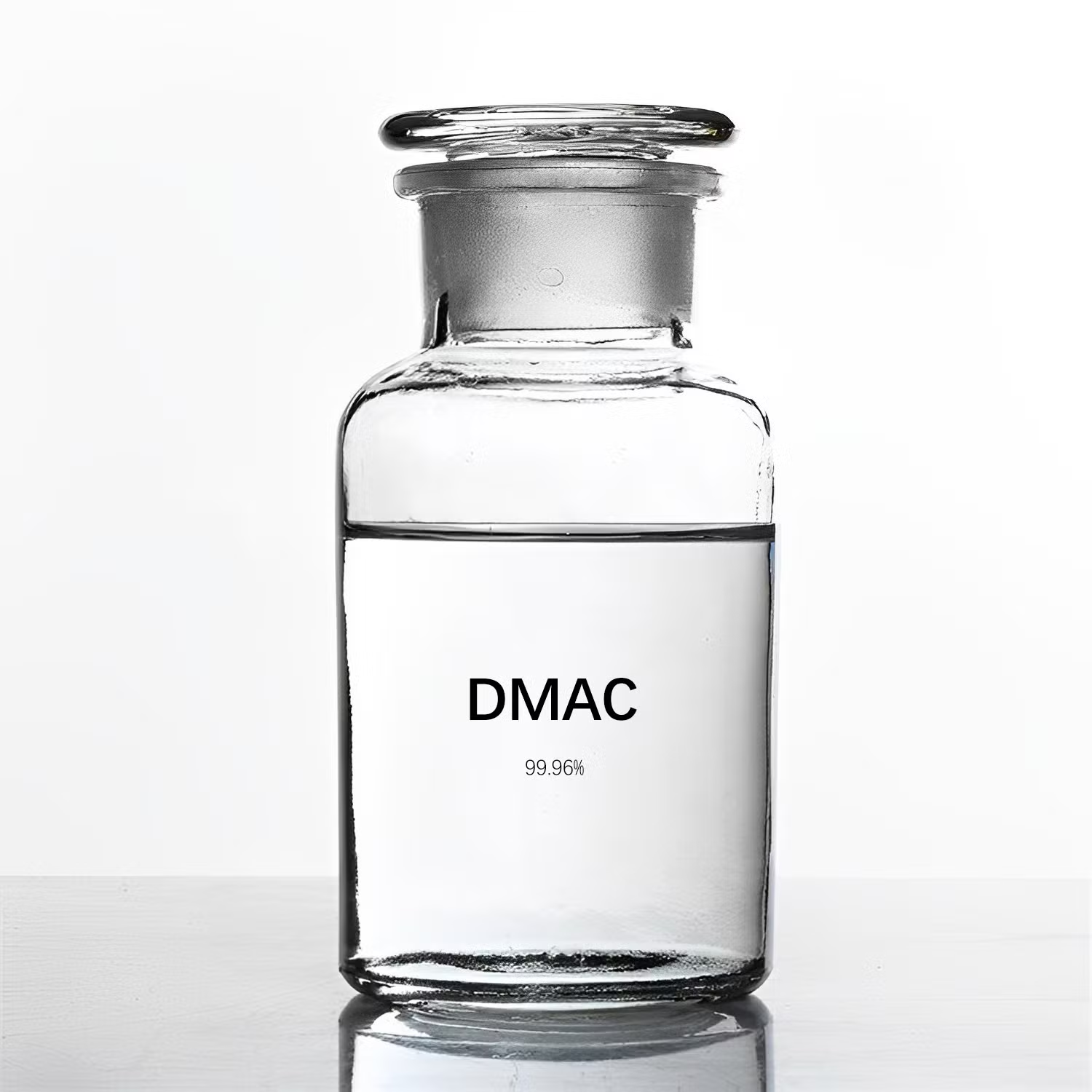
DMAc is an organic compound with the chemical formula CH3CON(CH3)2. It’s a colorless liquid with a faint ammonia-like odor. Key properties contributing to its utility include:
- Polar Aprotic Nature: DMAc’s polarity allows it to dissolve a wide range of compounds, including polar and non-polar substances. Its aprotic nature means it doesn’t readily donate protons, making it suitable for reactions sensitive to protic solvents.
- High Boiling Point: With a boiling point of around 165°C, DMAc is useful in high-temperature reactions and processes.
- High Dielectric Constant: Its high dielectric constant enhances its ability to solvate ions, facilitating reactions involving charged species.
- Miscibility: DMAc is miscible with water and many organic solvents, further broadening its applicability.
- Relatively Stable: DMAc is generally stable under normal conditions, but it can decompose at very high temperatures or in the presence of strong acids or bases.
A Spectrum of Applications
DMAc’s unique combination of properties allows it to be used in a diverse range of applications:
- Polymer Industry: DMAc is a key solvent in the production of polymers like polyacrylonitrile (PAN) for acrylic fibers, polyimides for high-performance materials, and polyurethane coatings. It facilitates the dissolution and processing of these polymers.
- Pharmaceutical Industry: DMAc is used as a solvent in the synthesis of APIs (Active Pharmaceutical Ingredients) and as a formulation aid for certain drugs, particularly those requiring higher solubility.
- Petrochemical Industry: DMAc finds use in gas separation processes, particularly for removing acid gases like hydrogen sulfide (H2S) and carbon dioxide (CO2) from natural gas streams.
- Electronics Industry: DMAc is used as a cleaning agent and etchant in the production of semiconductors and printed circuit boards.
- Textile Industry: It is employed as a solvent for dyes and pigments in textile printing and dyeing processes.
- Chemical Synthesis: As a versatile solvent, DMAc is widely used in various organic reactions, including nucleophilic substitutions, Grignard reactions, and Wittig reactions.
Considerations and Safety Precautions
While DMAc is a valuable solvent, it’s important to be aware of potential hazards and follow safety precautions:
- Toxicity: DMAc can be absorbed through the skin and inhaled. Prolonged or repeated exposure can cause liver and kidney damage. Proper ventilation and protective equipment are crucial.
- Reproductive Toxicity: DMAc has been linked to reproductive effects in some studies. Pregnant women and those planning to become pregnant should exercise extreme caution and avoid exposure.
- Flammability: DMAc is flammable and should be kept away from open flames and ignition sources.
- Waste Disposal: DMAc waste should be disposed of according to local and national regulations. Incineration is a common method of disposal.
Future Trends
Researchers are exploring alternatives to DMAc due to its toxicity concerns. However, its exceptional solvency power and relatively low cost make it difficult to completely replace. Future trends will likely focus on:
- Greener Alternatives: Research into more environmentally friendly solvents with similar properties to DMAc is ongoing. Examples include bio-based solvents and safer alternatives with lower toxicity profiles.
- Optimized Usage: Developing strategies to minimize DMAc usage in processes and improve recovery and recycling methods.
- Improved Safety Measures: Implementing stringent safety protocols and engineering controls to minimize worker exposure and environmental impact.
Conclusion
N,N-Dimethylacetamide (DMAc) remains a vital solvent in a wide array of industries due to its unique combination of properties. While its toxicity and environmental concerns necessitate careful handling and the search for greener alternatives, its versatility ensures its continued importance in various chemical processes and applications. Understanding the properties, uses, and safety considerations associated with DMAc is crucial for ensuring its responsible and effective utilization.

Reviews
There are no reviews yet.