
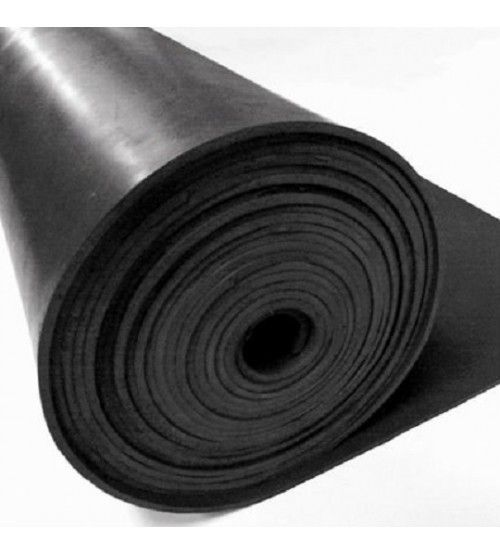
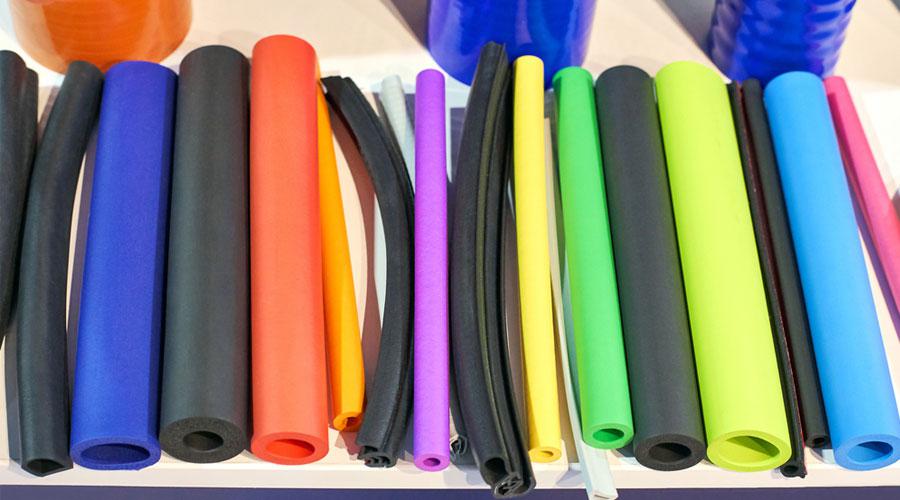
Description
Nitrile rubber, also known as NBR or Buna-N, is a synthetic rubber copolymer of acrylonitrile and butadiene. This versatile polymer offers a wide range of unique properties, making it ideal for numerous industrial and medical applications. In this article, we will explore the history, properties, production, and applications of nitrile rubber.
History of Nitrile Rubber
Nitrile rubber was first developed in the early 20th century as a response to the growing demand for synthetic rubber materials. The first successful synthesis of NBR was achieved by researchers at the IG Farbenindustrie AG in Germany in 1930. By the 1940s, nitrile rubber had gained widespread acceptance due to its superior performance in comparison to natural rubber, particularly in terms of resistance to oil, fuel, and other chemicals.
Properties of Nitrile Rubber
Nitrile rubber exhibits a range of unique properties that make it a preferred choice for various applications:
- Resistance to oils, fuels, and other chemicals: Nitrile rubber has excellent resistance to hydrocarbon-based oils and fuels, making it ideal for applications in the automotive, aerospace, and petrochemical industries.
- Abrasion resistance: Nitrile rubber offers good abrasion resistance, which is essential for applications that involve high levels of wear and tear.
- Resistance to temperature: Nitrile rubber can withstand a wide range of temperatures, typically from -40°C to 107°C (-40°F to 225°F). This makes it suitable for use in both cold and hot environments.
- Resistance to compression set: Nitrile rubber exhibits low compression set, which means it retains its shape and dimensions even after being subjected to compression for extended periods.
- Resistance to weathering: Nitrile rubber is resistant to weathering and ozone, making it suitable for outdoor applications.
Production of Nitrile Rubber
Nitrile rubber is produced through the process of emulsion polymerization. In this process, butadiene and acrylonitrile monomers are mixed with a water-based emulsion containing surfactants and other additives. The mixture is then heated to initiate the polymerization reaction, resulting in the formation of nitrile rubber particles. These particles are then coagulated, washed, and dried to obtain the final product.
Applications of Nitrile Rubber
Nitrile rubber is widely used in various industries due to its unique properties. Some of the most common applications include:
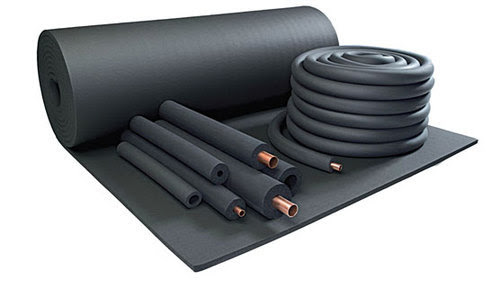
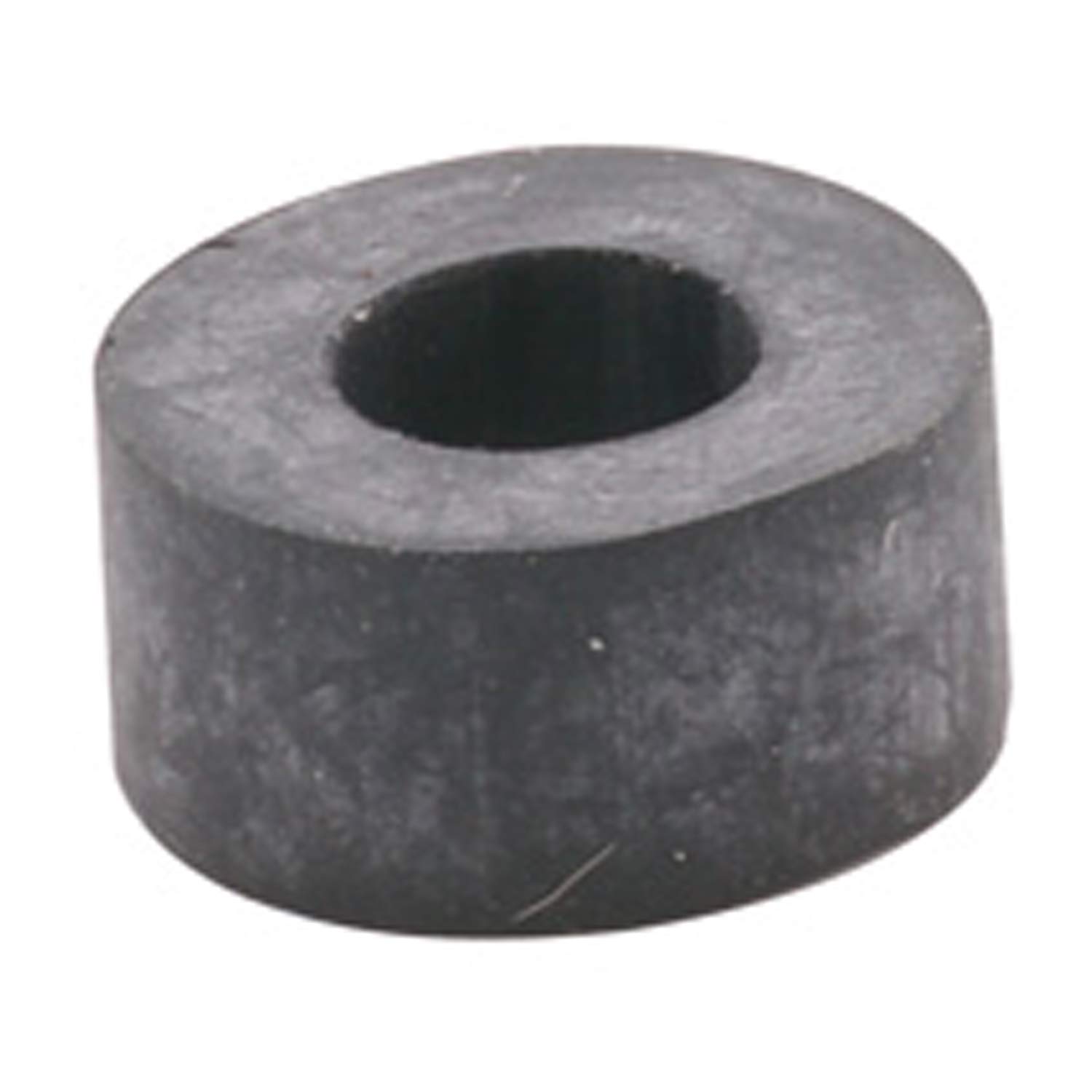
- Automotive industry: Nitrile rubber is used in the production of seals, gaskets, and hoses in automotive engines and transmissions. Its resistance to oils and fuels makes it an ideal choice for these applications.
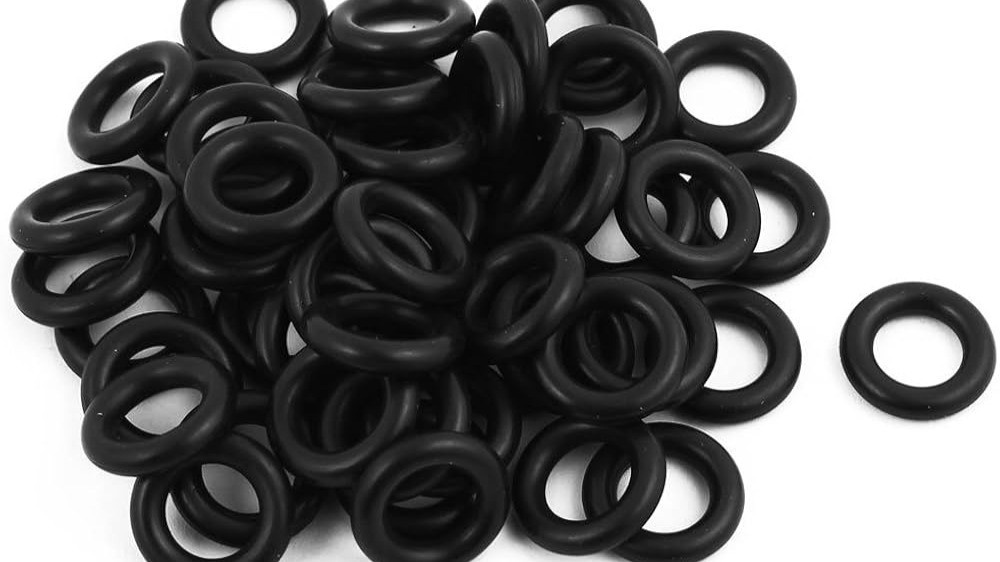
- Aerospace industry: Nitrile rubber is used in the production of seals, gaskets, and O-rings for aircraft engines and other components. Its ability to withstand extreme temperatures and resist compression set makes it suitable for use in this demanding environment.
- Petrochemical industry: Nitrile rubber is used in the production of seals, gaskets, and hoses for equipment used in the petrochemical industry. Its resistance to oil and chemicals makes it an ideal choice for these applications.
- Medical industry: Nitrile rubber is used in the production of medical gloves due to its resistance to chemicals and biological fluids. It is also used in the production of medical tubing and other medical equipment components.
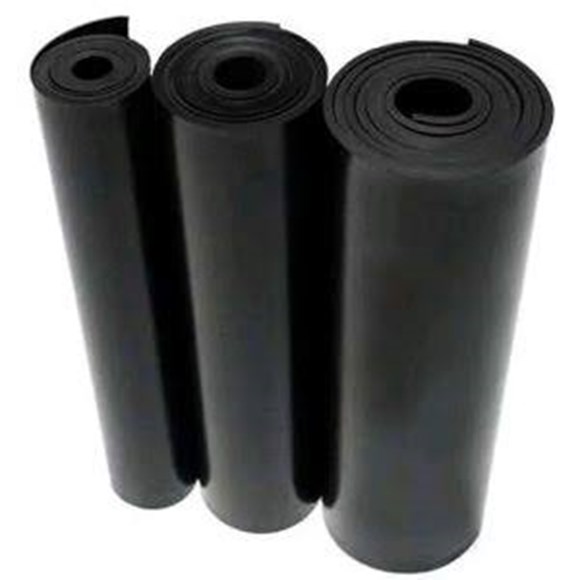
- General industrial applications: Nitrile rubber is used in the production of various industrial products, such as conveyor belts, hoses, and seals, due to its excellent resistance to abrasion and compression set.
Conclusion
Nitrile rubber is a versatile polymer with a wide range of unique properties that make it ideal for numerous industrial and medical applications. Its resistance to oils, fuels, and other chemicals, along with its excellent abrasion resistance, makes it a preferred choice for seals, gaskets, and hoses in various industries. With its ability to withstand a wide range of temperatures and resist compression set, nitrile rubber is sure to remain a popular choice for engineers and manufacturers in the years to come.


Reviews
There are no reviews yet.