
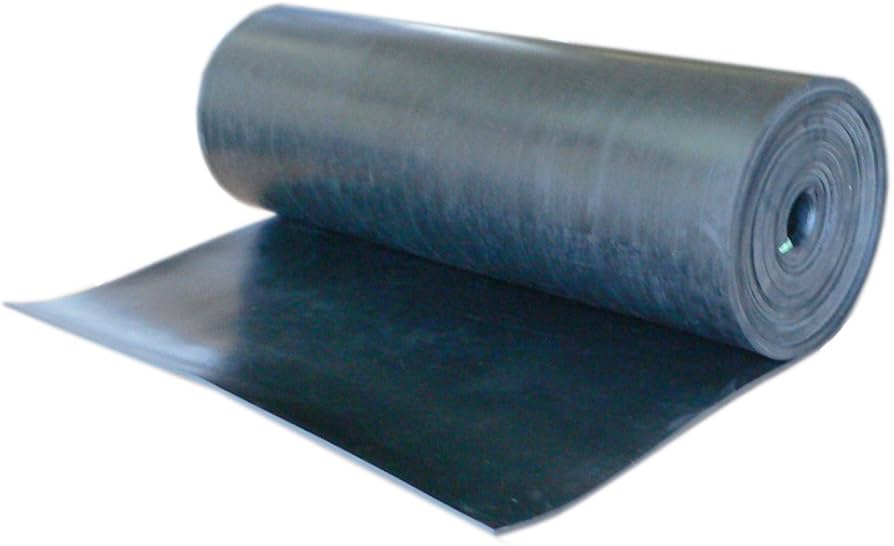
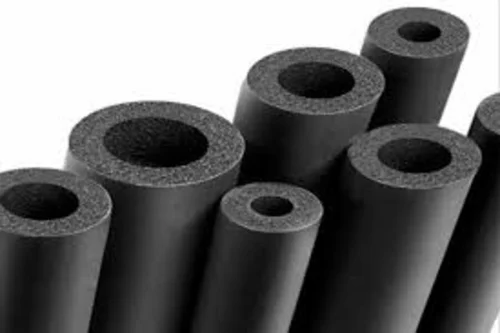
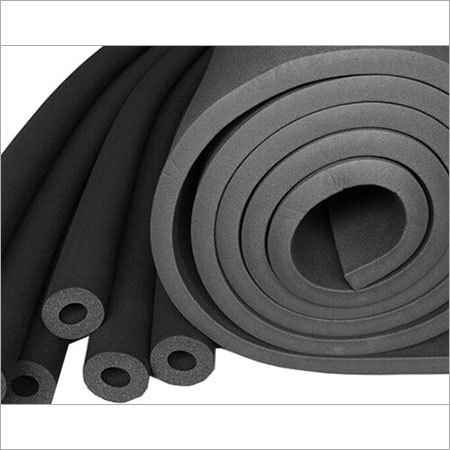
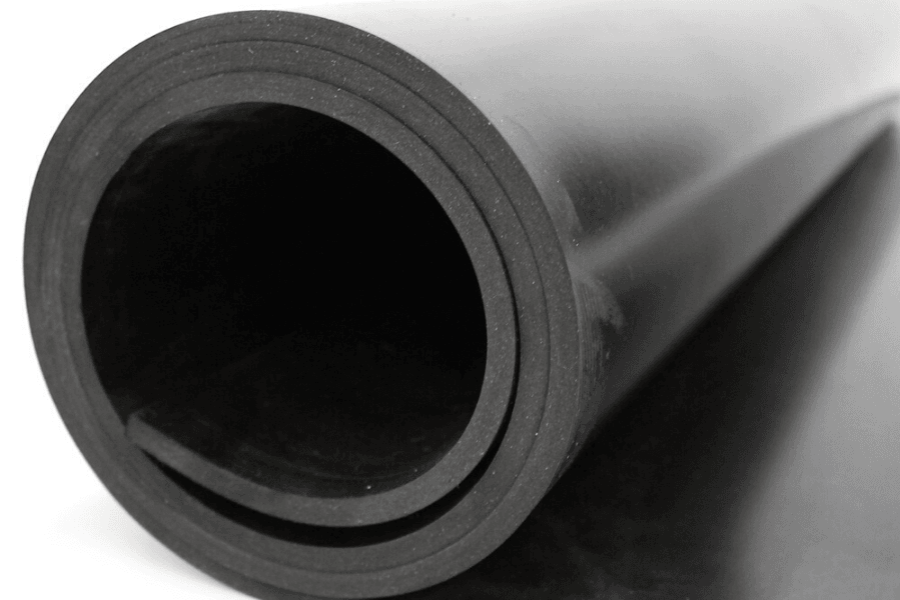
Description
1. What Is Nitrile Rubber?
Nitrile rubber, also known as NBR, Buna‑N, or Acrylonitrile‑Butadiene Rubber, is a synthetic copolymer made by polymerising acrylonitrile (ACN) with butadiene.
| Component | Typical Weight % | Primary Role |
|---|---|---|
| Acrylonitrile (ACN) | 15 % – 50 % | Imparts oil, fuel, and chemical resistance |
| Butadiene | 50 % – 85 % | Provides elasticity, low‑temperature flexibility, and toughness |
The exact ACN content determines the rubber’s final properties—higher ACN = better resistance, lower ACN = better low‑temperature flexibility.
Quick Fact: The name “Buna‑N” stems from the German B (butadiene) + U (synthetic rubber) + N (nitrile). It was first commercialised in the 1930s by German chemist Walter Bock.
2. Why NBR Is a Go‑To Material
| Property | Typical Range (NBR) | Why It Matters |
|---|---|---|
| Oil & Fuel Resistance | Excellent up to 150 °C | Critical for automotive & aerospace seals |
| Tensile Strength | 10 – 30 MPa (depends on formulation) | Handles mechanical stress |
| Elongation at Break | 300 % – 800 % | Stretches without tearing |
| Hardness (Shore A) | 40 – 90 | Tailors hardness for specific applications |
| Temperature Range | –30 °C to +120 °C (standard); up to +150 °C with special grades | Works in harsh environments |
| Compression Set | 20 % – 30 % (good) | Maintains shape under constant load |
These characteristics make NBR an all‑rounder: it can be molded, extruded, or vulcanised using the same processing equipment you’d use for other rubbers.
3. Core Applications (and the Real‑World Products Behind Them)
| Industry | Typical NBR Products | Example Uses |
|---|---|---|
| Automotive | Hoses, O‑rings, fuel lines, brake seals | Fuel‑system durability, anti‑leakage |
| Aerospace | Fuel system seals, hydraulic O‑rings | Resistance to jet fuel & extreme temps |
| Oil & Gas | Pump‑up seals, rotary shaft gaskets | Endurance in crude oil and drilling fluids |
| Industrial | Belting, conveyor rollers, vibration dampers | Heavy‑duty wear & mechanical resilience |
| Consumer Goods | Disposable gloves, kitchenware, rollers | Food‑grade NBR (low ACN) meets FDA/EU standards |
| Medical | Gloves, catheter tubing (low‑extractable grades) | Barrier protection & biocompatibility |
| Electrical | Cable jackets, insulating grommets | Oil‑resistant, low dielectric loss |
| Footwear | Soles, midsoles (especially work boots) | Slip‑resistance, oil‑proofing |
Pro Tip: If you’ve ever worn a pair of work boots that didn’t get ruined by gasoline spills, you were probably benefiting from NBR‑based soles.
4. How NBR Stacks Up Against Competing Elastomers
| Feature | NBR | EPDM (ethylene‑propylene‑diene) | Silicone (VMQ) | Neoprene (CR) |
|---|---|---|---|---|
| Oil/Fuel Resistance | ★★★★★ | ★☆☆☆☆ | ★★★☆☆ (good for light oils) | ★★☆☆☆ |
| High‑Temp Capability | ★★★★☆ (up to 150 °C) | ★★★★★ (up to 200 °C) | ★★★★★ (up to 250 °C) | ★★★☆☆ |
| Cold‑Flexibility | ★★☆☆☆ (‑30 °C) | ★★★★★ (‑50 °C) | ★★★★★ (‑60 °C) | ★★★☆☆ |
| Compression Set | ★★★☆☆ | ★★★★★ | ★★★★☆ | ★★☆☆☆ |
| Cost | ★★★★★ (very affordable) | ★★★★☆ | ★★☆☆☆ (expensive) | ★★★★☆ |
| Ease of Processing | ★★★★★ (standard rubber machinery) | ★★★★★ | ★★★☆☆ (requires special cure systems) | ★★★★★ |
Bottom line: NBR wins when oil/fuel resistance and cost are top priorities; it’s the “middle‑ground” rubber that’s good enough at many other properties while staying cheap.
5. Formulating NBR: The Ingredients Behind the Performance
| Ingredient | Typical Loading | Function |
|---|---|---|
| Curing Agent (Sulfur) | 1 % – 2 % | Cross‑links polymer chains for elasticity |
| Accelerators (e.g., TBBS, TMTD) | 0.5 % – 1.5 % | Speeds up vulcanisation, fine‑tunes speed & scorch safety |
| Carbon Black | 20 % – 60 % | Reinforces, improves tensile strength & abrasion resistance |
| Plasticisers (e.g., para‑phenylenediamine, mineral oil) | 5 % – 15 % | Lowers glass transition temperature, boosts low‑temp flexibility |
| Antioxidants & Antiozonants | 1 % – 3 % | Inhibit oxidative degradation, extend service life |
| Fillers (CaCO₃, silica, mica) | 0 % – 40 % | Adjust hardness, improve heat dissipation, reduce cost |
The exact recipe is a balancing act—too much carbon black makes the rubber stiff, too little reduces oil resistance. Modern compounding software (e.g., Lifecore or P. Patents tools) helps engineers hit the sweet spot in minutes.
6. Processing NBR: From Raw Latex to Finished Part
| Step | Typical Conditions | Key Tips |
|---|---|---|
| Mixing (Internal Mixer/Two‑Roll Mill) | 140 °C–160 °C, 60 rpm, 150 kg·m⁻³ shear | Keep ACN content low enough to avoid volatile emissions |
| Sheeting / Calendering | 180 °C–200 °C | Uniform thickness helps later extrusion |
| Forming (Extrusion, Injection Moulding, Compression Moulding) | 150 °C–180 °C, pressure 100 – 200 bar | NBR’s low scorch time demands precise temperature control |
| Vulcanisation (Curing) | 150 °C–170 °C, 5 – 20 min (depends on thickness) | Use a cure clock to avoid under‑ or over‑curing |
| Post‑Cure (Optional) | 120 °C–140 °C, 2 h | Improves heat stability for high‑temp grades |
Safety Note: Acrylonitrile is a hazardous monomer—ensure proper ventilation and personal protective equipment (PPE) during compounding.
7. Health, Safety & Environmental Considerations
| Issue | Impact | Mitigation |
|---|---|---|
| Acrylonitrile Residue | Potential carcinogen if not fully polymerised | Use high‑purity monomers, thorough curing, and regular off‑gas monitoring |
| Carbon Black Dust | Respiratory irritation | Implement dust extraction and PPE |
| End‑of‑Life | Not biodegradable | Recycle scrap in devulcanisation plants or incorporate into rubber-modified asphalt |
| Regulatory Compliance | FDA 21 CFR 177.2600 for food‑contact; EU REACH | Select low‑extractable NBR grades, certify with third‑party labs |
The good news: NBR is recyclable in a closed‑loop system (e.g., grinding scrap into “crumb rubber” for new compounds). Emerging bio‑based butadiene from renewable feedstocks is also making its way into NBR, further reducing carbon footprint.
8. Emerging Trends & Future Outlook
- High‑ACN, Low‑Temperature Grades – New catalyst systems let manufacturers push ACN up to 50 % while retaining flexibility down to –50 °C, opening doors for electric‑vehicle (EV) coolant seals.
- Nanofiller Reinforcement – Incorporating silica nanoparticles or graphene oxide dramatically boosts tear strength without sacrificing oil resistance, useful for deep‑sea drilling components.
- Bio‑Based NBR – Companies like Eastman and Kuraray are testing bio‑butadiene derived from sugarcane. Early results show comparable performance with a 30 % reduction in greenhouse‑gas emissions.
- Additive‑Free Food‑Grade NBR – Consumer demand for “clean‑label” materials is prompting a wave of low‑extractable, peroxide‑cured nitrile formulations for food‑processing equipment.
- Smart NBR Sensors – Embedding conductive carbon black networks enables strain‑sensing rubber that can monitor pressure in pipelines in real time.
9. Frequently Asked Questions
| Q | A |
|---|---|
| Is NBR safe for medical gloves? | Yes, when formulated with low‑ACN (≤ 18 %) and processed under strict FDA‑compliant conditions. |
| Can NBR be used in high‑temperature steam applications? | Standard NBR tops out at ~120 °C. For steam (> 150 °C), consider hydrogenated NBR (HNBR) or silicone. |
| What is the difference between NBR and HNBR? | HNBR is NBR that has been hydrogenated, reducing unsaturation, which greatly improves heat, ozone, and oxidative resistance. |
| How do you test oil resistance? | ASTM D1434 (oil swelling) and ASTM D471 (immersion in petroleum). |
| Is NBR flame‑retardant? | Not inherently. Add halogenated flame retardants or intumescent systems if needed. |
| Can I mix NBR with other rubbers? | Yes. Common blends include NBR/EPDM, NBR/SBR, or NBR/HNBR to tailor a mix of properties. |
10. Quick Cheat Sheet: Selecting the Right NBR Grade
| Application | Recommended ACN % | Typical Additives |
|---|---|---|
| Fuel System Hoses (Automotive) | 33 % – 38 % | High carbon black, antioxidant, sulfur cure |
| Food‑Contact Gloves | ≤ 18 % | Low‑extractables, peroxide cure, calcium carbonate filler |
| Oil‑Field Seals | 40 % – 45 % | High carbon black, high‑temperature accelerator |
| Cold‑Weather O‑rings | 15 % – 20 % | Plasticiser (mineral oil), low carbon black |
| High‑Temp HNBR Upgrade | 30 % – 35 % (then hydrogenated) | Hydrogenation catalyst, silica filler |
11. Bottom Line: NBR’s Enduring Value
Nitrile rubber may not have the flashiness of silicone or the ultra‑low‑temperature performance of EPDM, but its balanced mix of oil resistance, tensile strength, and cost‑effectiveness keeps it at the core of countless industrial and consumer products. As sustainability pressures mount, innovations like bio‑based feedstocks and high‑performance nanofillers will keep NBR relevant for the next decade and beyond.


Reviews
There are no reviews yet.