



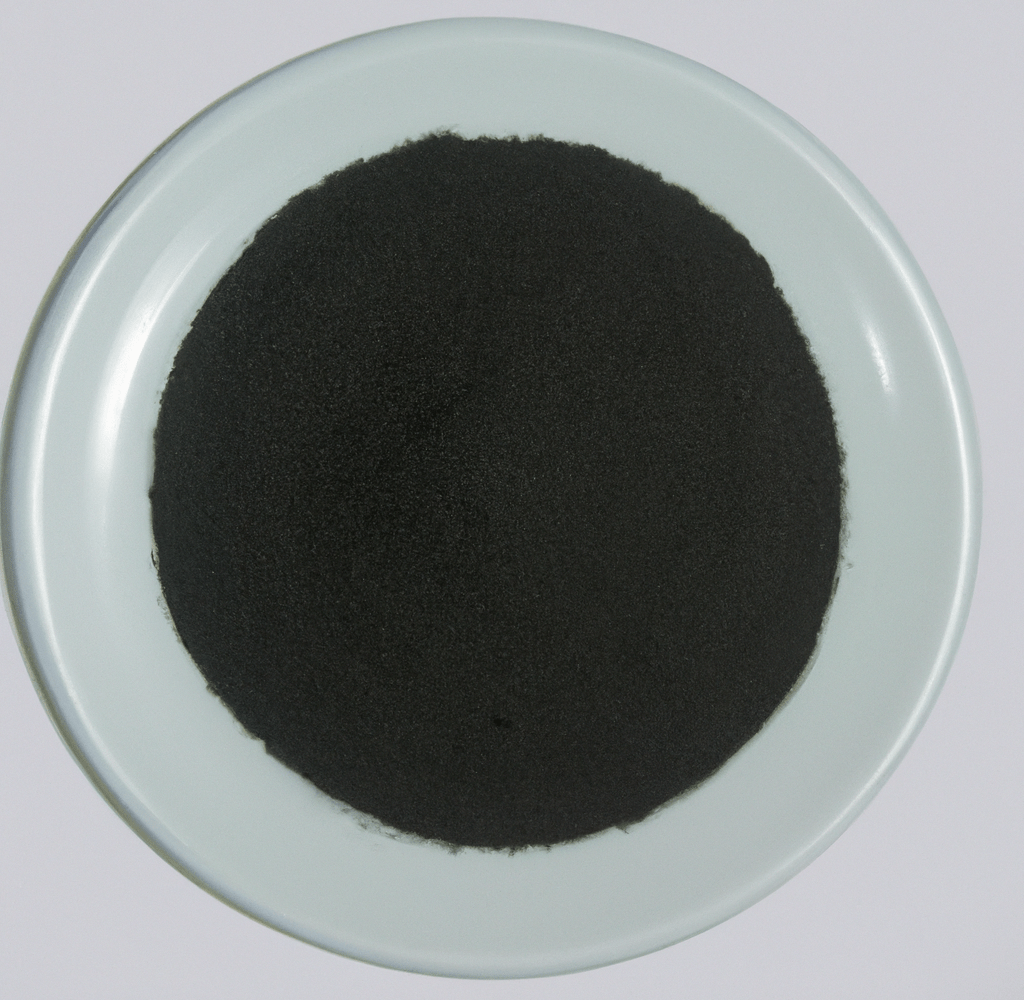
Description
Ni(CO)4 — Nickel Tetracarbonyl
Nickel tetracarbonyl, Ni(CO)4, is a well-known organometallic complex that plays a historic role in nickel chemistry. Below is a concise, structured overview.
Quick summary
- Formula: Ni(CO)4
- Oxidation state of Ni: 0
- Geometry: Tetrahedral around Ni
- Electron count: 18 valence electrons (Ni d10 + 4 CO ligands, each 2 electrons)
- Phase at room temperature: Highly volatile, effectively a gas; boiling point about -43 °C
- Solubility: Soluble in nonpolar organic solvents; not soluble in water
- Key hazard: Extremely toxic; volatile carbonyl compound that can release CO; handle only in proper fume hoods with appropriate safety measures
Structure and electronic description
- Ni is in a zero oxidation state coordinated by four carbon monoxide ligands.
- The four Ni–CO interactions give Ni(CO)4 a Td (tetrahedral) geometry.
- Each CO is a two-electron donor ligand; overall, the complex satisfies the 18-electron rule, contributing to its stability in certain conditions.
- The complex is a classic example of a metal carbonyl where back-donation from Ni to CO strengthens the Ni–CO bonds and leads to characteristic infrared CO stretches.
Physical properties
- Boiling point: approximately -43 °C (Ni(CO)4 is a gas at room temperature; it condenses to a liquid only well below this temperature)
- Color: colorless
- Odor: generally not described as having a pleasant odor; this compound is highly toxic
- Solubility: dissolves in organic solvents; immiscible with water
Chemical behavior and uses
- Ligand substitution: Ni(CO)4 can undergo ligand exchange, for example releasing CO to form nickel(0) phosphine complexes (Ni(PPh3)4, etc.). This makes Ni(CO)4 a convenient source of Ni(0) species in synthesis.
- Historical and industrial relevance:
- It was central to older processes for nickel purification and refining.
- In the Mond process, NiO is converted to Ni(CO)4 gas and then decomposed to deposit nickel metal, enabling high-purity nickel production.
- Common applications (conceptual): precursor to Ni catalysts, particularly after replacing CO ligands with phosphines or other donors; used in organometallic synthesis and catalysis research.
Safety and handling
- Ni(CO)4 is extremely toxic. Inhalation can be life-threatening due to the toxic properties of both nickel compounds and released CO.
- It is volatile and can form toxic gas mixtures; always handle in a well-ventilated fume hood with appropriate gas detection and protective equipment.
- Decomposition or photolysis can release Ni metal and CO; avoid exposure to light and heat that might promote decomposition.
- This substance is generally handled only by trained professionals in properly equipped laboratories.
Historical note
- Ni(CO)4 is often cited in classic organometallic chemistry because of its role in the discovery of metal carbonyl chemistry and its part in the development of industrial nickel refining processes.
Key takeaways
- Ni(CO)4 is a volatile, colorless Ni(0) complex with four CO ligands and a tetrahedral geometry.
- It embodies 18-electron stability but is also highly toxic and hazardous to handle.
- It serves as a precursor to Ni(0) catalysts and played a major role in historical nickel purification methods, notably the Mond process.


Reviews
There are no reviews yet.