
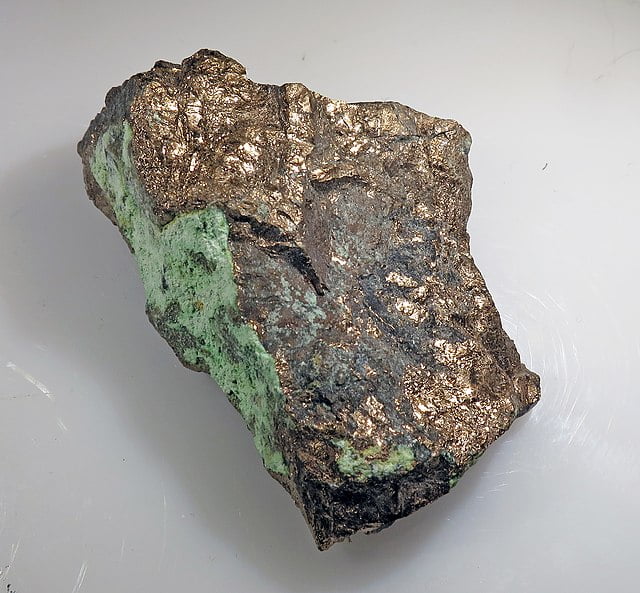
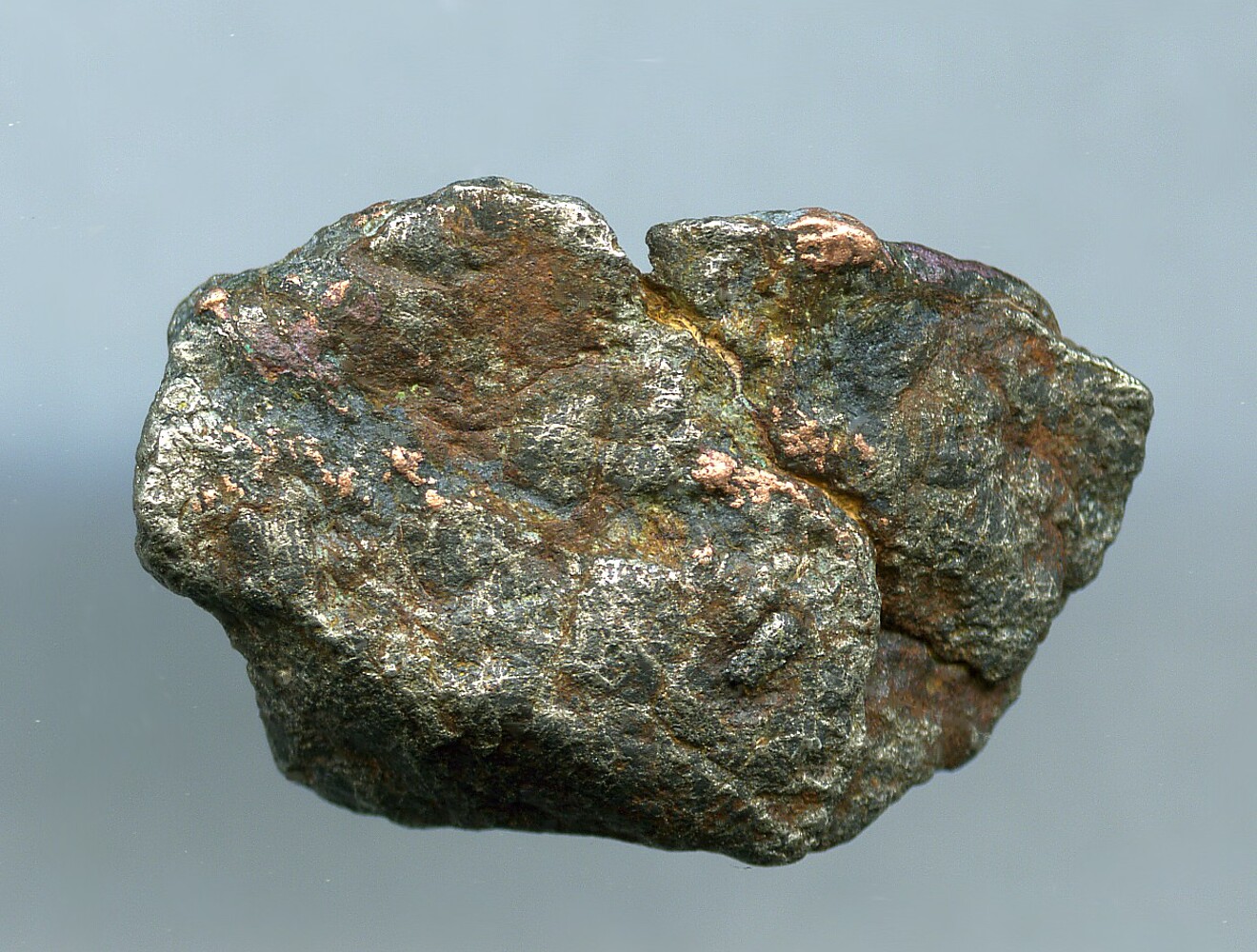
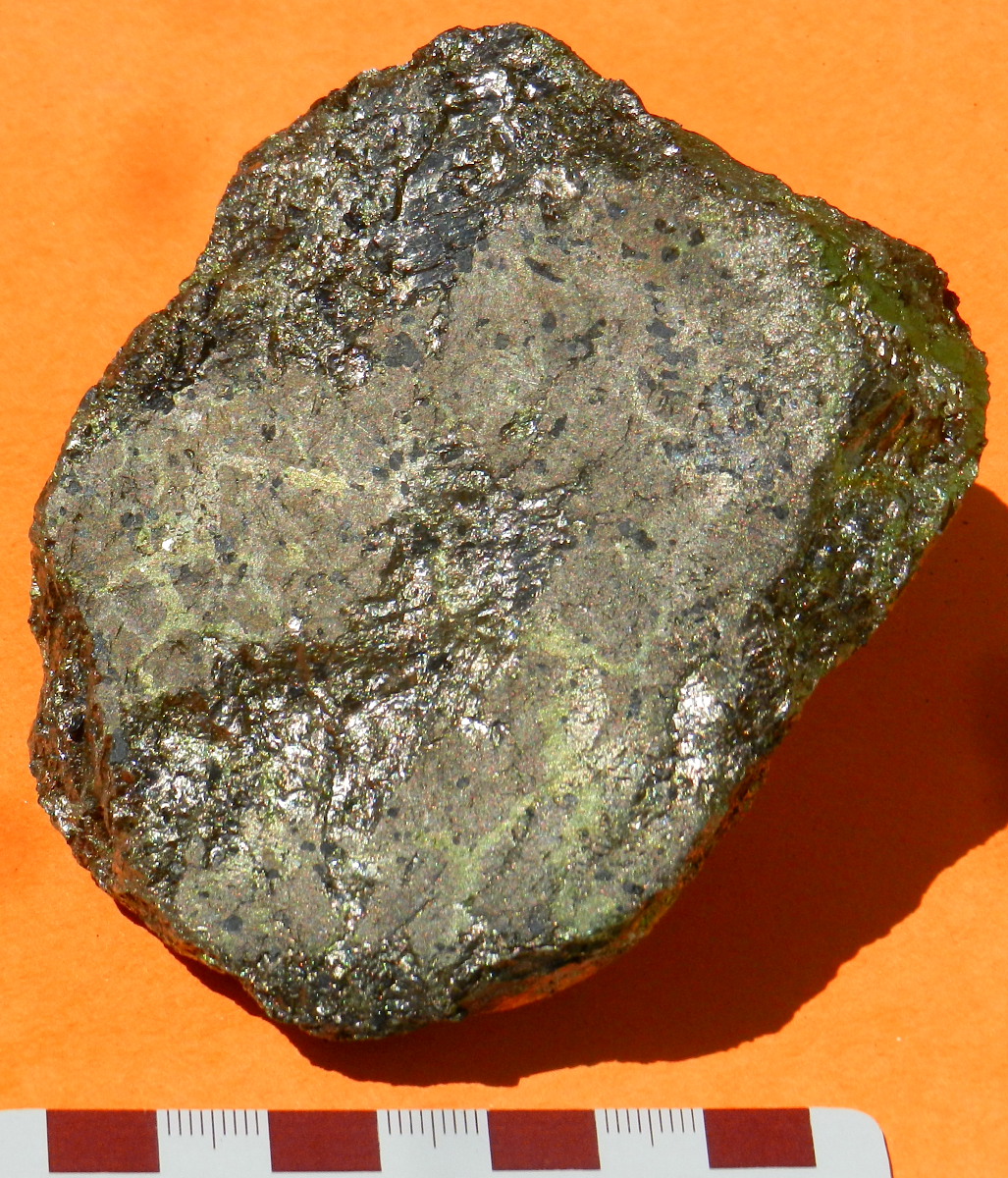
Description
1. Product Overview
Nickel-Bearing Residues are secondary industrial materials generated from refining, smelting, electroplating, catalyst processing, and petrochemical operations that contain recoverable nickel content. These residues serve as an alternative feedstock for metal recovery and secondary metallurgical processing. Their primary industrial use is in nickel reclamation through hydrometallurgical or pyrometallurgical extraction systems. The key value proposition lies in providing cost-efficient nickel units while reducing reliance on primary mined concentrates. Strategically, nickel-bearing residues are an increasingly important resource stream in a global market driven by stainless steel production, alloy manufacturing, and battery material demand.
2. Key Specifications & Technical Characteristics
- Chemical Composition:
- Nickel (Ni) content – variable concentration (batch-specific assay)
- Iron (Fe), cobalt (Co), copper (Cu) – possible trace metals
- Silica, alumina, or oxide matrix (source-dependent)
- Residual carbon or sulfur content (in refinery-origin residues)
- Purity Level / Grade:
- Industrial residue grade
- Nickel concentration varies depending on origin
- Full metal assay report available per shipment
- Physical Characteristics:
- Solid form: powder, sludge, granules, or filter cake
- Color: Grey, black, or dark brown
- Moisture content: Variable (dry or semi-moist depending on source)
- Bulk density: Source-dependent
- May require controlled handling based on metal and contaminant profile
- Packaging Options:
- Jumbo bulk bags (1 MT)
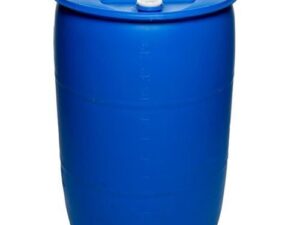
- Sealed steel drums
- Bulk loose loading in 20’ containers
- Moisture-protected liner packaging available
- Shelf Life:
- Indefinite for metal recovery purposes when stored in dry, covered conditions
- Moisture control recommended to maintain assay consistency
3. Core Industrial Applications
Primary Industries:
- Nickel smelters and refiners
- Stainless steel manufacturers
- Alloy producers
- Battery precursor material processors
- Hydrometallurgical and pyrometallurgical recovery facilities
Operational Use Cases:
- Feedstock for nickel extraction and refining processes
- Blending material for smelting operations
- Recovery of nickel units for stainless steel production
- Secondary input for alloy and specialty metal manufacturing
- Integration into metal recycling streams
Performance & Cost Advantages:
Nickel-Bearing Residues provide a lower-cost nickel unit source compared to primary mined ore or concentrate. Their concentrated metal content enhances recovery economics and reduces upstream raw material acquisition costs. For qualified processors, these residues offer predictable assay values and attractive margin potential when integrated into established metallurgical recovery systems.
4. Competitive Advantages
- Quality Consistency: Batch sampling and certified nickel assay documentation
- Supply Reliability: Continuous generation from established industrial sources
- Logistics Capability: Bulk export handling with compliant packaging solutions
- Price Competitiveness: Discounted pricing relative to primary nickel concentrates
- Sustainability Benefits: Supports circular metal economy and reduces industrial waste disposal
- Technical Documentation: Assay reports, SDS, and transport documentation available
Positioned as a strategic secondary nickel resource, Nickel-Bearing Residues enable industrial buyers to optimize metal sourcing costs, enhance supply security, and strengthen environmental performance within global metal value chains.
5. Commercial & Supply Information
- Minimum Order Quantity (MOQ): BULK 20MT
- Loading Capacity (MT per container): Approximately 20–25 MT per 20’ container (subject to moisture content and packaging format)


Reviews
There are no reviews yet.