



Description
1. Product Overview
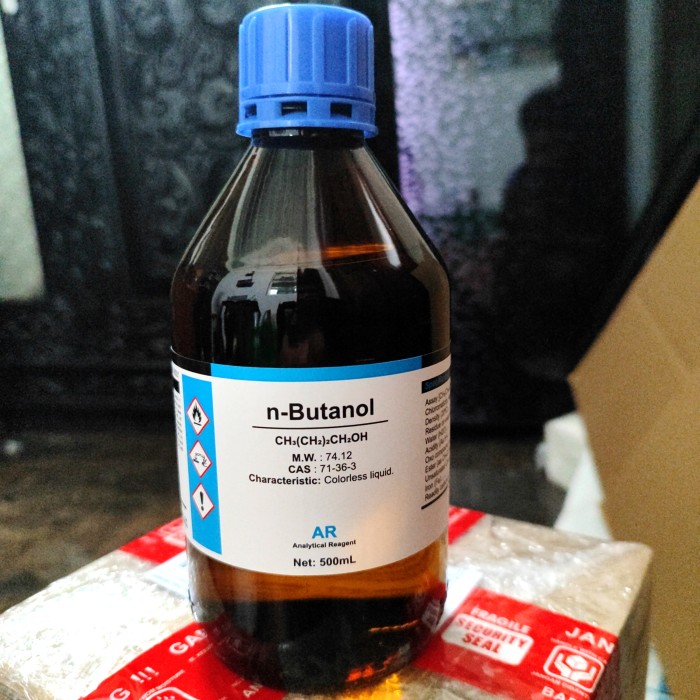
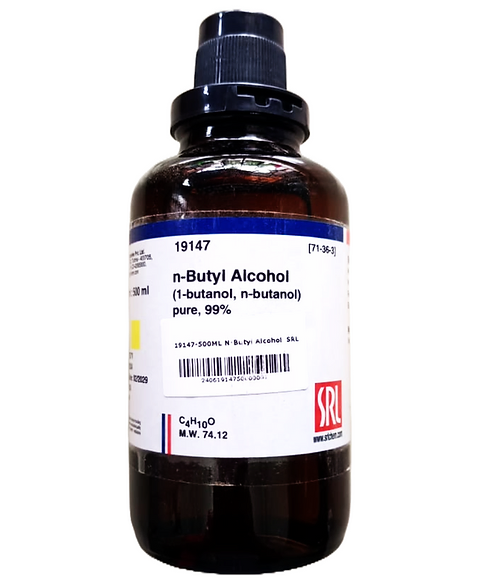
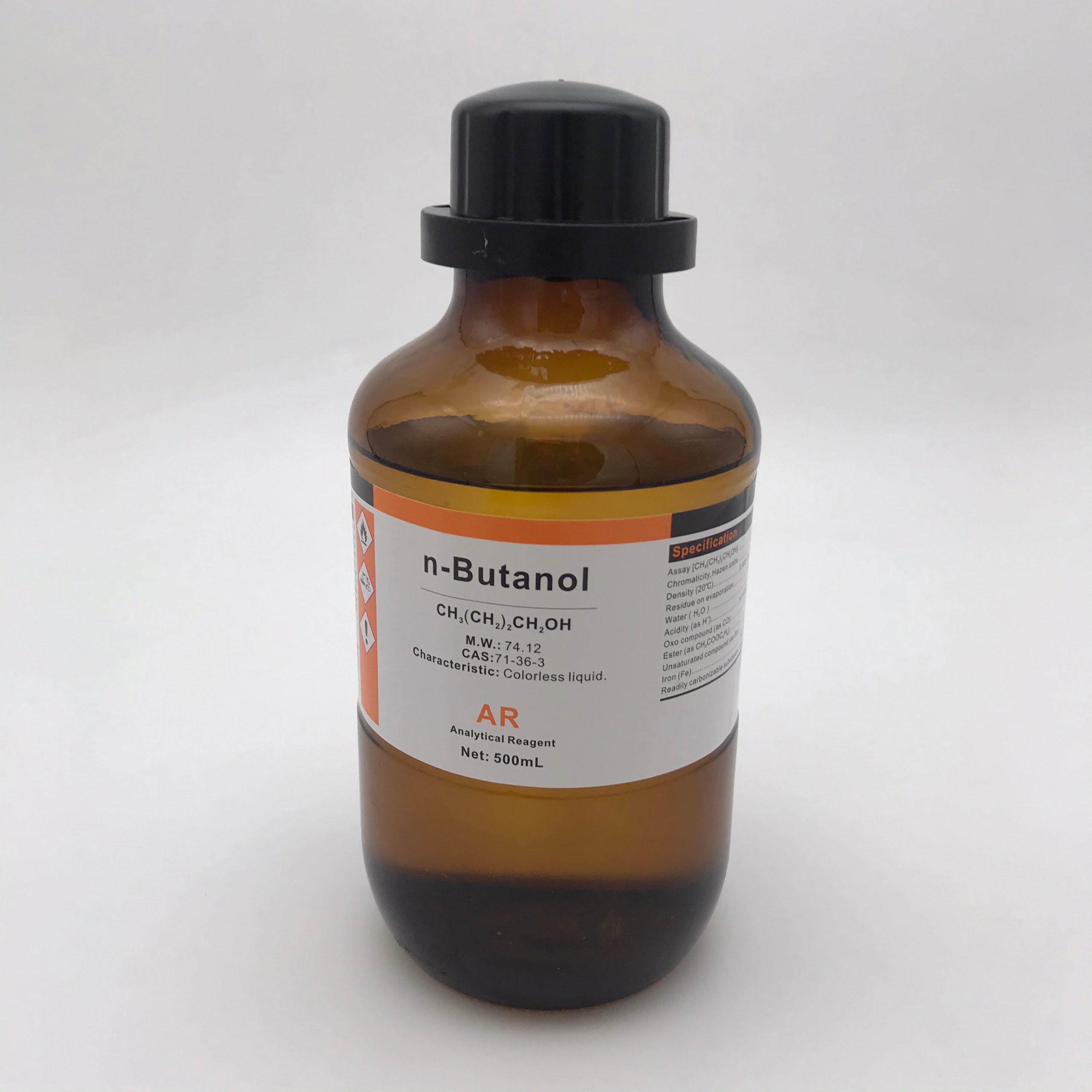
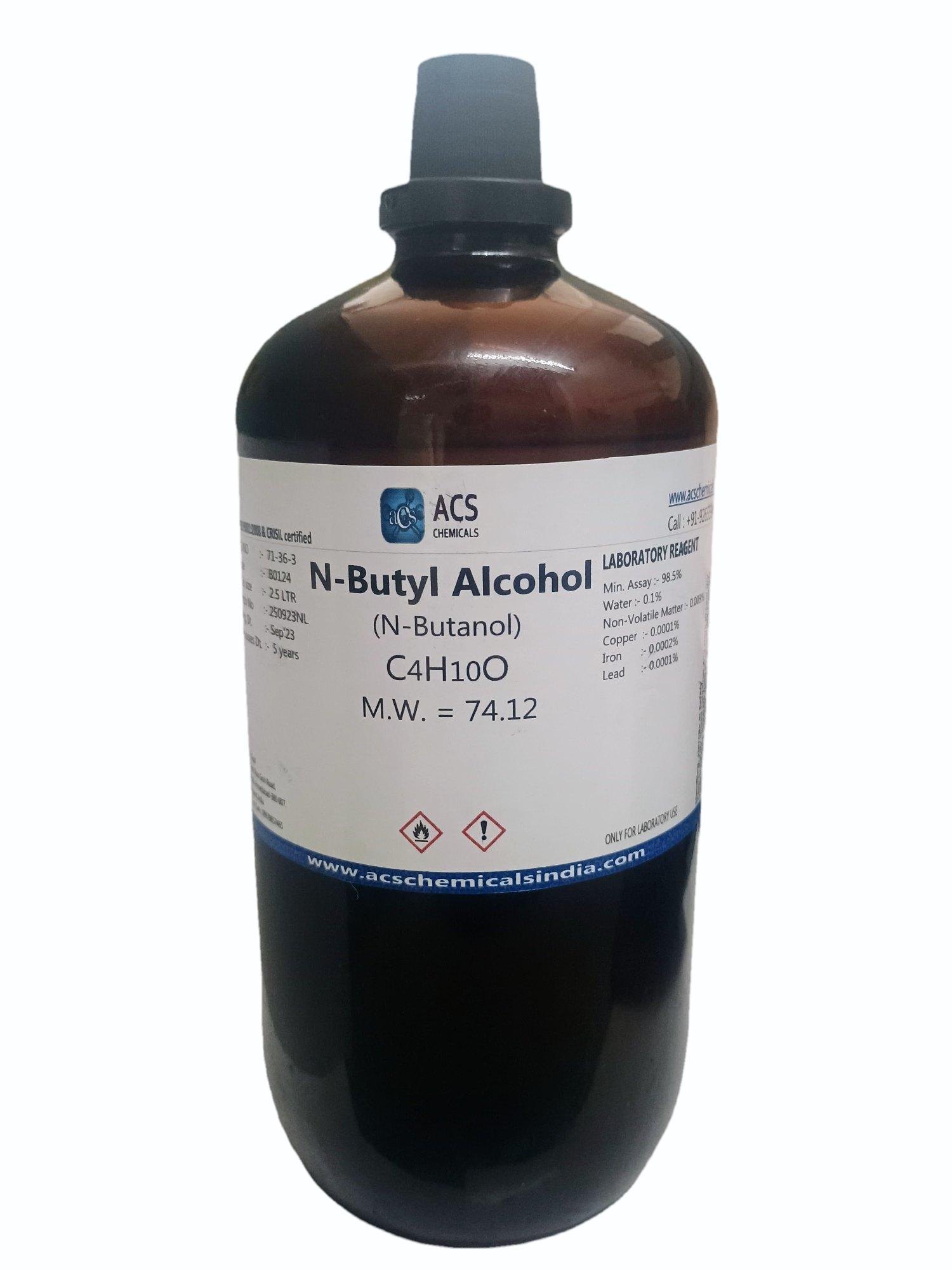
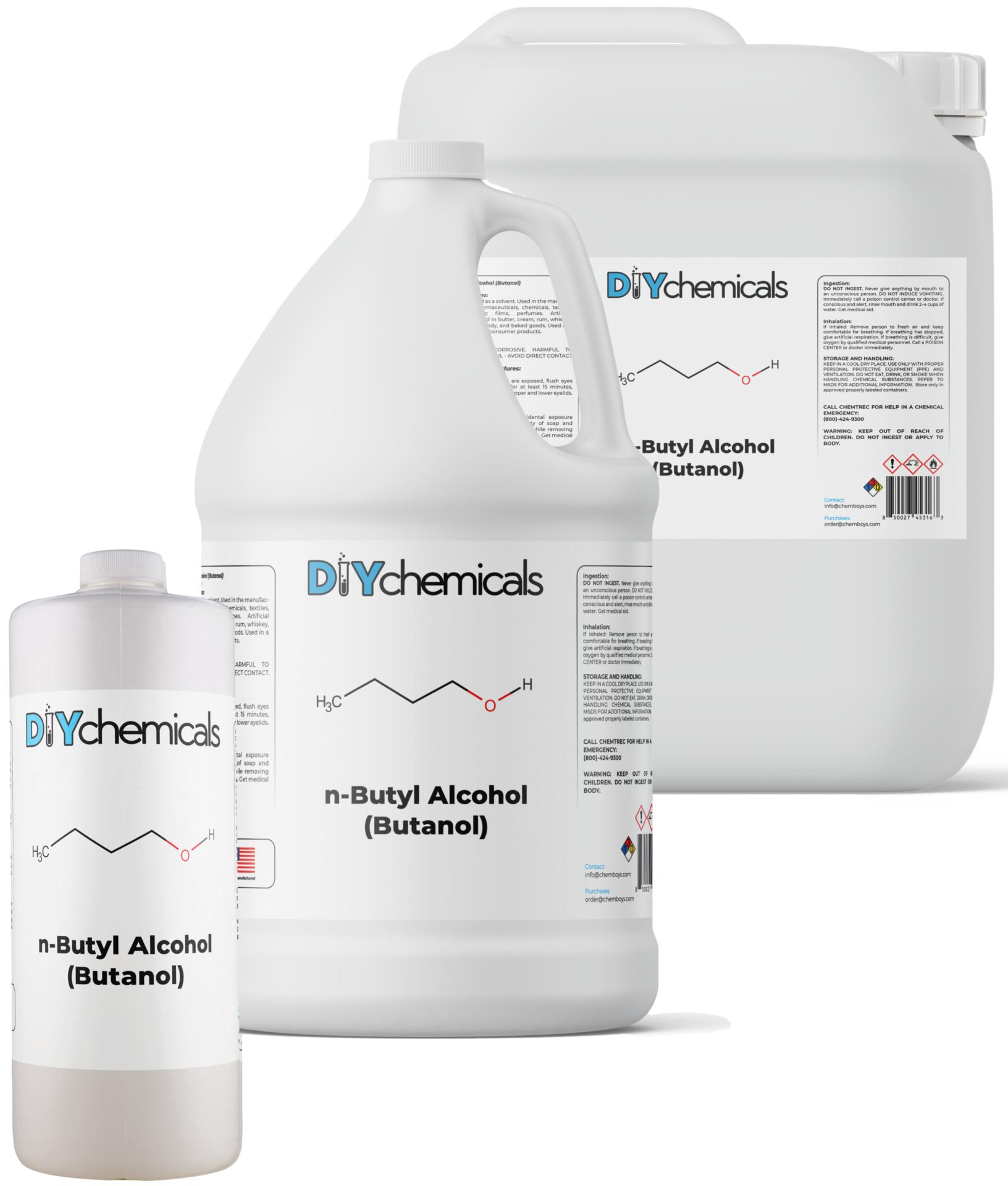
N-Butanol is a high-purity, industrial-grade alcohol widely used as a solvent, chemical intermediate, and fuel additive. It serves as a critical building block in the production of plastics, coatings, adhesives, and pharmaceuticals, offering superior solvency and stability compared to alternative alcohols. Its strategic importance stems from its versatility across chemical manufacturing and energy sectors, ensuring operational efficiency and enhanced product performance. N-Butanol’s consistent quality and compatibility with large-scale industrial processes make it a preferred choice for global B2B sourcing.
2. Key Specifications & Technical Characteristics
- Chemical Composition: C₄H₉OH (n-Butanol, linear structure)
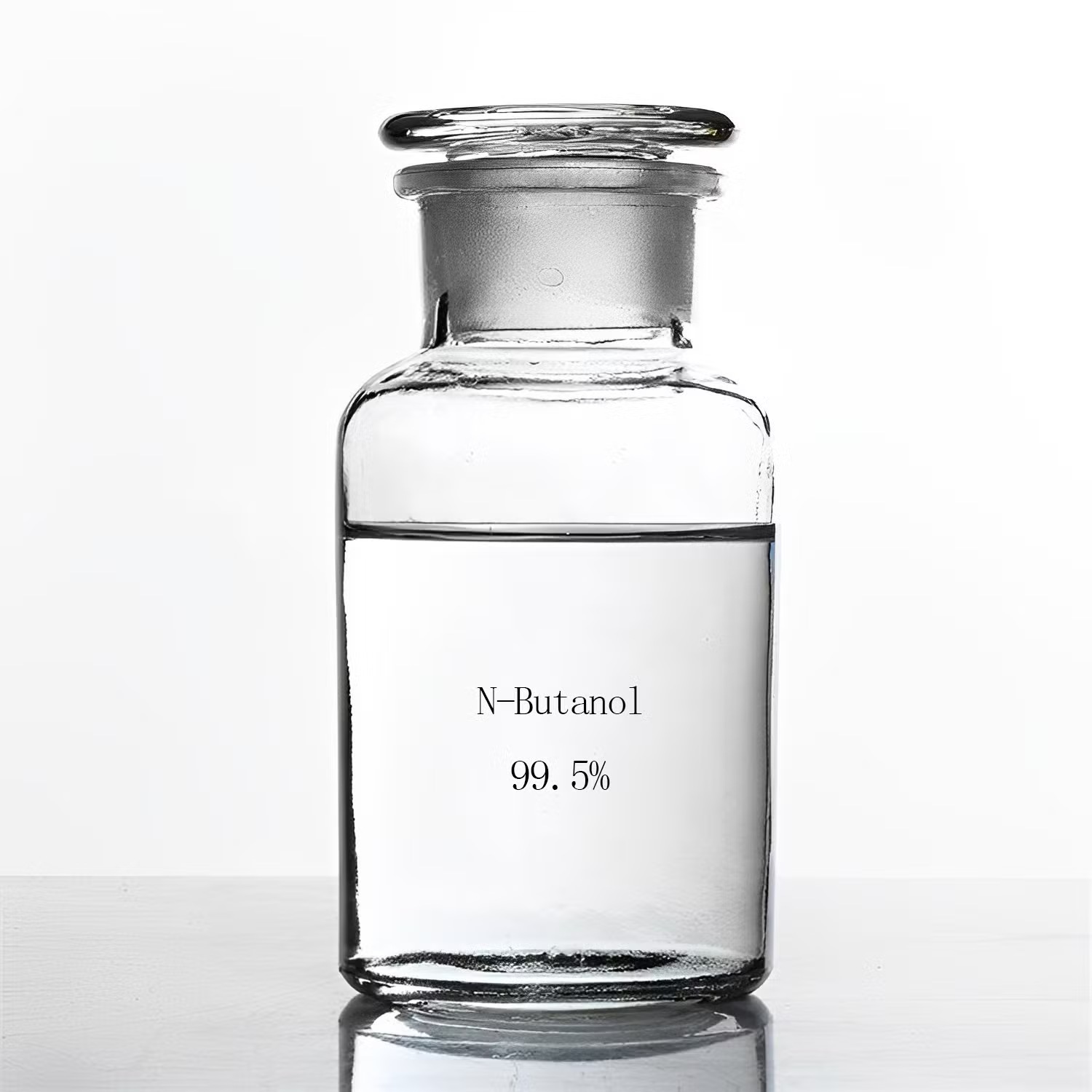
- Purity/Grade: ≥ 99.5% (industrial grade)
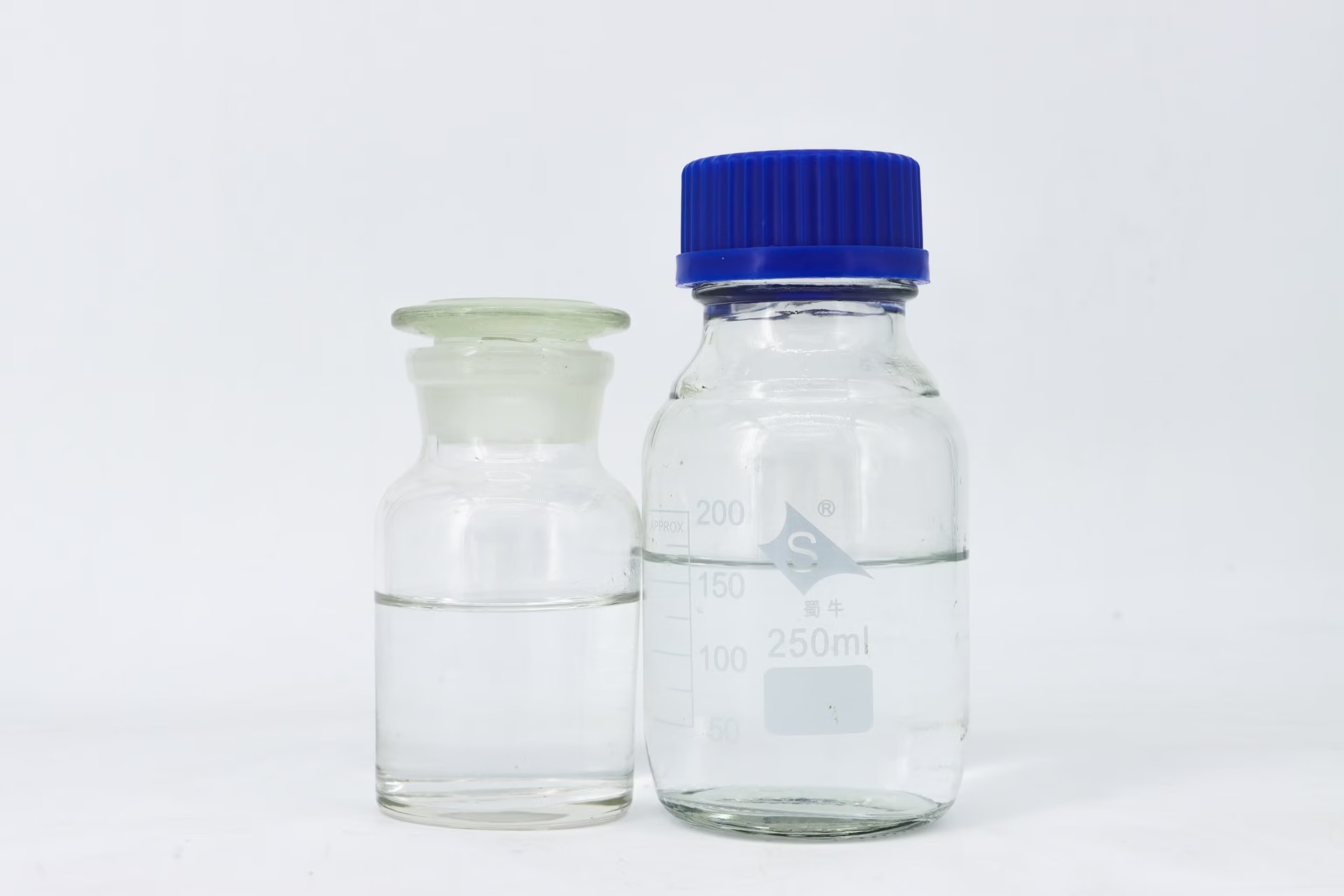
- Physical Form: Clear, colorless liquid
- Density: 0.810 g/cm³ at 20 °C
- Boiling Point: 117.7 °C
- Flash Point: 35 °C (closed cup)
- Solubility: Miscible with alcohols, ethers, ketones; limited solubility in water
- Packaging Options: ISO tanks, 200 L drums, or customer-specific bulk containers
- Shelf Life: Stable for 12 months under recommended storage conditions
3. Core Industrial Applications
- Chemical Manufacturing:
Used as a solvent and intermediate for esters, butyl acetate, and other specialty chemicals. - Paints & Coatings Industry:
Provides excellent film formation, fast drying, and improved adhesion in lacquers and coatings. - Adhesives & Sealants:
Enhances solubility, viscosity control, and durability in industrial adhesives. - Pharmaceuticals & Cosmetics:
Functions as a carrier solvent and extraction medium with high purity standards. - Biofuel & Energy Applications:
Acts as a fuel additive to improve combustion efficiency and reduce emissions.
Performance Advantages: N-Butanol offers superior solvent power, lower volatility losses, and consistent purity, outperforming ethanol and isobutanol in efficiency, cost-effectiveness, and operational stability.
4. Competitive Advantages
- Quality Consistency: Rigorous quality control ensures uniform purity across all batches.
- Supply Reliability: Robust global production and logistics network guarantees uninterrupted availability.
- Logistics Capability: Available in bulk or drum shipments, suitable for containerized transport worldwide.
- Price Competitiveness: Optimized production and sourcing strategy ensures market-leading pricing.
- Sustainability: Produced with energy-efficient processes and low environmental impact.
- Technical Support: Comprehensive documentation, safety data sheets (SDS), and technical guidance provided.
5. Commercial & Supply Information
- Minimum Order Quantity (MOQ): BULK 20 MT
- Loading Capacity: 22–24 MT per 20ft container (ISO tank standard)
N-Butanol is positioned as a strategic, reliable, and high-performance industrial alcohol, optimized for global sourcing and scalable operations.

Reviews
There are no reviews yet.