
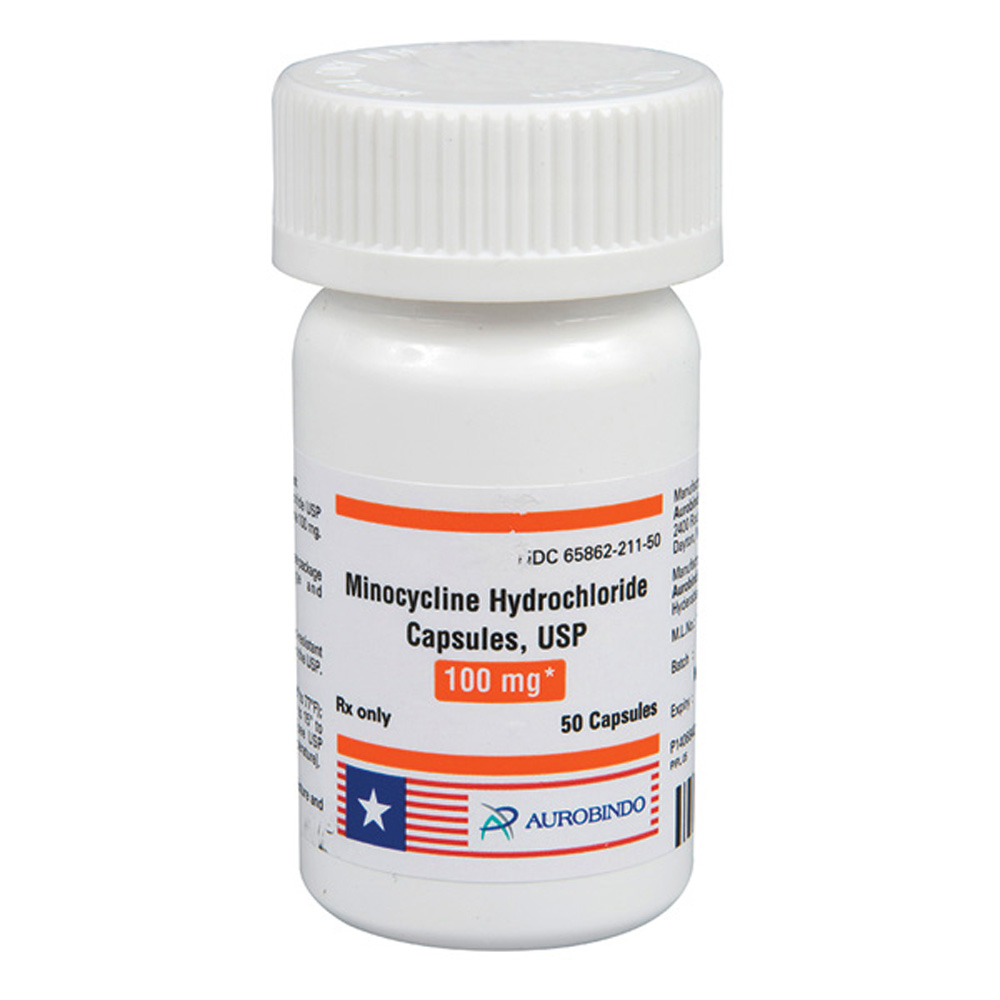

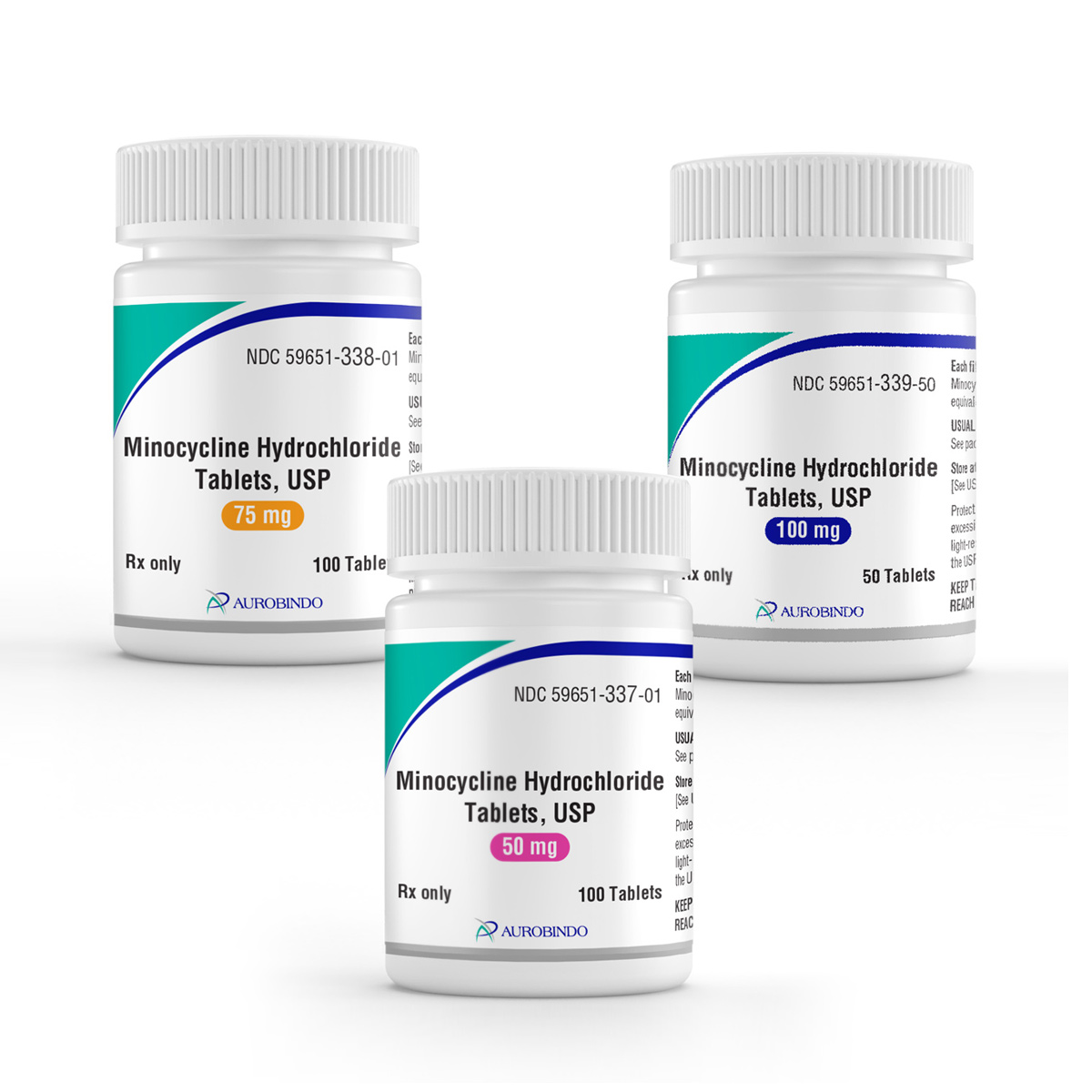
Description
Minocycline: A Versatile Antibiotic with Broad Applications
Minocycline is a tetracycline antibiotic widely known for its effectiveness against a broad spectrum of bacteria. First introduced in the 1960s, it remains a valuable tool in treating various infections and has even found applications beyond its traditional antibacterial role. This article delves into the uses, mechanisms, potential side effects, and considerations surrounding minocycline.
What is Minocycline?
Minocycline is a synthetic derivative of tetracycline, a group of broad-spectrum antibiotics. It works by inhibiting bacterial protein synthesis, preventing bacteria from growing and multiplying. It achieves this by binding to the 30S ribosomal subunit, a crucial component of the bacterial protein production machinery.
Uses of Minocycline:
Minocycline’s broad-spectrum activity makes it effective against a range of bacteria, including:
- Acne: It’s frequently prescribed to treat moderate to severe acne vulgaris, particularly inflammatory acne. Its anti-inflammatory properties contribute to its effectiveness in reducing redness and swelling.
- Bacterial Infections: It’s used to treat various bacterial infections, including respiratory tract infections (such as bronchitis), skin infections (like cellulitis and boils), sexually transmitted infections (such as chlamydia and gonorrhea), and Lyme disease.
- Rheumatoid Arthiritis: Minocycline’s anti-inflammatory properties have shown some promise in managing symptoms of mild rheumatoid arthritis.
- MRSA: Some strains of methicillin-resistant Staphylococcus aureus (MRSA) are susceptible to minocycline, making it a potential treatment option in certain cases.
How to Use Minocycline:
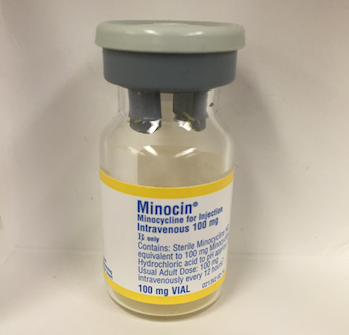
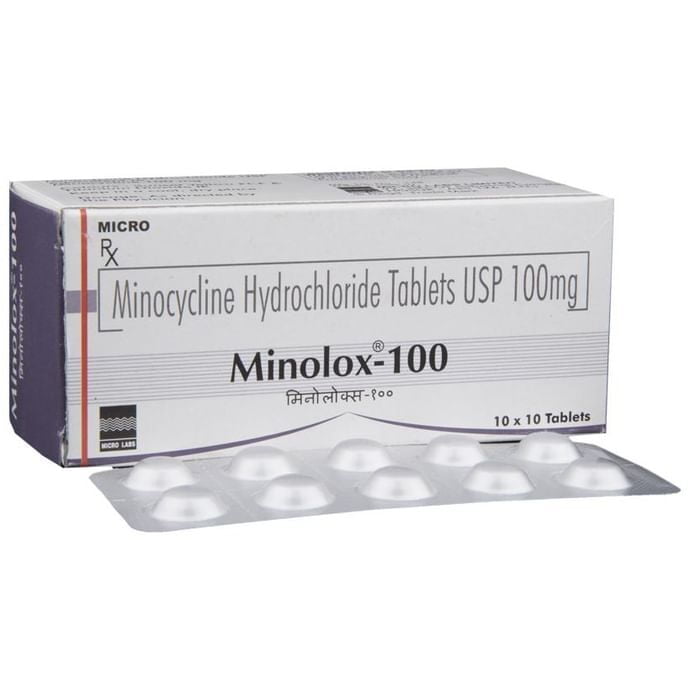
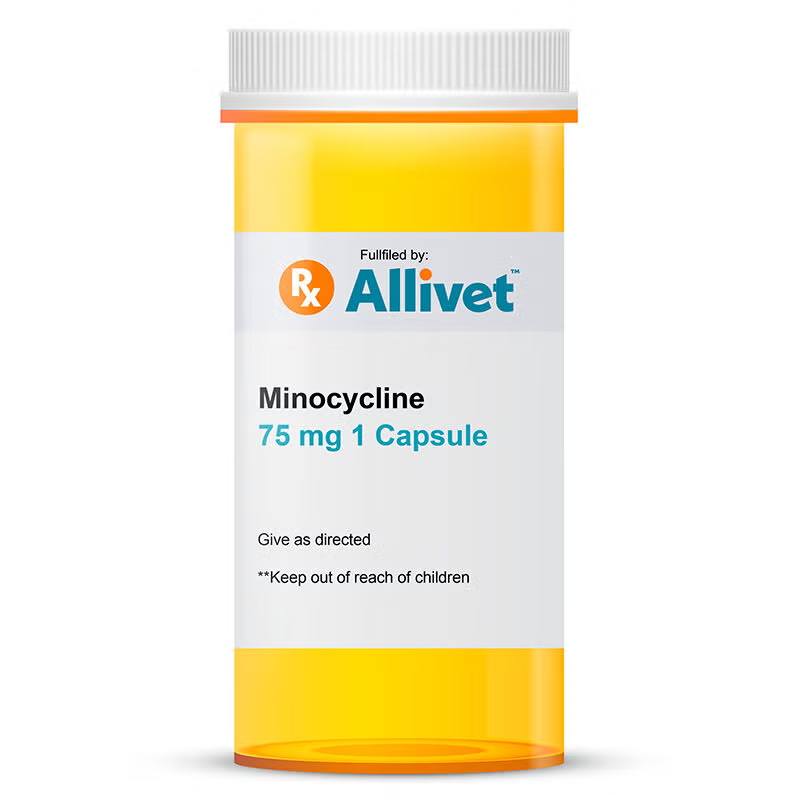
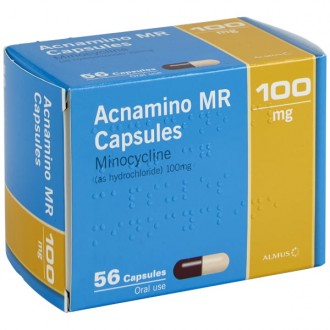
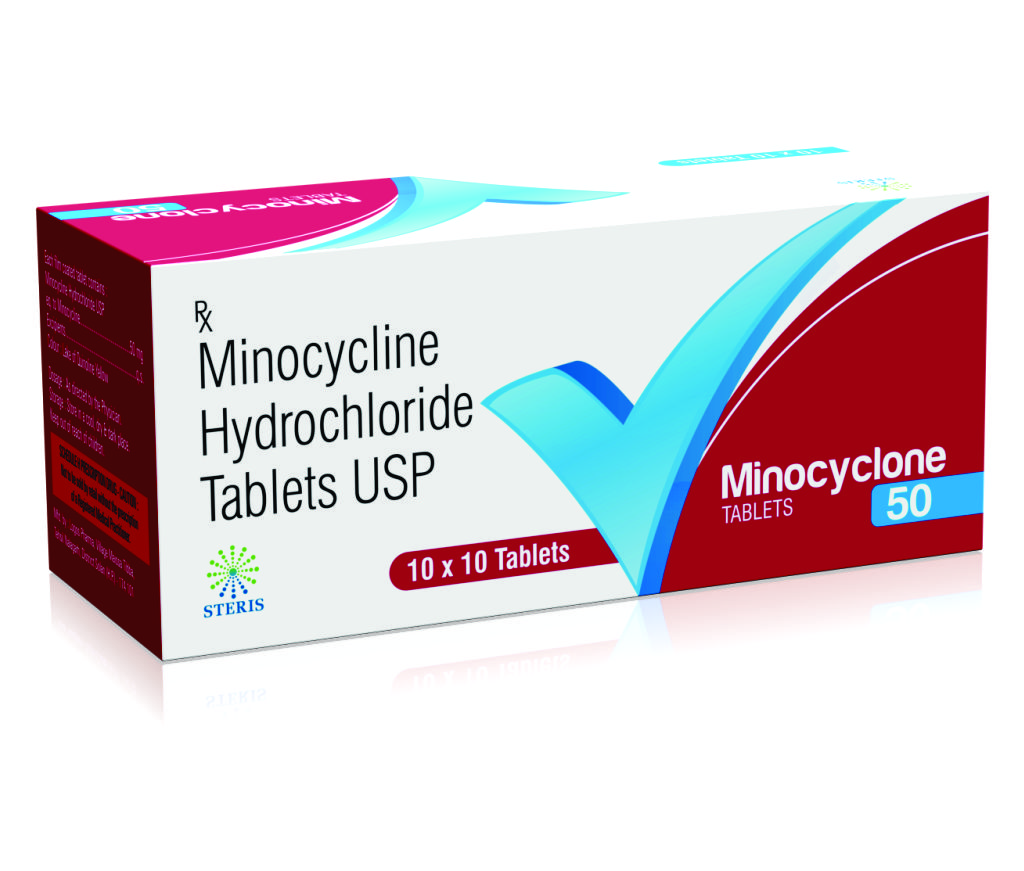
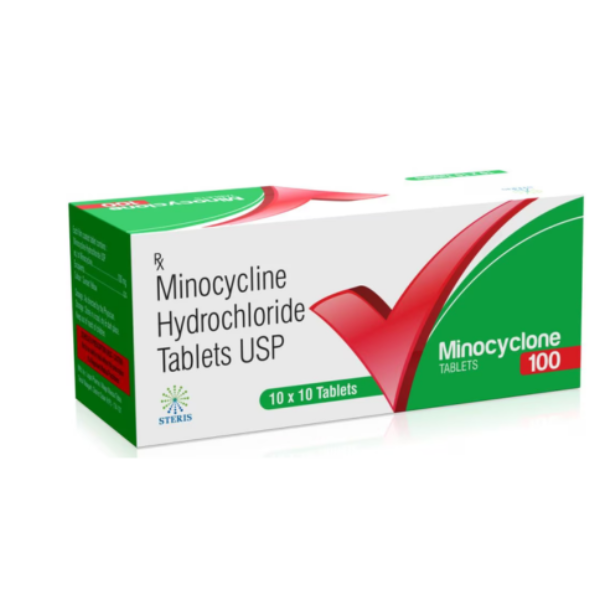
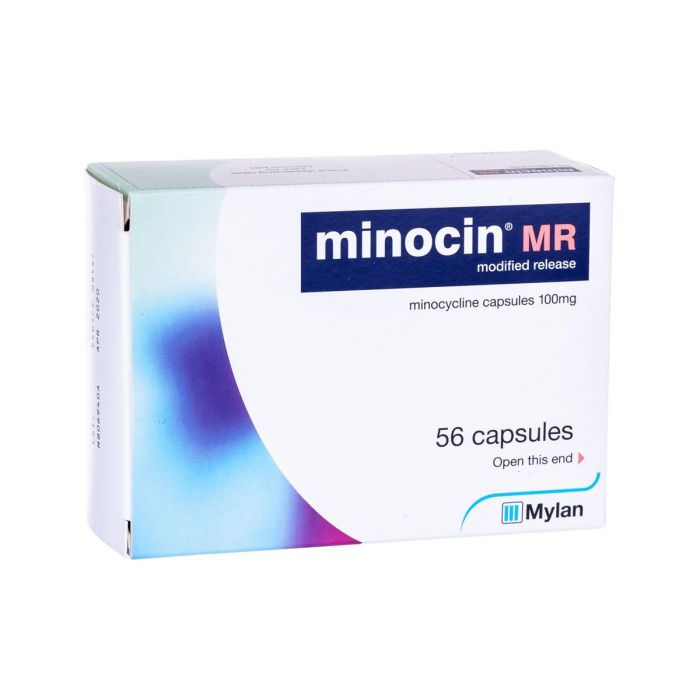
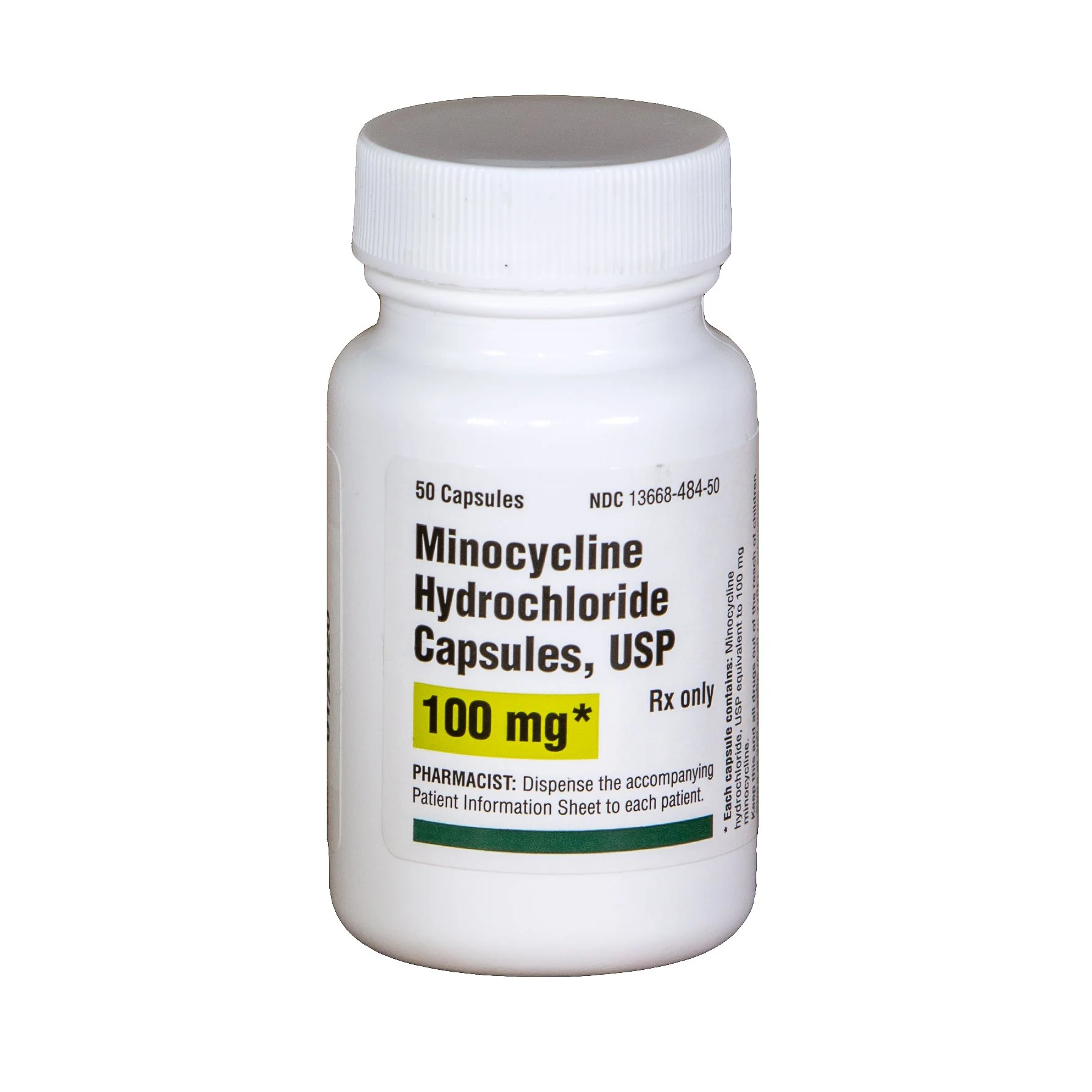
Minocycline is typically taken orally, usually as a capsule or tablet. It’s crucial to follow the doctor’s instructions regarding dosage and frequency. It’s generally recommended to take minocycline on an empty stomach, as food, especially dairy products, can interfere with its absorption. It’s also important to avoid taking minocycline with antacids containing aluminum, calcium, or magnesium, as these can also hinder absorption.
Potential Side Effects:
Like all medications, minocycline can cause side effects. Common side effects include:
- Gastrointestinal Issues: Nausea, vomiting, diarrhea, and abdominal pain.
- Dizziness and Vertigo: Feeling lightheaded or unsteady.
- Skin Reactions: Photosensitivity (increased sensitivity to sunlight), rash, and itching.
- Tooth Discoloration: Can cause permanent tooth discoloration in children under the age of eight.
- Hyperpigmentation: Skin discoloration, often appearing as blue-gray patches, can occur in some individuals.
- Autoimmune-like reactions: such as drug-induced lupus.
Rare but more serious side effects can include allergic reactions, liver problems, and lupus-like syndrome. It’s essential to seek medical attention immediately if you experience any unusual or severe side effects.
Important Considerations:
- Pregnancy and Breastfeeding: Minocycline is contraindicated during pregnancy and breastfeeding due to the risk of tooth discoloration and bone growth problems in the developing fetus or infant.
- Children: Minocycline is not recommended for children under the age of eight due to the risk of permanent tooth discoloration.
- Drug Interactions: Minocycline can interact with other medications, including anticoagulants (blood thinners) and certain vitamins. It’s important to inform your doctor about all medications you are taking.
- Antibiotic Resistance: Like all antibiotics, overuse of minocycline can contribute to antibiotic resistance, making it less effective in treating future infections. It’s crucial to use minocycline only when prescribed by a doctor and to complete the full course of treatment.
- Photosensitivity: Minocycline increases sensitivity to the sun. Patients are advised to use sunscreen and protective clothing.
Conclusion:
Minocycline remains a valuable antibiotic in treating a variety of bacterial infections and managing conditions like acne. While effective, it’s important to be aware of potential side effects and to use it responsibly, under the guidance of a healthcare professional. Understanding its mechanism of action, appropriate use, and potential risks allows for informed decision-making and contributes to its continued effectiveness in combating infections. By using minocycline responsibly, we can help preserve its efficacy and contribute to the fight against antibiotic resistance.




Reviews
There are no reviews yet.