
Description
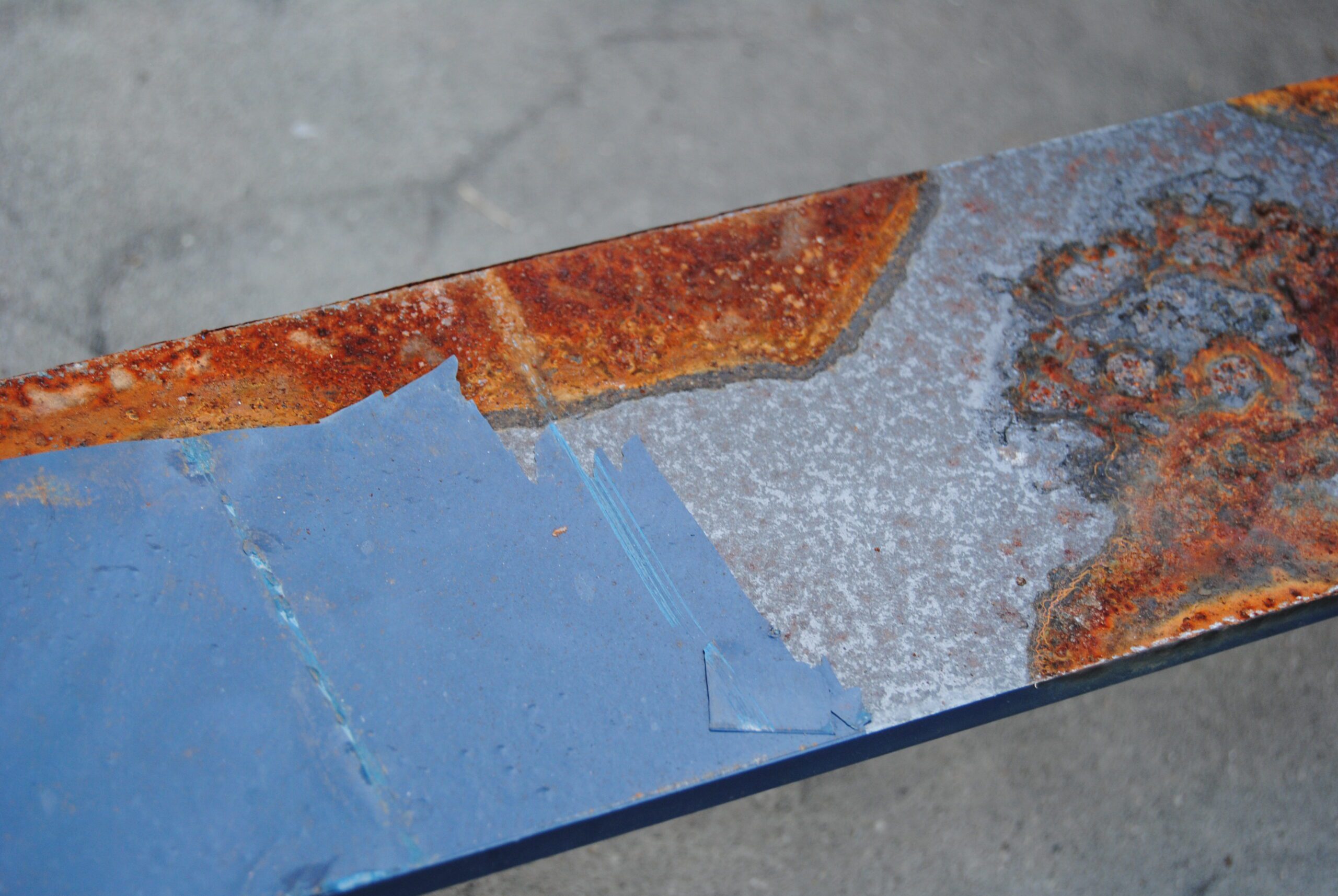
If you’ve ever walked through a steel‑rolling plant, taken a look at a freshly cut sheet of hot‑rolled steel, or even examined a rust‑stained pipe in your workshop, you may have noticed a thin, dark‑gray film clinging stubbornly to the metal surface. That film is mill scale—a by‑product of the steel‑making process that can be both a nuisance and an opportunity, depending on how you treat it.
In this post we’ll unpack everything you need to know about mill scale:
- What it is and how it forms
- Its chemical and physical properties
- Why it matters (pros & cons)
- Common removal methods
- Value‑added uses and recycling options
- Safety, health, and environmental considerations
By the end you’ll be equipped to decide whether to strip mill scale away, leave it in place, or even turn it into a resource for your own operation.
1. What Is Mill Scale?
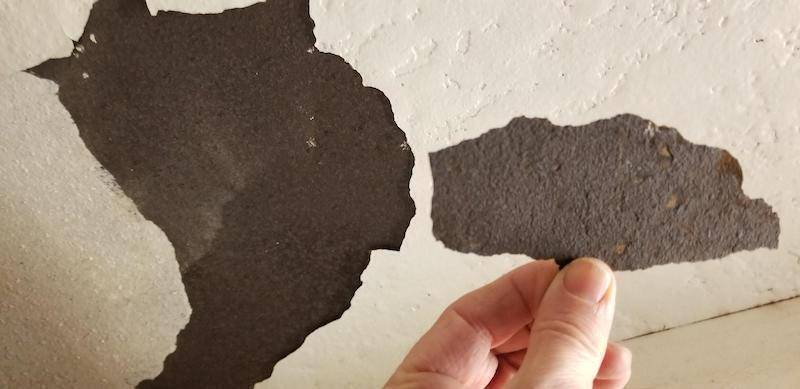
Mill scale is a thin, adherent layer of iron oxides that forms on the surface of steel while it is still hot (typically 800 °C–1,200 °C) during hot‑rolling, forging, or heat‑treating. When steel cools, oxygen from the furnace atmosphere reacts with the hot metal, creating a scale that solidifies into a hard, flaky coating.
A quick visual
| Appearance | Typical Thickness |
|---|---|
| Dark gray to black, sometimes with a metallic sheen | 0.02 mm – 0.15 mm (20–150 µm) |
| Uniform on smooth bars, patchy on complex shapes |
The scale is not a coating applied intentionally; it’s a natural oxidation by‑product, much like the patina that forms on copper. In the steel industry the term “mill scale” is used because the scale is generated in the rolling mill.
2. How Mill Scale Forms: The Chemistry Behind the Film
When steel is heated in an oxygen‑containing environment, a series of iron‑oxide layers develop in a predictable order:
| Layer (from metal outward) | Chemical Formula | Approx. Thickness | Temperature Range |
|---|---|---|---|
| Wüstite | FeO | 0.5–1 µm | 600–800 °C |
| Magnetite | Fe₃O₄ | 1–5 µm | 800–900 °C |
| Hematite | Fe₂O₃ | 5–10 µm | 900–1,200 °C |
These layers often intermix, creating a composite scale that is:
- Hard (Mohs hardness 5–6)
- Brittle—prone to cracking and flaking during handling
- Adherent—bonded to the metal via mechanical interlocking and chemical affinity
Because the scale is essentially iron oxide, it is non‑conductive and acts as a barrier to subsequent surface treatments (e.g., painting, galvanizing).
3. Why Mill Scale Matters
3.1 The Downside – When It Becomes a Problem
| Issue | How Mill Scale Affects It |
|---|---|
| Surface preparation | Paint, powder coating, or adhesive bonding fails if the scale isn’t removed. |
| Welding | Scale can cause porosity, lack of fusion, and slag inclusions. |
| Corrosion | Trapped moisture under flaking scale accelerates localized rust. |
| Dimensional tolerance | Scale adds thickness that can exceed tight tolerances for precision parts. |
In short, ignoring mill scale can undermine product quality, increase rework, and raise costs.
3.2 The Upside – Turning a Waste into a Resource
Surprisingly, mill scale isn’t just waste. Its high iron‑oxide content (≈ 85 % Fe₂O₃) makes it a valuable raw material for:
- Iron ore sintering – blended with other fines to improve blast‑furnace feed.
- Magnetite concentrates – used in the production of steelmaking “direct reduced iron” (DRI).
- Pigment industry – fine‑ground scale can become a black iron‑oxide pigment (R‑100).
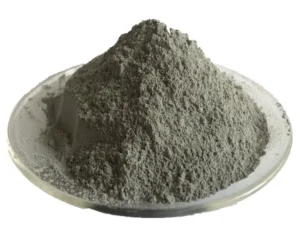
Many modern steel mills have scale‑recovery plants that collect, crush, and magnetically separate the oxide for reuse, turning what would be a disposal cost into a small revenue stream.
4. How to Remove Mill Scale
The right removal method depends on the size of the batch, component geometry, downstream processes, and cost constraints. Below is a quick guide to the most common techniques.
| Method | Principle | Typical Applications | Pros | Cons |
|---|---|---|---|---|
| Mechanical (Grinding/Shot Blasting) | Abrasive impact removes scale physically | Large plates, structural steel, ship hulls | Fast, can be combined with surface profiling | Generates dust, can damage thin sections |
| Acid Pickling | Dilute acids (hydrochloric, sulfuric) dissolve oxides | Precision parts, pipelines, pre‑paint prep | Produces a clean, bright surface | Acid handling, waste‑water treatment required |
| Water‑jet / Hydro‑blasting | High‑pressure water (often with abrasives) erodes scale | Complex shapes, pipe interiors | No chemicals, low heat input | Equipment cost, may miss hidden crevices |
| Thermal (Flame/Induction Heating) | Re‑oxidation followed by rapid cooling causes spalling | Small batches, on‑site repairs | No chemicals, quick for localized spots | Requires skilled operator, risk of distortion |
| Laser Cleaning | Pulsed laser vaporizes oxides | Aerospace, high‑value alloys | Precise, no contact, minimal waste | High capital cost, slower for large areas |
Choosing the Best Method
| Decision Factor | Recommended Approach |
|---|---|
| Environmental restrictions | Water‑jet or laser (no chemicals) |
| Large flat surfaces | Shot blasting or grinding |
| Tight tolerances & delicate geometry | Acid pickling (followed by neutralization) |
| Cost‑sensitivity | Mechanical grinding (if dust control is in place) |
| Need for simultaneous surface roughening | Shot blasting (adjust media size) |
Tip: Many facilities use a two‑step process—mechanical removal to knock off the bulk, then a light acid dip to clean remaining micro‑scale and passivate the surface.
5. Recycling Mill Scale: From Waste to Value
If you have a steel plant or a fabrication shop that generates tons of scale annually, consider installing a scale recovery system. Here’s a typical flow:
- Collection – Magnetically separate scale from scrap during rolling or after cleaning.
- Crushing & Screening – Reduce particle size to ≤ 5 mm for easier handling.
- Magnetic Separation – Remove any ferrous tramp metal.
- Washing & Dewatering – Produce a dry, free‑flowing powder.
- Optional Calcination – Heat‑treat to convert FeO/Fe₃O₄ to pure Fe₂O₃ (enhances pigment quality).
Economic Snapshot (2024‑2025 data)
| Parameter | Typical Value |
|---|---|
| Scale generated per tonne of hot‑rolled coil | 10–30 kg |
| Market price of Fe₂O₃ pigment (R‑100) | $120–$150 per tonne |
| Revenue potential (per 10 kt of scale) | $1.2 M–$2.0 M |
| Payback period for a 500 t/day recovery plant | 2–3 years (depending on energy costs) |
Even if you don’t sell the scale, re‑using it in your own blast‑furnace feed reduces the need for virgin iron ore, lowering both material expense and CO₂ emissions.
6. Safety, Health, and Environmental Considerations
| Hazard | Mitigation |
|---|---|
| Dust inhalation (iron‑oxide fine particles) | Use local exhaust ventilation, dust masks (P100) |
| Acid exposure (during pickling) | PPE (acid‑resistant gloves, goggles), closed‑loop acid recycling |
| Noise (shot blasting, grinding) | Hearing protection, acoustic enclosures |
| Water runoff (from hydro‑blasting) | Capture and treat water, recycle when possible |
| Slag and embrittlement (if scale isn’t removed before welding) | Inspection, proper pre‑heat and post‑heat cycles |
Regulatory note (EU & US) – Mill scale is classified as non‑hazardous solid waste when disposed of in landfills, but many jurisdictions encourage or require recycling under circular‑economy directives. Keep an eye on local regulations; in the EU, the Waste Framework Directive pushes for recovery of iron oxides whenever feasible.
7. Frequently Asked Questions (FAQ)
Q1. Does mill scale affect corrosion resistance?
Yes. While the oxide layer can initially act as a barrier, any cracks or flaking expose fresh steel to moisture, creating localized corrosion cells.
Q2. Can I paint over mill scale?
*Technically you can, but adhesion will be poor. Primers designed for “cold‑rolled steel with mill scale” exist, yet most quality‑critical projects still require scale removal.
Q3. Is mill scale magnetic?
Partially. Wüstite (FeO) is weakly magnetic, magnetite (Fe₃O₄) is strongly magnetic, while hematite (Fe₂O₃) is essentially non‑magnetic. This mixed nature is why magnetic separation works for recovery but not for 100 % removal.
Q4. How thick can mill scale get on heavy sections?
On very thick plates (≥ 30 mm) rolled at high temperatures, scale can exceed 150 µm—roughly the thickness of a human hair.
Q5. Are there any “green” ways to remove mill scale?
Yes. Water‑jet cleaning combined with recyclable abrasive media or laser cleaning are chemical‑free methods that produce minimal waste.
8. Bottom Line – To Scale or Not to Scale?
- If you need a flawless surface for painting, welding, or precision machining, remove the scale.
- If you operate a high‑volume steel mill, capture and recycle the scale to cut raw‑material costs and shrink your carbon footprint.
- If you’re a small shop with occasional scale build‑up, a simple mechanical grind followed by a light acid dip is cost‑effective and reliable.
Remember, mill scale is a symptom of the process, not a flaw in the steel itself. Treat it wisely, and you’ll turn a potential nuisance into a competitive advantage.
Reviews
There are no reviews yet.