

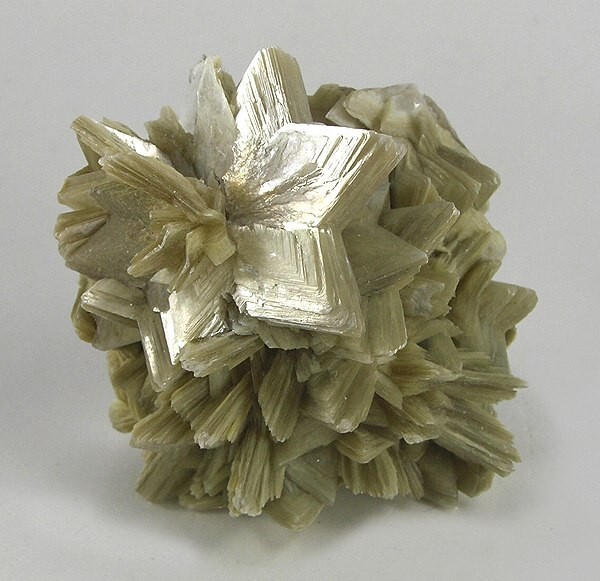
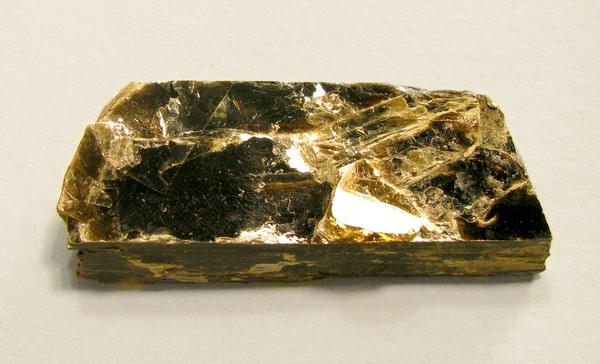
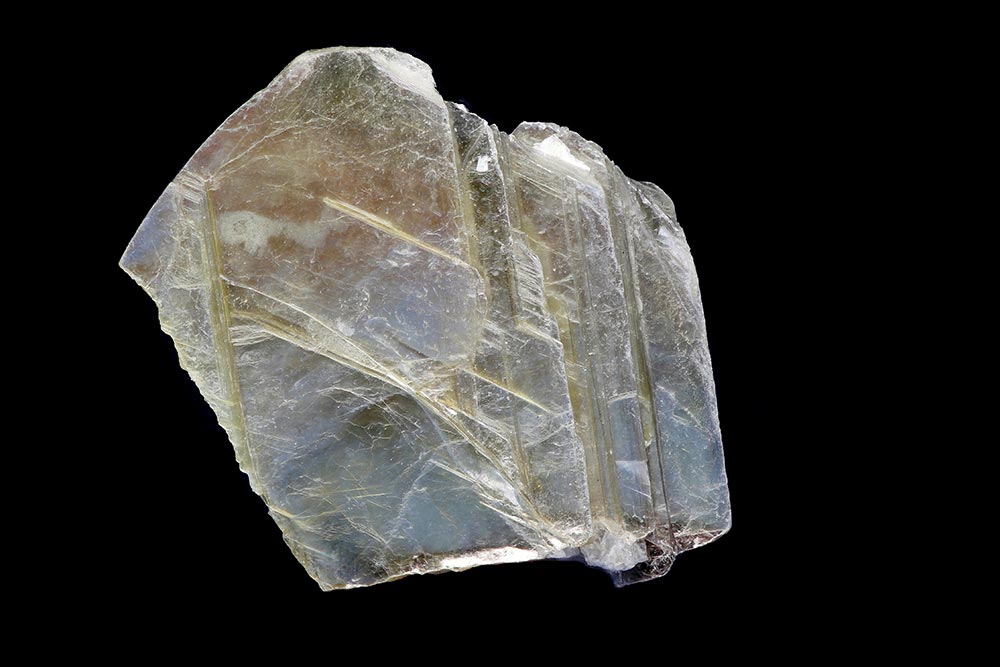
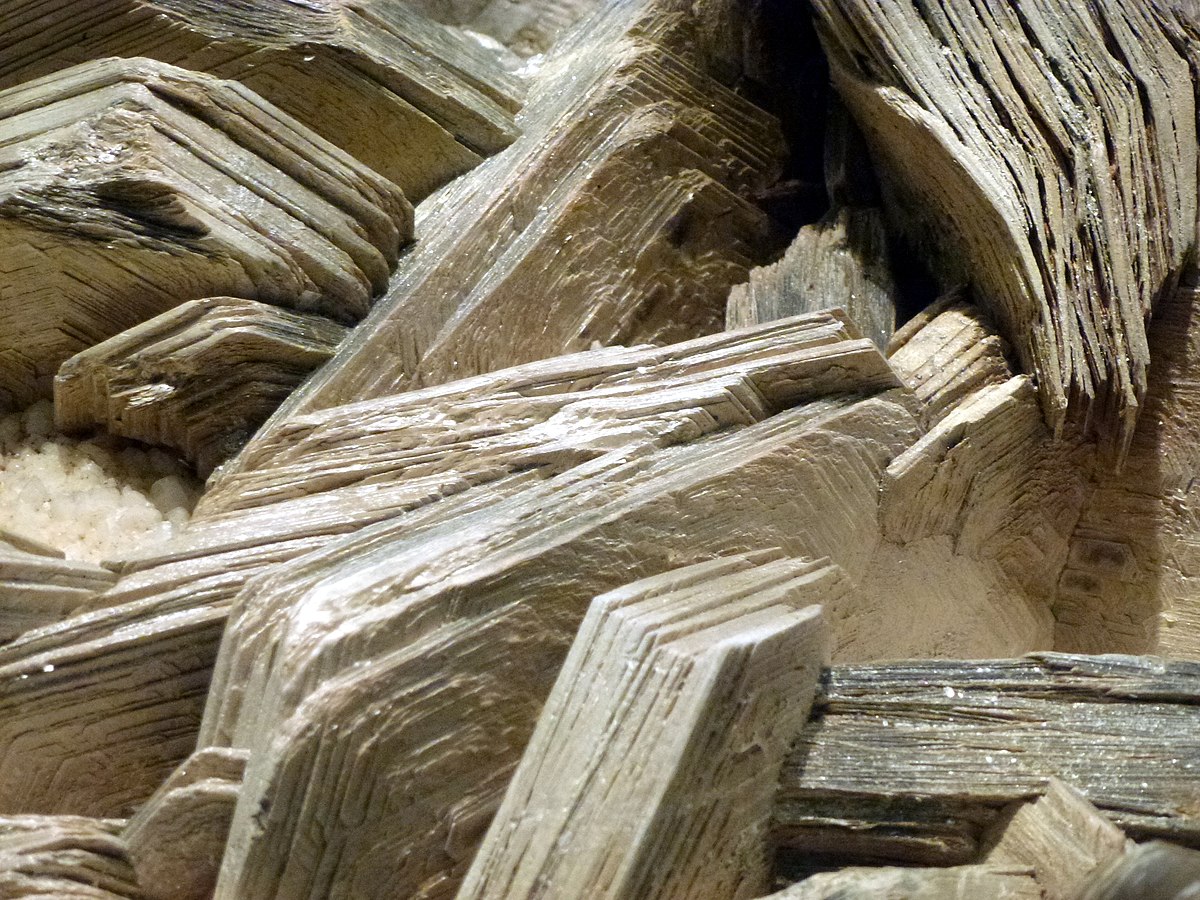
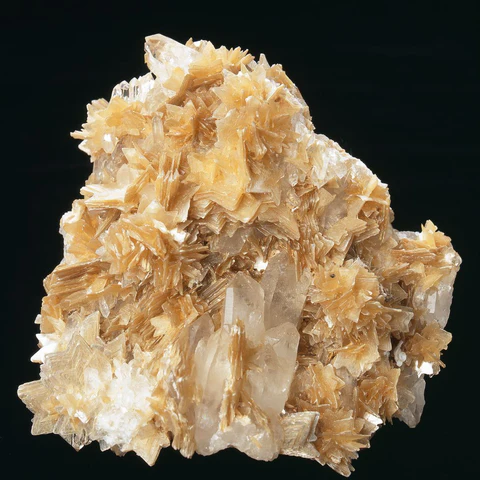
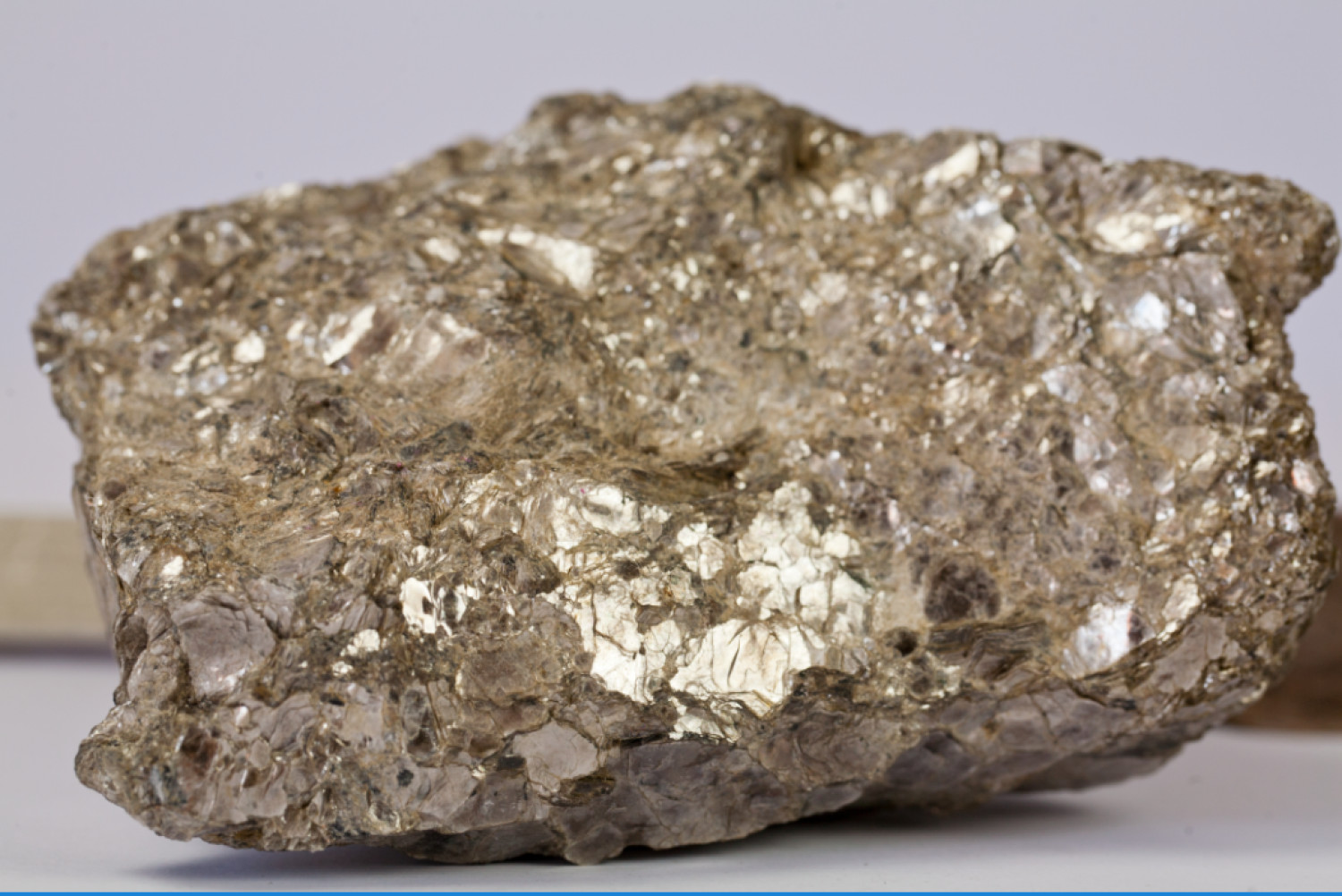
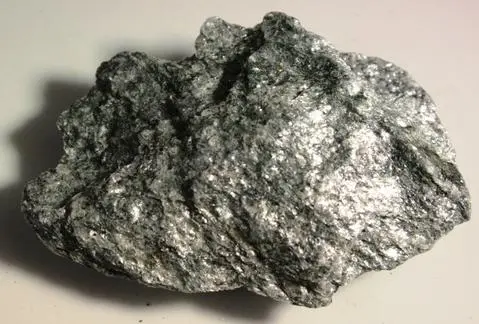
Description
Please provide me with more context or some information about “Mica.” I need some background to write an article about it. For example, tell me:
- What kind of “Mica” are we talking about? Is it:
- The mineral? (Used in cosmetics, electronics, insulation, etc.)
- A person’s name?
- A company name?
- Something else entirely?
- What is the desired tone and audience of the article? (e.g., Informative for scientists? Engaging for the general public? Critical for consumers?)
- What is the purpose of the article? (e.g., To explain its properties? To discuss its ethical sourcing? To review a product containing it?)
- Are there any specific aspects you want me to focus on? (e.g., Sustainability concerns? Health risks? Innovative applications?)
The more information you give me, the better I can write an article that meets your needs.
For example, if you said:
“Write an article about the mineral Mica for the general public, focusing on its use in cosmetics and the ethical concerns surrounding its mining.”
Then I could write something like this:
Sparkle with Caution: The Truth Behind Mica in Your Makeup
We all love a touch of shimmer, whether it’s in our eyeshadow, highlighter, or even lip gloss. But have you ever stopped to wonder where that captivating sparkle comes from? The answer, often, is mica, a group of naturally occurring minerals prized for their lustrous, reflective properties. But behind the dazzling facade lies a complex and often troubling story.
What is Mica?
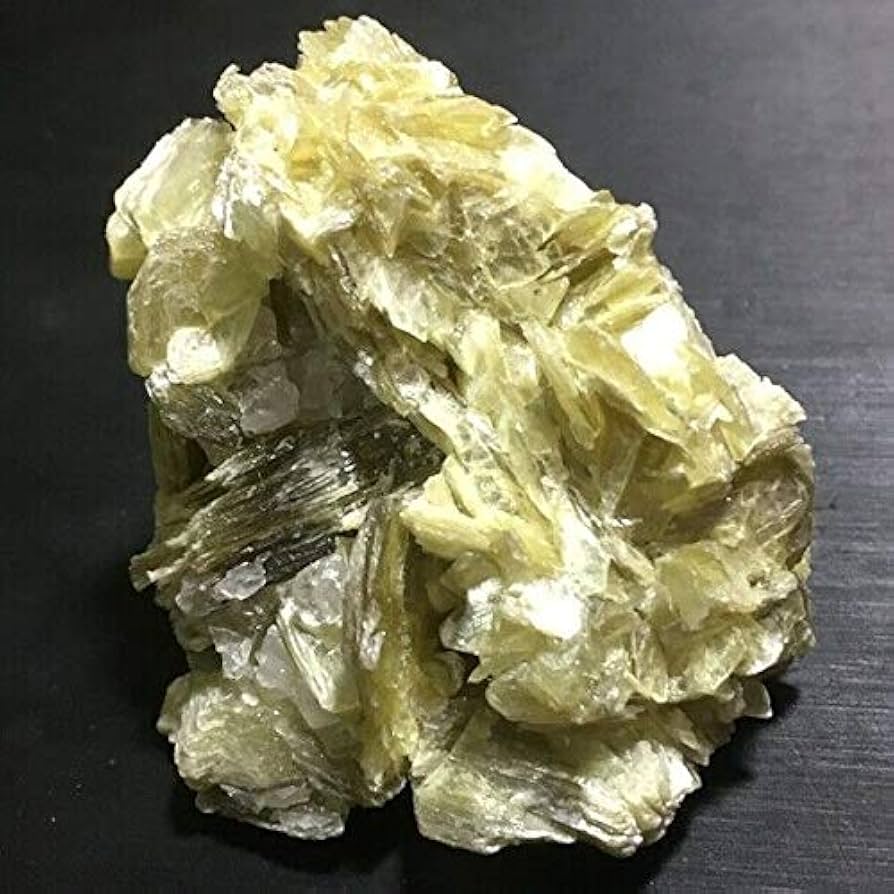
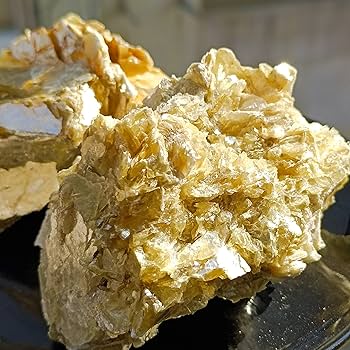
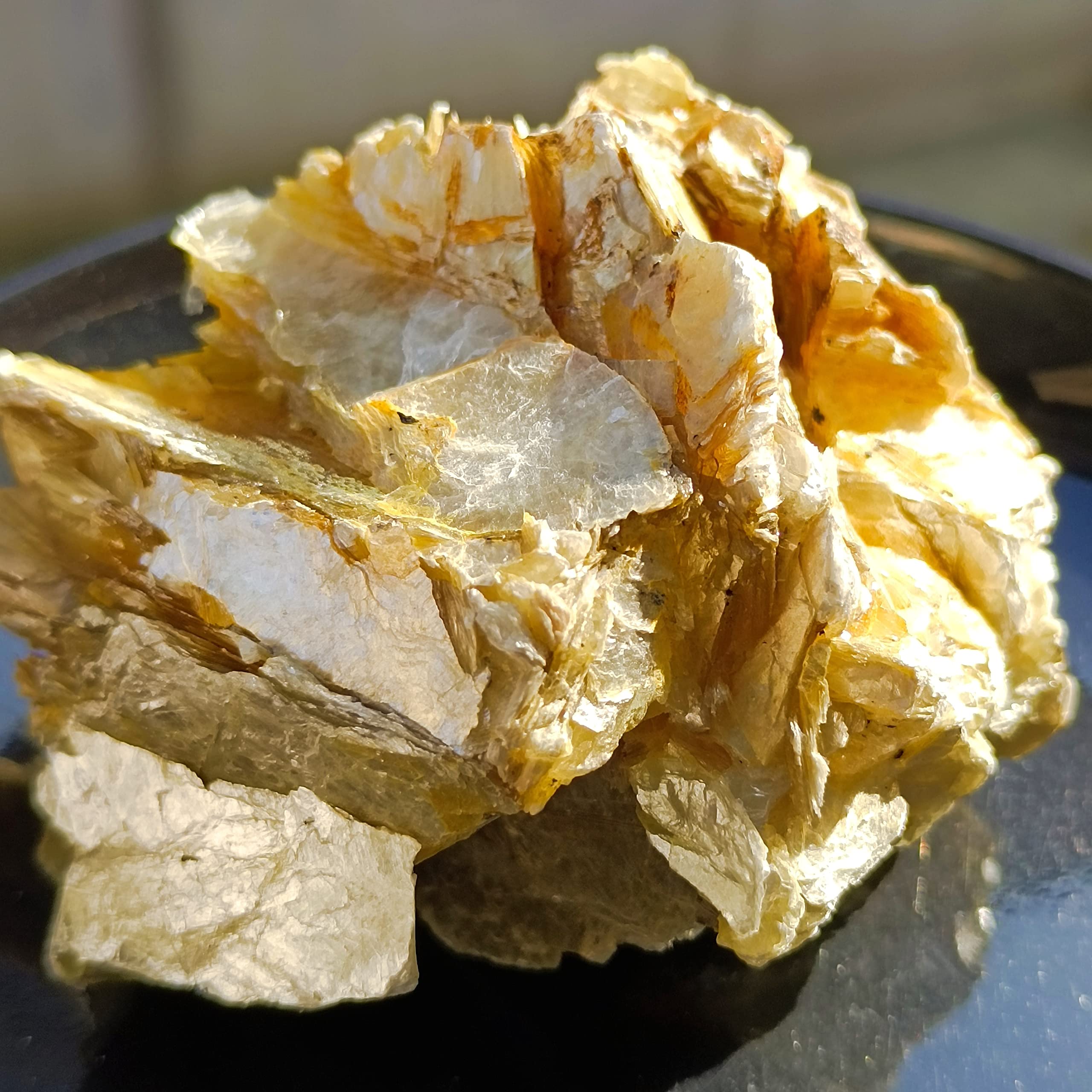
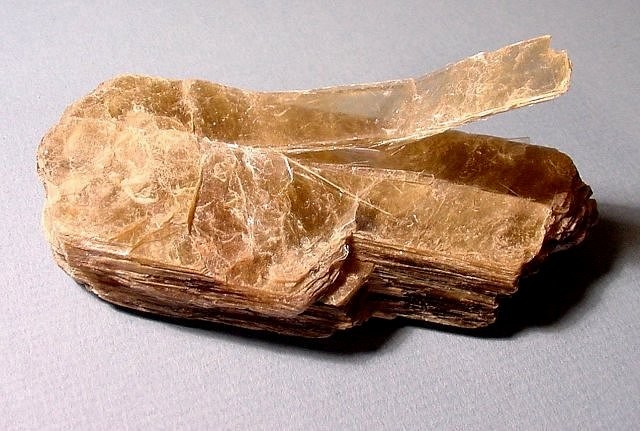
Mica is a sheet silicate mineral found in various rock formations around the world. Its unique structure allows it to be easily split into thin, transparent layers, making it ideal for use in a wide range of applications, from electronics to insulation. But it’s in the cosmetics industry where mica truly shines, adding that coveted shimmer and glow to countless products.
The Sparkle at a Cost: Ethical Concerns
Unfortunately, the sourcing of mica is often shrouded in controversy. Much of the world’s mica comes from India, where unregulated, illegal mines exploit vulnerable communities. Child labor is a persistent problem, with children often working in dangerous conditions to extract mica. These children are often deprived of education, healthcare, and a safe childhood.
The problems don’t stop at child labor. Mines can be located in areas with poor infrastructure and sanitation, further endangering the lives of workers and their families. The lack of proper safety measures in these mines also contributes to a high rate of accidents and injuries.
What Can Consumers Do?
The good news is that awareness of these issues is growing, and consumers can play a vital role in driving change. Here are some ways you can make a difference:
- Look for certifications: Some organizations, like the Responsible Mica Initiative (RMI), are working to promote ethical sourcing and eradicate child labor in the mica supply chain. Look for products from companies that are members or actively support these initiatives.
- Do your research: Before purchasing a product, check the brand’s website for information about their mica sourcing practices. Transparency is a good sign.
- Choose sustainable alternatives: Some companies are exploring and using synthetic mica or other alternatives.
- Use your voice: Contact brands and let them know that ethical sourcing is important to you. Consumer pressure can be a powerful force for change.
The Future of Mica
The beauty industry has a responsibility to ensure that its products are not made at the expense of human lives. By demanding transparency and supporting ethical sourcing, we can help create a future where mica’s sparkle doesn’t come at the cost of a child’s future.
I’m ready to write a more detailed and relevant article once I have more information about your specific needs.

Reviews
There are no reviews yet.