
Description
MMA: The Unsung Hero You Encounter Every Single Day
Look around you. The clear, vibrant sign outside your favorite coffee shop? The sturdy, transparent display case holding pastries? The smooth, glossy finish on a modern countertop? Chances are, you’re looking at the handiwork of a material that starts its life as Methyl Methacrylate (MMA).
While the name might sound like something out of a chemistry textbook (because it is!), MMA is the fundamental building block for some of the most versatile and ubiquitous plastics in our modern world. It’s an unsung hero, silently shaping our environment in countless ways.
What Exactly Is Methyl Methacrylate (MMA)?
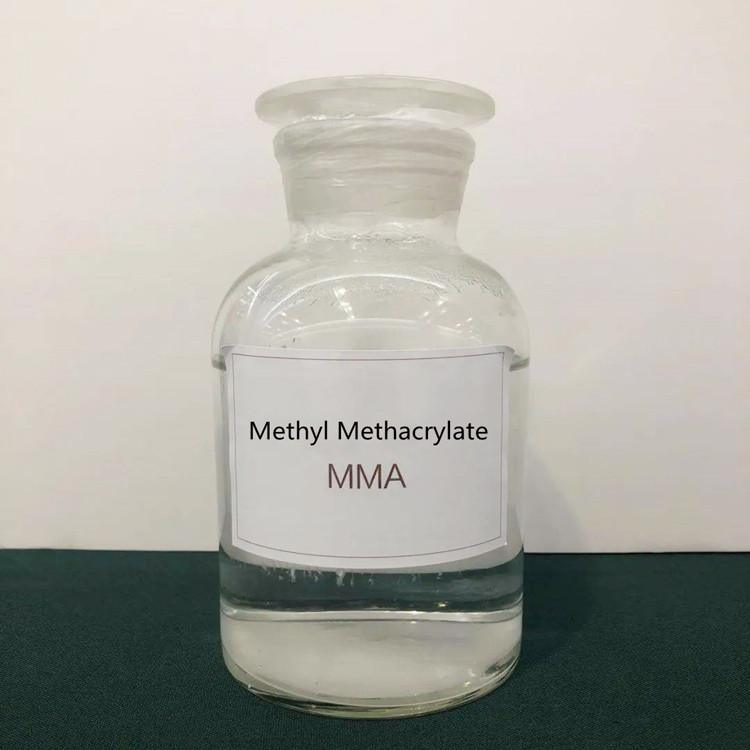
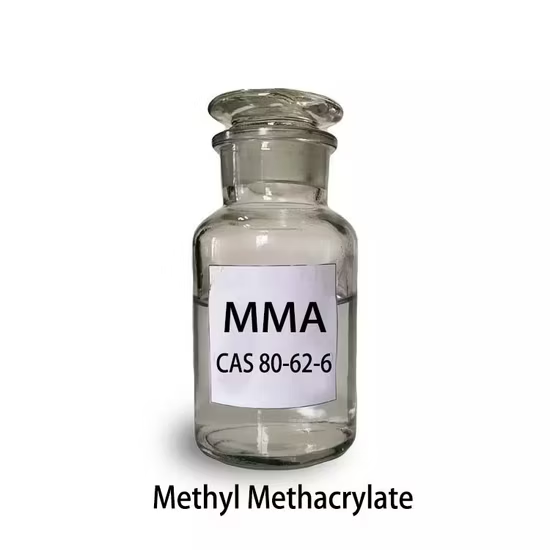
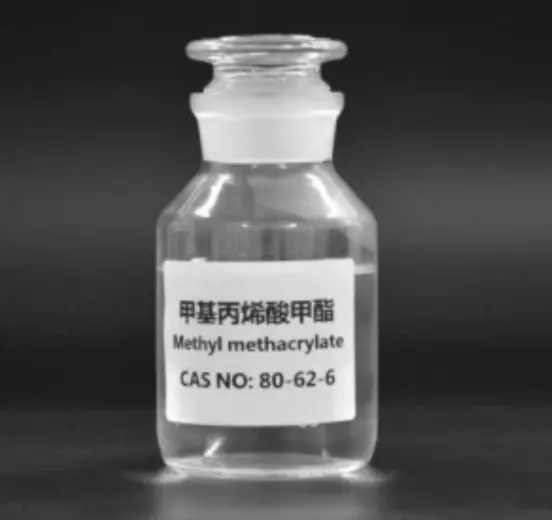
At its core, MMA is an organic compound, specifically a monomer. Think of it as a single LEGO brick. This particular brick is a clear, colorless liquid with a distinctive, often strong, fruity odor. But its true power lies in its ability to link up with millions of other identical MMA bricks in a process called polymerization.
When MMA monomers polymerize, they form a long, strong chain, transforming into a solid material known as Poly(methyl methacrylate), or PMMA. You probably know PMMA by its more common brand names: Acrylic, Plexiglas, Lucite, or Perspex.
From Liquid to Lifesaver: The Magic of PMMA
Once MMA transforms into PMMA, it becomes a material with truly remarkable properties:
- Exceptional Clarity: It’s often clearer than traditional glass, allowing for excellent light transmission.
- Lightweight: Significantly lighter than glass, making it easier to handle and install.
- Impact Resistance: While not unbreakable, PMMA is much more shatter-resistant than glass, making it a safer option in many applications.
- Weather Resistance: It stands up well to UV radiation and environmental elements, resisting yellowing and degradation.
- Versatility: It can be cast, molded, extruded, and machined into an astonishing array of shapes and forms.
Where Does MMA (in its PMMA form) Show Up?
The list is incredibly long, but here are just a few places you’ll find PMMA, thanks to its MMA origins:
- Windows & Architecture: From skylights and airplane windows to decorative panels and sound barriers, its clarity and strength are invaluable.
- Signs & Displays: The vibrant, long-lasting illuminated signs you see everywhere, retail display cases, and point-of-sale stands often owe their brilliance to acrylic.
- Lighting: Light diffusers, lenses for LED lighting, and even decorative light fixtures utilize PMMA for its optical properties.
- Automotive: Tail lights, indicator lenses, and interior trim pieces benefit from acrylic’s light transmission and impact resistance.
- Medical & Dental: It’s used in bone cements, dental fillings, dentures, incubators, and even some early contact lenses. Its biocompatibility makes it a safe choice.
- Paints & Coatings: MMA derivatives are used in durable, weather-resistant paints, clear coats for automotive finishes, and floor polishes.
- Adhesives & Sealants: Specific MMA formulations create incredibly strong and fast-curing adhesives for various materials.
- Everyday Items: Think about refrigerator shelf panels, furniture, art installations, aquariums, and even some synthetic fiber optics.
Is MMA Safe? A Quick Note on Safety
It’s important to differentiate between the monomer (MMA, the liquid) and the polymer (PMMA, the solid plastic).
- MMA (monomer) in its raw, liquid form is a chemical that requires careful industrial handling. It’s volatile, flammable, and can be an irritant to skin, eyes, and the respiratory system. Manufacturers and industrial workers use appropriate protective measures and ventilation.
- PMMA (polymer), the solid acrylic plastic we encounter daily, is generally considered safe and inert. It’s what makes it suitable for medical implants, food containers (in specific applications), and children’s toys.
The Future of MMA
As our world demands lighter, stronger, and more aesthetically pleasing materials, the role of MMA continues to expand. Researchers are constantly exploring new ways to enhance PMMA’s properties – making it even more scratch-resistant, impact-resistant, or incorporating smart functionalities.
So, the next time you admire a brilliant display, glance through a sturdy window, or appreciate the design of a modern product, take a moment to consider the humble yet powerful Methyl Methacrylate. It’s working tirelessly behind the scenes, making our world clearer, brighter, and more resilient.


Reviews
There are no reviews yet.