

Description
Methyl Acrylate: A Versatile Building Block in Polymer Chemistry
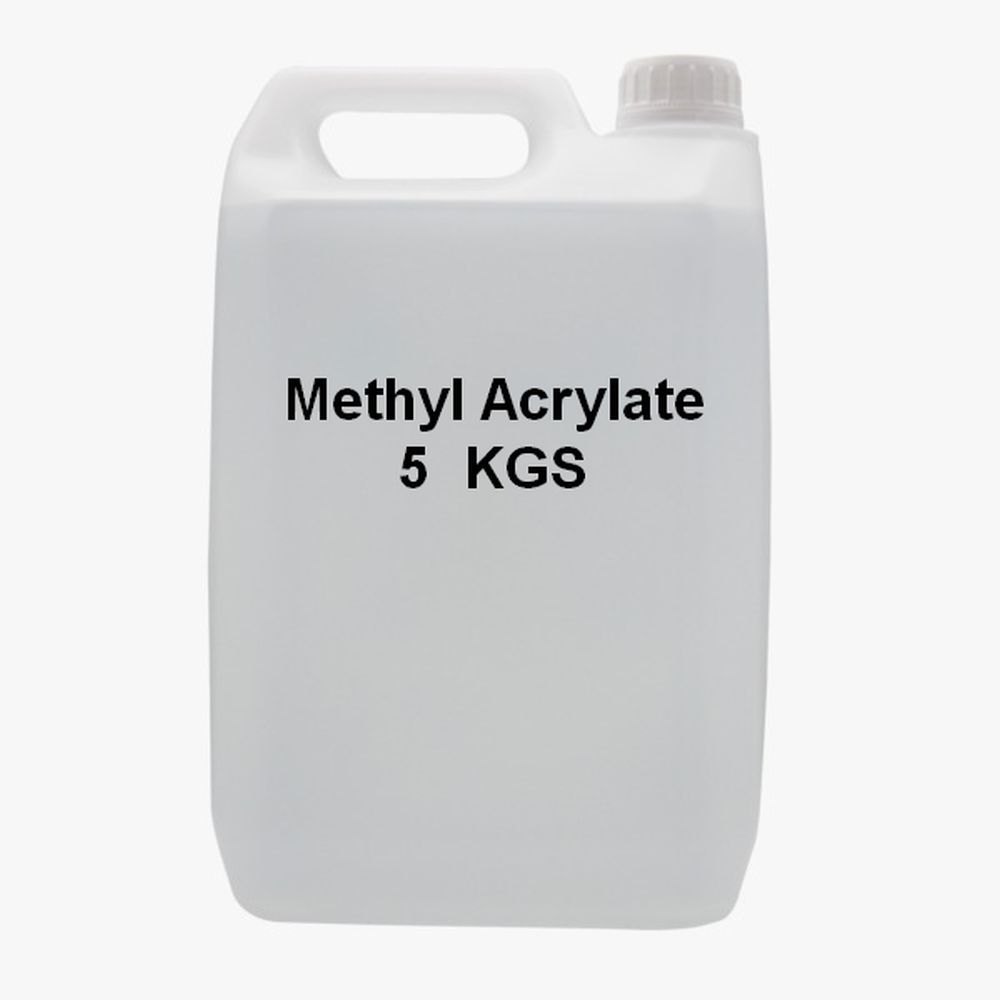
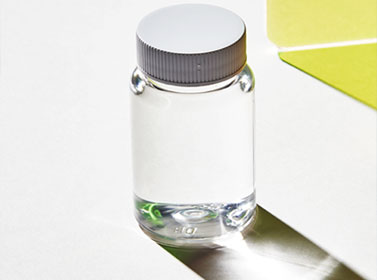
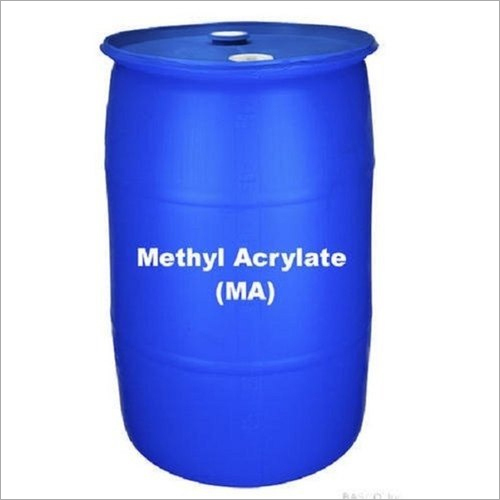
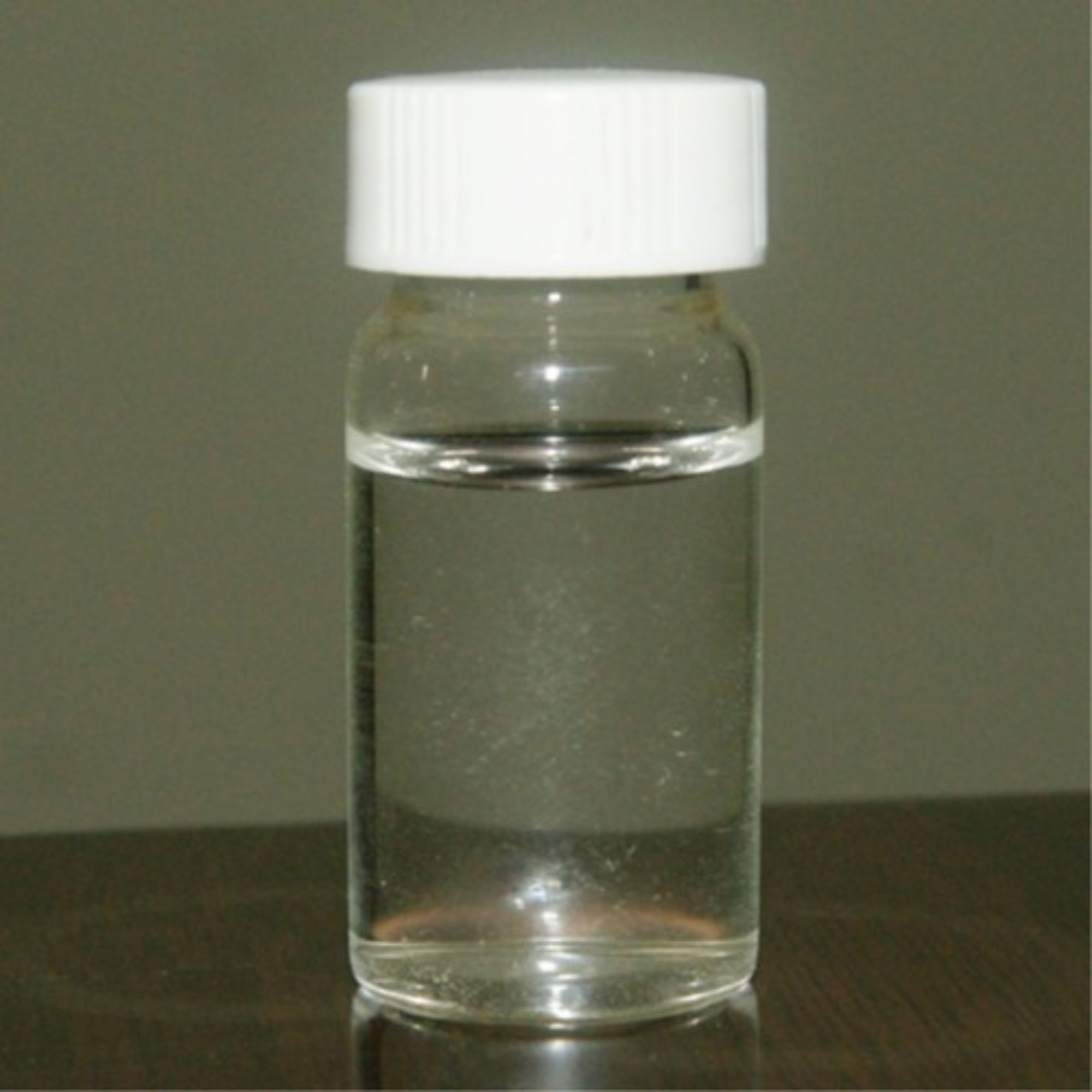
Methyl acrylate (MA) is a versatile and industrially important chemical compound with the formula CH₂=CHCOOCH₃. This colorless liquid, characterized by its pungent odor, serves as a crucial building block in the production of a wide range of polymers, impacting numerous industries from coatings to adhesives.
Production and Properties:
Methyl acrylate is primarily produced through the esterification of acrylic acid with methanol, typically using an acid catalyst. The resulting MA is then purified to meet the stringent specifications required for polymerization.
Key properties of methyl acrylate include:
- Reactivity: Its double bond makes it highly reactive and prone to polymerization, a characteristic exploited in its various applications.
- Solvent Properties: It’s miscible with many common organic solvents, enhancing its versatility in different formulations.
- Low Viscosity: This property makes it easy to process and incorporate into various systems.
Applications: The Polymer Backbone
The primary application of methyl acrylate lies in the production of polymers. Its ability to readily polymerize, either alone (homopolymerization) or with other monomers (copolymerization), makes it invaluable for crafting materials with specific properties.
Here are some key applications of methyl acrylate polymers and copolymers:
- Acrylic Resins: MA is a vital component in acrylic resins, used extensively in paints, coatings, and adhesives. It contributes to the flexibility, weather resistance, and adhesion properties of these materials.
- Textile Treatments: Copolymers containing methyl acrylate are used to impart wrinkle resistance, stain resistance, and other desirable characteristics to textiles.
- Adhesives: MA-based adhesives offer good bonding strength and flexibility, making them suitable for a variety of applications in packaging, construction, and automotive industries.
- Paper Coatings: Methyl acrylate polymers are utilized in paper coatings to improve gloss, water resistance, and printability.
- Plastics: MA is employed as a comonomer in the production of various plastics, modifying their properties to achieve specific performance characteristics. For example, it can increase the flexibility and impact resistance of certain polymers.
- Medical Applications: MA-based polymers are finding increasing applications in biomedical fields, including drug delivery systems and tissue engineering.
Safety Considerations:
While methyl acrylate is a valuable industrial chemical, it is essential to handle it with care due to its potential hazards. It is flammable and can cause irritation to the skin, eyes, and respiratory system. Proper ventilation and personal protective equipment are crucial when working with this compound. Consult the Material Safety Data Sheet (MSDS) for comprehensive safety information.
The Future of Methyl Acrylate:
The demand for methyl acrylate is expected to continue growing, driven by the increasing need for high-performance coatings, adhesives, and plastics. Furthermore, ongoing research is exploring new applications of MA-based polymers in emerging fields like bio-based materials and advanced technologies. As industries strive for sustainable and innovative solutions, methyl acrylate is likely to remain a crucial building block in the world of polymer chemistry.
In Conclusion:
Methyl acrylate serves as a fundamental monomer in the creation of a vast array of polymers that touch our lives daily. From the paints that protect our homes to the adhesives that hold our products together, MA’s unique properties and reactivity make it an indispensable chemical compound shaping the modern world. Its continued development and applications promise a future filled with innovative materials and technological advancements.


Reviews
There are no reviews yet.