
Description
1. Product Overview
Magnesium Slag is a high-volume industrial by-product generated during primary magnesium metal production, offering significant value as a secondary raw material across construction, metallurgical, and environmental applications. Rich in calcium, silicon, and magnesium compounds, it is widely utilized as a cementitious additive, soil stabilizer, and metallurgical fluxing agent.
Engineered for controlled composition and consistent particle sizing, Magnesium Slag provides cost-efficient performance while supporting circular economy objectives. As global industries seek sustainable substitutes for virgin mineral resources, magnesium slag has become strategically important for reducing production costs, lowering environmental impact, and enhancing material efficiency.
2. Key Specifications & Technical Characteristics
- Primary Composition:
- Calcium Oxide (CaO)
- Silicon Dioxide (SiO₂)
- Magnesium Oxide (MgO)
- Aluminum Oxide (Al₂O₃)
- MgO Content: Typically 5%–15% (grade dependent)
- CaO Content: Typically 40%–60%
- Free Lime Content: Controlled levels
- Loss on Ignition (LOI): Low to moderate (depending on processing)
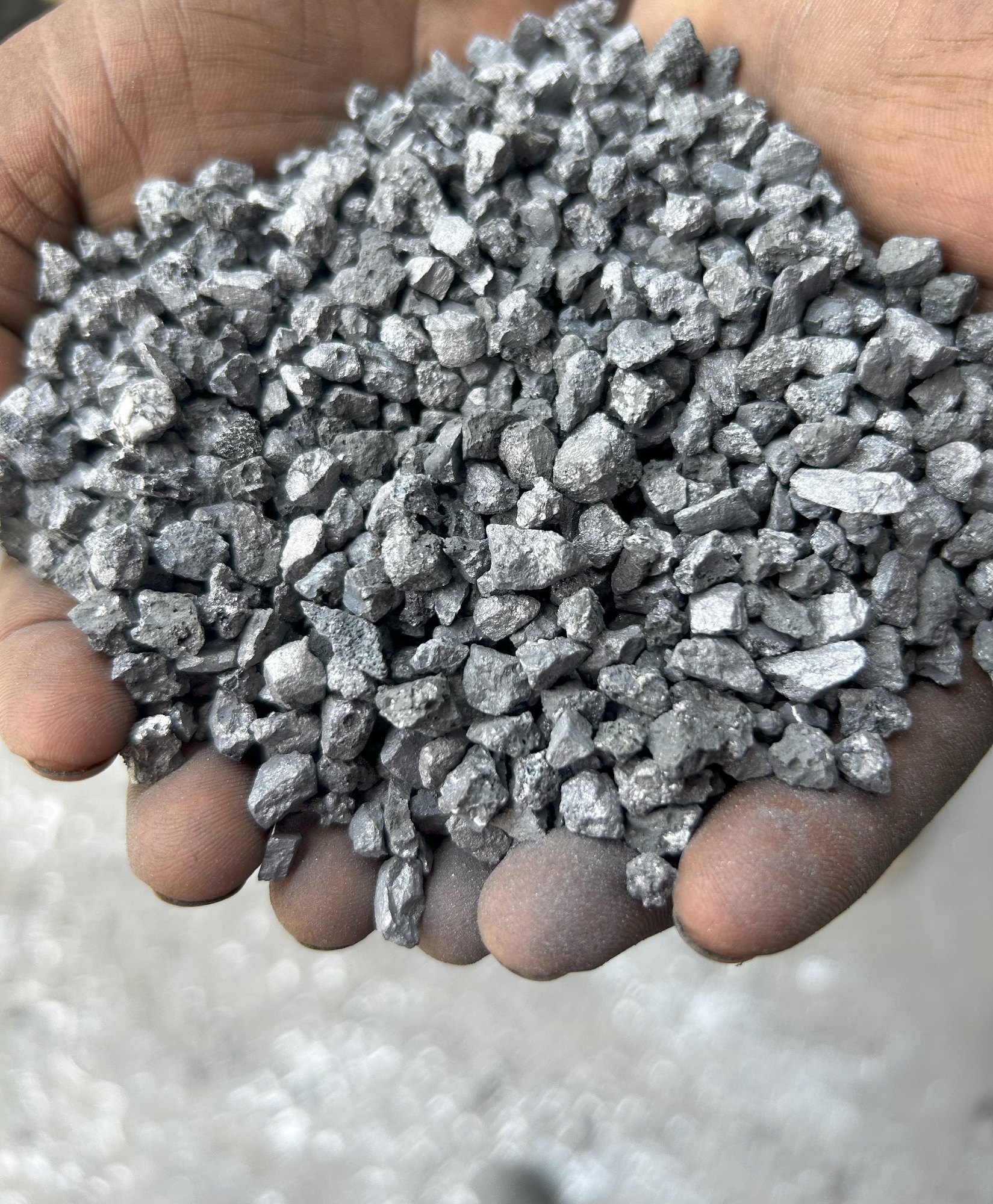
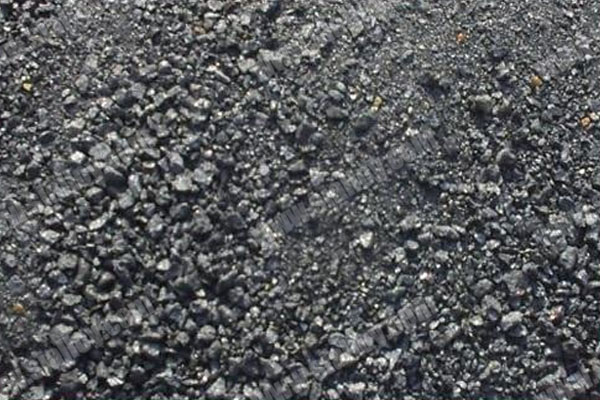
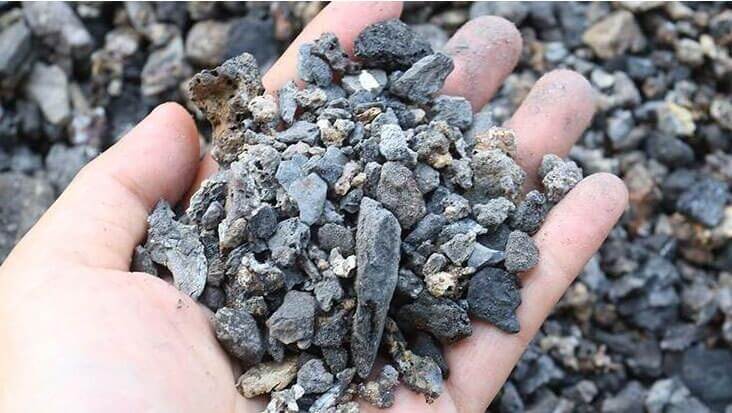
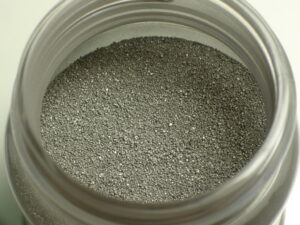
- Form: Granulated, crushed, or powdered
- Color: Grey to off-white
- Particle Size: Customizable (e.g., 0–5 mm, 5–20 mm, or fine powder <200 mesh)
- Bulk Density: Approx. 1.2–1.6 MT/m³
- Moisture Content: Controlled for handling and application stability
- Packaging Options:
- Bulk loose loading
- 25–50 kg bags
- Jumbo bags (1 MT)
- Shelf Life: Indefinite under dry storage conditions
3. Core Industrial Applications
Primary Industries
- Cement and construction materials
- Road construction and infrastructure
- Steel and metallurgical processing
- Agriculture and soil remediation
Operational Use Cases
- Supplementary cementitious material in blended cement production
- Road base and sub-base stabilization
- Fluxing agent in steel refining processes
- Soil pH adjustment and agricultural soil conditioning
- Wastewater neutralization and environmental treatment
Performance & Cost Advantages
Magnesium Slag enhances cement strength development and improves long-term durability when used as a partial clinker replacement, significantly lowering production costs and CO₂ emissions. In road construction, it provides strong binding characteristics and improved load-bearing capacity compared to conventional aggregates.
In metallurgical operations, its chemical composition supports impurity removal and slag fluidity optimization. Compared to virgin limestone or other mineral additives, Magnesium Slag offers measurable cost savings while aligning with sustainability mandates and industrial waste reduction strategies.
4. Competitive Advantages
- Quality Consistency: Controlled chemical composition and particle sizing for predictable industrial performance.
- Supply Reliability: Stable, high-volume output from established magnesium production facilities.
- Logistics Capability: Bulk export capacity with containerized and vessel shipment options.
- Price Competitiveness: Cost-effective alternative to primary mineral inputs.
- Sustainability Benefits: Supports circular economy practices by repurposing industrial by-products and reducing landfill disposal.
- Technical Documentation: Chemical analysis reports and compliance documentation available upon request.
Magnesium Slag is positioned as a strategic sourcing solution for cost-efficient, sustainable industrial operations.
5. Commercial & Supply Information
- Minimum Order Quantity (MOQ): Bulk 20 MT
- Loading Capacity:
- 20ft Container: Approx. 20–25 MT
- 40ft Container: Approx. 25–30 MT (subject to regulatory weight limits)
Long-term supply agreements and volume-based pricing options are available for industrial buyers.


Reviews
There are no reviews yet.