
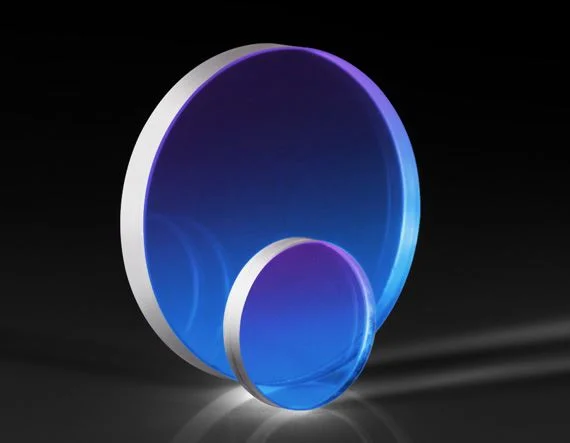
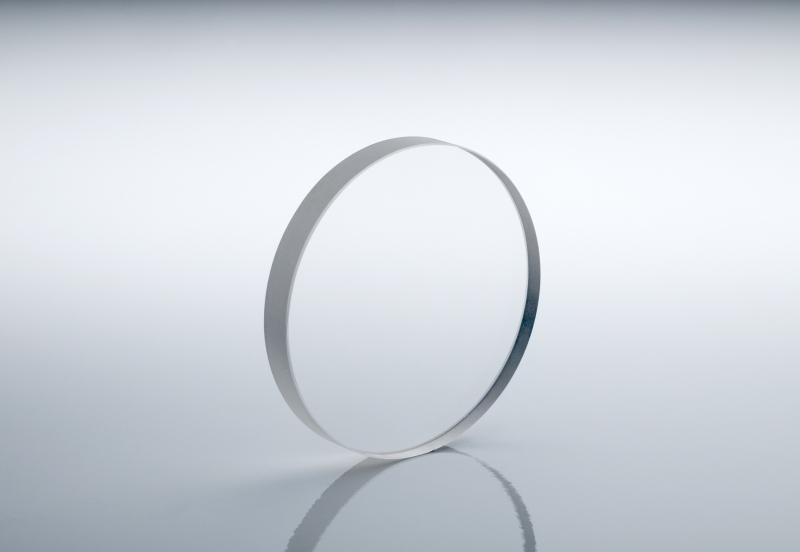
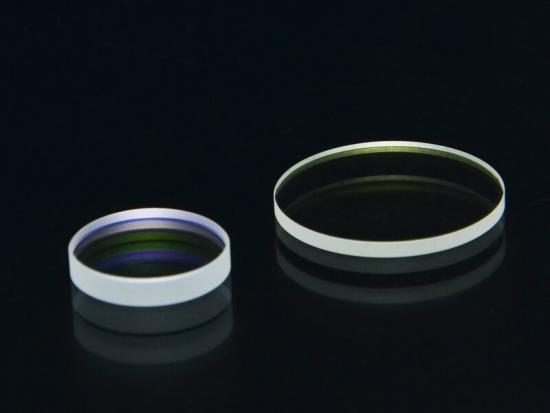
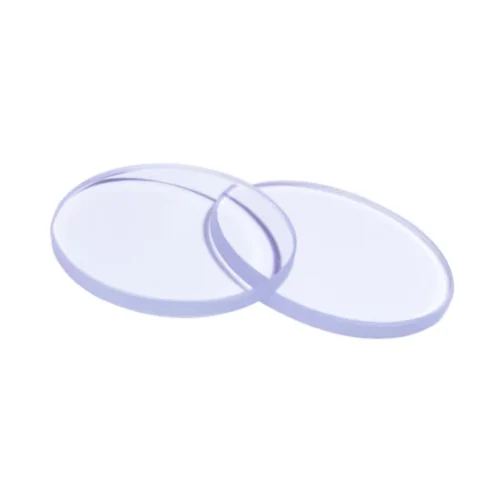
Description
Magnesium Difluoride (MgF₂): A Versatile Optical Material
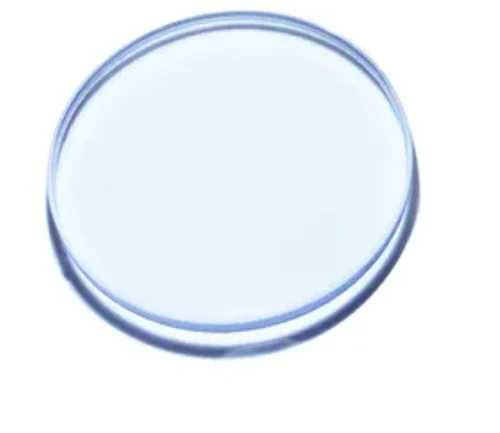
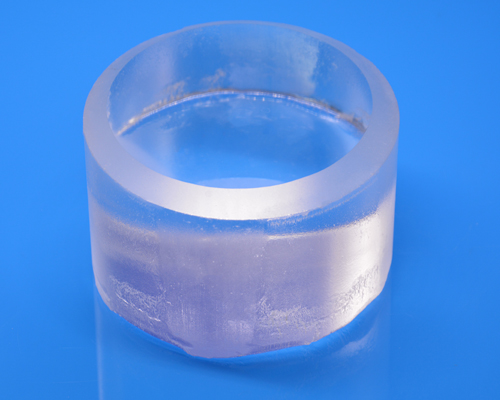
Magnesium difluoride (MgF₂), in its optical grade form, is a highly regarded material for a wide range of optical applications. Renowned for its excellent transmission from the vacuum ultraviolet (VUV) to the infrared (IR) spectrum, along with its robust physical properties, MgF₂ is a go-to choice for demanding environments. This article delves into the key characteristics and applications that make MgF₂ a valuable material in the world of optics.
Outstanding Optical Properties:
The defining characteristic of optical grade MgF₂ is its exceptional transparency across a broad spectral range. It exhibits:
- High Transmission: MgF₂ boasts high transmission from approximately 115 nm in the VUV to around 7 μm in the IR, making it a rare material capable of operating in both regions. This broad transmission range allows for its use in instruments designed for diverse scientific observations.
- Low Refractive Index: MgF₂’s low refractive index minimizes reflection losses, further contributing to its high overall transmission efficiency. This is particularly important in multi-element optical systems where minimizing losses at each surface is crucial.
- Low Birefringence: MgF₂ exhibits low birefringence, which means that light passing through it experiences minimal splitting or alteration of polarization. This characteristic is vital for applications requiring precise polarization control.
Physical and Chemical Resilience:
Beyond its optical prowess, MgF₂ stands out for its robustness and resistance to environmental factors:
- Hardness and Durability: MgF₂ is a relatively hard and durable material, making it resistant to scratching and abrasion. This is crucial for optical components exposed to harsh conditions or frequent handling.
- Chemical Inertness: MgF₂ is generally chemically inert, making it resistant to attack from most acids, bases, and solvents. This ensures its performance remains stable even in corrosive environments.
- Radiation Resistance: MgF₂ exhibits good resistance to radiation, making it suitable for applications in space or near nuclear reactors, where other optical materials might degrade.
Applications Across Diverse Fields:
The unique combination of optical and physical properties makes MgF₂ suitable for a wide array of applications, including:
- UV and VUV Optics: MgF₂ is extensively used in lenses, prisms, windows, and other components for UV and VUV spectrometers, lasers, and lithography systems. Its ability to transmit these short wavelengths is unmatched by many other optical materials.
- Infrared Optics: MgF₂ finds application in IR imaging and spectroscopy systems, particularly in applications where high transmission and low refractive index are critical.
- Space-Borne Instruments: Due to its radiation resistance and wide spectral range, MgF₂ is often incorporated into telescopes and other instruments operating in space, where it withstands harsh conditions.
- Optical Coatings: MgF₂ is used as a thin-film coating to enhance the transmission or reflection of other optical materials. Its low refractive index makes it an excellent choice for anti-reflection coatings.
- Excimer Lasers: MgF₂ windows and lenses are used in excimer lasers, which emit high-energy UV light, due to its resistance to the damaging effects of this radiation.
Challenges and Considerations:
While MgF₂ offers significant advantages, there are some challenges associated with its use:
- Cost: High-quality optical grade MgF₂ can be more expensive than some other optical materials due to the demanding manufacturing processes required to achieve the necessary purity and homogeneity.
- Fabrication: MgF₂ can be challenging to fabricate due to its hardness and birefringence. Specialized techniques and equipment are often required to produce high-precision optical components.
- Deliquescence: While chemically inert, MgF₂ can be slightly hygroscopic. Under extreme humidity, the surface may undergo slight degradation, requiring careful handling and storage.
Conclusion:
Magnesium difluoride, in its optical grade form, remains a vital material for a wide range of optical applications, particularly where high transmission from the VUV to the IR, along with robustness and radiation resistance, are paramount. Despite certain challenges associated with its cost and fabrication, its unique properties continue to make it an invaluable asset in diverse scientific and technological fields. As technology advances, MgF₂ is likely to remain a key player in pushing the boundaries of optical performance.




Reviews
There are no reviews yet.