


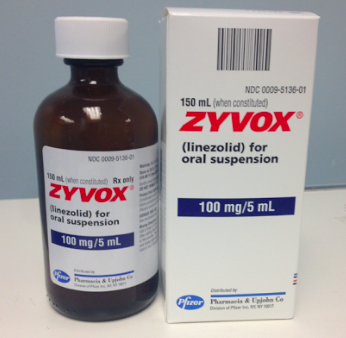
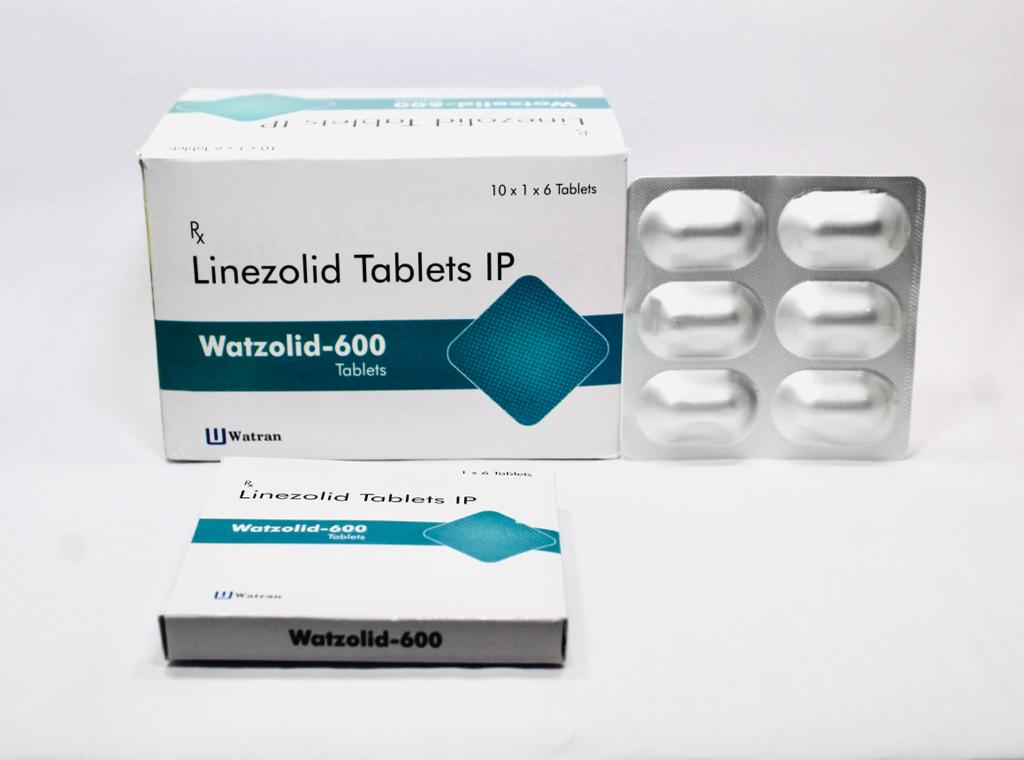
Description
Linezolid: A Powerful Weapon in the Fight Against Resistant Infections
In the constant battle against bacteria, new and innovative antibiotics are crucial, especially in the face of increasing antimicrobial resistance. Linezolid, a synthetic oxazolidinone antibiotic, has emerged as a valuable tool for treating serious infections caused by multidrug-resistant Gram-positive bacteria. Its unique mechanism of action and broad spectrum of activity make it a crucial option when other antibiotics fail.
How Linezolid Works: A Novel Approach
Unlike many antibiotics that target bacterial cell wall synthesis or DNA replication, linezolid inhibits protein synthesis. It binds to the 23S ribosomal RNA of the 50S ribosomal subunit, preventing the formation of the initiation complex necessary for bacterial protein synthesis. This unique mechanism distinguishes linezolid from older antibiotics and often allows it to overcome resistance mechanisms that target other protein synthesis inhibitors.
Key Applications: Targeting Tough Infections
Linezolid is primarily used to treat serious infections caused by Gram-positive bacteria, particularly those resistant to other antibiotics like methicillin and vancomycin. Some of its key applications include:
- Vancomycin-resistant Enterococcus (VRE) infections: VRE infections can be particularly challenging to treat, and linezolid is often a first-line agent against these resistant strains.
- Methicillin-resistant Staphylococcus aureus (MRSA) infections: Linezolid is effective in treating MRSA pneumonia, skin and soft tissue infections, and bloodstream infections.
- Community-acquired pneumonia: Linezolid can be used to treat pneumonia caused by susceptible bacteria, particularly when other antibiotics are ineffective or contraindicated.
- Complicated skin and soft tissue infections: Linezolid is often used for complex skin infections requiring hospitalization, especially when MRSA is suspected.
Administration and Considerations
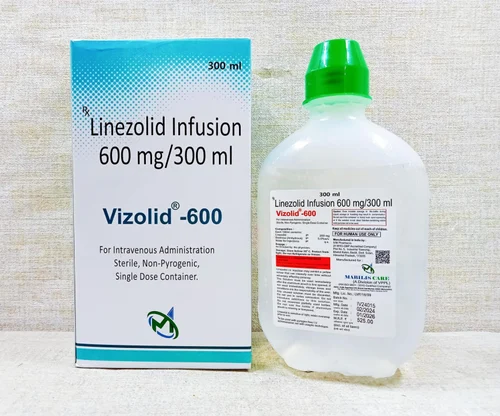
Linezolid is available in both oral and intravenous formulations, offering flexibility in treatment settings. Oral bioavailability is high, allowing for seamless transition from intravenous to oral therapy once the patient is stable. However, like all medications, linezolid has potential side effects.
Potential Side Effects and Monitoring
While generally well-tolerated, linezolid can cause some adverse effects. Common side effects include:
- Myelosuppression: Linezolid can suppress bone marrow function, leading to thrombocytopenia (low platelet count), anemia (low red blood cell count), and leukopenia (low white blood cell count). Regular blood counts are essential during prolonged treatment.
- Peripheral neuropathy: Long-term use of linezolid can cause peripheral neuropathy characterized by pain, numbness, or tingling in the extremities.
- Optic neuropathy: In rare cases, linezolid can cause optic neuropathy affecting vision. Regular eye exams may be recommended for patients on prolonged therapy.
- Gastrointestinal disturbances: Nausea, vomiting, and diarrhea are common side effects.
- Serotonin syndrome: Linezolid is a weak monoamine oxidase inhibitor (MAOI) and should be used with caution in patients taking selective serotonin reuptake inhibitors (SSRIs) or other serotonergic medications to avoid serotonin syndrome.
The Importance of Responsible Use
Like all antibiotics, linezolid should be used judiciously to minimize the development of resistance. Antimicrobial stewardship programs play a crucial role in ensuring appropriate prescribing practices and minimizing unnecessary use. Strategies to prevent the spread of resistant bacteria, such as hand hygiene and isolation precautions, are also essential.
Conclusion: A Vital Antibiotic in a Challenging Landscape
Linezolid represents a significant advancement in the treatment of serious Gram-positive infections, particularly those resistant to other antibiotics. Its unique mechanism of action and broad spectrum of activity make it a valuable option when other treatments fail. However, careful monitoring for potential side effects and responsible prescribing are essential to preserve its effectiveness in the ongoing fight against antimicrobial resistance. As we continue to face the evolving threat of resistant bacteria, linezolid remains a crucial weapon in our arsenal.


Reviews
There are no reviews yet.