
Description
1. Product Overview
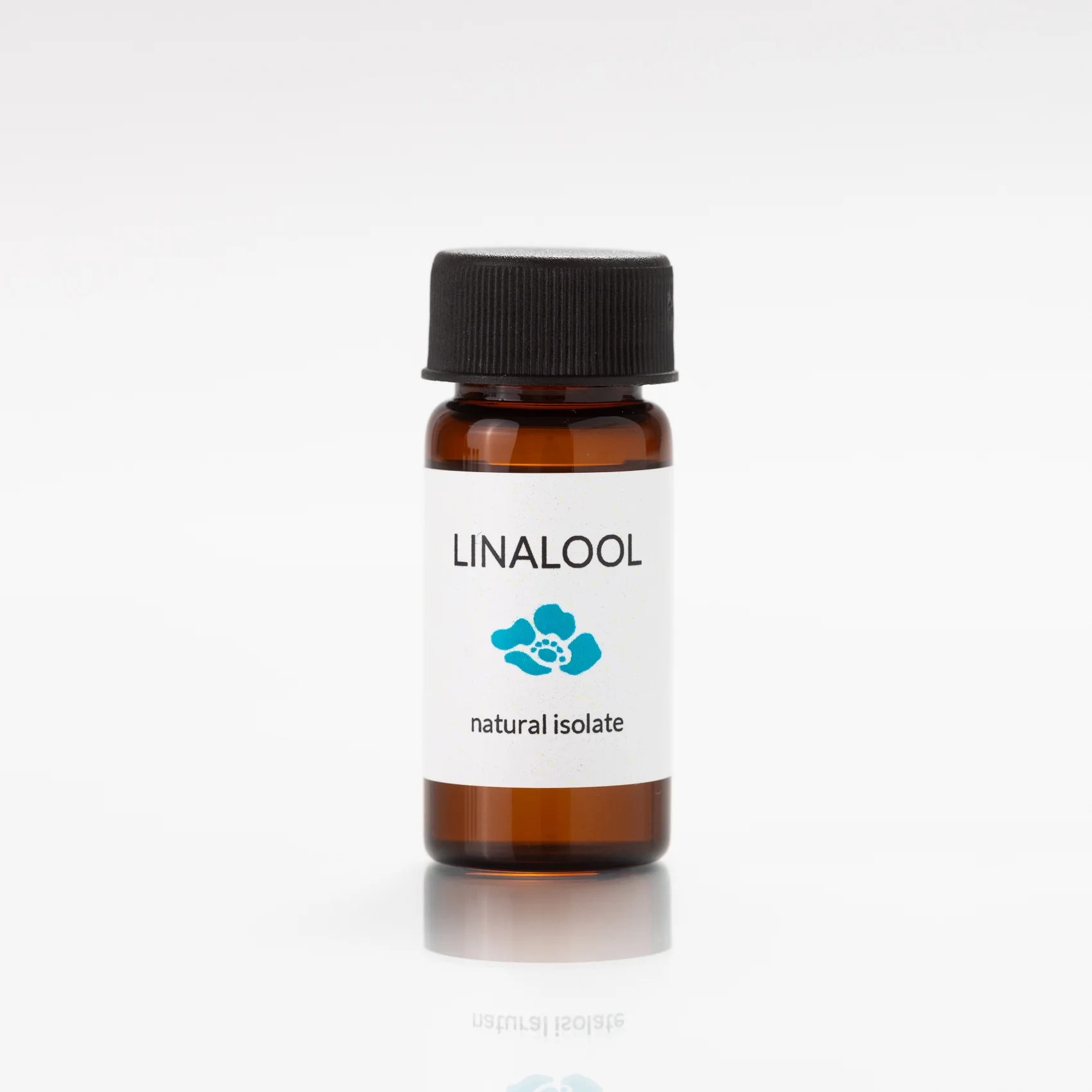
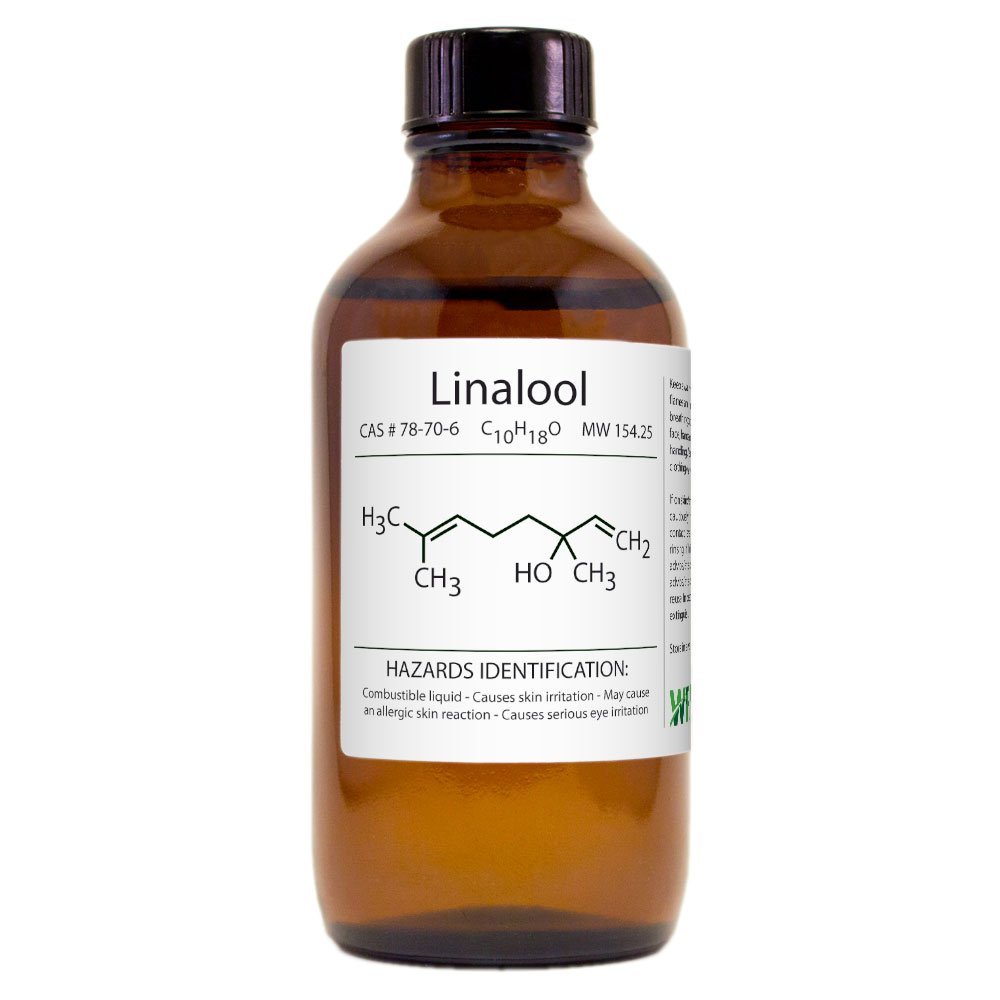
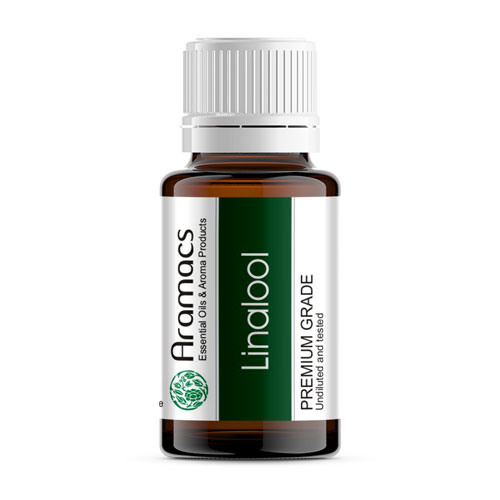
Linalool is a naturally occurring terpene alcohol widely used as a key aromatic compound in fragrance, flavor, and specialty chemical industries. It is derived from natural sources such as coriander, lavender, and basil, or produced synthetically to meet industrial-scale demand. Its primary industrial use lies in formulating perfumes, personal care products, cleaning agents, and flavor systems due to its pleasant floral and citrus-like scent. The key value proposition is its versatility, consistent olfactory profile, and compatibility across multiple formulations. Strategically, linalool is essential in global fragrance and flavor supply chains, supporting high-volume production with stable performance and cost efficiency.
2. Key Specifications & Technical Characteristics
- Chemical Composition:
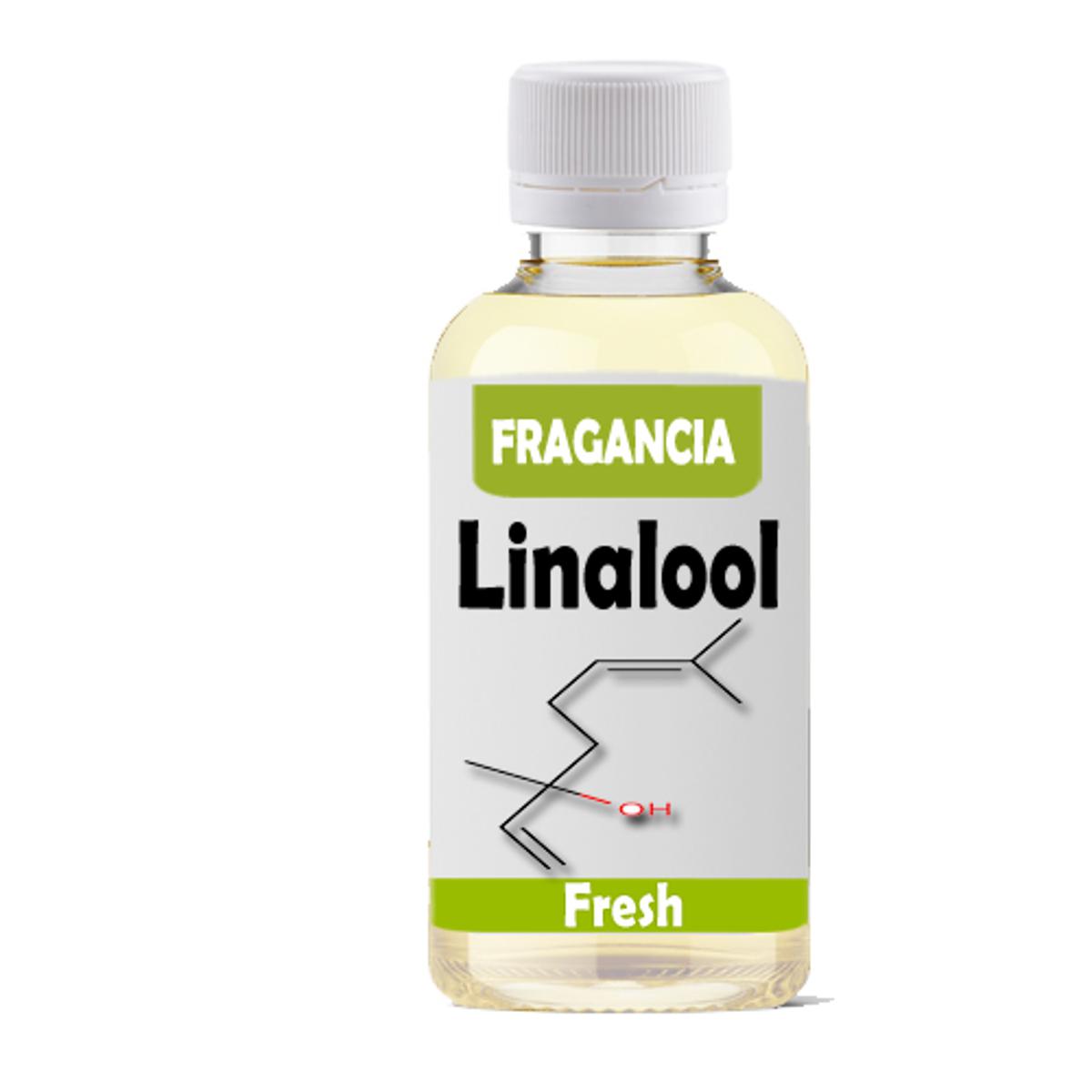
- Linalool (C₁₀H₁₈O)
- May contain trace terpene-related impurities depending on source (natural or synthetic)
- Purity Level / Grade:
- Typically ≥95–99% purity (industrial/fragrance grade)
- Food-grade and pharmaceutical-grade variants available upon request
- GC analysis provided for batch verification
- Physical Characteristics:
- Liquid form
- Color: Colorless to pale yellow
- Odor: Floral, citrus-like, slightly spicy
- Density: ~0.85–0.87 g/cm³ at 20°C
- Boiling point: ~198°C
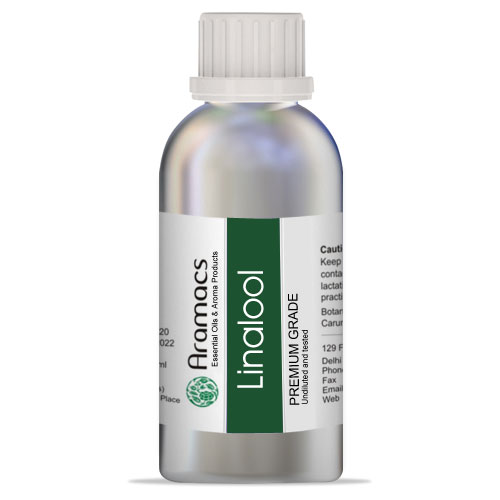
- Packaging Options:
- HDPE drums (180–200 kg)
- IBC containers (1,000L)
- ISO tank containers for bulk shipments
- Shelf Life:
- Typically 12–24 months under sealed, cool, and dry storage conditions
- Store away from light and air to prevent oxidation
3. Core Industrial Applications
Primary Industries:
- Fragrance and perfume manufacturing
- Personal care and cosmetics
- Household and industrial cleaning products
- Food and beverage flavoring
- Pharmaceutical intermediates
Operational Use Cases:
- Core ingredient in perfume compositions and fine fragrances
- Fragrance component in soaps, detergents, shampoos, and lotions
- Flavor additive in beverages, confectionery, and processed foods
- Intermediate in synthesis of vitamin E and other specialty chemicals
Performance & Cost Advantages:
Linalool offers excellent formulation compatibility and stability across a wide range of product matrices. Compared to alternative aroma compounds, it delivers a balanced scent profile with strong consumer acceptance at competitive cost levels. Its availability in both natural and synthetic forms allows manufacturers to optimize sourcing strategies, ensuring cost efficiency without compromising product quality or consistency.
4. Competitive Advantages
- Quality Consistency: High-purity grades with strict batch-to-batch olfactory and chemical consistency
- Supply Reliability: Scalable production from both natural extraction and synthetic manufacturing routes
- Logistics Capability: Global bulk supply supported by standardized packaging and transport systems
- Price Competitiveness: Flexible sourcing options enabling cost optimization across applications
- Sustainability Benefits: Availability of naturally derived variants supporting clean-label and eco-friendly formulations
- Technical Documentation: Comprehensive COA, SDS, IFRA compliance documentation, and regulatory support
Positioned as a critical aromatic building block, linalool enables manufacturers to maintain product differentiation, ensure formulation stability, and achieve cost-effective scalability in fragrance and flavor production.
5. Commercial & Supply Information
- Minimum Order Quantity (MOQ): BULK 20MT
- Loading Capacity (MT per container): Approximately 18–22 MT per 20’ container (drums) or up to 20–24 MT per ISO tank container (subject to packaging format)



Reviews
There are no reviews yet.