

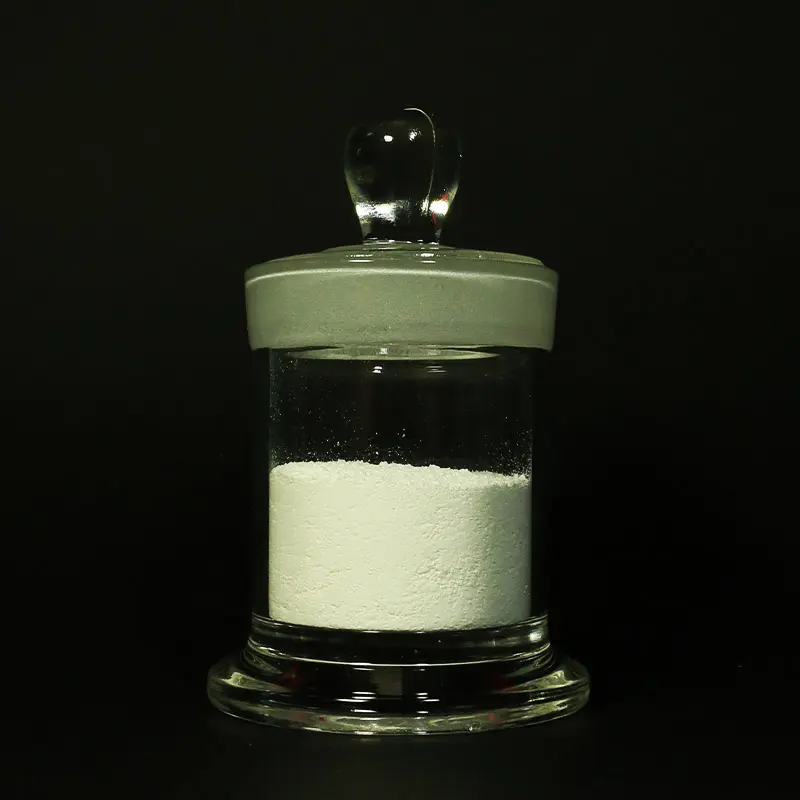
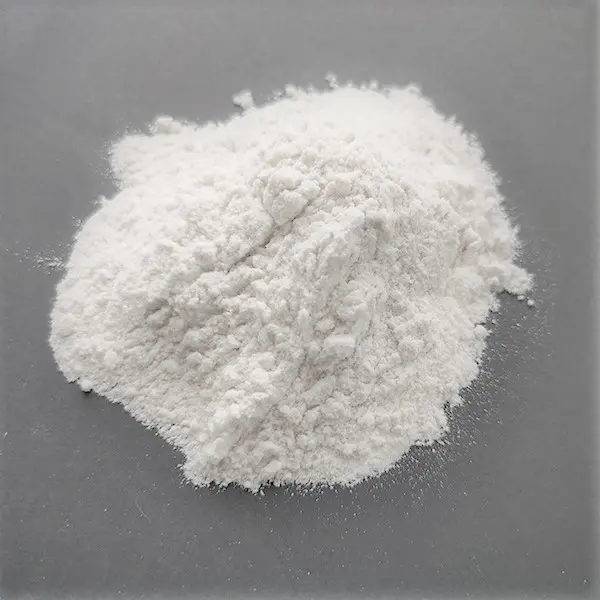

Description
Lanthanum oxide in FCC catalysts
Lanthanum oxide (La2O3) is a common promoter used in fluid catalytic cracking (FCC) catalysts, typically as part of rare-earth modified Y zeolites (REY) or as a promoter in the catalyst’s matrix. Its main purpose is to improve the catalyst’s hydrothermal stability and to influence selectivity and resistance to deactivation.
Key roles and mechanisms
-
Hydrothermal stability of the Y zeolite
- La and other rare-earth ions help stabilize the zeolite framework during high-temperature steam aging, reducing dealumination and preserving acidity and pore structure.
-
Coke management and product selectivity
- La-containing formulations can modestly reduce coke formation and can influence cracking pathways toward gasoline-range products. The effect is often complementary to other components of the catalyst and depends on overall formulation.
-
Sulfur and sulfur oxide tolerance
- Basic lanthanum species can interact with acidic gas species (such as SOx) and help mitigate poisoning of active sites, contributing to catalyst life in sulfur-rich feeds.
-
Acid site distribution and stability
- Incorporation of La can modify the distribution and strength of acid sites in the zeolite, which in turn affects cracking selectivity and stability under aging conditions.
Typical formulations and loadings
- In REY catalysts, rare-earth elements (including La, Ce, Y, and others) are integrated into the zeolite matrix to enhance aging resistance. The exact loading of La (and other REs) varies by product and target properties.
- In practice, the final La-containing material in an FCC catalyst is usually in the low single-digit weight percent range (often a fraction to a few percent of the catalyst mass). Exact numbers depend on the supplier formulation and intended performance goals.
- La is frequently used together with other rare earths (notably Ce) to balance properties such as hydrothermal stability and coke resistance.
Important note: If you’re selecting a commercial FCC catalyst or designing a formulation, refer to the supplier’s data sheet for the precise La content, distribution (zeolite vs. matrix), and aging performance. Loadings and distributions are product-specific.
Preparation and integration considerations
- Methods to introduce La
- Ion-exchange into Y zeolite (to form REY)
- Impregnation or co-precipitation to incorporate La into the binder/matrix
- Blending formulations where La-containing components are combined with a standard zeolite and matrix
- Aging and testing
- Hydrothermal aging tests (e.g., high temperature steam) are used to evaluate the improvement in framework stability
- Coke and product selectivity tests help assess any changes in gasoline yield and LPG formation
- Characterization to monitor La-containing catalysts
- XRD for phase stability
- NH3-TPD or FTIR for acid site distribution
- BET surface area and pore volume to monitor porosity changes
- Pyrolysis-GC or microactivity tests for cracking performance
Pros, cons, and practical tips
-
Pros
- Enhanced hydrothermal stability of the Y zeolite
- Potential improvement in catalyst lifetime under steaming
- Some improvement in resistance to sulfur-containing feeds
-
Cons / caveats
- Overloading La can overly suppress acidity or alter pore structure, potentially reducing gasoline yield or altering product slate unfavorably
- Rare-earth costs and supply considerations can influence formulation decisions
-
Practical tips
- For aging-sensitive feeds or high-steam environments, consider REY formulations with balanced La and Ce content
- When upgrading an existing catalyst, pilot testing with a La-containing variant is advisable to quantify gains in stability and any effects on product distribution
- Work with catalyst suppliers to obtain performance data under your specific feed SL (slate) and reactor conditions
Quick reference: comparison highlights
-
With La2O3 (La-containing REY):
- Improves hydrothermal stability of the zeolite
- Can reduce coke formation modestly
- Enhances resistance to sulfur-related deactivation
- Alters acid-site distribution, affecting selectivity
-
Without REY (baseline FCC catalyst):
- Lower hydrothermal stability under aging conditions
- Higher coke propensity in some feeds
- More uniform but potentially less robust performance in steel-wheat aging environments
-
With CeO2 or other REOs (as alternatives or in combination):
- CeO2 brings redox and oxygen-storage capabilities that can complement La
- Combined RE systems are used to tune aging, coke, and sulfur tolerance
Summary and takeaway
Lanthanum oxide is a well-established promoter in FCC catalysts, primarily serving to boost hydrothermal stability and help manage deactivation and sulfur effects while modestly influencing coke and product distribution. Exact loads and combinations vary by product and target performance, so it is best to rely on supplier specifications and pilot data when selecting or designing an La-containing FCC catalyst. If you’d like, I can help compare specific commercial REY formulations or outline a pilot testing plan to evaluate La-containing catalysts for your feed and reactor conditions.
Reviews
There are no reviews yet.