
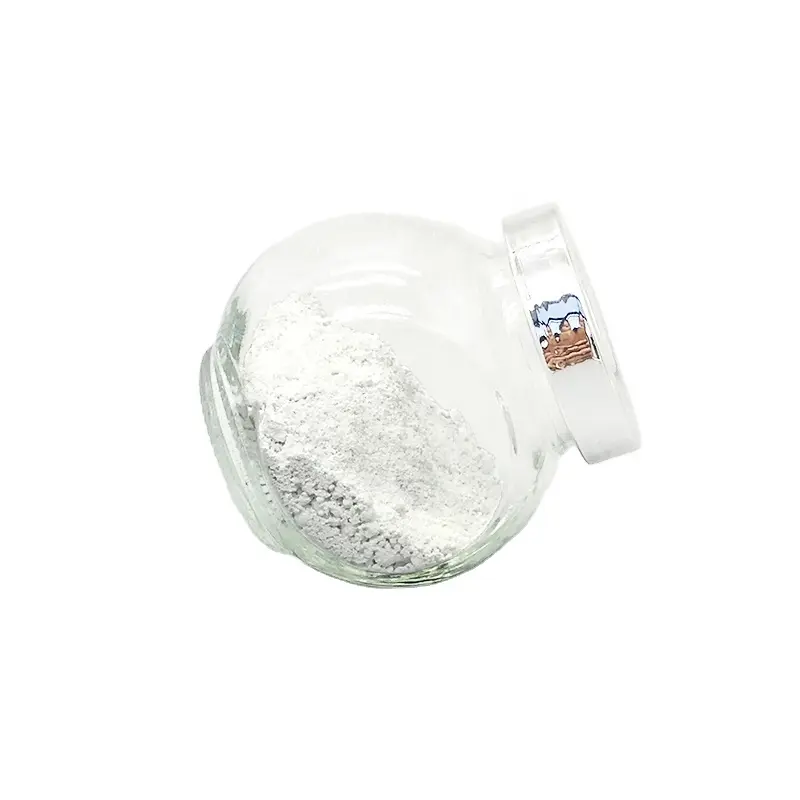
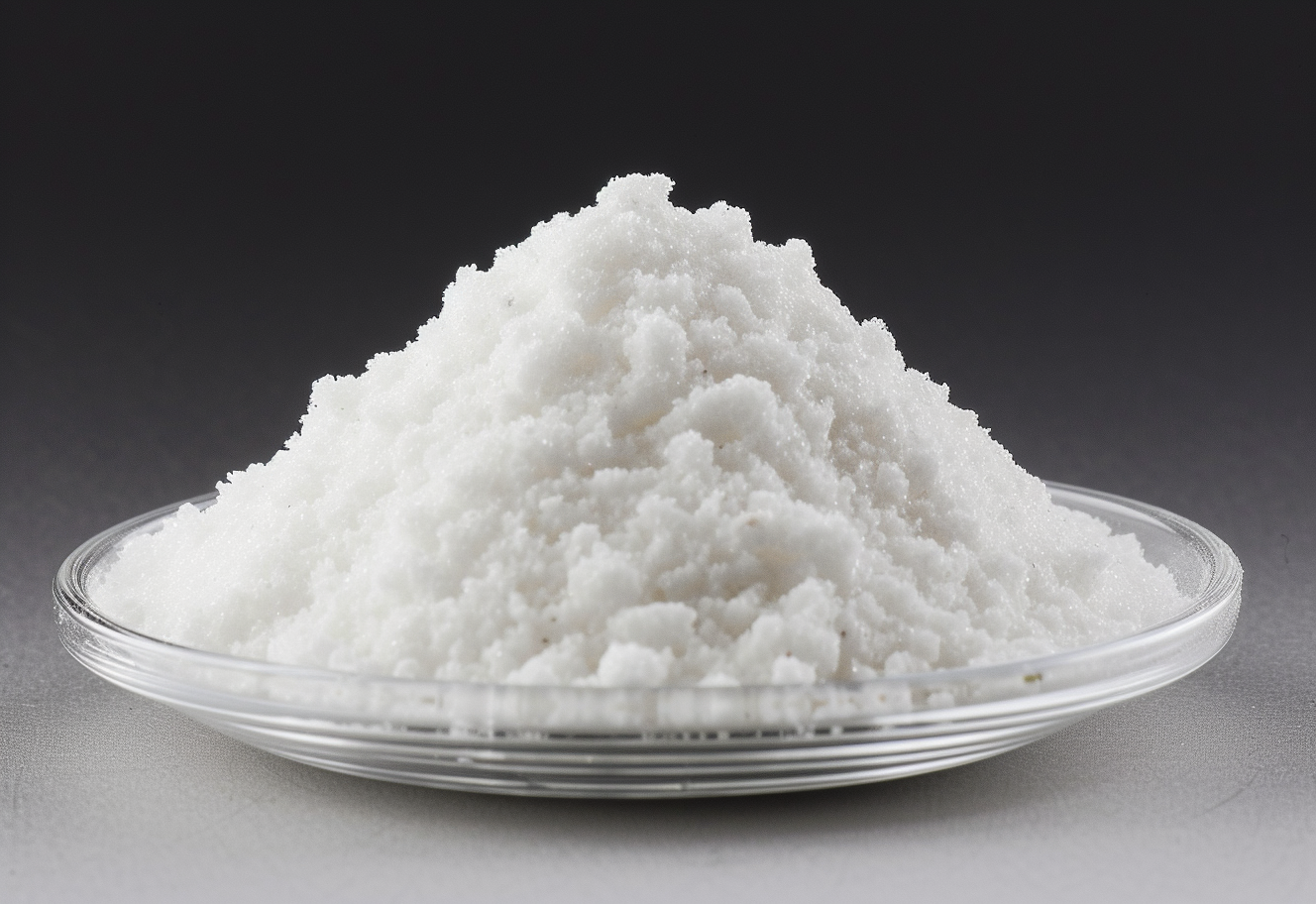
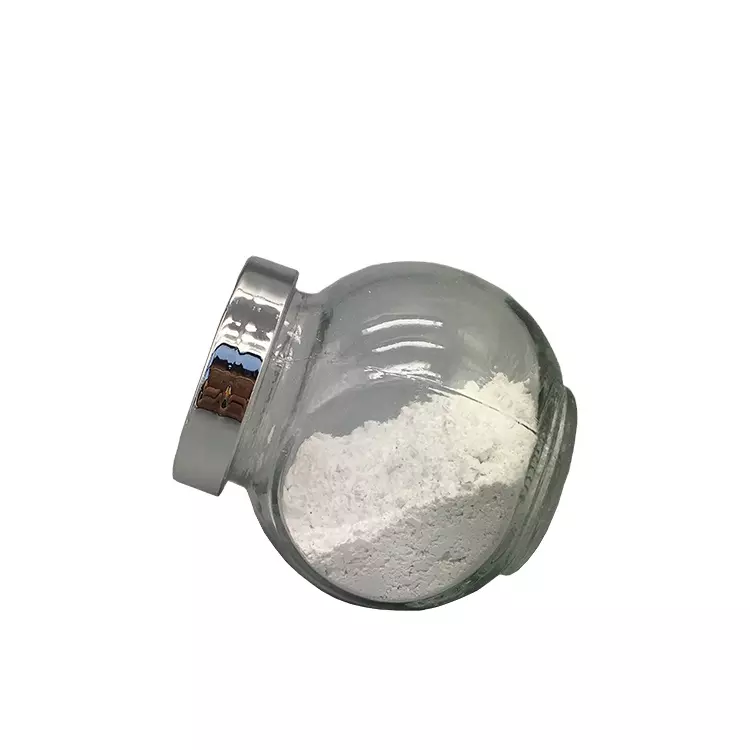
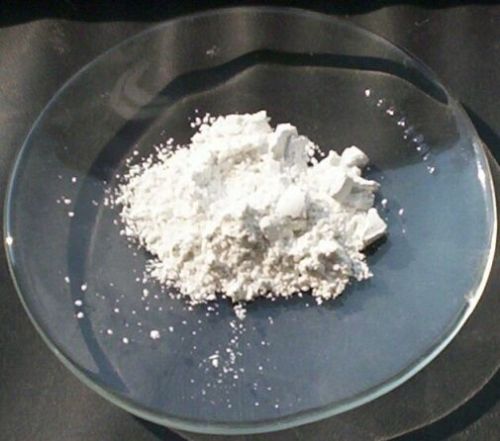
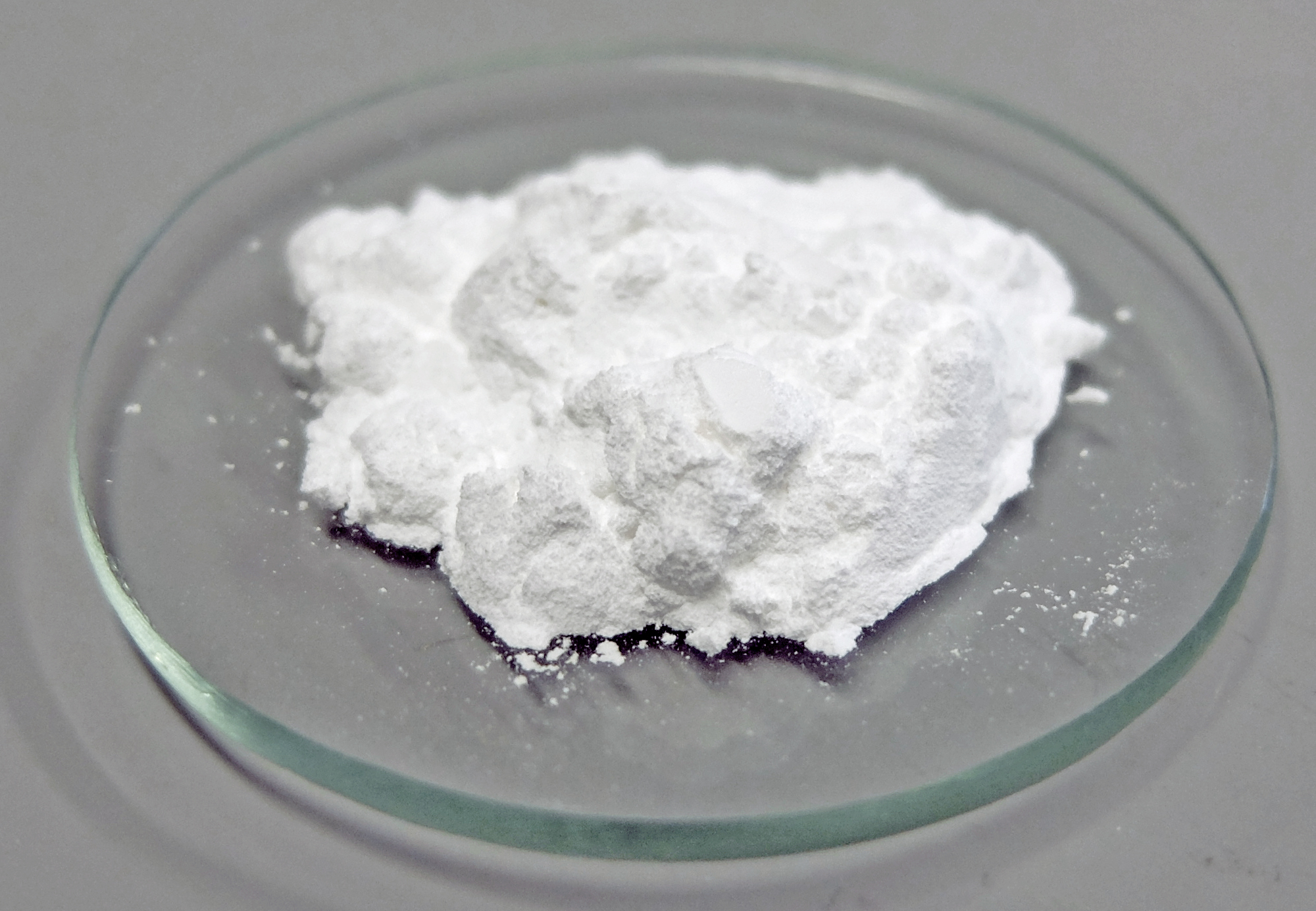

Description
Title: Revolutionizing FCC Catalysts: The Role of Lanthanum Oxide
The fluid catalytic cracking (FCC) process is a critical technology in the petroleum refining industry, responsible for converting heavy, high-boiling hydrocarbon fractions into lighter, more valuable products. As a vital component in this process, catalysts play a crucial role in maximizing the efficiency and selectivity of the reaction. In recent years, researchers have been exploring the potential of lanthanum oxide (La2O3) as an additive to improve the performance of FCC catalysts.
Lanthanum oxide is a rare earth metal oxide that has been widely studied for its unique properties, such as high thermal stability, high melting point, and excellent catalytic activity. These characteristics make it an attractive candidate for incorporation into FCC catalysts, with the aim of enhancing their performance and durability.
The addition of lanthanum oxide to FCC catalysts has been shown to improve their catalytic activity in several ways. Firstly, La2O3 can act as a promoter for the active zeolite component of the catalyst, increasing its surface area and stabilizing the zeolite structure. This results in a higher number of active sites available for the cracking reaction, leading to improved conversion rates and product yields.
Secondly, lanthanum oxide can help to reduce the coke formation on the catalyst surface, which is a major challenge in the FCC process. Coke deposits can lead to catalyst deactivation and reduced catalyst lifetime. By incorporating La2O3 into the catalyst, the formation of coke can be suppressed, thereby maintaining the catalyst’s activity and extending its operational life.
Moreover, lanthanum oxide has been found to improve the selectivity of FCC catalysts towards the production of desirable products, such as gasoline and light olefins. This is achieved through the modification of the catalyst’s acidity and pore structure, which in turn influences the reaction pathways and product distribution.
The benefits of incorporating lanthanum oxide into FCC catalysts have been demonstrated in several studies. For example, a study by Kawi et al. (2017) found that the addition of La2O3 to a commercial FCC catalyst resulted in a significant increase in gasoline yield and a decrease in coke formation. Similarly, a study by Wang et al. (2018) reported that lanthanum oxide-modified FCC catalysts exhibited enhanced activity, selectivity, and stability compared to the unmodified catalyst.
In conclusion, lanthanum oxide has emerged as a promising additive for enhancing the performance of FCC catalysts. By improving catalytic activity, reducing coke formation, and increasing product selectivity, the incorporation of La2O3 can lead to significant improvements in the efficiency and durability of FCC catalysts. As the petroleum refining industry continues to evolve, the development and optimization of lanthanum oxide-based FCC catalysts will play a key role in meeting the growing demand for high-quality, environmentally friendly fuels and chemicals.
References:
Kawi, S., Rokni, M. R., & Ghaziaskar, H. (2017). Effect of lanthanum oxide on the performance of FCC catalysts. Journal of Petroleum Science and Engineering, 156, 152-161.
Wang, L., Zhang, Y., Zhang, Q., & Zhou, Y. (2018). Enhancement of FCC catalyst performance by incorporation of lanthanum oxide. Fuel, 222, 115-121.


Reviews
There are no reviews yet.