



Description
Okay, let’s craft an article about Lactose, covering its origins, digestion, intolerance, and potential dietary management. Here’s a possible structure:
Title: Lactose: Understanding The Sugar in Milk
Introduction:
- Start with a relatable hook, perhaps a personal anecdote about lactose intolerance or a common misconception about lactose.
- Briefly define lactose as a sugar found in milk and dairy products.
- State the article’s purpose: to explain what lactose is, how it’s digested, what happens when digestion goes wrong (lactose intolerance), and how to manage lactose intolerance.
- End with a question that keeps the reader engaged, such as “Is lactose something you need to worry about in your diet?” or “Can you enjoy dairy even if you’re lactose intolerant?”
What is Lactose?
- Lactose Definition: A disaccharide sugar composed of two simpler sugars: glucose and galactose.
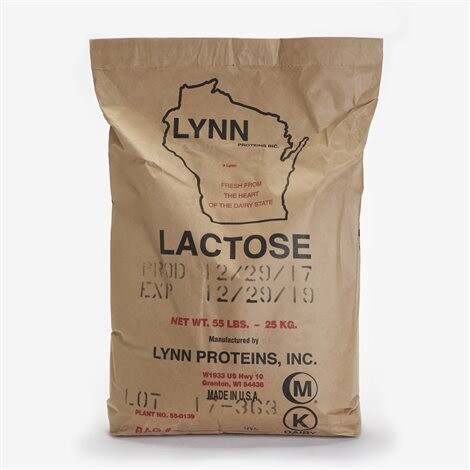
- Where It’s Found: Primarily in milk from mammals (cows, goats, sheep, humans) and, therefore, in products made from milk, such as cheese, yogurt, ice cream, and butter.
- Minor Sources: Mention that lactose can also be found as an ingredient in processed foods, such as baked goods, cereals, salad dressings, and medications (as a filler). Explain that this is usually in small quantities, but important for very sensitive individuals to be aware of.
How Lactose is Digested:
- The Role of Lactase: Explain that the enzyme lactase, produced in the small intestine, is responsible for breaking down lactose into glucose and galactose.
- Absorption: Once broken down, glucose and galactose are absorbed into the bloodstream and used for energy.
- Ideal Scenario: A healthy digestive system produces enough lactase to efficiently digest ingested lactose.
Lactose Intolerance: When Things Go Wrong
- Definition: Explain that lactose intolerance arises when the small intestine doesn’t produce enough lactase to digest lactose properly.
- Undigested Lactose: Describe what happens to undigested lactose: it travels to the colon, where bacteria ferment it, producing gas, bloating, and other uncomfortable symptoms.
- Symptoms: List common symptoms of lactose intolerance, including:
- Gas
- Bloating
- Abdominal cramps
- Diarrhea
- Nausea (less common, but possible)
- Types of Lactose Intolerance:
- Primary Lactose Intolerance: The most common type, where lactase production naturally declines with age. Explain the genetic component (more prevalent in certain populations).
- Secondary Lactose Intolerance: Caused by an underlying condition that damages the small intestine (e.g., celiac disease, Crohn’s disease, gastroenteritis). Often temporary, improving as the underlying condition heals.
- Congenital Lactose Intolerance: A very rare genetic disorder where infants are born with little or no lactase.
- Developmental Lactose Intolerance: Premature infants sometimes have low lactase levels since it develops late in pregnancy.
- Diagnosis: Briefly mention common diagnostic tests:
- Lactose Tolerance Test: Measures blood glucose levels after consuming a lactose-containing drink.
- Hydrogen Breath Test: Measures the amount of hydrogen in breath, which increases when undigested lactose is fermented in the colon.
- Stool Acidity Test: Used primarily in infants and children to detect undigested lactose in stool.
Managing Lactose Intolerance:
- No Cure, But Manageable: Emphasize that lactose intolerance isn’t an allergy and is manageable.
- Dietary Strategies:
- Limit Lactose Intake: Experiment to find your tolerance level. Some people can tolerate small amounts of lactose, while others need to avoid it almost entirely.
- Choose Lower-Lactose Dairy Products: Hard cheeses (like cheddar and parmesan) and yogurt (especially Greek yogurt) often contain less lactose.
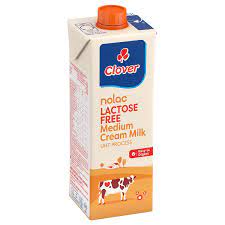
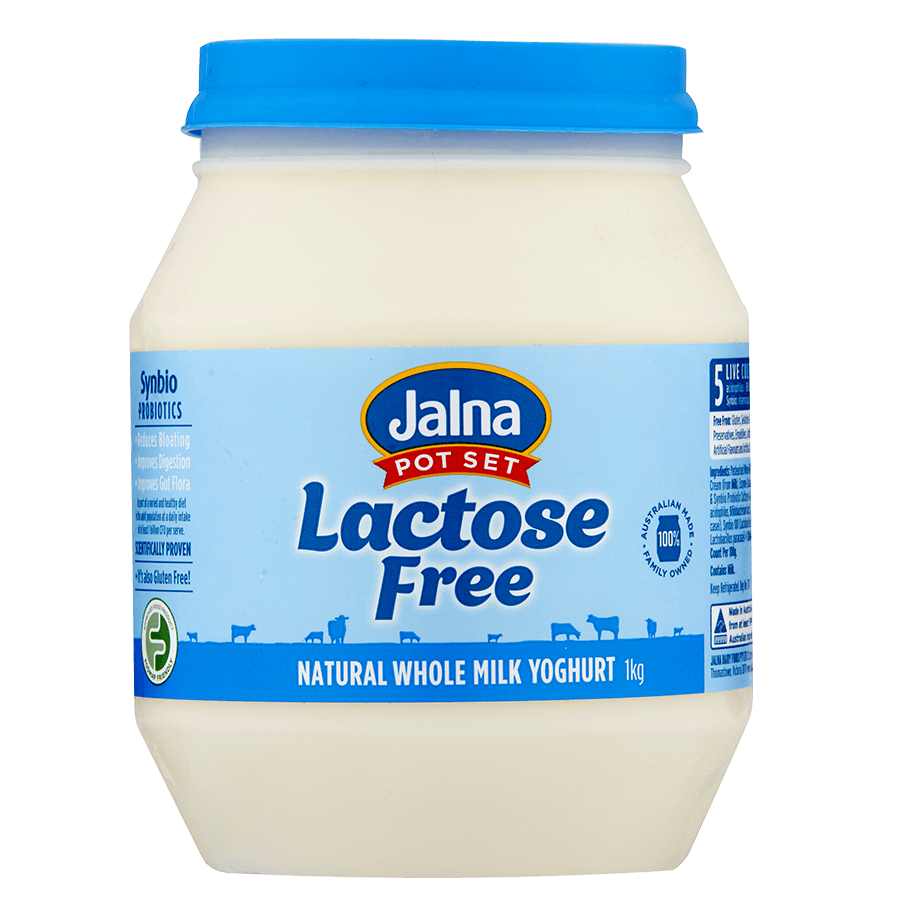
- Lactose-Free Alternatives: Plant-based milks (almond, soy, oat, coconut), lactose-free dairy milk, lactose-free cheese, and ice cream. Explain how lactose-free dairy milk is made (lactase added during processing).
- Read Food Labels Carefully: Look for hidden sources of lactose in processed foods.
- Lactase Supplements:
- Explain how lactase enzyme supplements work: they provide the lactase enzyme needed to break down lactose.
- When to Take: Before consuming dairy products.
- Effectiveness: Varies from person to person.
- Probiotics: Briefly mention that some studies suggest that certain probiotics may help improve lactose digestion.
Benefits of Dairy (If Tolerated):
- Nutrient Powerhouse: Highlight the nutritional benefits of dairy products: calcium, vitamin D, protein, potassium, and other essential nutrients.
- Bone Health: Emphasize the importance of calcium and vitamin D for bone health, especially for children and older adults.
- Finding Alternatives: If dairy is completely avoided, make sure to obtain these nutrients from other sources (e.g., leafy green vegetables, fortified foods, supplements).
Conclusion:
- Reiterate the main points: lactose is a sugar in milk, lactose intolerance is a common digestive issue, and it can be managed effectively.
- Encourage readers to consult their doctor or a registered dietitian for personalized advice on managing lactose intolerance and ensuring adequate nutrient intake.
- End with a positive and empowering message: “With awareness and proper management, you can still enjoy a balanced and fulfilling diet, even with lactose intolerance.”
Important Considerations for Writing the Article:
- Target Audience: Who are you writing for? Adjust the language and level of detail accordingly.
- Accuracy: Ensure all information is accurate and up-to-date, referencing reliable sources like the National Institutes of Health (NIH), the Mayo Clinic, and the National Institute of Diabetes and Digestive and Kidney Diseases (NIDDK).
- Clarity: Use clear and concise language, avoiding jargon.
- Objectivity: Present information in a balanced and unbiased manner.
- Readability: Use headings, subheadings, bullet points, and short paragraphs to make the article easy to read.
- Images/Illustrations: Consider adding images or illustrations to make the article more engaging. Examples: a diagram of lactose digestion, pictures of lactose-free dairy products, etc.
- Disclaimer: Include a disclaimer stating that the information provided is not a substitute for professional medical advice.
By following this outline and incorporating these considerations, you can create a comprehensive and informative article about lactose. Remember to cite your sources and tailor the information to your specific target audience. Good luck!


Reviews
There are no reviews yet.