
Description
L-Serine: A Vital Amino Acid with Surprising Potential
L-Serine, an amino acid often overshadowed by more well-known players like leucine and tryptophan, is quietly playing a crucial role in our bodies. While it’s considered a non-essential amino acid, meaning our bodies can produce it, L-Serine’s importance extends far beyond simple protein building. Recent research is unveiling its potential benefits in areas ranging from brain health to metabolic function, making it a fascinating and increasingly relevant topic for health-conscious individuals.
What is L-Serine and Why is it Important?
L-Serine is a naturally occurring, proteinogenic amino acid. This means it’s one of the building blocks used to create proteins in the body. But L-Serine’s role goes much deeper than just structural support. It’s involved in a variety of essential biological processes, including:
- Neurotransmitter Synthesis: L-Serine is a precursor to important neurotransmitters like D-serine, glycine, and phosphatidylserine, which are vital for healthy brain function. These neurotransmitters are involved in learning, memory, and mood regulation.
- Metabolic Function: L-Serine plays a role in the metabolism of fats and fatty acids, contributing to energy production and overall metabolic health.
- Cell Signaling: L-Serine participates in cell signaling pathways, influencing various cellular processes, including growth, differentiation, and survival.
- Production of other Amino Acids: The body uses L-Serine to synthesize other amino acids, including glycine and cysteine, further highlighting its importance in maintaining overall amino acid balance.
Potential Health Benefits of L-Serine:
While more research is needed to fully understand the extent of its benefits, preliminary studies suggest that L-Serine may offer several health advantages:
- Brain Health and Cognitive Function: L-Serine’s role in neurotransmitter synthesis, particularly D-serine, has led to research exploring its potential in supporting cognitive function and protecting against age-related cognitive decline. Some studies have shown promising results in improving memory and learning. Further research is investigating its potential in managing neurodegenerative conditions like Alzheimer’s and ALS.
- Metabolic Support: Some research suggests that L-Serine may play a role in regulating blood sugar levels and improving insulin sensitivity, potentially benefiting individuals with metabolic issues. However, more studies are needed to confirm these findings.
- Muscle Function: As a building block of protein, L-Serine contributes to muscle growth and repair. While not as widely emphasized as some other amino acids for muscle building, it plays a supporting role in maintaining overall muscle health.
Sources of L-Serine:
L-Serine can be obtained through:
- Dietary Sources: Foods rich in protein, such as soybeans, eggs, dairy products, seaweed, and nuts, contain L-Serine. Including a varied and balanced diet with plenty of these foods can help ensure adequate intake.
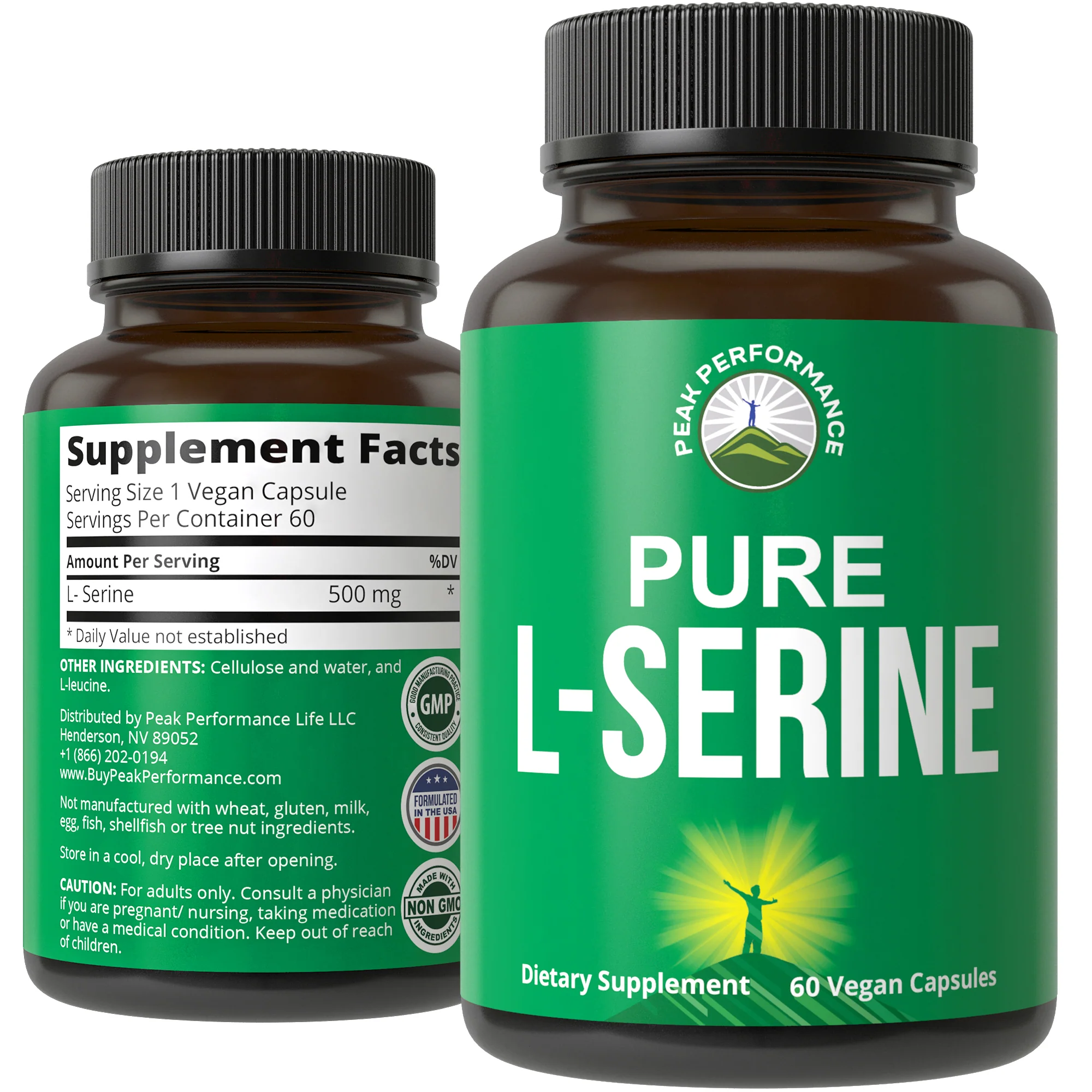
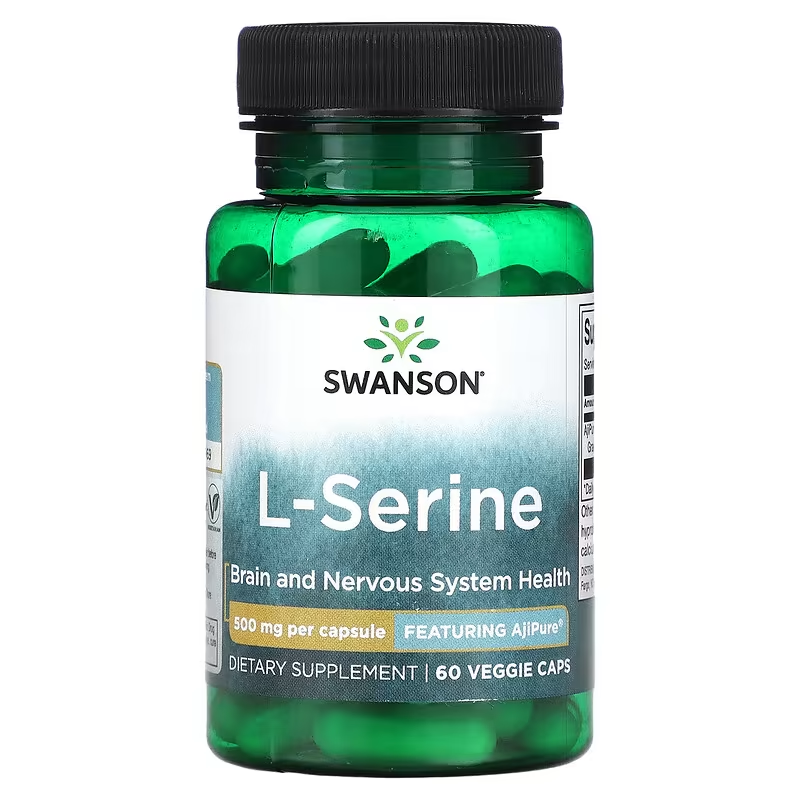
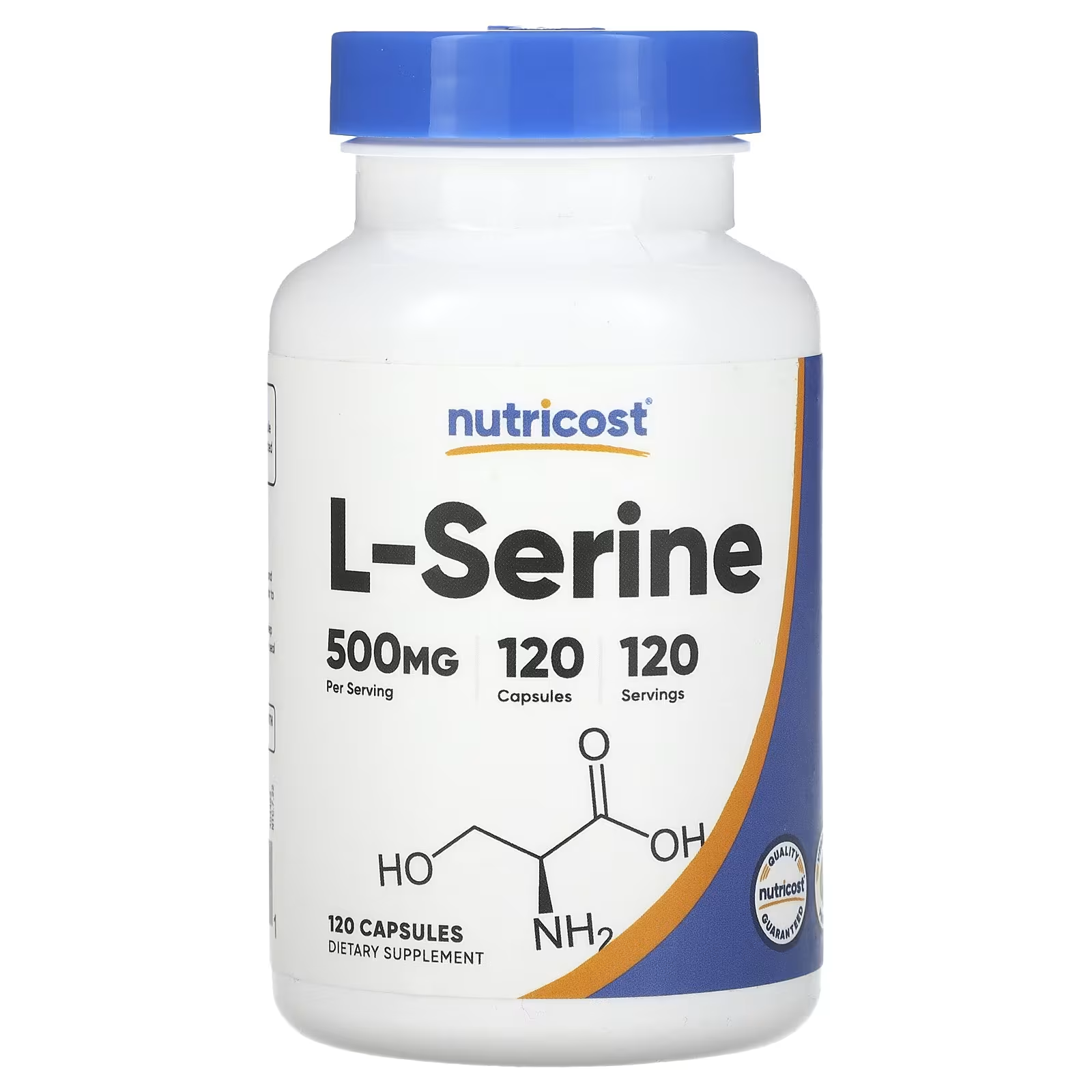
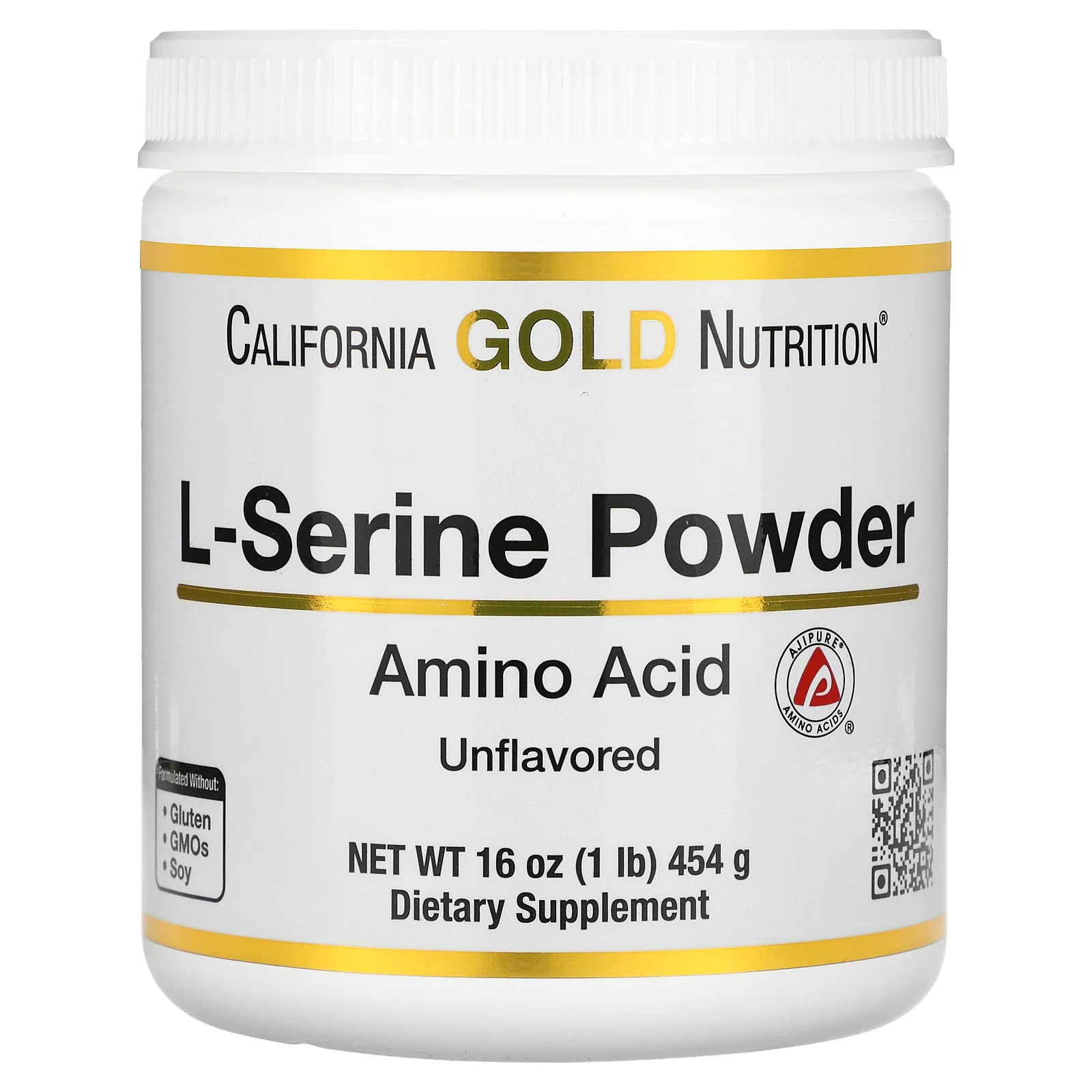
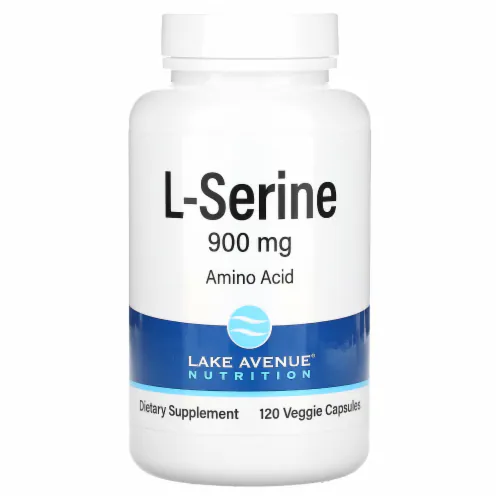
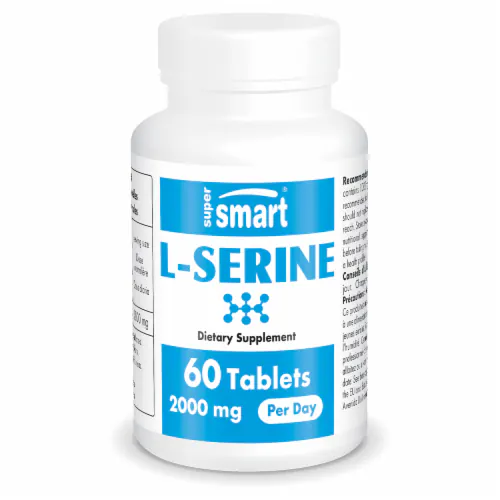
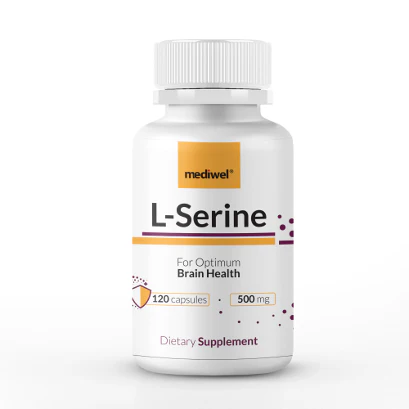
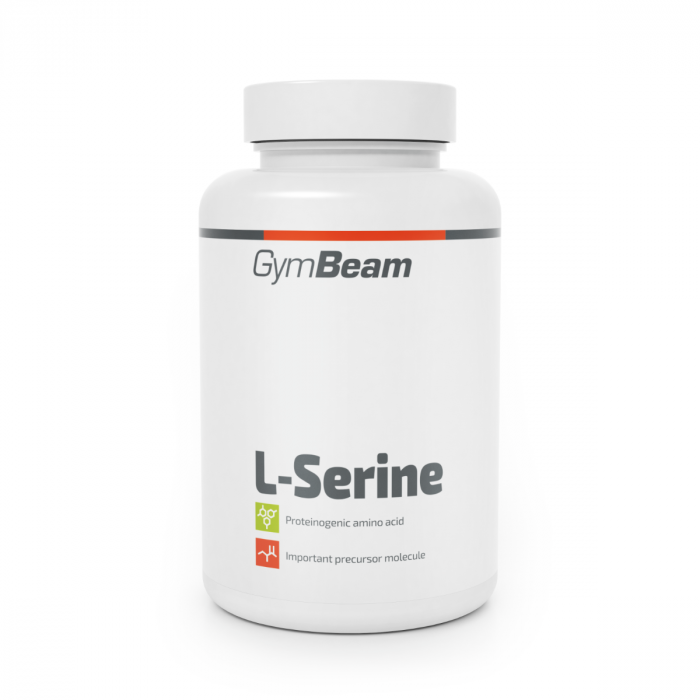
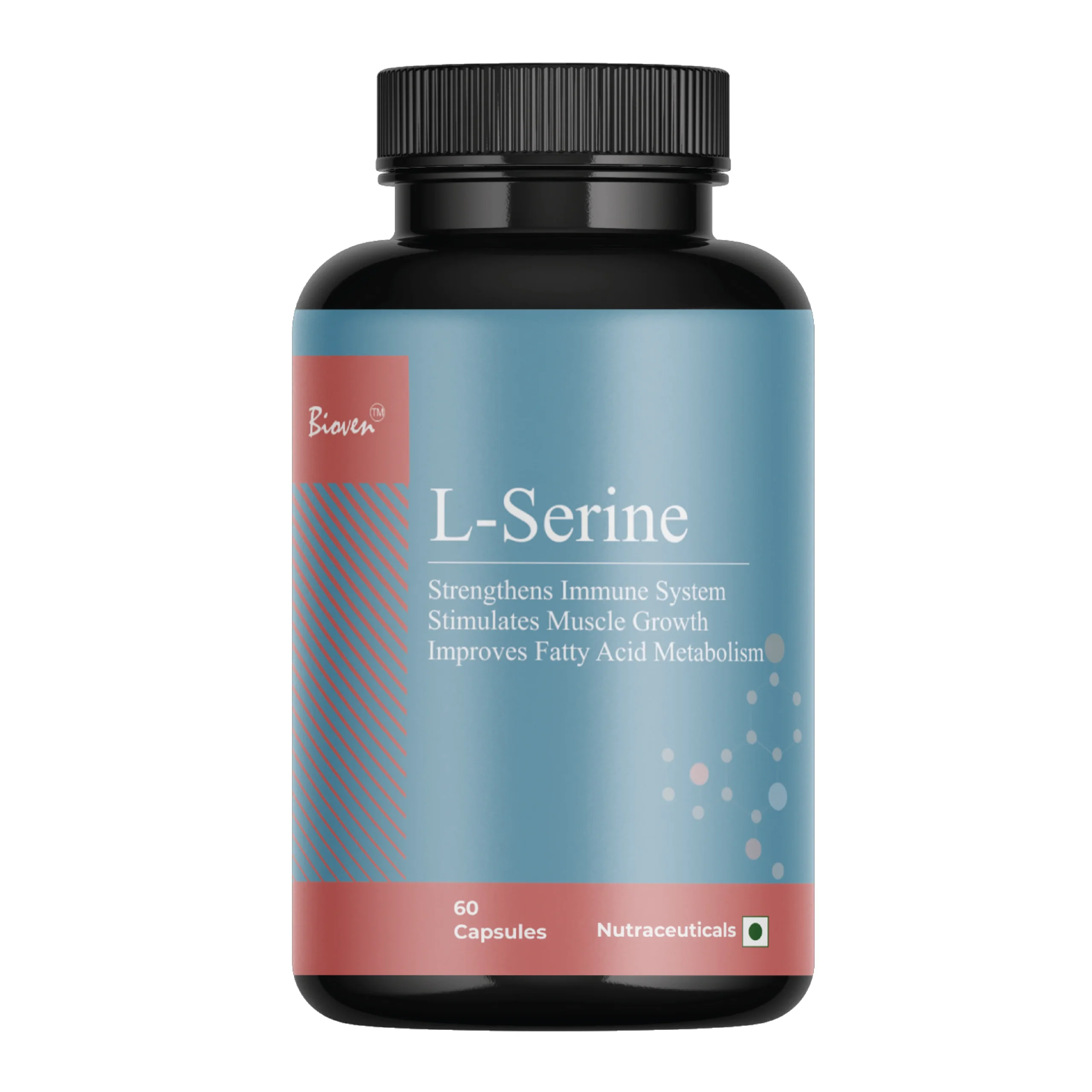
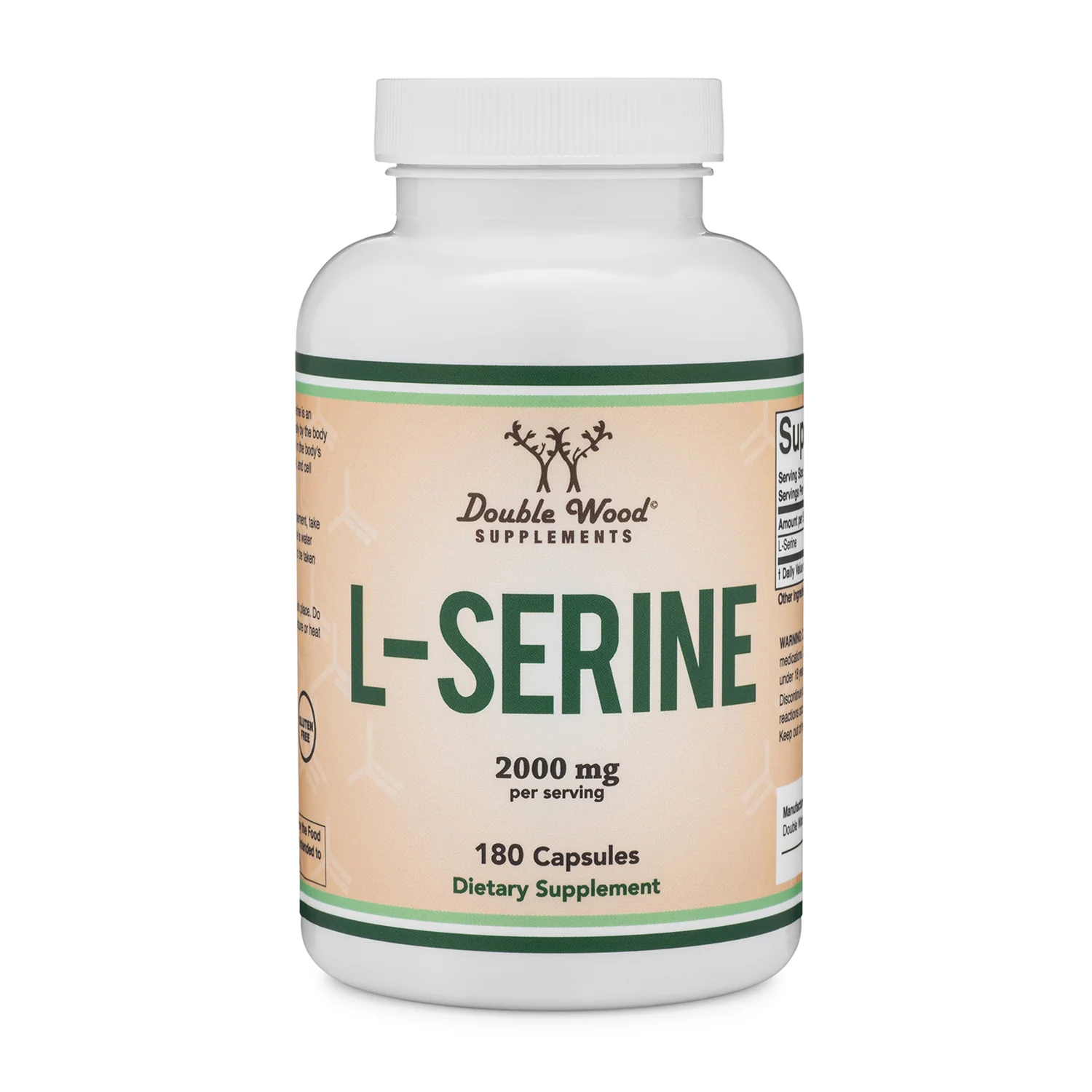
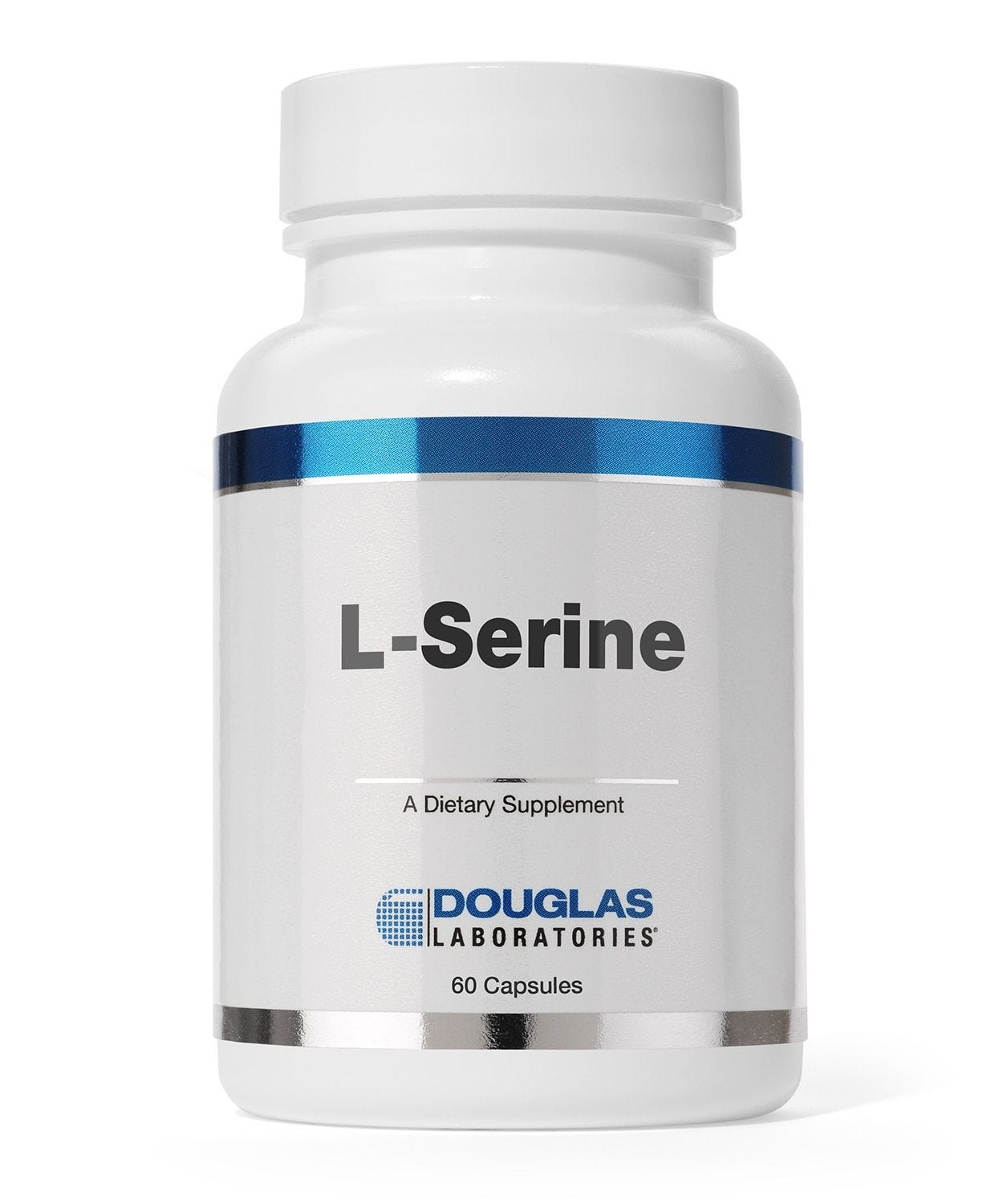
- Supplementation: L-Serine is also available as a dietary supplement, often in powder or capsule form. Supplementation may be considered under the guidance of a healthcare professional.
Considerations and Potential Side Effects:
While generally considered safe, L-Serine supplementation should be approached with caution. As with any supplement, it’s important to:
- Consult with a Healthcare Professional: Individuals with pre-existing medical conditions or those taking medications should consult with a healthcare provider before taking L-Serine supplements.
- Be Aware of Potential Side Effects: In some individuals, L-Serine supplementation may cause mild gastrointestinal discomfort.
- Follow Recommended Dosage: Adhere to the recommended dosage guidelines provided on the supplement label or as advised by a healthcare professional.
- Monitor for Interactions: L-Serine may interact with certain medications, so informing your healthcare provider of all supplements you are taking is crucial.
The Future of L-Serine Research:
L-Serine is an area of active research, with ongoing studies exploring its potential therapeutic applications for a range of conditions, particularly those related to brain health and metabolic function. As research progresses, we can expect to gain a deeper understanding of the full extent of L-Serine’s benefits and its optimal role in supporting overall health and well-being.
In Conclusion:
L-Serine, though a less-celebrated amino acid, plays a vital role in numerous biological processes. From supporting brain health to contributing to metabolic function, L-Serine’s potential benefits are becoming increasingly evident. While more research is needed, incorporating dietary sources of L-Serine and, under professional guidance, considering supplementation, may offer valuable support for overall health and well-being. As research continues to unravel its secrets, L-Serine is poised to become an increasingly important player in the world of health and nutrition.



Reviews
There are no reviews yet.