
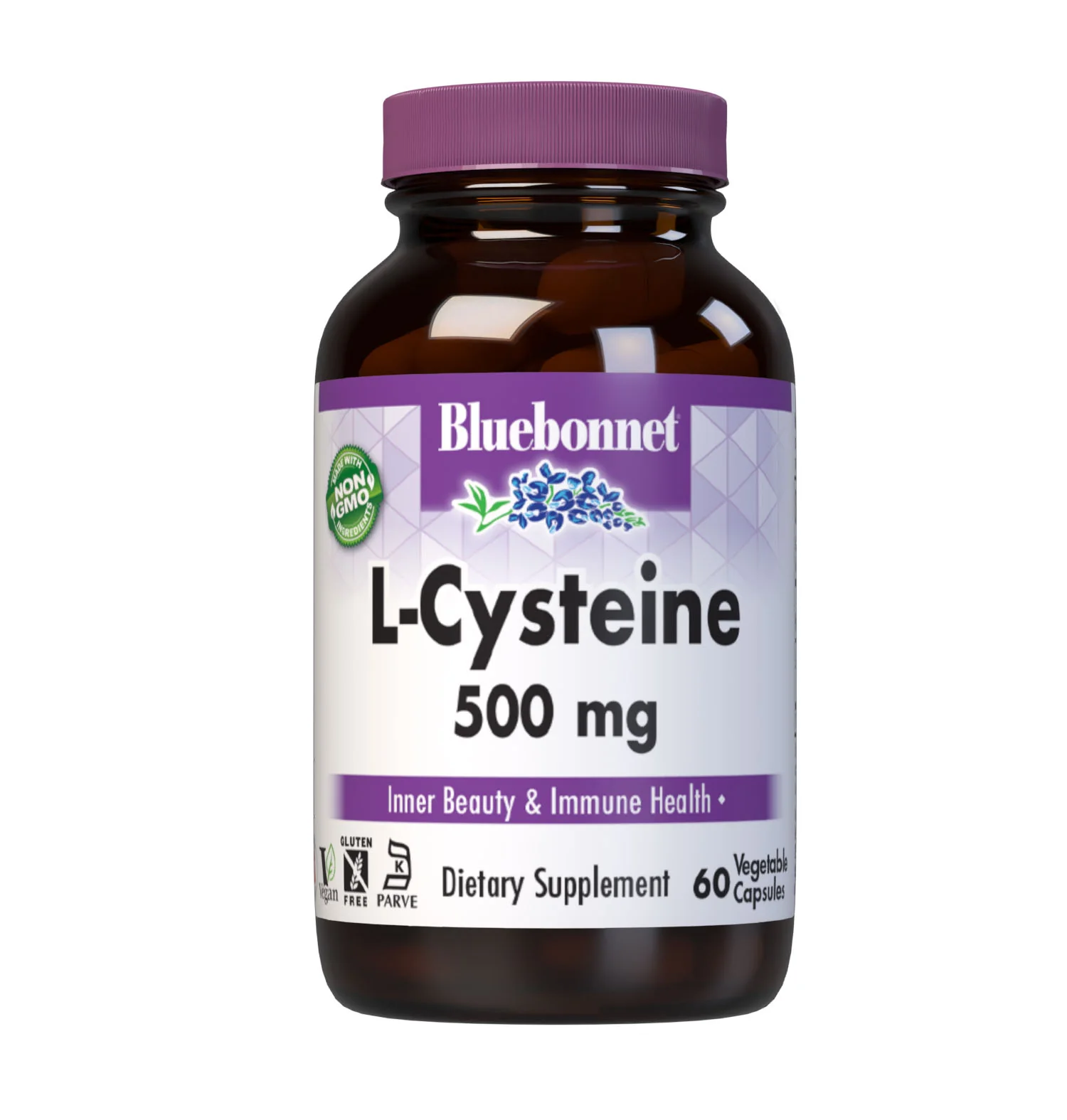
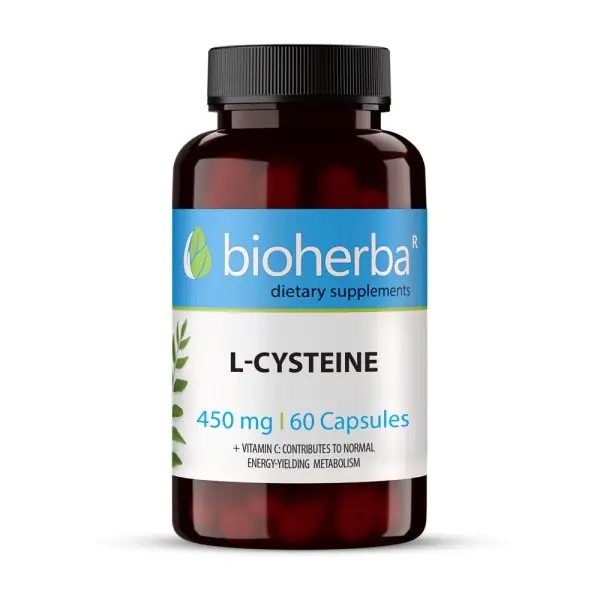
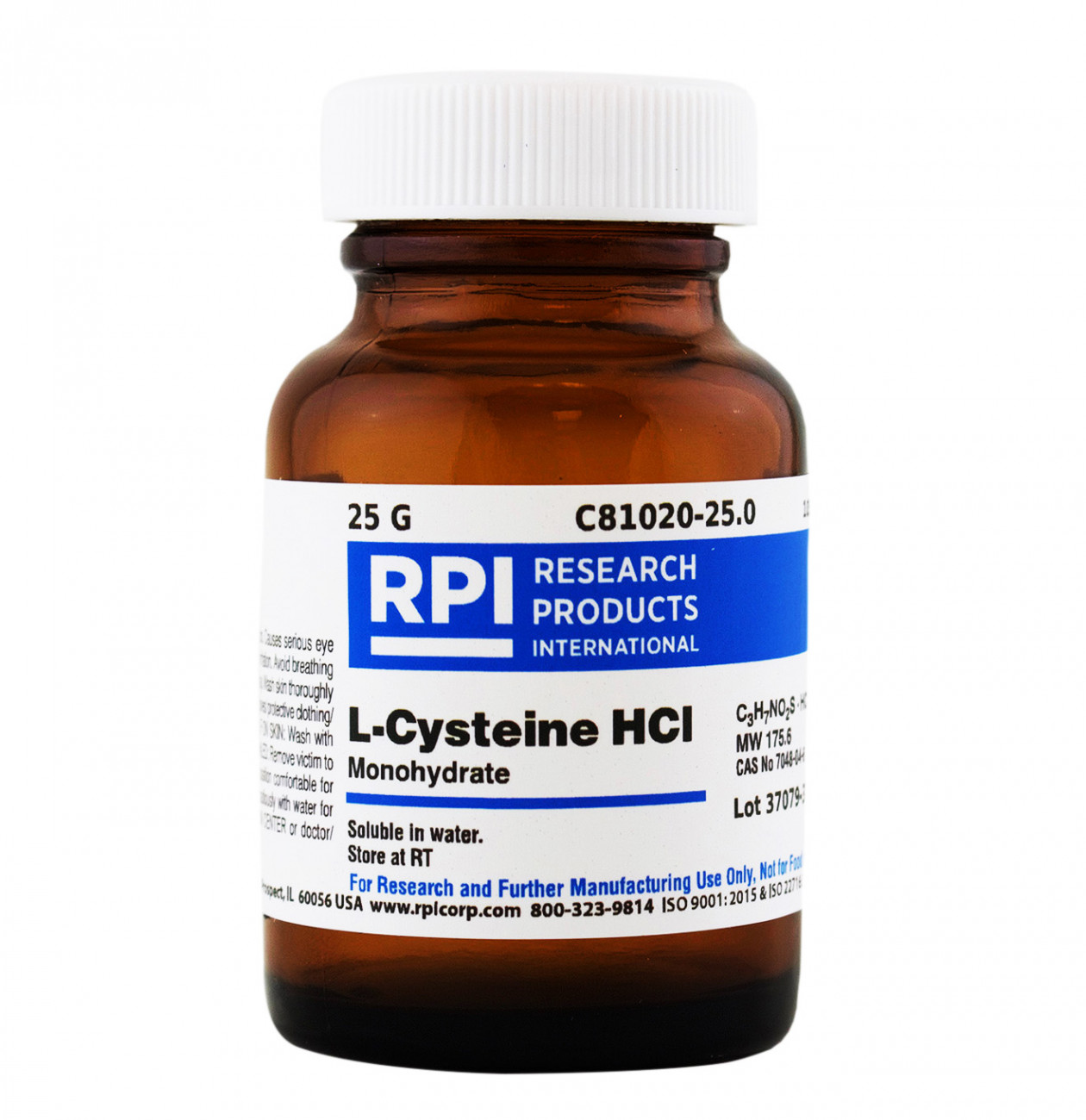
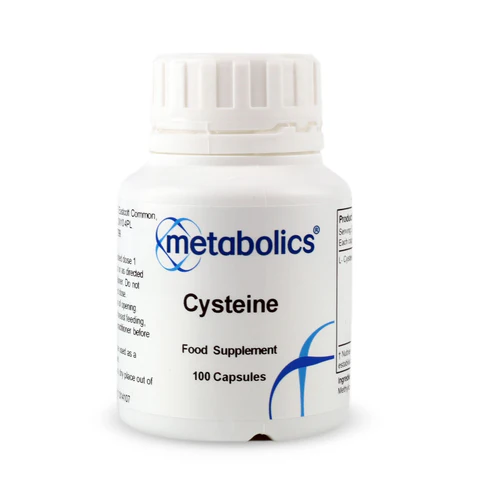
Description
L-Cysteine: The Versatile Amino Acid You Should Know About
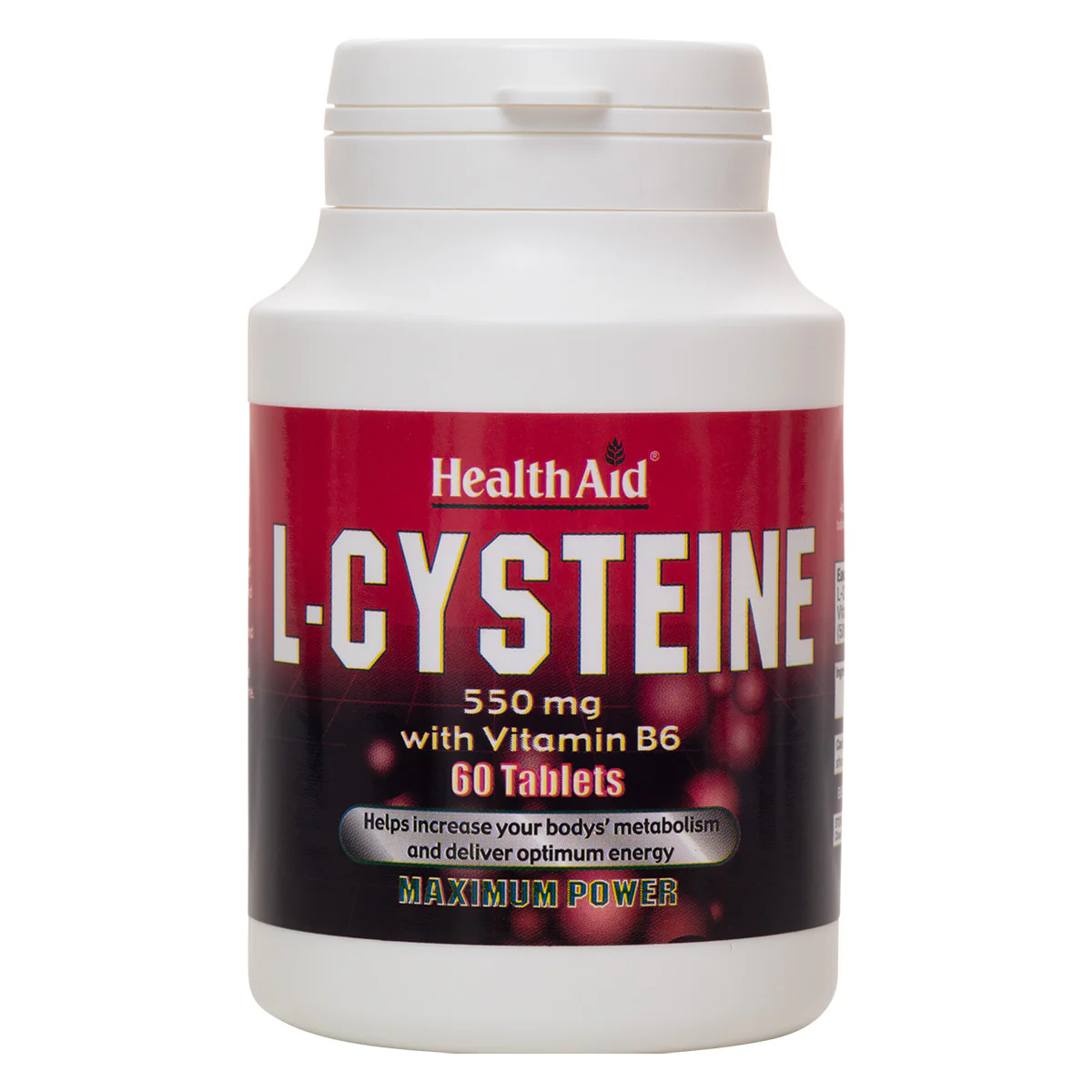
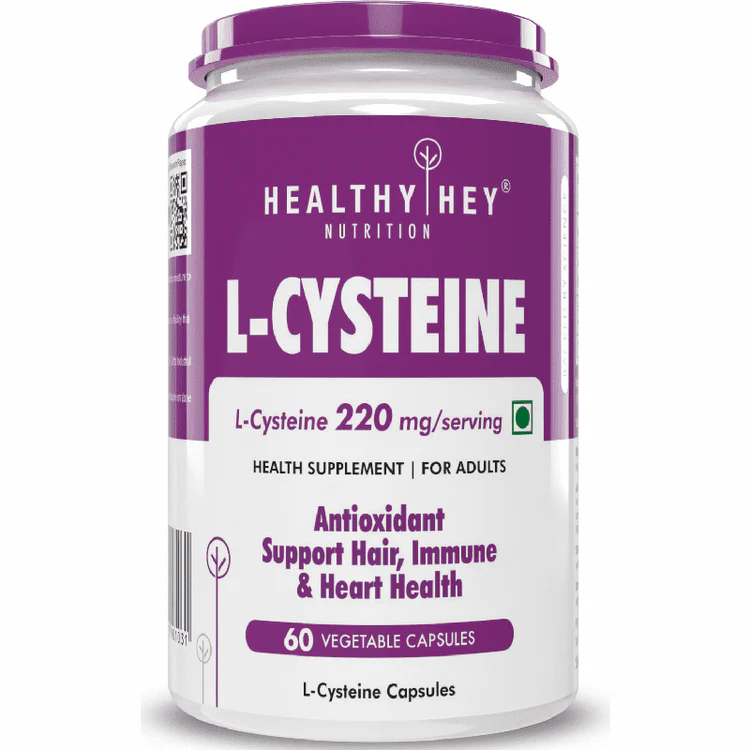
L-Cysteine is a non-essential amino acid, meaning our bodies can usually produce it from other amino acids, specifically methionine. However, it’s considered conditionally essential because under certain conditions, like infancy or individuals with metabolic issues, the body may not produce sufficient amounts. This sulfur-containing amino acid plays a vital role in numerous bodily functions and is increasingly recognized for its potential health benefits and applications in food production.
What Does L-Cysteine Do in Your Body?
L-Cysteine is involved in a wide range of biological processes:
- Protein Synthesis: As a building block of proteins, L-cysteine is crucial for the synthesis and repair of tissues throughout the body.
- Glutathione Production: L-Cysteine is a precursor to glutathione, a powerful antioxidant that protects cells from damage caused by free radicals. Glutathione plays a critical role in detoxification, immune function, and overall cellular health.
- Collagen Formation: L-Cysteine contributes to the structure and stability of collagen, the primary structural protein in skin, tendons, ligaments, and bones.
- Immune Function: By supporting glutathione production, L-cysteine indirectly boosts immune function, helping the body defend against infections and illnesses.
- Metabolism: L-Cysteine is involved in various metabolic pathways, including the metabolism of certain vitamins and minerals.
Possible Health Benefits & Uses:
While more research is needed, L-cysteine has shown promise in several areas:
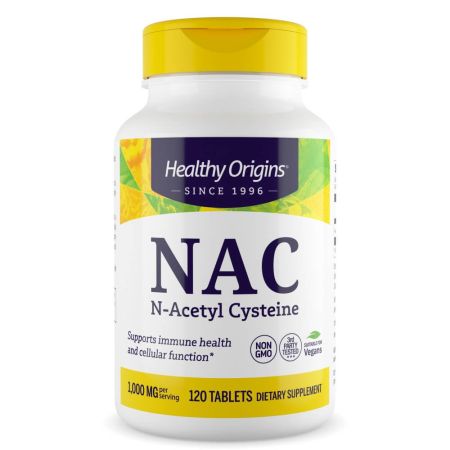
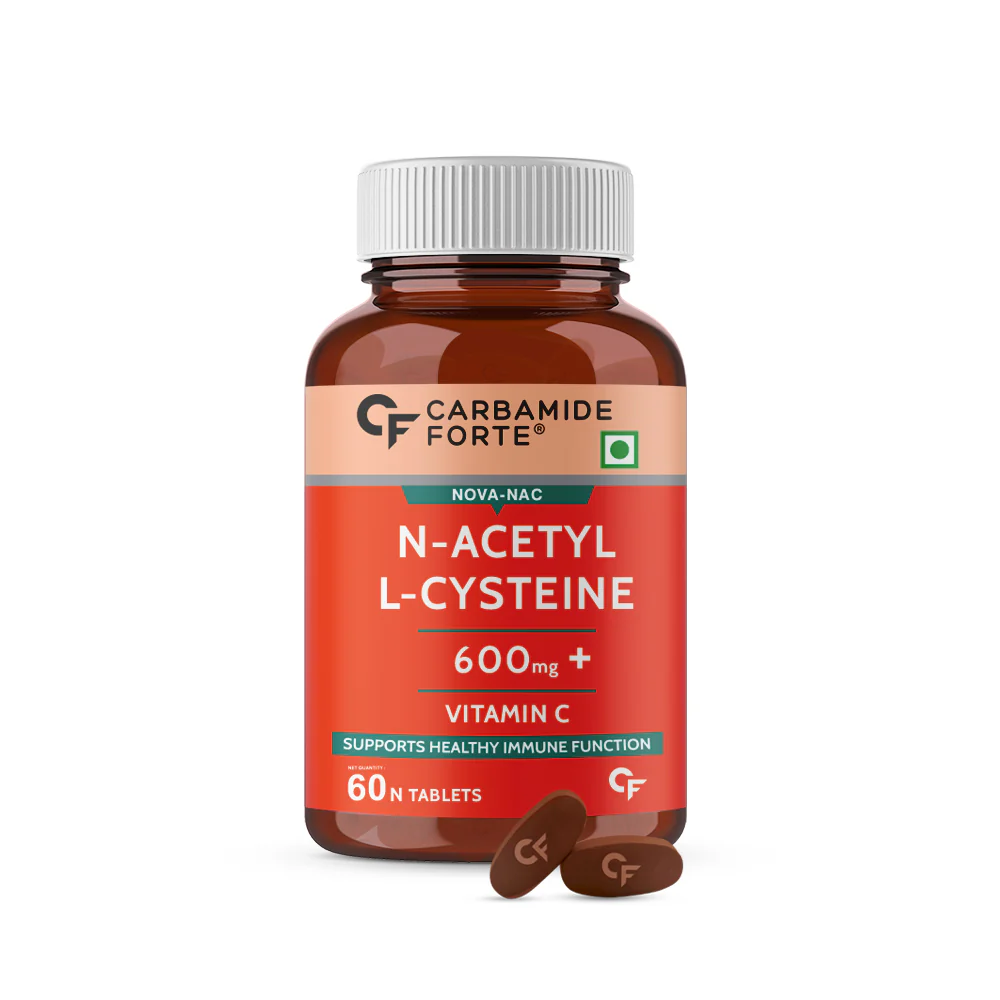
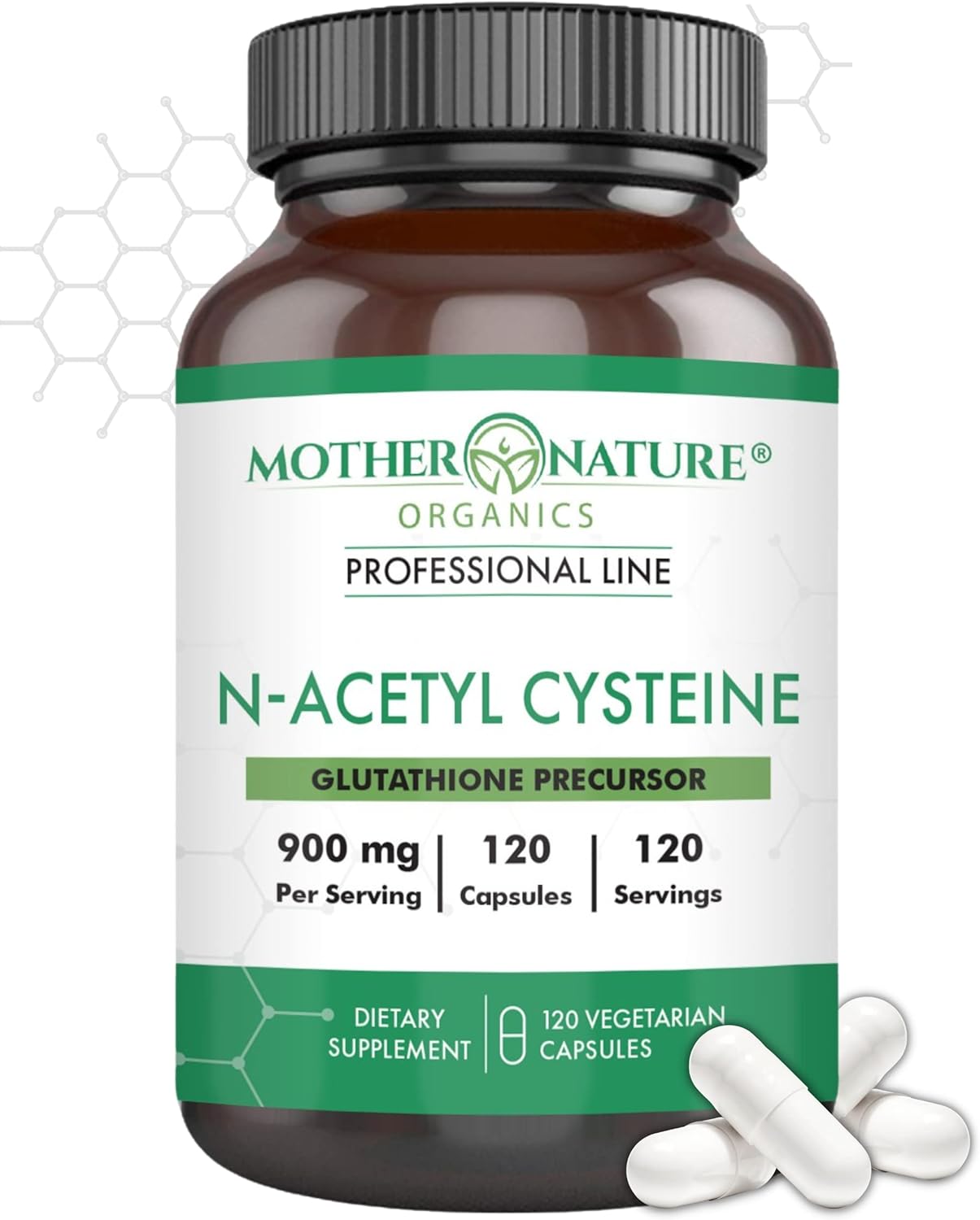
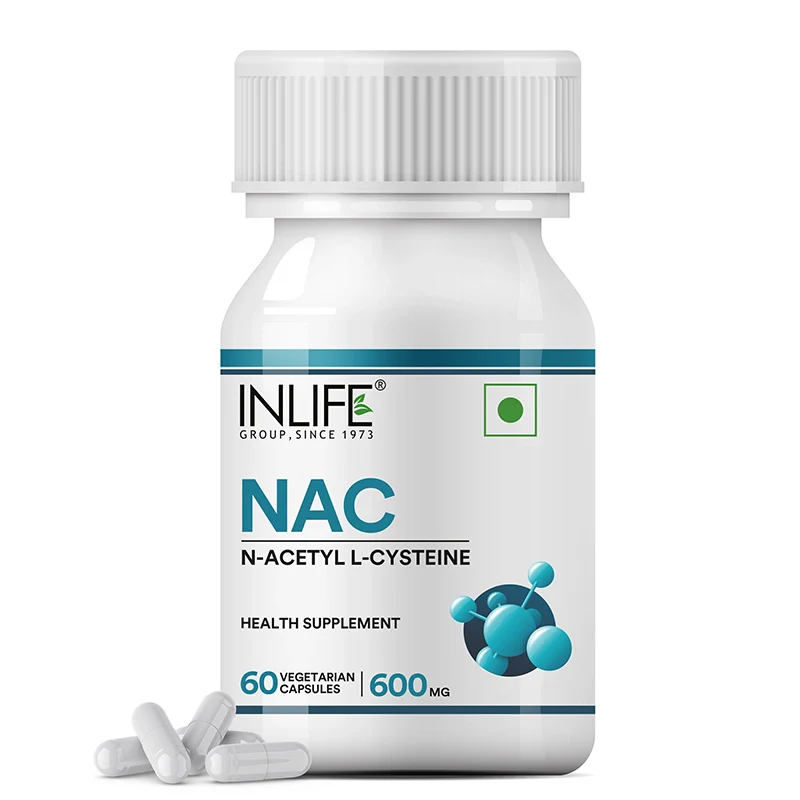
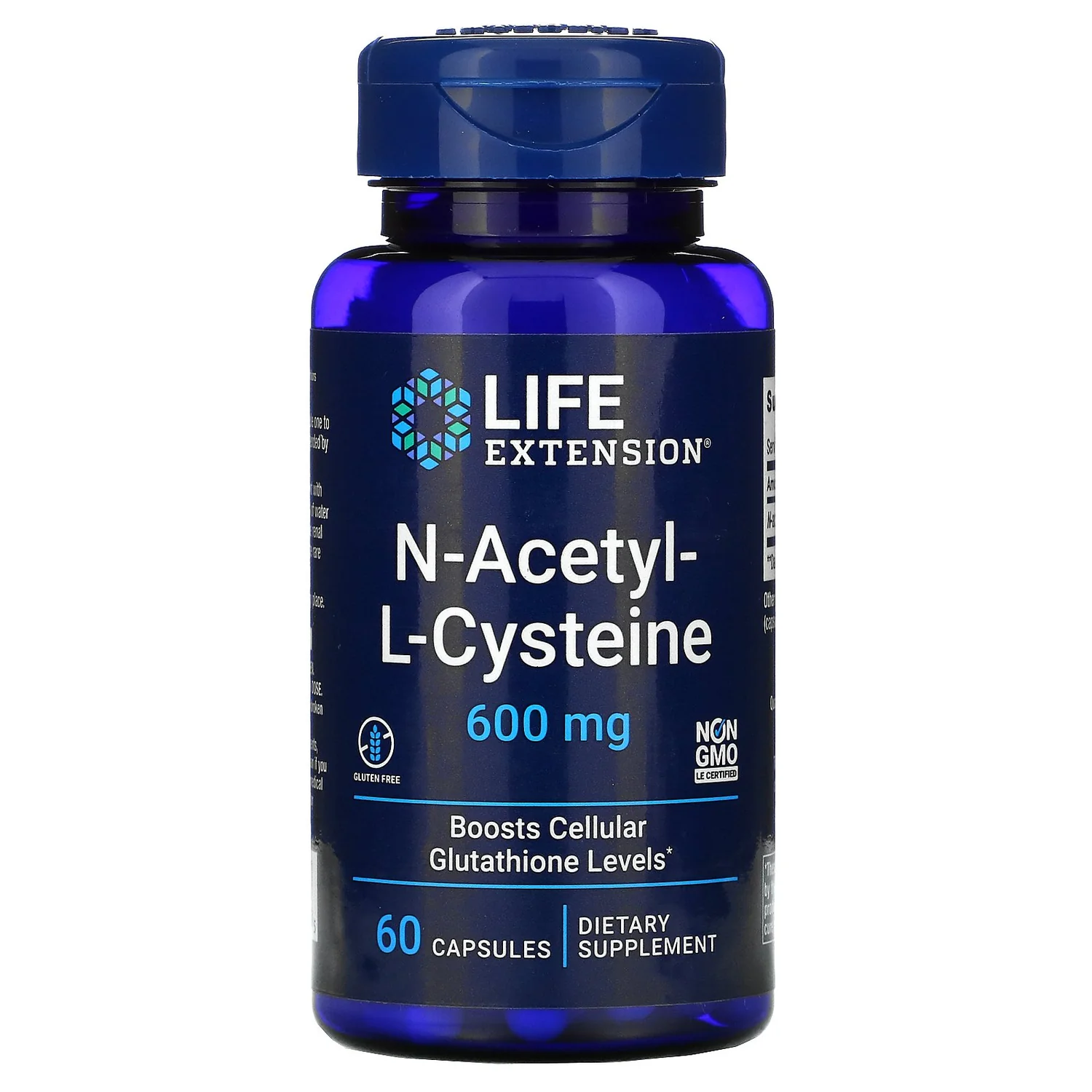
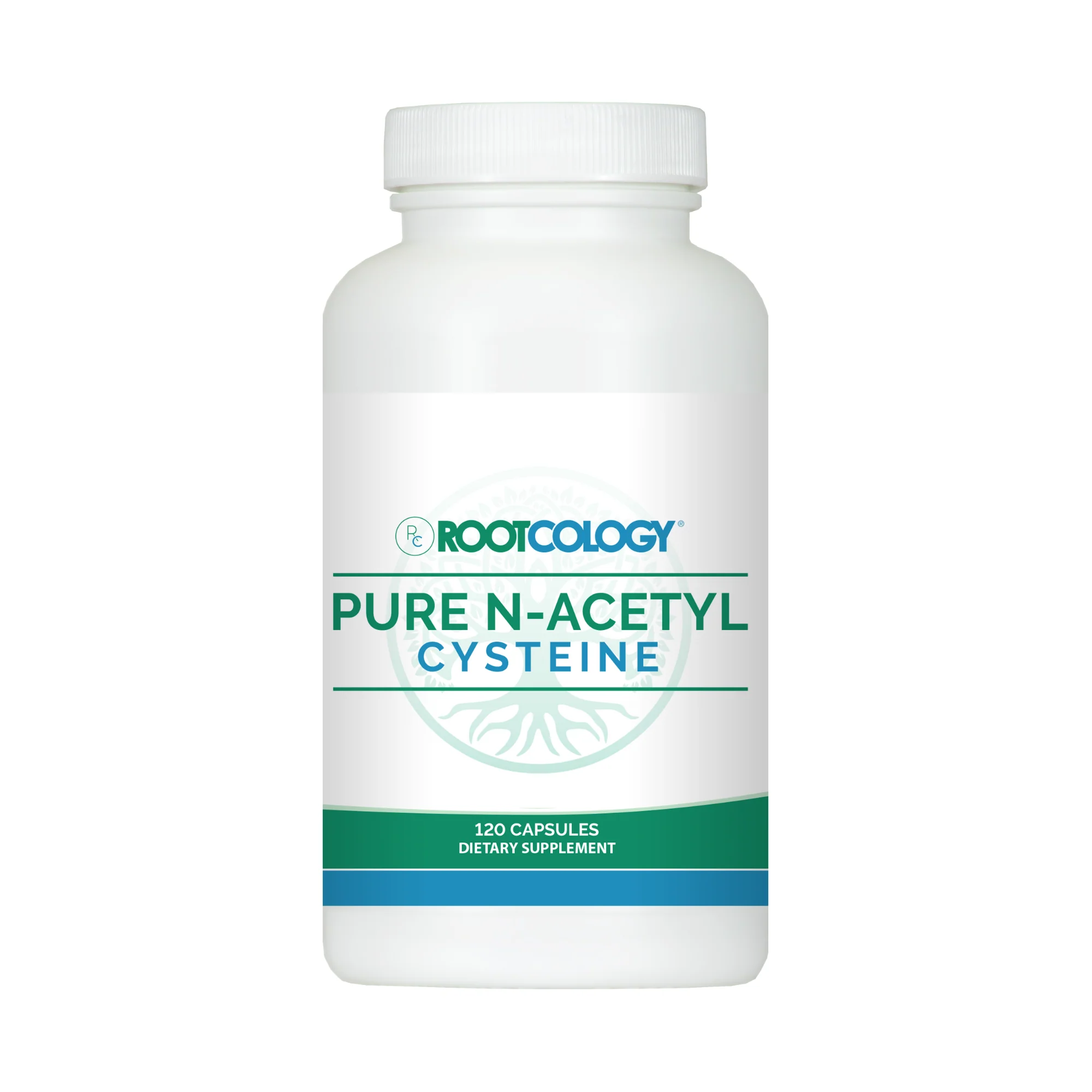
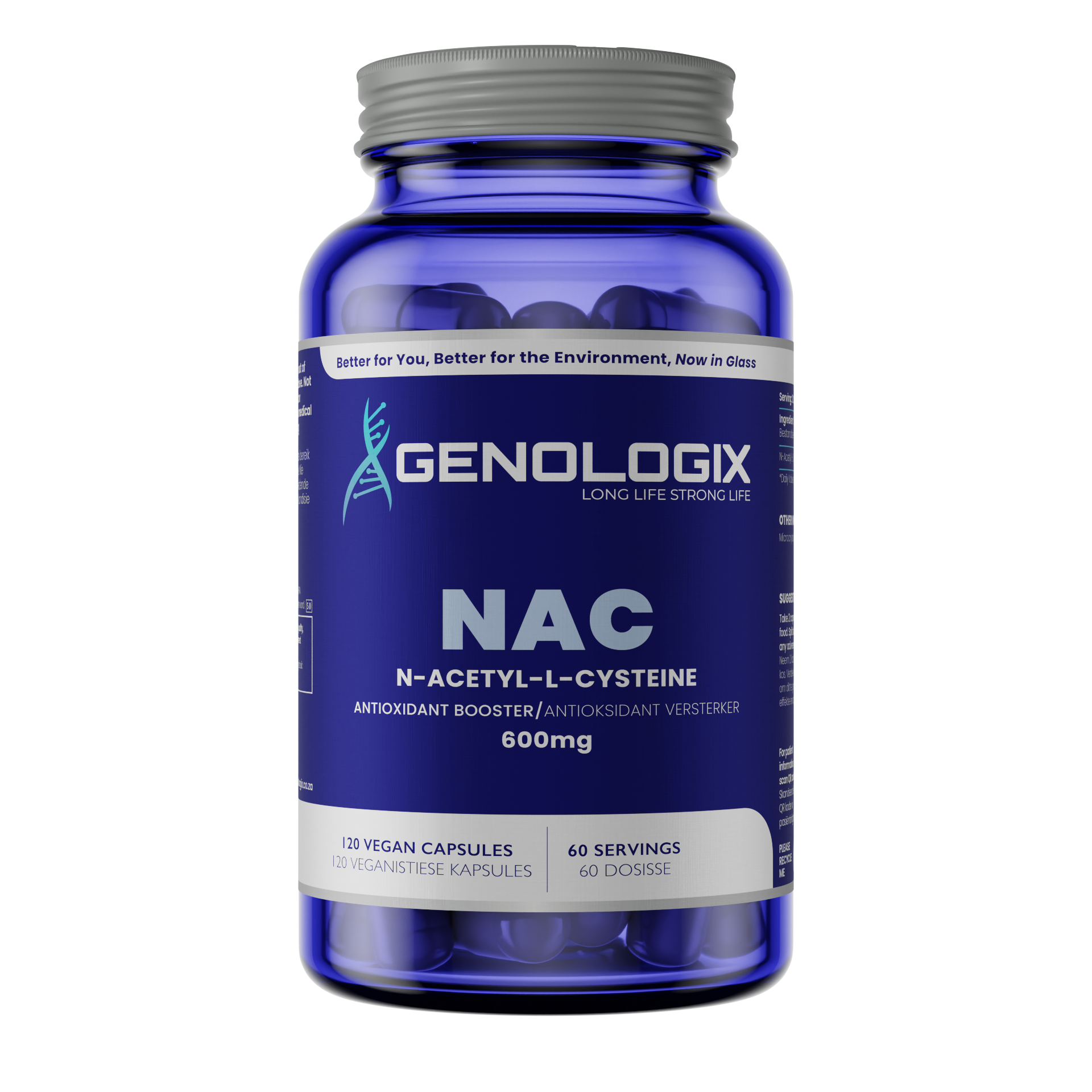
- N-Acetylcysteine (NAC): NAC is a precursor to L-cysteine and is often used as a supplement. It’s been shown to be effective in treating acetaminophen overdose and may help with conditions like chronic bronchitis, cystic fibrosis, and polycystic ovary syndrome (PCOS).
- Wound Healing: Its role in collagen formation may contribute to faster wound healing.
- Lung Health: NAC, derived from L-cysteine, is sometimes used to thin mucus in people with respiratory conditions.
- Brain Health: As an antioxidant, L-cysteine may protect brain cells from damage and improve cognitive function. Studies are ongoing to explore its potential benefits in neurodegenerative diseases.
- Athletic Performance: Some athletes use L-cysteine supplements in the belief that they can reduce oxidative stress and improve recovery after exercise.
L-Cysteine in Food Production:
Beyond its potential health benefits, L-cysteine also has applications in the food industry. It’s often used as a dough conditioner in baked goods, particularly bread. It helps:
- Soften Dough: L-cysteine breaks down disulfide bonds in gluten, making the dough softer and easier to handle.
- Reduce Mixing Time: By weakening gluten, it reduces the amount of time required to mix the dough.
- Improve Texture: It contributes to a softer, more desirable texture in the final product.
Sources of L-Cysteine:
The body can produce L-cysteine from other amino acids, but it can also be obtained through dietary sources. Good food sources include:
- Animal Products: Meat, poultry, fish, eggs, and dairy products are all good sources of L-cysteine.
- Plant-Based Sources: Vegetables like broccoli, Brussels sprouts, garlic, and onions contain L-cysteine. Legumes and seeds are also good sources.
Safety and Considerations:
Generally, L-cysteine is considered safe when consumed in moderate amounts through food or supplements. However, high doses may cause side effects such as nausea, vomiting, and diarrhea. Individuals with certain medical conditions, such as kidney disease or cystinuria, should consult with their doctor before taking L-cysteine supplements.
The Bottom Line:
L-Cysteine is a versatile amino acid involved in numerous crucial biological processes. While our bodies can usually produce it, obtaining it through diet or supplements may offer various health benefits, from supporting antioxidant defenses to potentially improving athletic performance and lung health. Its use in food production further highlights its importance. As with any supplement, it’s best to consult with a healthcare professional to determine if L-cysteine is right for you and to ensure its safe and effective use.


Reviews
There are no reviews yet.