
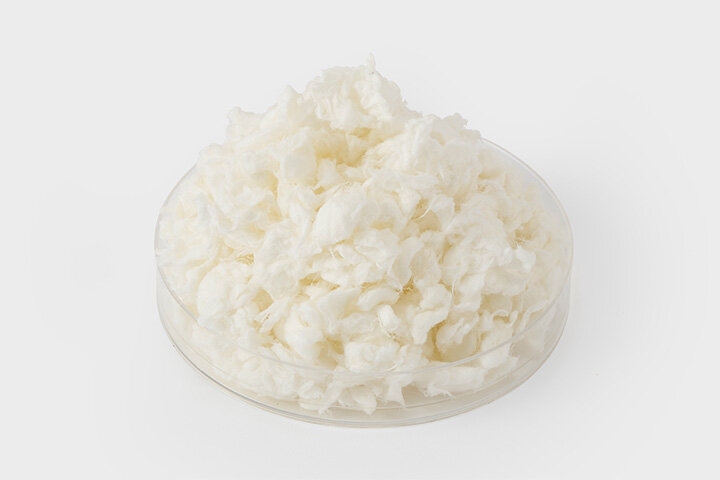
Description
1. Product Overview
Kraft Pulp Recovery Residue is a secondary industrial material generated during the chemical recovery process in kraft pulp mills. This residue contains valuable inorganic and carbon-rich components that can be repurposed for multiple industrial applications, including construction materials, soil amendments, and energy recovery systems. By converting a by-product of pulp manufacturing into a usable raw material, it offers significant cost efficiencies and supports circular industrial supply chains. Strategically, Kraft Pulp Recovery Residue is increasingly valued by manufacturers seeking sustainable, cost-effective alternatives to virgin mineral inputs while improving resource utilization.
2. Key Specifications & Technical Characteristics
- Material Composition: Primarily inorganic recovery solids including calcium compounds, sodium salts, trace carbon content, and mineral ash fractions
- Purity / Grade: Industrial by-product grade; composition dependent on pulp mill recovery system
- Physical Form: Fine to granular solid residue
- Color: Grey to off-white
- Particle Size: Typically <5 mm depending on processing and handling conditions
- Bulk Density: Approx. 0.8 – 1.2 g/cm³ (variable depending on moisture and composition)
- Moisture Content: Typically 5–20% depending on storage and recovery stage
- Packaging Options:
- Bulk loose loading
- Jumbo bags (1 MT)
- Bulk container loading
- Shelf Life: Stable when stored in dry, covered conditions
3. Core Industrial Applications
Primary Industries:
- Cement and construction materials
- Waste-to-energy and biomass facilities
- Agriculture and soil amendment sectors
- Industrial recycling and mineral recovery operations
Operational Use Cases:
- Used as a mineral additive or filler in cement and building materials
- Integrated into energy recovery systems as a supplementary combustion material
- Applied in soil stabilization or land conditioning due to mineral content
- Utilized as a feedstock in industrial recycling processes for mineral recovery
Performance Advantages:
- Provides a cost-efficient alternative to virgin mineral raw materials
- Enhances material circularity in industrial supply chains
- Offers stable mineral composition suitable for bulk processing applications
- Reduces disposal costs while supporting sustainable resource recovery initiatives
4. Competitive Advantages
- Quality Consistency: Sourced from established kraft pulp recovery operations with controlled industrial processes
- Supply Reliability: Continuous generation from pulp manufacturing ensures steady bulk availability
- Logistics Capability: Efficient bulk handling and containerized shipping for international industrial buyers
- Price Competitiveness: Significantly lower cost compared to primary mineral feedstocks
- Sustainability Benefits: Supports circular economy principles by repurposing industrial by-products and reducing landfill disposal
- Technical Documentation: Material specifications and handling guidelines available to support industrial integration
5. Commercial & Supply Information
- Minimum Order Quantity (MOQ): BULK 20 MT
- Loading Capacity: 20–25 MT per 20’ container depending on packaging and moisture content.


Reviews
There are no reviews yet.