
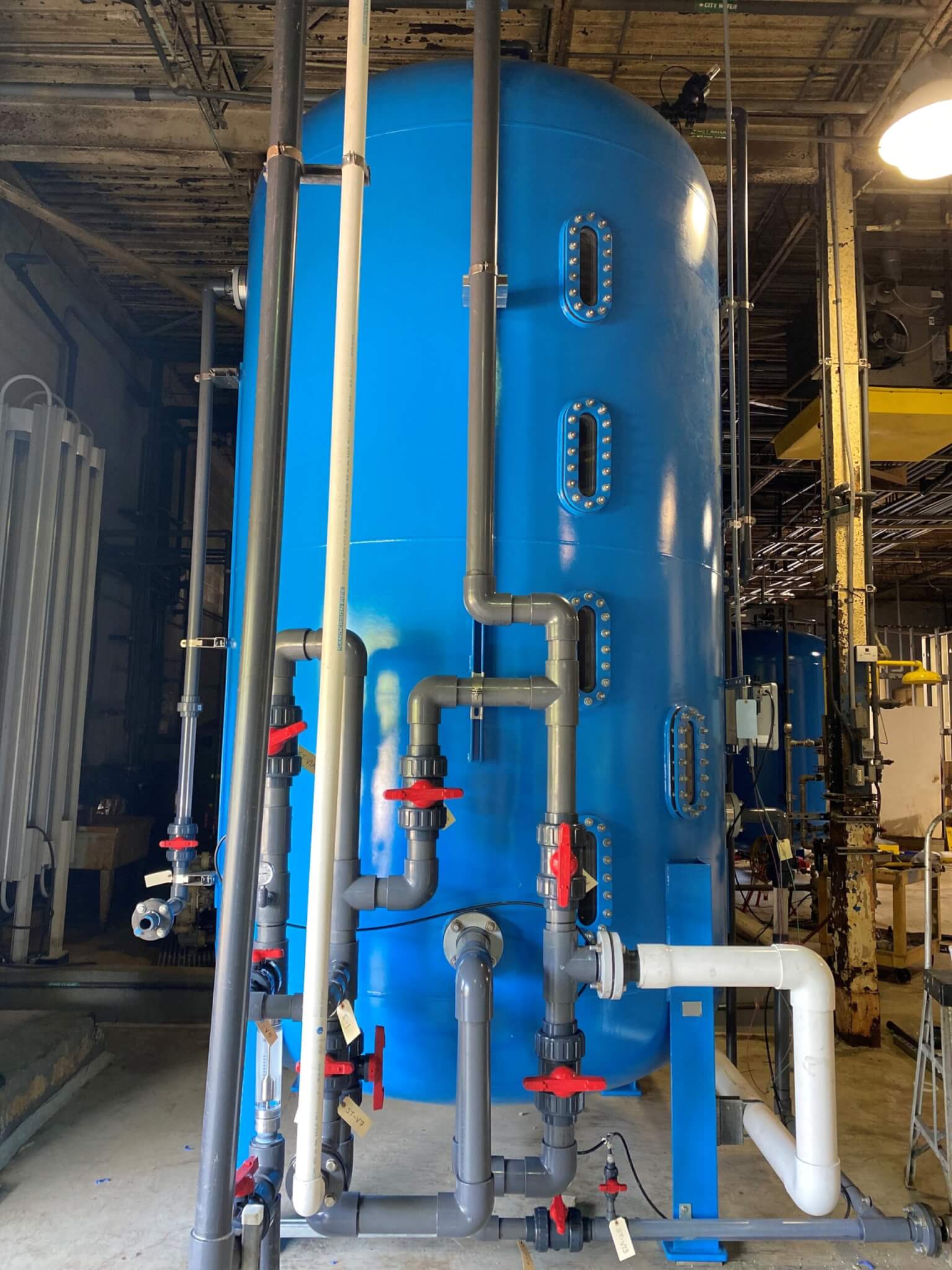
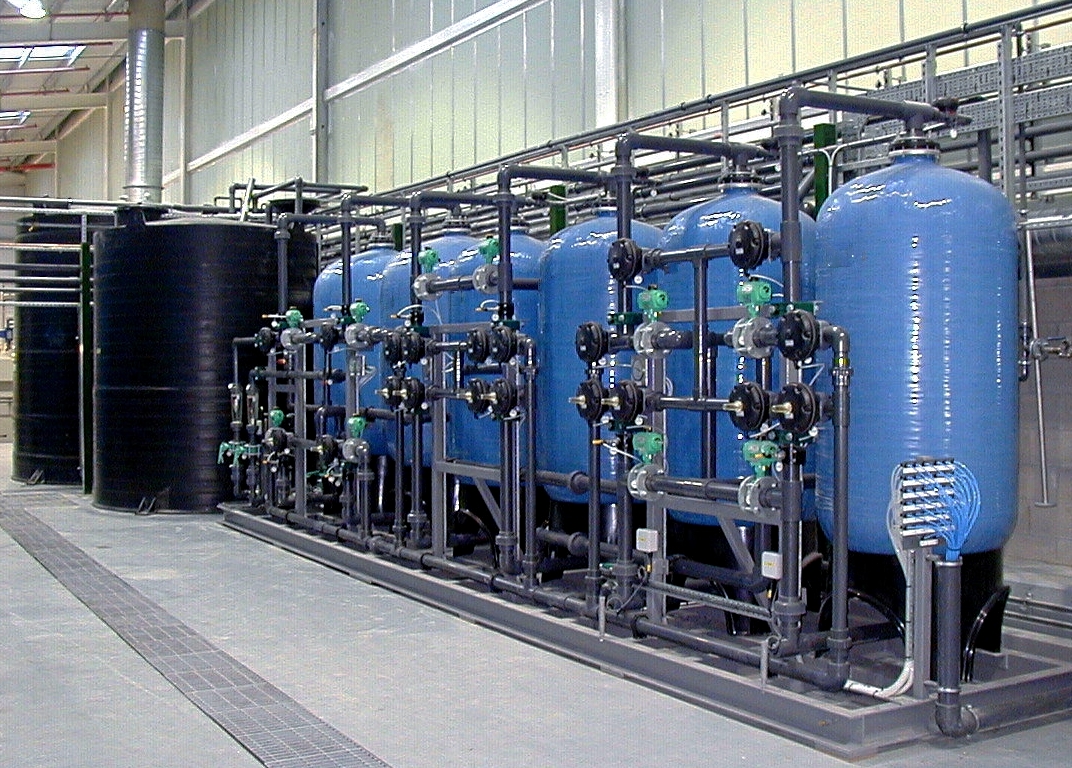
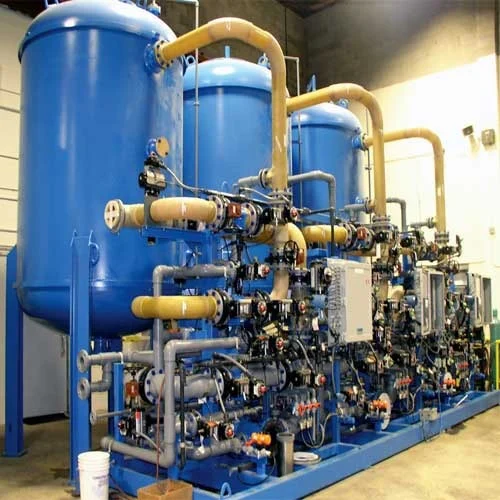
Description
1. Product Overview
Ion Exchange Waste Streams consist of residual materials generated from industrial ion exchange processes used in water purification, chemical processing, and metal recovery systems. These streams typically contain exhausted resins, regeneration by-products, and metal-laden solutions that retain valuable chemical components suitable for recovery, recycling, or secondary industrial use. For industrial buyers, they represent a cost-efficient raw material source for metal extraction, chemical recovery, and waste-to-value processing. As global industries increasingly prioritize circular resource utilization and regulatory compliance, ion exchange waste streams have become strategically important feedstocks in the recycling, environmental services, and resource recovery markets.
2. Key Specifications & Technical Characteristics
- Material Composition: Spent ion exchange resins, regeneration brines, metal-laden solutions, and residual treatment by-products
- Typical Chemical Components: Sulfonated polystyrene resins, quaternary ammonium functional groups, sodium chloride regeneration residues, trace metals (e.g., Cu, Ni, Zn, Fe depending on source)
- Purity / Grade: Industrial waste stream grade; composition varies based on originating process
- Physical Form:
- Resin beads or slurry
- Liquid brine or aqueous waste stream
- Semi-solid or filtered resin residues
- Color: Amber, brown, or dark resin beads; liquid streams may appear clear to dark depending on metal concentration
- Particle Size (Resin Fraction): Typically 0.3–1.2 mm spherical beads
- Bulk Density: Approximately 0.65–0.85 g/cm³ (resin component)
- Packaging Options:
- Bulk tanker shipments (liquid streams)
- IBC containers
- Sealed industrial drums
- Super sacks for resin fractions
- Shelf Life: Stable for extended storage when sealed and protected from contamination; recommended processing within standard industrial handling timelines
3. Core Industrial Applications
Metal Recovery & Hydrometallurgy
Ion exchange waste streams are widely used as secondary feedstock in hydrometallurgical operations where valuable metals such as copper, nickel, zinc, or iron can be economically recovered. These materials provide a cost-effective alternative to primary ores.
Chemical Recycling & Resin Regeneration
Specialized recycling facilities process exhausted ion exchange resins to recover functional polymer structures or regenerate usable resin materials for industrial reuse.
Industrial Waste Treatment & Resource Recovery
Environmental service companies utilize these waste streams to extract recoverable chemicals and reduce hazardous waste volumes while meeting regulatory disposal requirements.
Metallurgical Processing Inputs
Certain metal-bearing waste streams can be integrated into smelting or chemical extraction processes, improving raw material efficiency while lowering procurement costs.
Operational Advantages
Compared with conventional raw material sources, ion exchange waste streams offer attractive cost economics, concentrated recoverable elements, and compatibility with established recovery technologies.
4. Competitive Advantages
- Consistent Industrial Supply: Generated from continuous ion exchange operations across multiple industries
- Cost-Efficient Raw Material: Significantly lower acquisition cost compared with primary metal or chemical feedstocks
- Circular Economy Value: Enables recovery of metals and chemicals from industrial waste streams
- Flexible Logistics: Available in liquid, resin bead, or semi-solid formats to match buyer processing capabilities
- Scalable Bulk Availability: Suitable for large-scale industrial recycling operations
- Environmental Compliance Benefits: Supports waste minimization, resource recovery, and sustainability goals
- Technical Documentation: Material origin data and handling information available to facilitate industrial processing and compliance
5. Commercial & Supply Information
- Minimum Order Quantity (MOQ): Bulk – 20 MT
- Loading Capacity: 20–24 MT per container depending on packaging format and material density
Reviews
There are no reviews yet.