

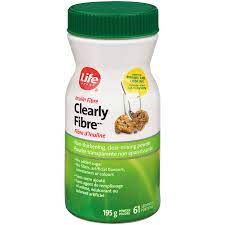
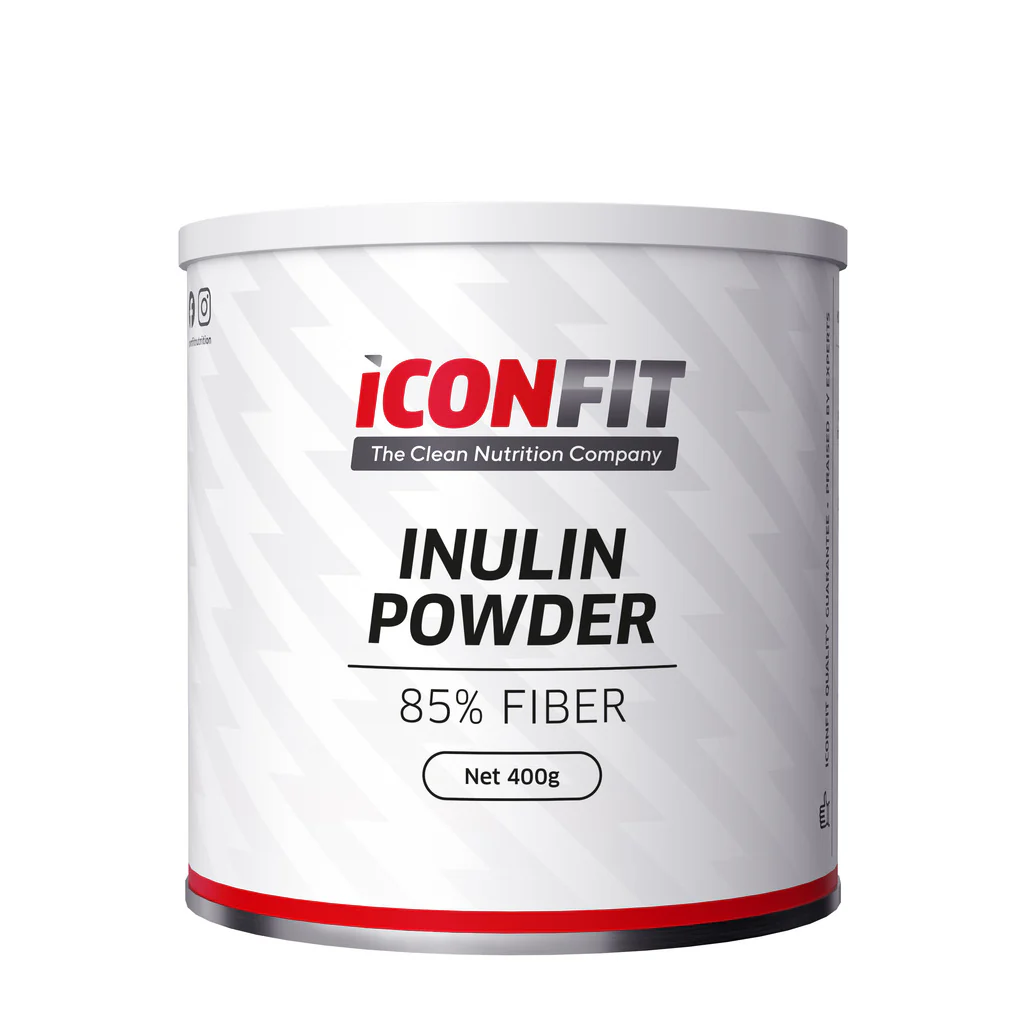
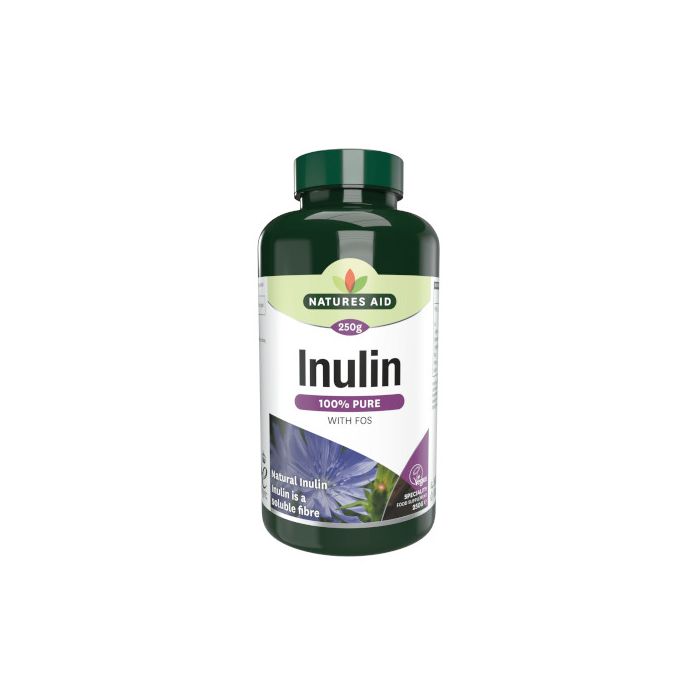
Description
Inulin: The Fiber You Need to Know About (and Why Your Gut Will Thank You)
In the world of fiber, some names are more common than others. We hear about bran, oats, and fruits often. But have you heard of inulin? This prebiotic fiber, often found hidden in plant roots and vegetables, offers a host of health benefits, especially for your gut.
What is Inulin?
Inulin is a type of soluble fiber classified as a fructan. This means it’s a chain of fructose molecules linked together in a way that your small intestine can’t easily digest. Instead, it travels down to your large intestine (colon) where it acts as food for the beneficial bacteria residing there.
Think of it as fertilizer for your gut microbiome, the diverse community of microorganisms that play a crucial role in your overall health.
Where Can You Find It?
Inulin is naturally found in a variety of plant-based foods. Some of the best sources include:
- Chicory root: This is the most concentrated source and often used to extract inulin for supplements and food additives.
- Jerusalem artichokes (sunchokes): These knobby tubers are packed with inulin and have a slightly sweet, nutty flavor.
- Dandelion root: Yes, the same plant you might find in your backyard!
- Onions, garlic, and leeks: These aromatics also contribute to your inulin intake.
- Asparagus: Another delicious and nutritious source.
- Bananas: Even this common fruit contains a notable amount of inulin.
Health Benefits of Inulin:
Here’s a look at some of the potential health benefits associated with inulin consumption:
- Promotes Gut Health: As a prebiotic, inulin fuels the growth of beneficial gut bacteria like Bifidobacteria and Lactobacilli. These bacteria contribute to a healthy gut microbiome, which is crucial for immune function, nutrient absorption, and even mental well-being.
- Improves Digestion: By nourishing beneficial gut bacteria, inulin can help improve digestion, reduce bloating, and relieve constipation. It increases stool bulk and frequency, promoting regular bowel movements.
- May Help Control Blood Sugar: Some studies suggest that inulin can improve blood sugar control in people with diabetes. It may slow down the absorption of sugar from food, preventing spikes in blood glucose levels.
- Aids in Weight Management: Inulin can promote satiety (the feeling of fullness) which may help you eat less and manage your weight. Its impact on gut hormones may also play a role.
- Boosts Calcium Absorption: Research indicates that inulin can enhance the absorption of calcium in the gut, potentially contributing to stronger bones and reduced risk of osteoporosis.
- May Reduce Cholesterol: Some studies have shown that inulin can help lower levels of LDL (“bad”) cholesterol in the blood, reducing the risk of heart disease.
How to Incorporate Inulin into Your Diet:
Increasing your inulin intake is relatively easy:
- Eat more inulin-rich foods: Focus on incorporating the foods mentioned earlier into your meals.
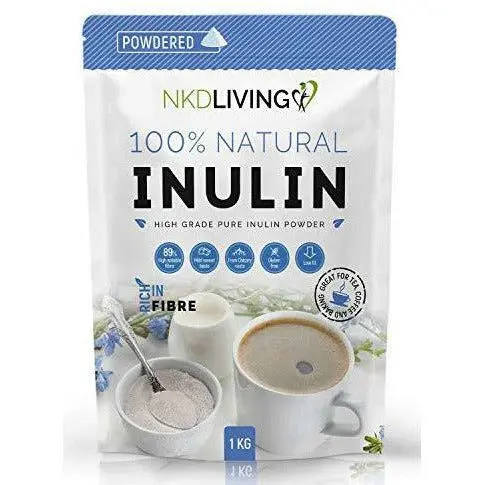
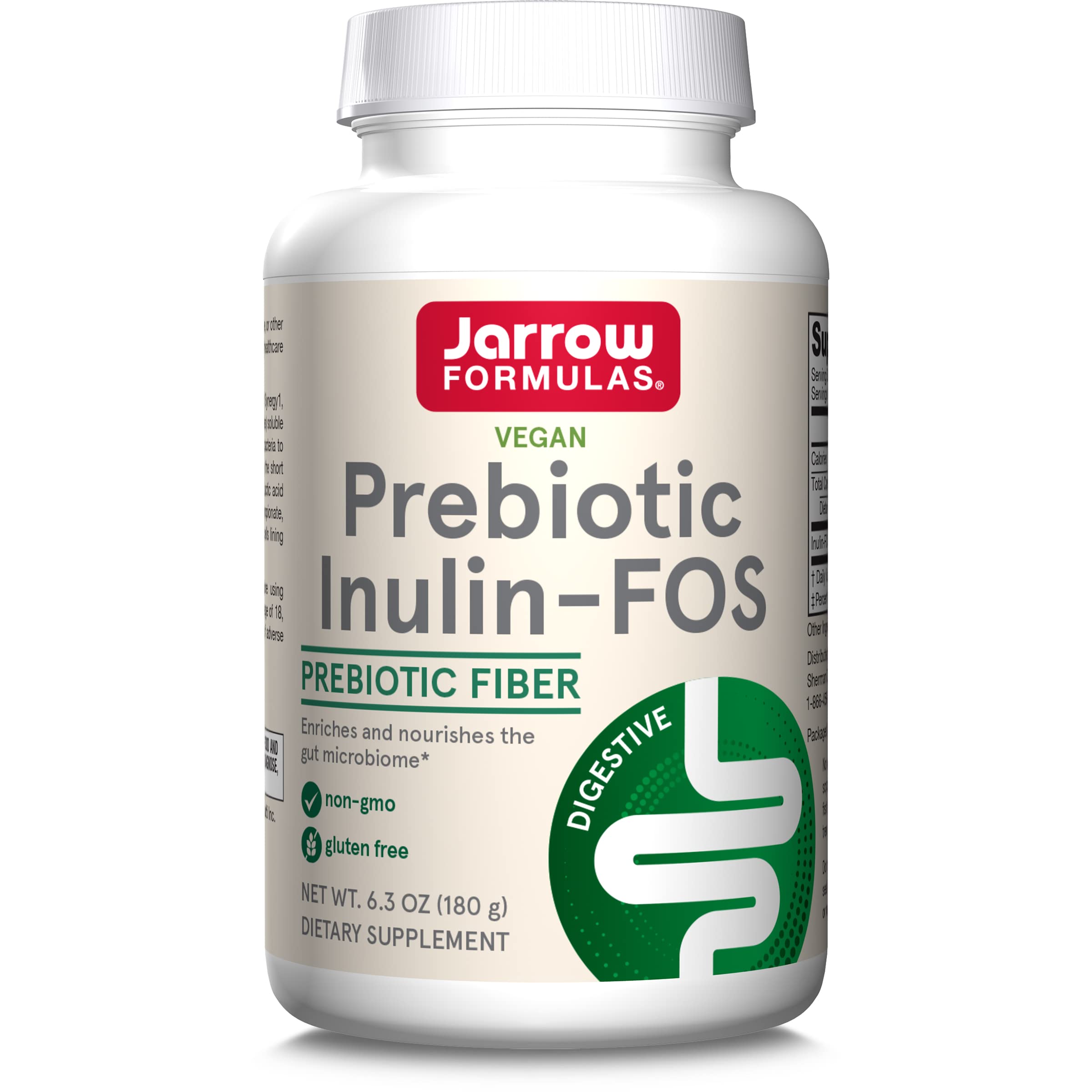
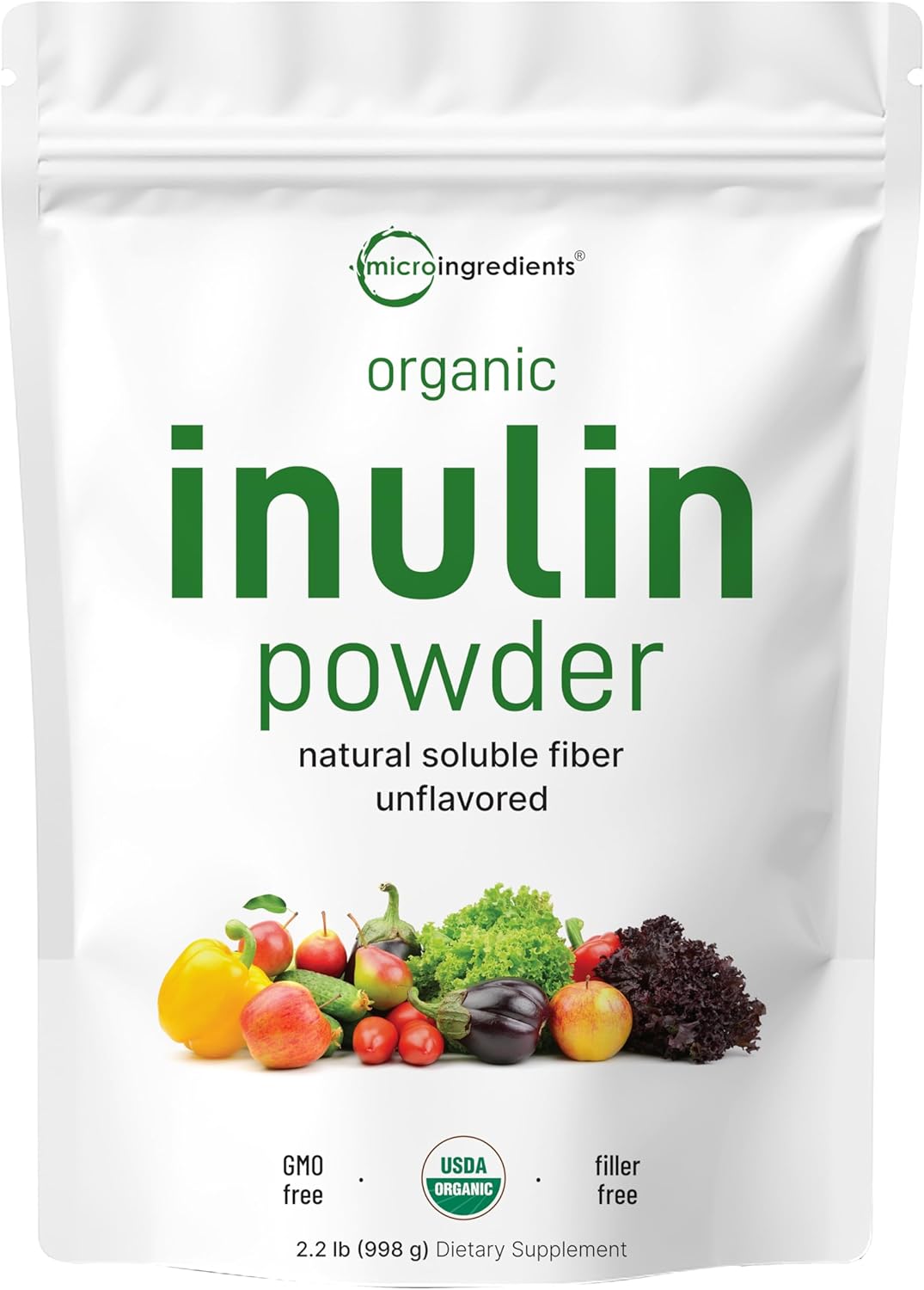
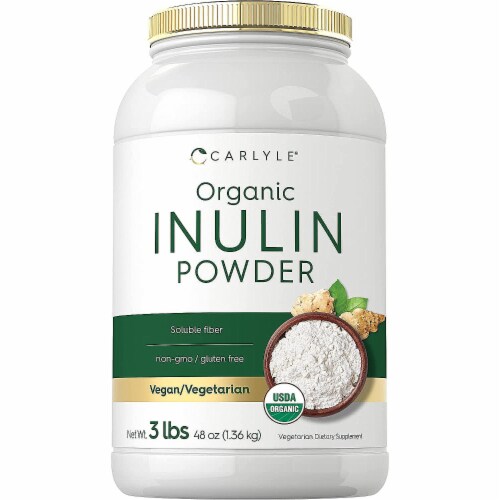
- Add inulin powder to your smoothies or yogurt: This is a convenient way to boost your daily intake. Start with a small amount (1/2 teaspoon) to avoid digestive discomfort and gradually increase as tolerated.
- Check food labels: Inulin is often added to processed foods like yogurt, granola bars, and cereals as a fiber source and a natural sweetener.
Potential Side Effects and Considerations:
While generally safe, inulin can cause digestive discomfort in some people, especially when consumed in large amounts. Common side effects may include:
- Gas and bloating
- Abdominal cramping
- Diarrhea
To minimize these side effects, start with a low dose and gradually increase your intake over time. Also, drink plenty of water to help move the fiber through your system.
The Bottom Line:
Inulin is a versatile and beneficial fiber that offers a range of potential health benefits, particularly for gut health. By incorporating inulin-rich foods into your diet or supplementing with inulin powder, you can nourish your gut microbiome and potentially improve your overall well-being. Just remember to start slowly and listen to your body to avoid any digestive discomfort. Give your gut some love with inulin – it will thank you for it!




Reviews
There are no reviews yet.