
Description
1. Product Overview
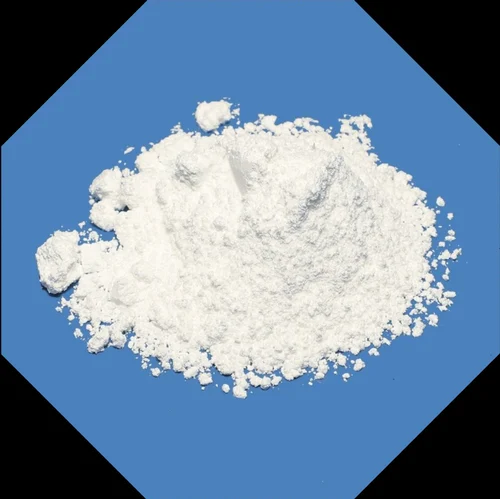
Industrial Tartaric Acid Residue is a secondary material generated during the extraction and purification of tartaric acid from natural or fermentation-derived sources. It contains residual tartaric acid, organic salts, and mineral compounds that retain significant industrial value for downstream processing and recovery applications. This material is widely utilized in chemical processing, agricultural inputs, and industrial material recovery operations where organic acid content and mineral components are beneficial. Its key value proposition lies in delivering a cost-effective raw material for large-scale industrial processes that do not require refined tartaric acid grades. By enabling resource recovery and supporting circular production systems, Industrial Tartaric Acid Residue plays a strategic role in sustainable chemical supply chains.
2. Key Specifications & Technical Characteristics
- Chemical Composition: Residual Tartaric Acid, Potassium Bitartrate, Calcium Tartrate, Organic Salts, Mineral Residues
- Typical Tartaric Acid Content: 10–30% (varies by production source and batch)
- Purity/Grade: Industrial Grade
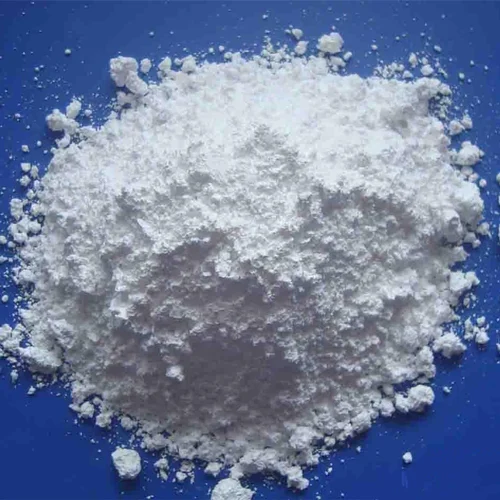
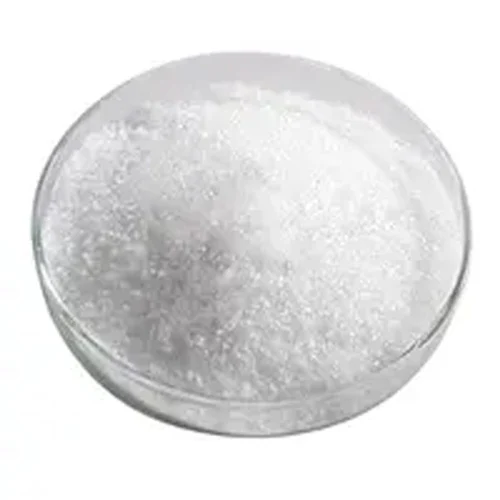
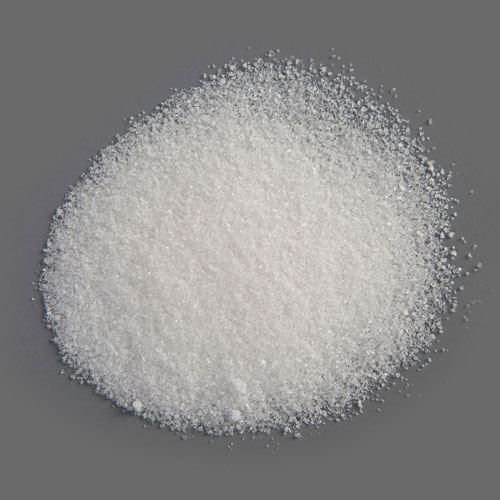
- Physical Form: Solid powder or granular residue
- Color: Off-white to light brown
- Particle Size: Variable depending on processing and recovery stage
- Moisture Content: Typically 5–15%
- Density: Approximately 0.7 – 1.1 g/cm³ (bulk density varies)
- Solubility: Partially soluble in water depending on composition
- Packaging Options: Bulk bags (500–1000 kg), industrial sacks (25–50 kg), or bulk container loading
- Shelf Life: 12–24 months when stored in dry, sealed conditions
3. Core Industrial Applications
Chemical Processing & Acid Recovery
Used as a feedstock for the recovery and refinement of tartaric acid and related organic salts. Chemical processors can extract valuable components for further conversion into industrial chemicals and specialty additives.
Agriculture & Soil Conditioning
Applied in agricultural formulations where organic acid residues and mineral components support soil amendment and microbial activity.
Industrial Materials & Additives
Used as a functional raw material in manufacturing processes that utilize organic acid salts, including certain construction materials and mineral blends.
Fermentation & Biochemical Processing
Can serve as a secondary nutrient source in fermentation environments where organic acids and mineral salts support microbial metabolism.
Compared to refined tartaric acid products, the residue offers a significantly lower-cost input for applications that require organic acid functionality rather than pharmaceutical or food-grade purity. This enables industrial users to optimize input costs while maintaining operational efficiency.
4. Competitive Advantages
- Quality Consistency: Sourced from established tartaric acid production streams ensuring reliable composition profiles
- Supply Reliability: Continuous generation from large-scale industrial processing supports consistent availability
- Logistics Capability: Bulk packaging and containerized shipping designed for efficient international transport
- Price Competitiveness: Substantially more economical than purified tartaric acid, ideal for industrial-scale applications
- Sustainability Benefits: Promotes circular economy principles by recovering value from chemical production residues
- Technical Documentation: Specifications and safety documentation available to support industrial procurement and regulatory compliance
5. Commercial & Supply Information
- Minimum Order Quantity (MOQ): BULK 20 MT
- Loading Capacity: 20–26 MT per 20’ container depending on packaging configuration

Reviews
There are no reviews yet.