
Description
1. Product Overview
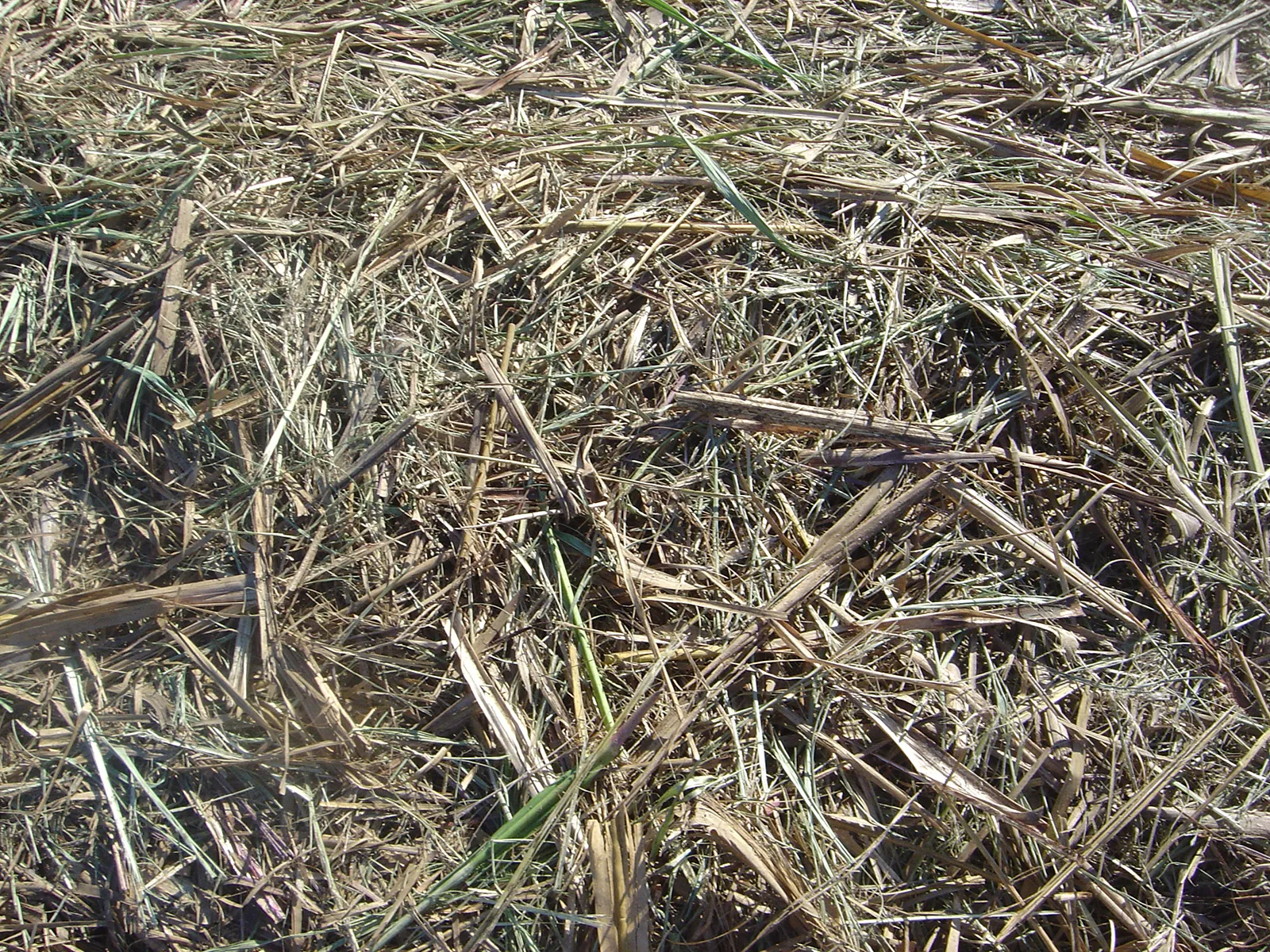
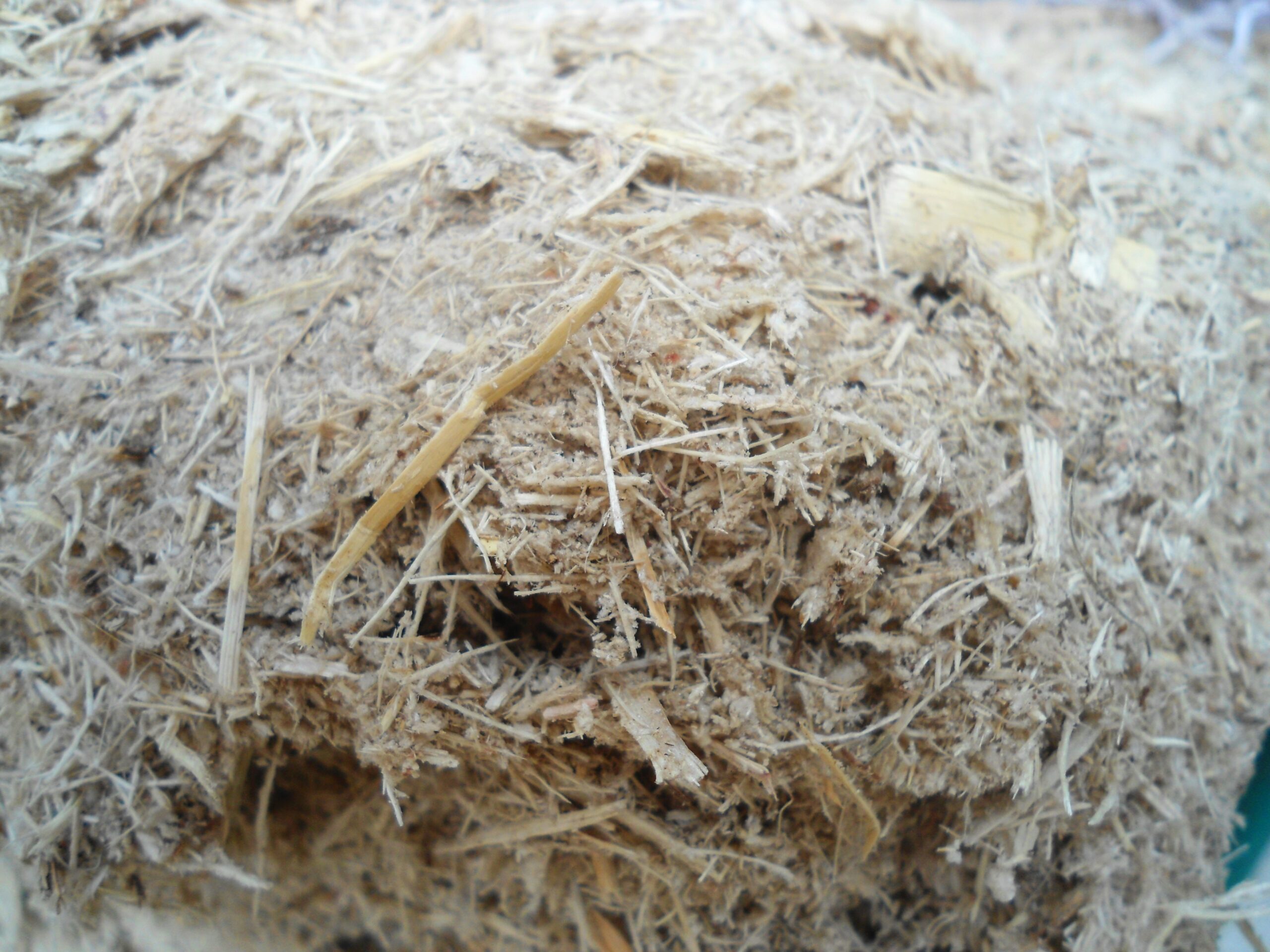
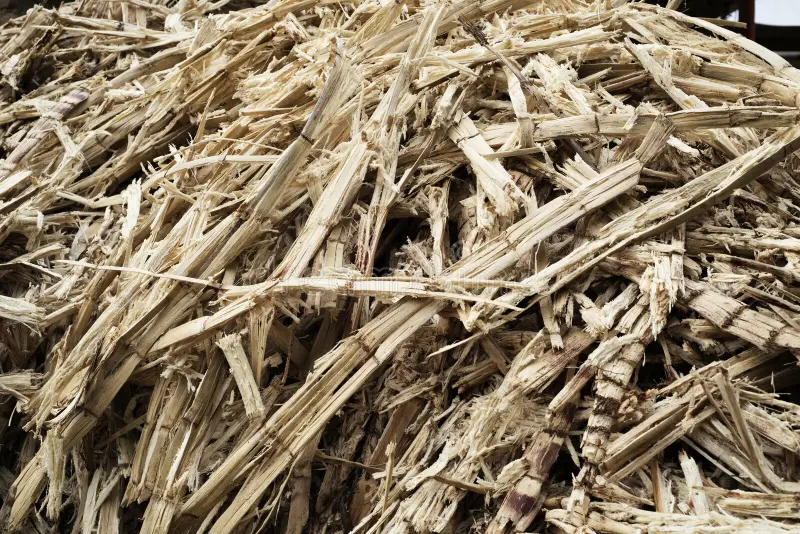
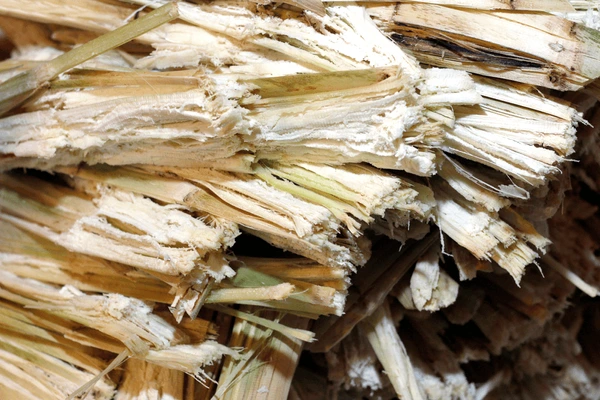
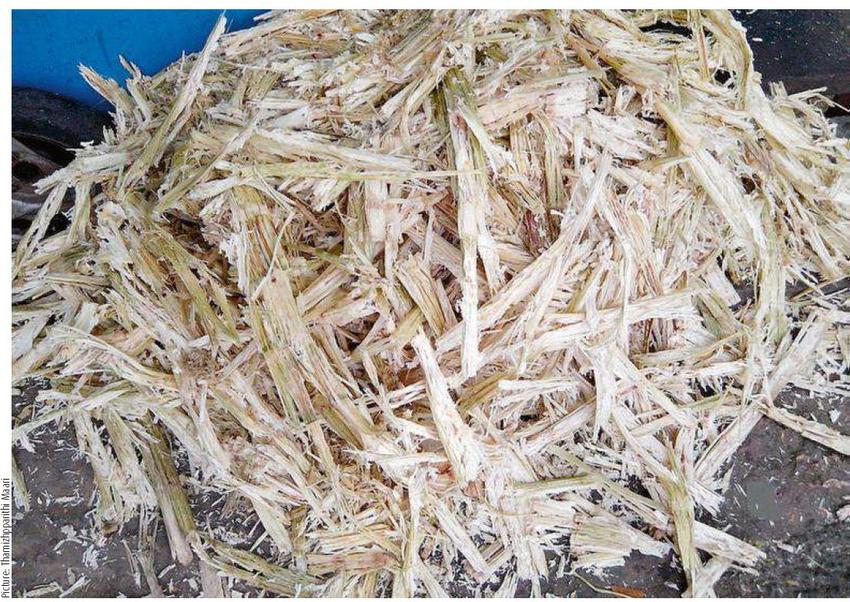
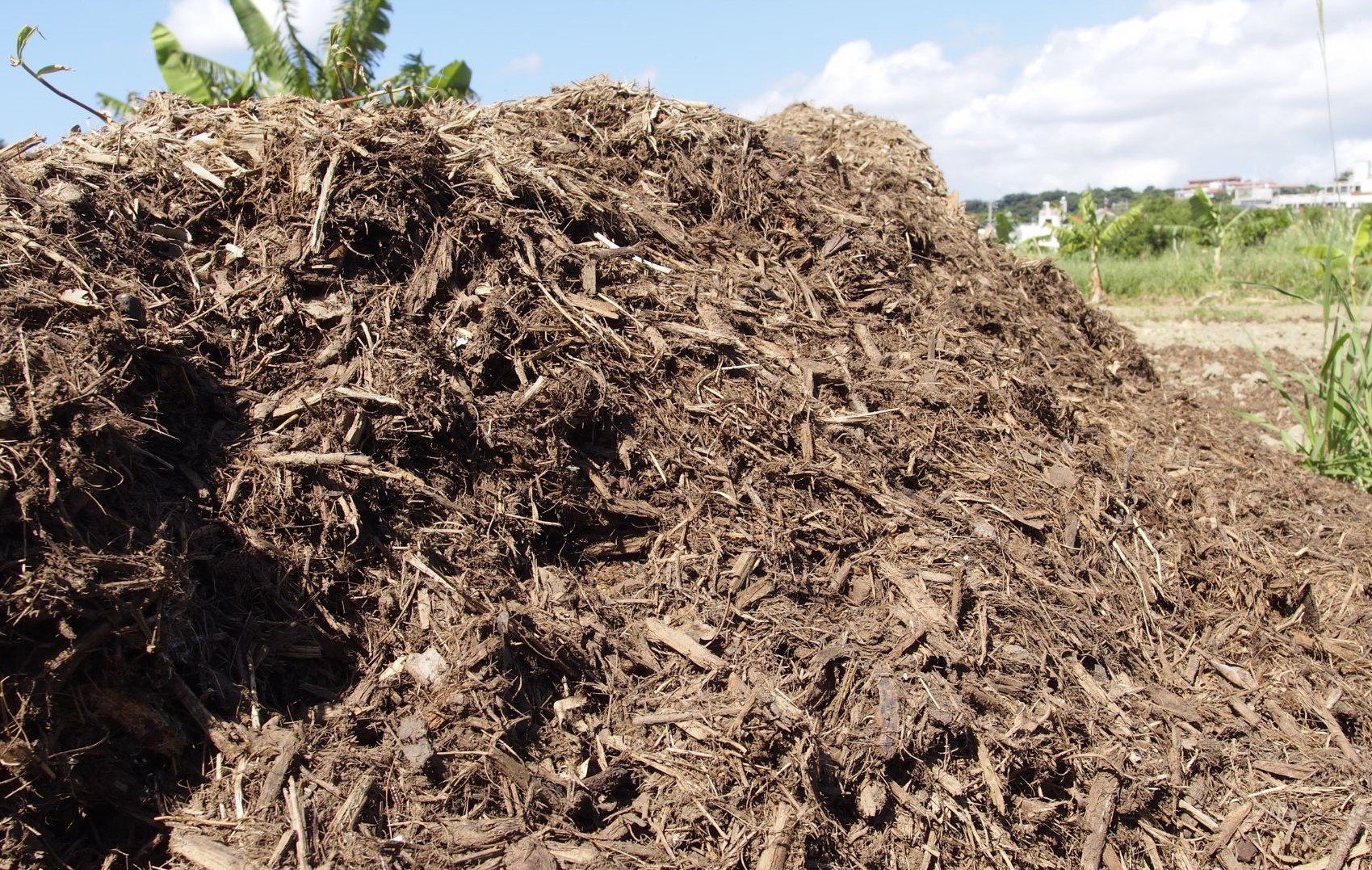
Industrial Sugarcane Bagasse Residue is the fibrous biomass by-product generated after the extraction of juice from sugarcane during sugar and ethanol production. Composed primarily of cellulose, hemicellulose, and lignin, it serves as a versatile raw material for energy generation, bio-based manufacturing, and industrial processing. Widely used in sectors such as biomass energy, pulp and paper production, biofuels, and biodegradable materials, it offers a sustainable and cost-effective alternative to conventional raw materials. Its strategic value lies in transforming agricultural residue into a productive industrial input while supporting circular economy initiatives and reducing reliance on fossil-based resources.
2. Key Specifications & Technical Characteristics
- Material Composition: Cellulose (40–50%), Hemicellulose (25–35%), Lignin (18–25%), Trace Minerals and Moisture
- Grade: Industrial Biomass Grade
- Moisture Content: Typically 40–50% (can vary depending on processing and storage conditions)
- Physical Form: Fibrous biomass residue
- Color: Light brown to tan
- Particle Structure: Coarse fibrous strands with variable fiber length
- Bulk Density: Approximately 100–200 kg/m³ (loose form)
- Energy Content (Calorific Value): Approximately 7,500–9,500 kJ/kg (depending on moisture content)
- Packaging Options: Compressed bales, bulk loose loading, or jumbo bags
- Shelf Life: Best utilized within 3–6 months when stored in dry, ventilated conditions to prevent biodegradation
3. Core Industrial Applications
Biomass Energy & Cogeneration Plants
Industrial sugar mills and power producers use bagasse as a renewable biomass fuel for boilers and cogeneration systems. Its high cellulose content enables efficient combustion for steam and electricity generation.
Pulp & Paper Manufacturing
Bagasse serves as a sustainable fiber source in the production of paper, cardboard, and packaging materials. Compared with wood pulp, it offers a lower-cost and environmentally responsible raw material option.
Biofuel & Biochemical Production
Used as feedstock in advanced bio-refineries for the production of second-generation bioethanol, bio-based chemicals, and fermentation substrates.
Biodegradable Packaging & Materials
Increasingly utilized in molded fiber products, compostable packaging, and eco-friendly disposable tableware due to its natural fiber strength and biodegradability.
Compared with traditional biomass or wood-based inputs, sugarcane bagasse offers superior sustainability benefits, lower raw material costs, and strong fiber performance for industrial processing.
4. Competitive Advantages
- Quality Consistency: Sourced from established sugar processing operations ensuring uniform fiber composition
- Supply Reliability: Continuous availability aligned with large-scale sugar production cycles
- Logistics Capability: Bulk handling and containerized export solutions available for global industrial buyers
- Price Competitiveness: Cost-efficient alternative to wood fiber and other biomass feedstocks
- Sustainability Benefits: Renewable agricultural residue supporting carbon reduction and circular economy initiatives
- Technical Documentation: Product specifications and handling guidelines available to support procurement and operational integration
5. Commercial & Supply Information
- Minimum Order Quantity (MOQ): BULK 20 MT
- Loading Capacity: 20–25 MT per 40’ container depending on compression and packaging format
Reviews
There are no reviews yet.