


Description
1. Product Overview
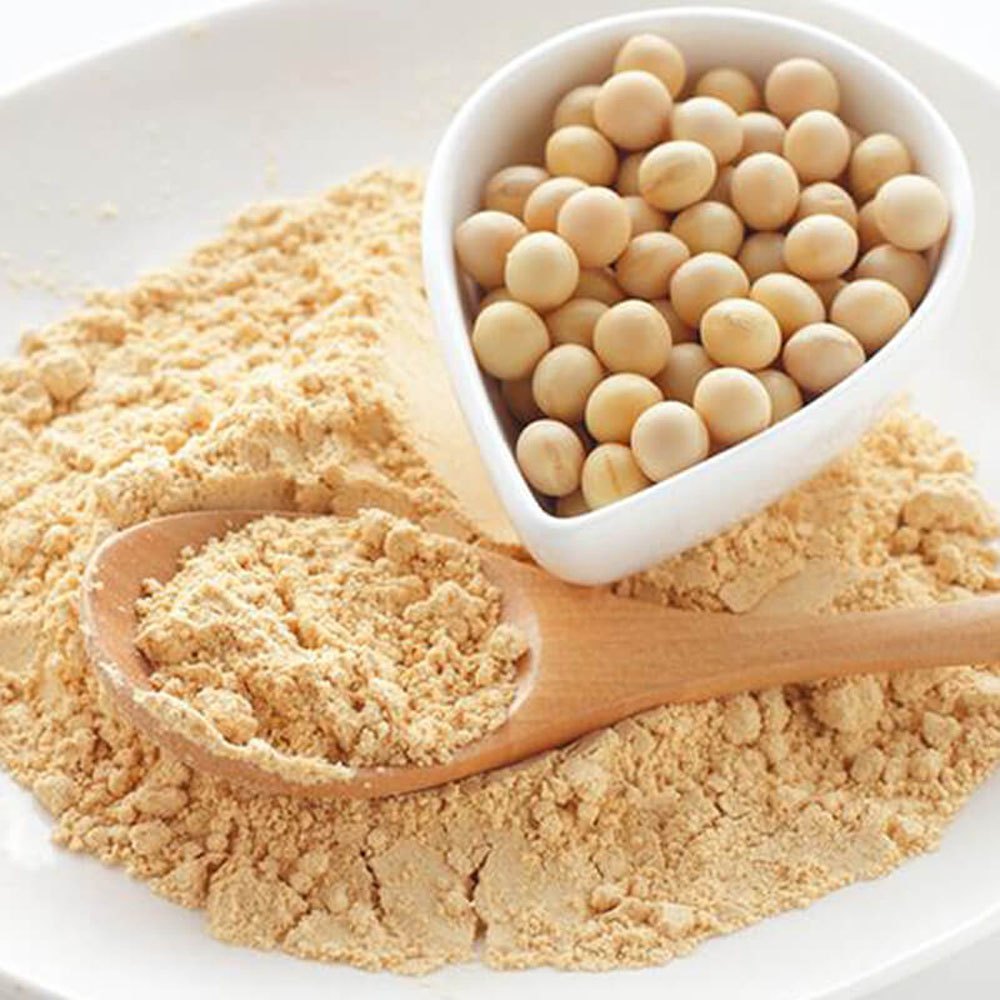
Industrial Soy Protein Residue is a nutrient-rich by-product generated during the processing and extraction of soy protein from soybeans. Containing residual proteins, fiber, and organic nutrients, it serves as a valuable raw material for multiple industrial and agricultural applications. It is widely utilized in animal feed manufacturing, organic fertilizers, fermentation processes, and biomass-based industrial formulations. The key value proposition lies in its high nutritional content combined with cost efficiency, offering industries a reliable alternative to more expensive protein-based raw materials. As global industries increasingly prioritize resource efficiency and circular manufacturing, Industrial Soy Protein Residue represents a strategic, sustainable feedstock within the bio-based supply chain.
2. Key Specifications & Technical Characteristics
- Chemical Composition: Residual Soy Protein, Plant Fiber, Carbohydrates, Lipids, Trace Minerals, Moisture
- Protein Content: Typically 20–40% (varies depending on extraction process)
- Purity/Grade: Industrial Grade (Soy Processing By-product)
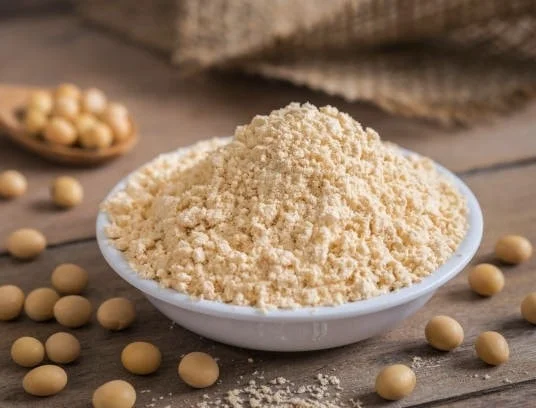
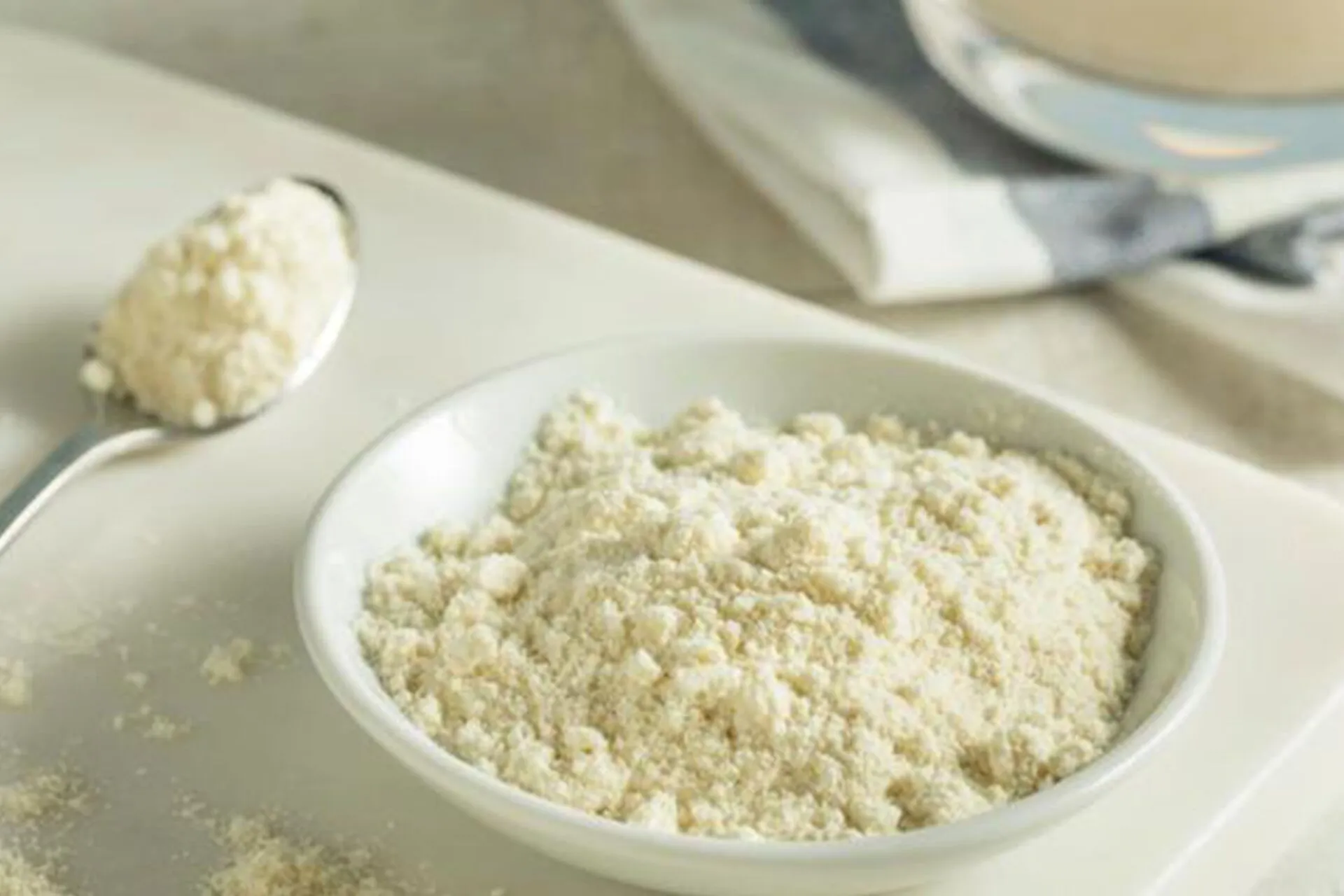
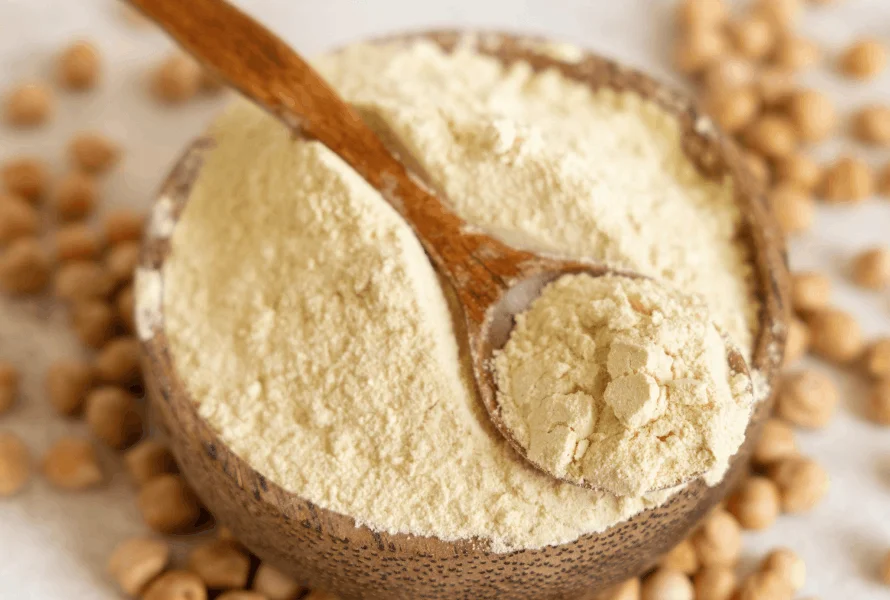
- Physical Form: Solid (powder, flakes, or fibrous meal depending on processing method)
- Color: Light tan to brown
- Particle Size: Variable; typically milled or granulated for bulk handling
- Moisture Content: Typically 8–15%
- Bulk Density: Approximately 0.45 – 0.70 g/cm³
- Odor: Mild soybean or natural plant odor
- Packaging Options: Bulk bags (1 MT), industrial sacks (25–50 kg), or bulk container loading
- Shelf Life: Typically 6–12 months when stored in a dry, well-ventilated environment
3. Core Industrial Applications
Animal Feed Manufacturing
Used as a protein-rich ingredient in livestock, poultry, and aquaculture feed formulations. The residual protein and fiber content support nutritional supplementation while maintaining cost efficiency for feed producers.
Organic Fertilizer & Soil Amendment Production
Serves as an organic nutrient source in composting systems and biofertilizer manufacturing. Its natural nitrogen and organic matter content support soil microbial activity and improve soil structure.
Industrial Fermentation Processes
Acts as an organic nutrient substrate in fermentation-based industries, providing nitrogen, amino acids, and carbohydrates required for microbial growth.
Biomass & Bio-based Manufacturing
Used as a renewable raw material in biomass processing and bio-based industrial products where plant-derived proteins and fibers contribute to functional formulations.
Compared with refined soy protein or other high-cost protein inputs, Industrial Soy Protein Residue offers a highly economical alternative while still delivering valuable organic nutrients and fermentation-supporting compounds.
4. Competitive Advantages
- Quality Consistency: Produced from standardized soybean processing operations ensuring stable composition profiles
- Supply Reliability: Continuous availability from large-scale soy protein manufacturing facilities
- Logistics Capability: Efficient bulk handling and international container shipping for global industrial buyers
- Price Competitiveness: Significantly lower cost than purified protein materials, enabling cost-efficient industrial formulations
- Sustainability Benefits: Supports circular economy principles by valorizing a soybean processing by-product into a useful industrial resource
- Technical Documentation: Product specifications, analysis reports, and safety documentation available for procurement and compliance requirements
5. Commercial & Supply Information
- Minimum Order Quantity (MOQ): BULK 20 MT
- Loading Capacity: 20–25 MT per 20’ container depending on packaging configuration
Reviews
There are no reviews yet.