
Description
1. Product Overview
Industrial Propylene Glycol Residue is a secondary process stream generated during the large-scale production and purification of propylene glycol. This material contains residual propylene glycol along with glycol derivatives and organic processing components, making it a valuable feedstock for industrial reuse and chemical recovery applications. It is widely utilized in sectors such as industrial chemicals, energy recovery, antifreeze blending, and secondary manufacturing processes that require glycol-based inputs. The key value proposition lies in delivering a cost-effective alternative to refined glycols while maintaining functional performance in non-critical industrial operations. As industries increasingly focus on resource efficiency and circular production models, Industrial Propylene Glycol Residue plays a strategic role in reducing waste while supplying economical raw material streams.
2. Key Specifications & Technical Characteristics
- Chemical Composition: Residual Propylene Glycol, Glycol Derivatives, Water, Trace Organic Compounds
- Propylene Glycol Content: Typically 40–70% (varies depending on production source)
- Purity/Grade: Industrial Grade Residual Stream
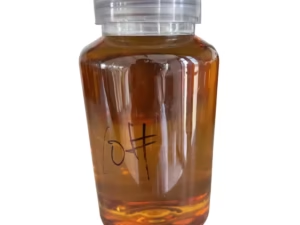
- Physical Form: Liquid
- Color: Clear to light amber
- Odor: Mild glycol-like odor
- Density: Approximately 1.03 – 1.08 g/cm³
- Viscosity: Moderate liquid viscosity typical of glycol mixtures
- Solubility: Fully miscible with water and many organic solvents
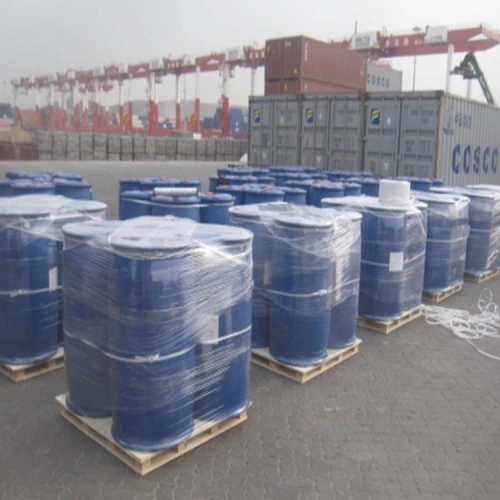
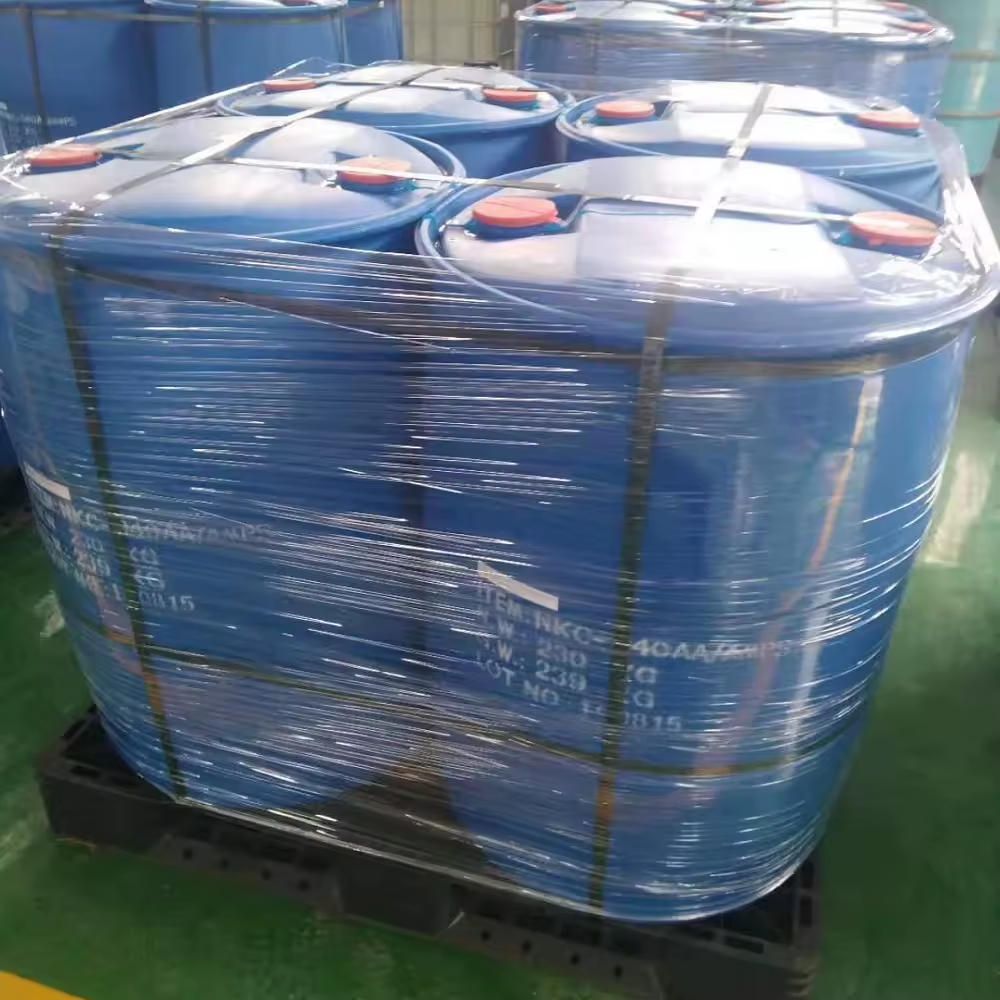
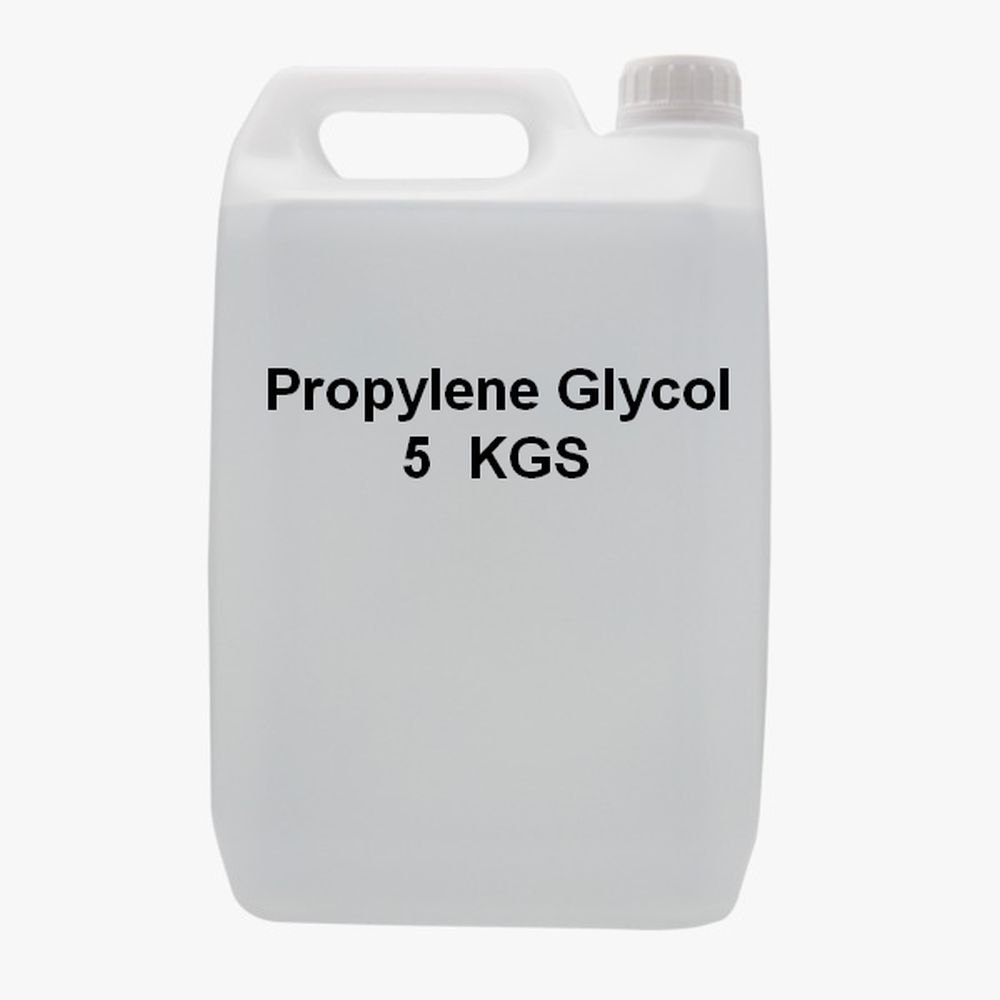
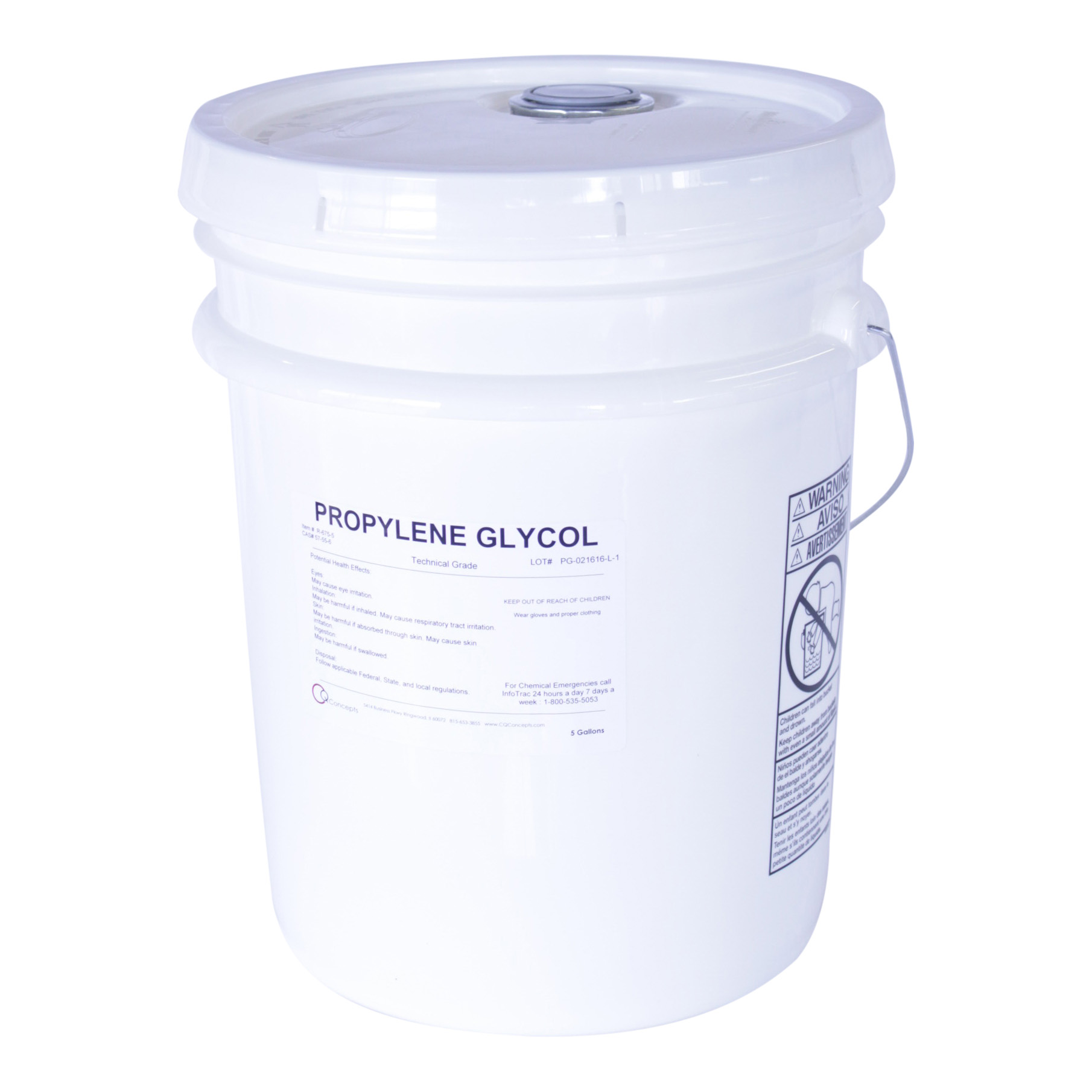
- Packaging Options: Bulk tankers, IBC containers (1000L), or industrial drums (200L)
- Shelf Life: Typically 12 months when stored in sealed containers under dry, stable conditions
3. Core Industrial Applications
Industrial Chemical Processing
Used as a secondary glycol feedstock in chemical manufacturing processes where high-purity propylene glycol is not required. It provides a cost-effective glycol source for blending and intermediate production.
Antifreeze and Heat Transfer Fluid Blending
Applied in the formulation of industrial antifreeze solutions and heat transfer fluids where glycol functionality is required but premium grades are unnecessary.
Energy Recovery and Fuel Blending
Due to its organic content and calorific value, it is suitable for controlled energy recovery applications in industrial combustion systems.
Manufacturing & Process Utilities
Utilized in various process operations such as cooling fluids, dust suppression formulations, and secondary solvent systems in industrial facilities.
Compared with refined propylene glycol, this residue stream offers significant cost efficiency while still delivering the core chemical functionality required in many industrial environments. Its availability in bulk volumes also supports continuous large-scale operations.
4. Competitive Advantages
- Quality Consistency: Sourced from controlled industrial production streams ensuring stable chemical composition across batches
- Supply Reliability: Continuous output from propylene glycol manufacturing operations ensures consistent bulk availability
- Logistics Capability: Available for global shipment via bulk tankers, IBC containers, or drums
- Price Competitiveness: Provides a substantially lower-cost alternative to refined glycol products for industrial use cases
- Sustainability Benefits: Promotes circular chemical utilization by repurposing manufacturing residues into valuable industrial feedstocks
- Technical Documentation: Safety data sheets and product specifications available to support procurement and regulatory requirements
5. Commercial & Supply Information
- Minimum Order Quantity (MOQ): BULK 20 MT
- Loading Capacity: 20–24 MT per 20’ container depending on packaging configuration

Reviews
There are no reviews yet.