
Description
1. Product Overview
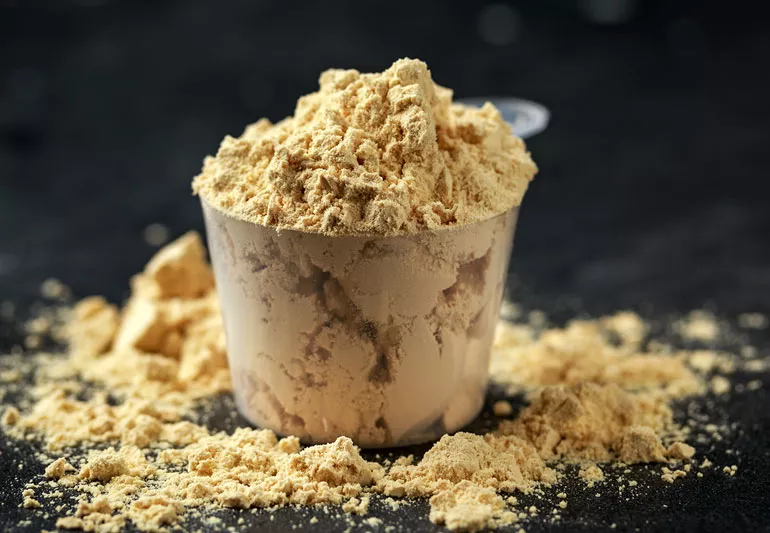
Industrial Pea Protein Residue is a nutrient-rich by-product generated during the extraction and purification of pea protein from yellow peas. After protein isolation, the remaining material retains valuable components including fiber, residual proteins, carbohydrates, and micronutrients. It is widely utilized across industries such as animal nutrition, fermentation feedstock production, and organic agricultural inputs. This material provides a cost-efficient and sustainable alternative to conventional plant-based feed ingredients while maintaining functional nutritional value. Its growing importance in the circular bioeconomy makes it a strategically valuable raw material for manufacturers seeking both economic efficiency and sustainable sourcing.
2. Key Specifications & Technical Characteristics
- Chemical Composition: Plant Fiber, Residual Pea Protein, Starch/Carbohydrates, Trace Lipids, Minerals, Moisture
- Residual Protein Content: Typically 8–18% (varies depending on extraction process)
- Purity/Grade: Industrial Feed / Processing Grade
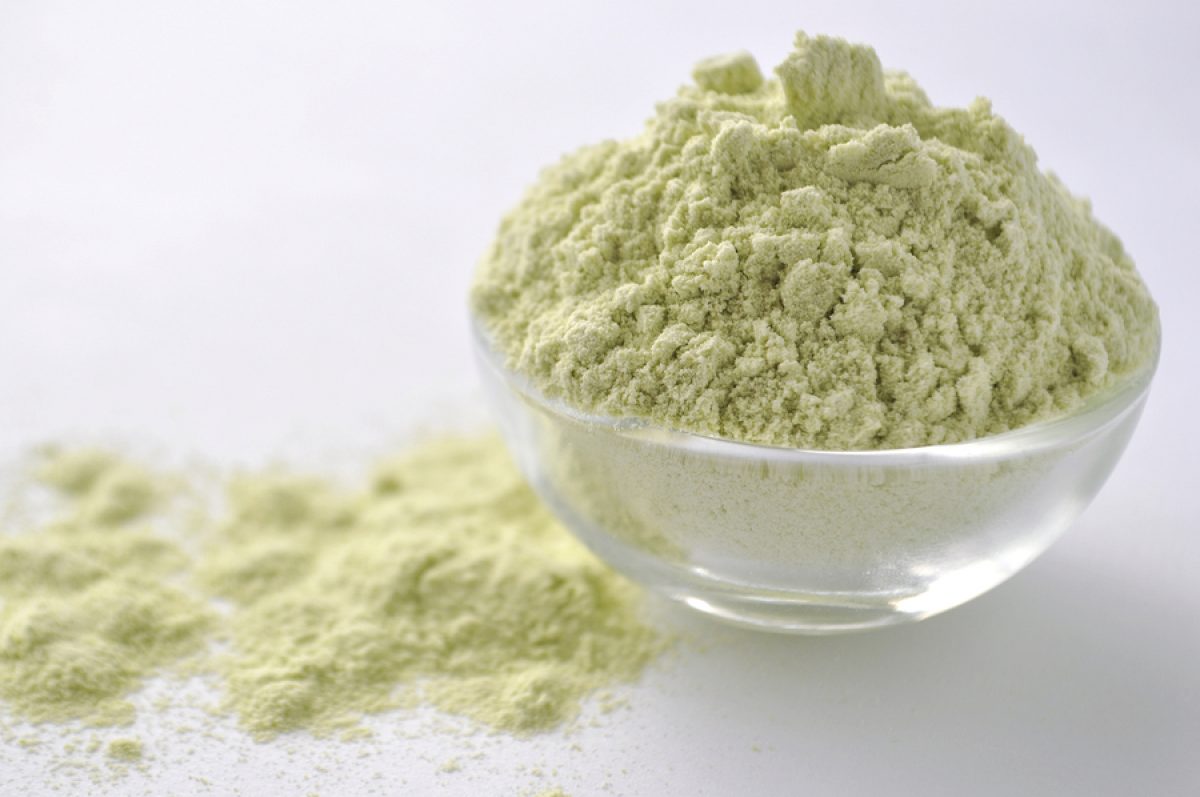
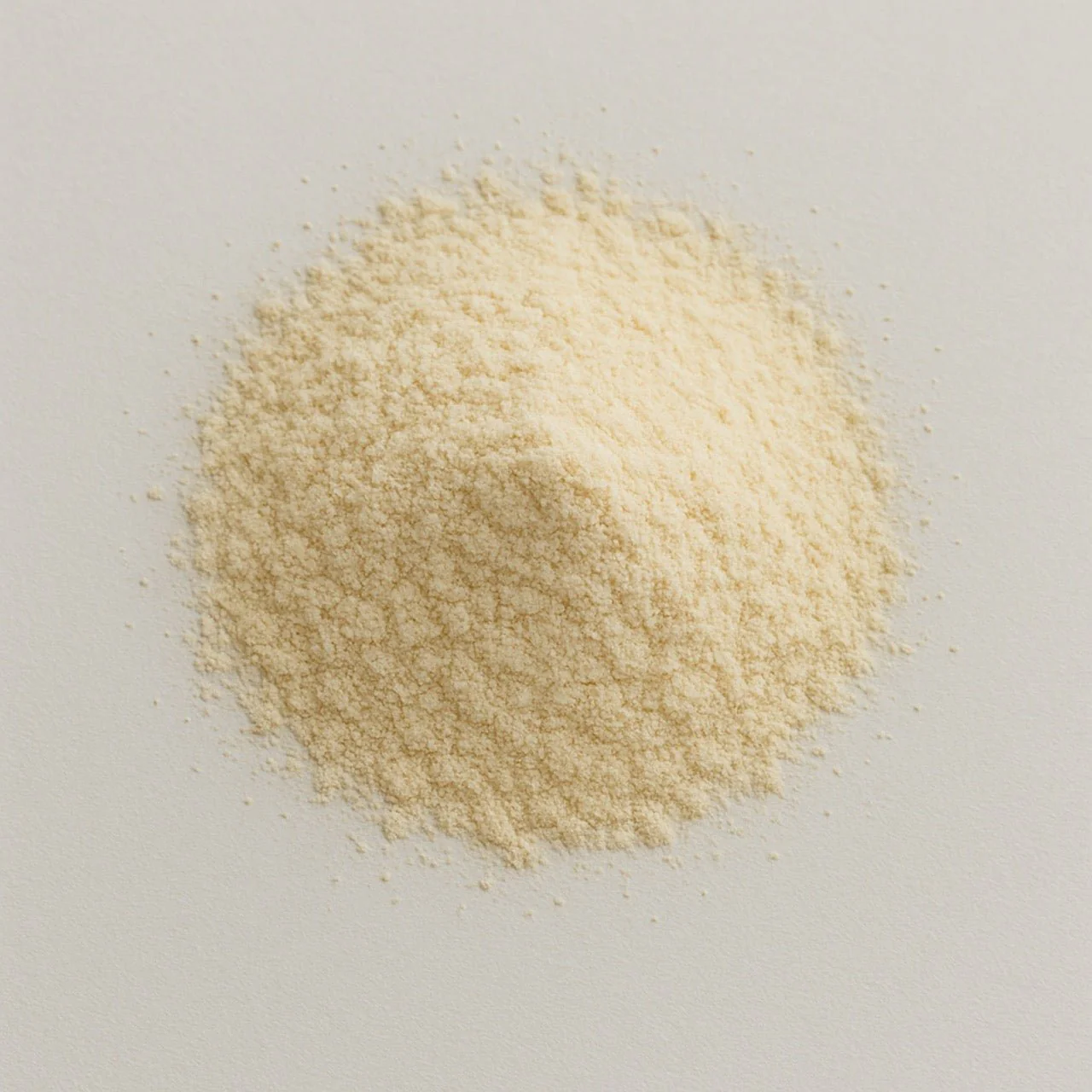
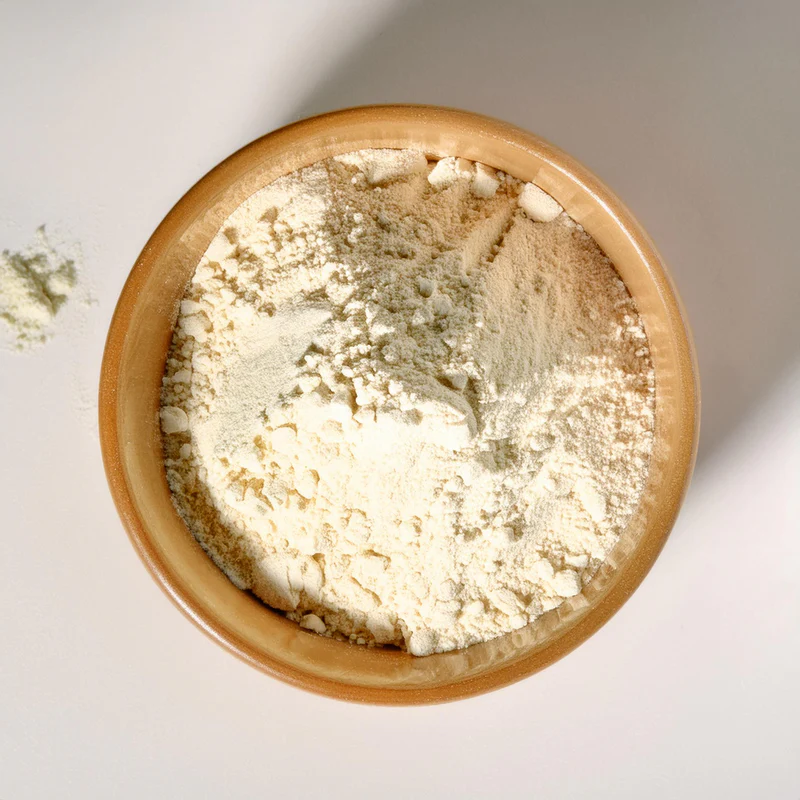
- Physical Form: Powder, granulated meal, or coarse fiber residue
- Color: Light beige to pale yellow
- Particle Size: Fine to medium fibrous granules depending on processing
- Moisture Content: Typically 8–12%
- Bulk Density: Approximately 350–600 kg/m³
- Odor: Mild plant-based aroma
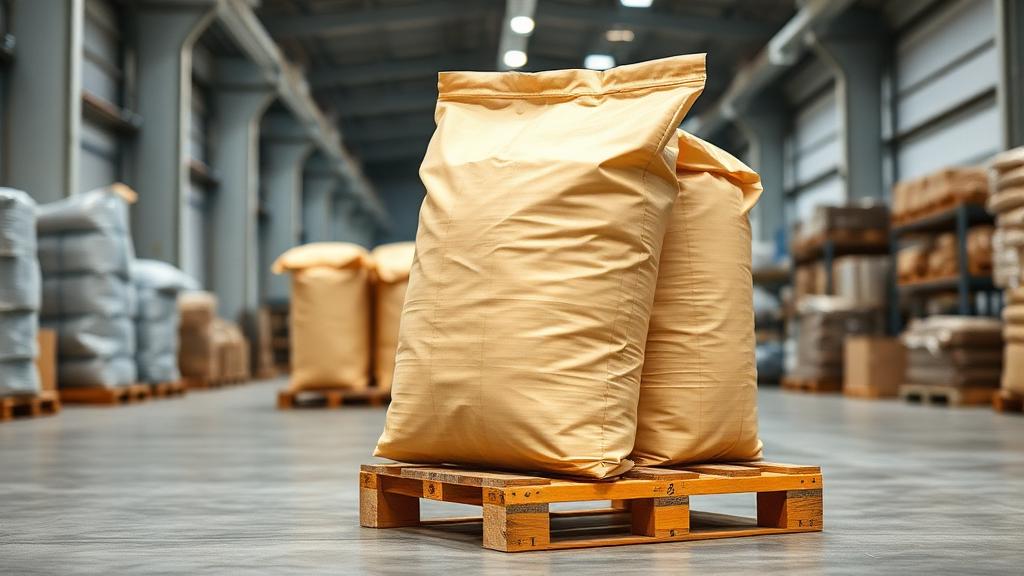
- Packaging Options: Bulk bags (1 MT), 25 kg industrial bags, or bulk container loading
- Shelf Life: 12 months when stored in cool, dry, and well-ventilated conditions
3. Core Industrial Applications
Animal Feed Industry
Used as a plant-based fiber and protein supplement in feed formulations for livestock, poultry, and aquaculture. It enhances nutritional balance while offering a cost-effective alternative to higher-cost protein meals.
Fermentation & Biotechnology
Serves as a carbohydrate and nutrient source for microbial fermentation processes. Its organic composition supports microbial growth in enzyme production, bio-based chemical manufacturing, and fermentation media.
Agricultural Inputs & Organic Fertilizers
Utilized in composting systems, soil conditioners, and organic fertilizer formulations due to its biodegradable plant fiber and nutrient content.
Pet Food & Feed Additives
Integrated into fiber-rich formulations for pet nutrition products, contributing to digestive health and plant-based ingredient profiles.
Compared with refined plant ingredients, Industrial Pea Protein Residue offers strong economic advantages while maintaining functional nutritional value. Its fiber-rich structure and residual protein content make it particularly valuable for large-scale feed and fermentation applications where cost efficiency and performance are critical.
4. Competitive Advantages
- Quality Consistency: Derived from standardized pea protein extraction processes ensuring predictable composition and performance
- Supply Reliability: Produced continuously as a by-product of large-scale plant protein manufacturing
- Logistics Capability: Bulk packaging formats designed for efficient international shipping and industrial handling
- Price Competitiveness: Significantly lower cost than primary protein ingredients while retaining valuable nutritional components
- Sustainability Benefits: Supports circular resource utilization by repurposing plant protein processing residues
- Technical Documentation: Product specifications, safety documentation, and application guidance available to support industrial buyers
5. Commercial & Supply Information
- Minimum Order Quantity (MOQ): BULK 20 MT
- Loading Capacity: 20–25 MT per 20’ container depending on packaging configuration
Reviews
There are no reviews yet.