




Description
1. Product Overview
Industrial Almond Oil Residue is a high-value by-product generated during the mechanical pressing or solvent extraction of almond oil. Rich in organic compounds, proteins, and residual oils, this material is widely utilized across feed manufacturing, bio-based industrial processing, and organic fertilizer production. Its balanced nutrient profile and high organic matter content make it an efficient raw material for multiple industrial applications. As global industries increasingly seek sustainable and circular raw material streams, Industrial Almond Oil Residue represents a strategically important input for cost-effective and environmentally responsible production systems.
2. Key Specifications & Technical Characteristics
- Material Composition: Organic biomass containing residual almond oil, plant proteins, fiber, and natural lipids
- Purity/Grade: Industrial-grade oilseed processing by-product
- Moisture Content: Typically 6–12% depending on processing method
- Residual Oil Content: 6–15% (varies by extraction efficiency)
- Protein Content: Approximately 20–30%
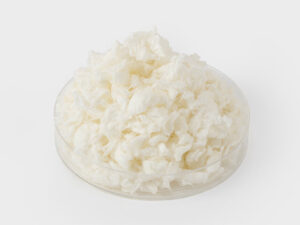
- Physical Form: Press cake, coarse meal, or granulated residue
- Color: Light brown to dark brown
- Particle Size: Variable depending on milling or crushing process
- Bulk Density: Approximately 450–650 kg/m³
- Packaging Options:
- Bulk jumbo bags (1 MT)
- Bulk loose loading for large industrial orders
- Customized packaging upon request
- Shelf Life: 12–18 months when stored in dry, well-ventilated conditions
3. Core Industrial Applications
Animal Feed Manufacturing
Industrial Almond Oil Residue is widely used as a protein-rich ingredient in livestock and poultry feed formulations. Its balanced nutrient profile supports energy and protein requirements in compound feed production.
Organic Fertilizer Production
Due to its high organic content and slow nutrient release characteristics, the residue is commonly processed into organic fertilizers and soil conditioners used in sustainable agriculture.
Bioenergy & Biomass Processing
The material serves as an effective biomass feedstock for bioenergy production, including pelletized fuel and biogas generation, thanks to its calorific value and organic composition.
Industrial Composting & Soil Enhancement
It is utilized in composting operations where it contributes nitrogen and organic matter, improving soil fertility and microbial activity.
Compared with alternative oilseed residues, Industrial Almond Oil Residue offers a favorable balance of protein, residual oil, and fiber content, enabling efficient conversion into multiple value-added industrial products while maintaining competitive input costs.
4. Competitive Advantages
- Consistent Industrial Quality: Produced through standardized oil extraction processes ensuring stable composition.
- Reliable Supply Chain: Scalable sourcing supported by established almond processing networks.
- Efficient Logistics: Bulk handling and containerized shipping designed for international industrial buyers.
- Cost-Effective Raw Material: Competitive pricing compared to conventional oilseed by-products.
- Sustainable Resource Utilization: Supports circular economy principles by repurposing agricultural processing residues.
- Technical Documentation Available: Product specifications, quality documentation, and logistics support available upon request.
5. Commercial & Supply Information
- Minimum Order Quantity (MOQ): BULK 20 MT
- Loading Capacity: 20–22 MT per 20ft container


Reviews
There are no reviews yet.