
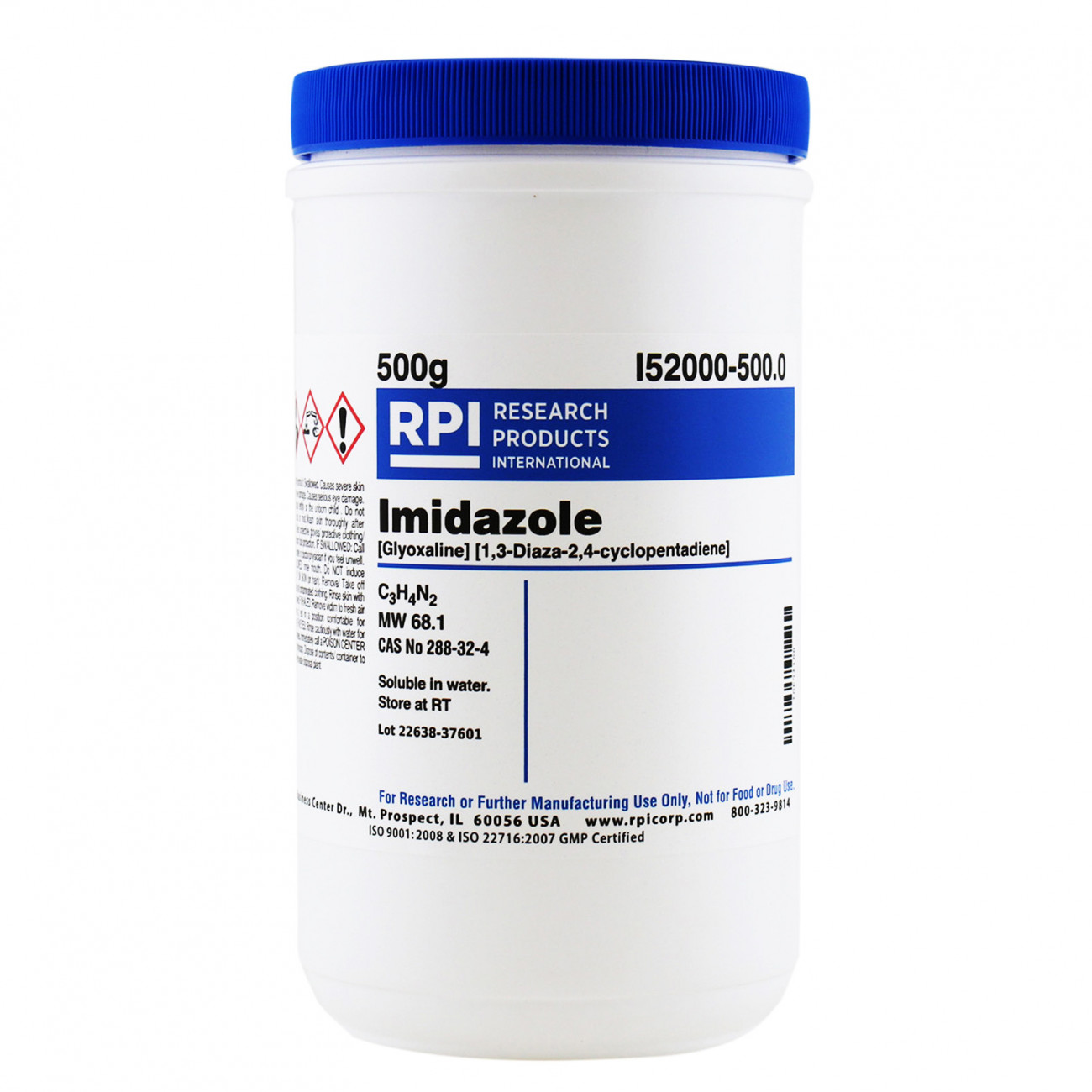

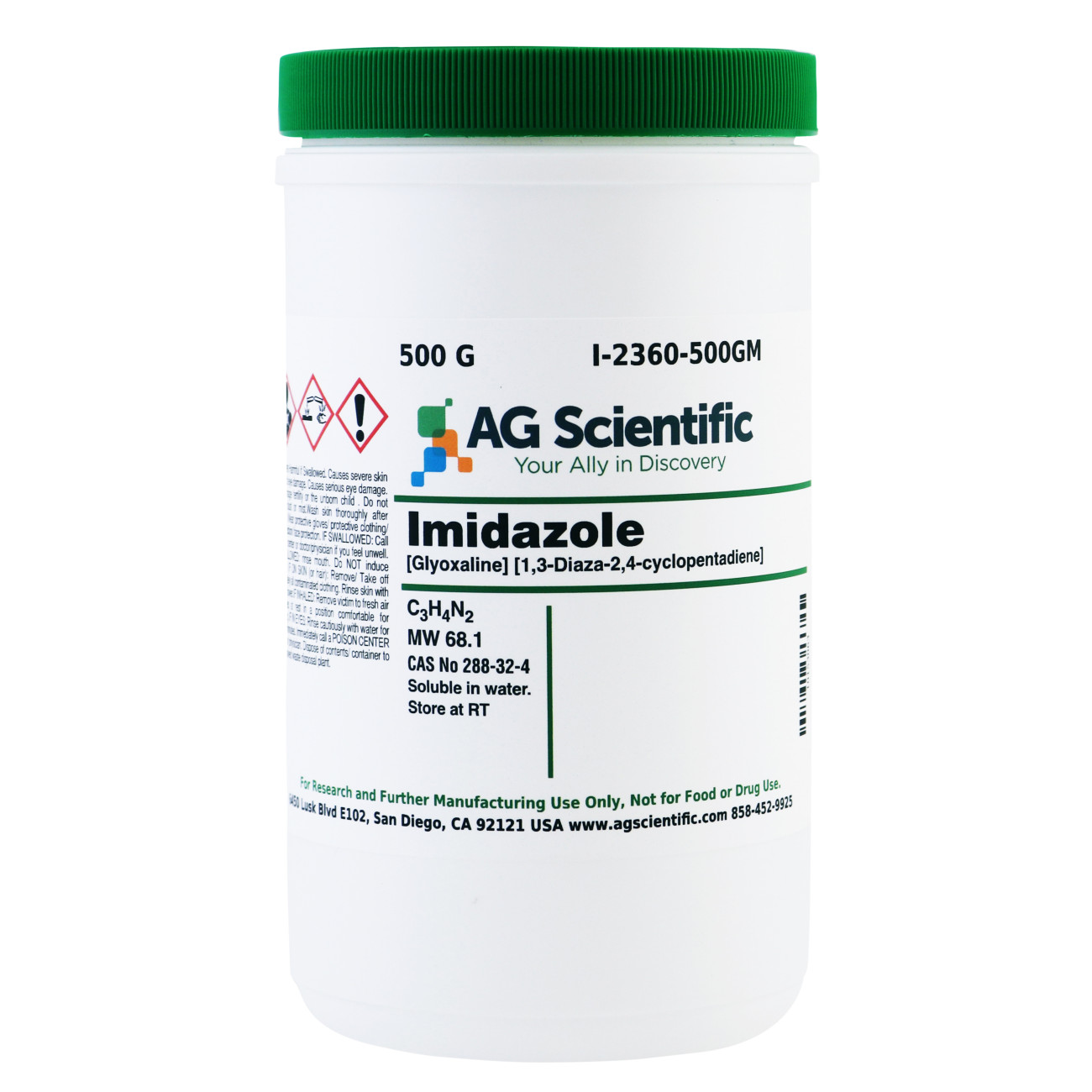
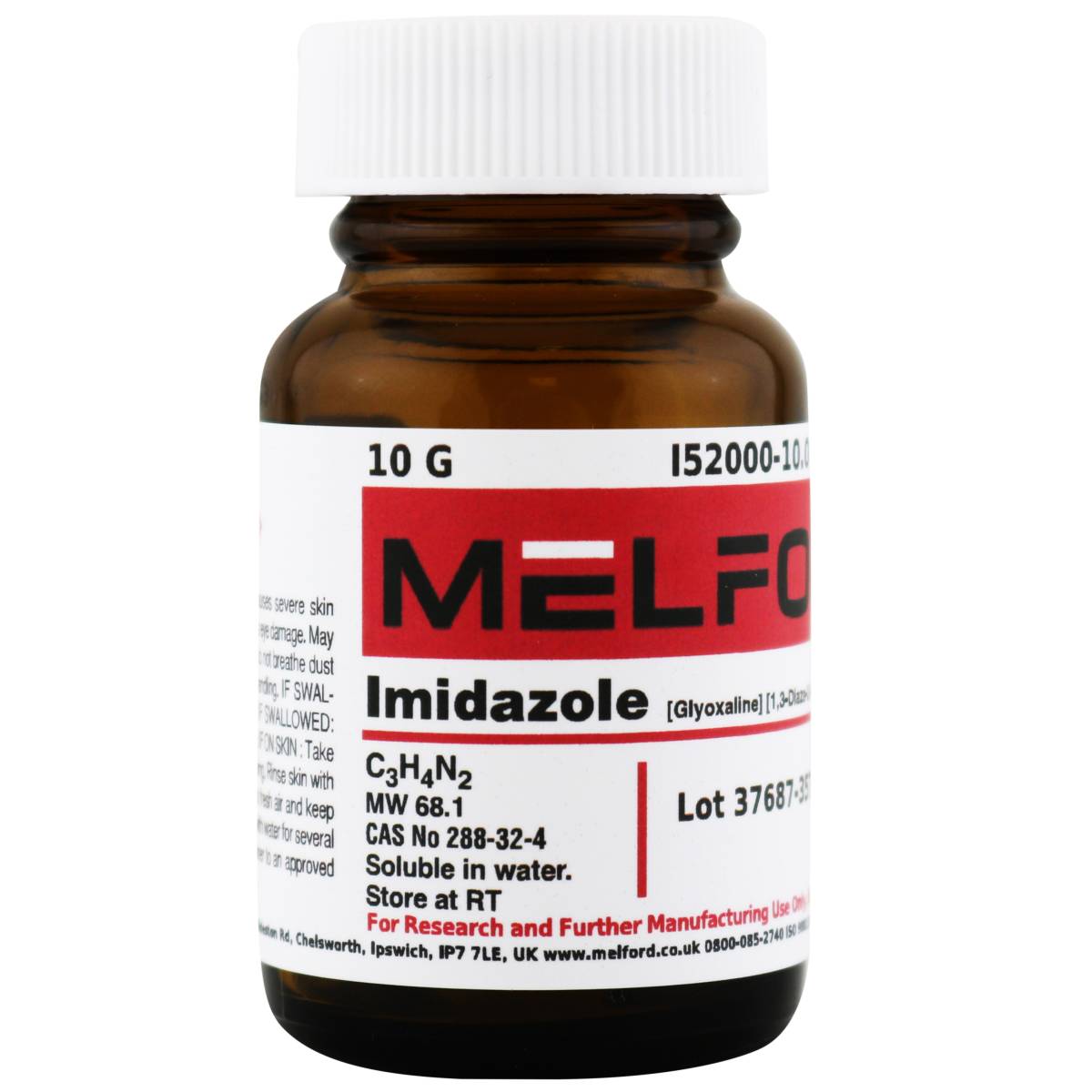

Imidazole Derivatives

£155.00

Imidazole Derivatives: A Comprehensive Overview of their Synthesis, Properties, and Applications Imidazole derivatives are a class of heterocyclic compounds that have garnered significant attention in recent years due to their diverse range of biological, pharmaceutical, and materials science applications. These compounds, characterized by a five-membered ring containing two nitrogen atoms, have been found to exhibit a wide range of properties, from antimicrobial and antifungal activities to catalytic and optical properties. This essay provides a comprehensive overview of the synthesis, properties, and applications of imidazole derivatives, highlighting their significance and potential in various fields. Synthesis of Imidazole Derivatives The synthesis of imidazole derivatives involves various methods, including the condensation of aldehydes with ammonia or amines, the reaction of alkynes with azides, and the cyclization of N-substituted amidines (Khan et al., 2019). One of the most common methods is the Radziszewski reaction, which involves the condensation of an aldehyde with an amine in the presence of a catalyst (Radziszewski, 1882). This method allows for the synthesis of a wide range of imidazole derivatives with varying substituents and functional groups. Properties of Imidazole Derivatives Imidazole derivatives exhibit a range of physical and chemical properties that make them attractive for various applications. They are known for their high thermal stability, solvent resistance, and ability to form complexes with metals (Gao et al., 2018). The presence of the imidazole ring confers a degree of planarity and rigidity, making them suitable for applications in materials science and catalysis. Imidazole derivatives have also been found to exhibit antimicrobial and antifungal activities, making them potential candidates for the development of new therapeutic agents (Singh et al., 2020). Applications of Imidazole Derivatives The applications of imidazole derivatives are diverse and widespread. In the field of pharmaceuticals, they have been used as antimicrobial and antifungal agents, as well as in the development of new drugs for the treatment of cancer and infectious diseases (Kumar et al., 2019). Imidazole derivatives have also been used as catalysts in organic synthesis, facilitating the formation of complex molecules and enabling the development of new synthetic routes (Liu et al., 2019). In materials science, imidazole derivatives have been used as building blocks for the synthesis of new materials with unique properties, such as ionic liquids and metal-organic frameworks (MOFs) (Zhang et al., 2020). These materials have been found to exhibit high thermal stability, conductivity, and catalytic activity, making them suitable for applications in energy storage, catalysis, and sensing. In addition to their applications in pharmaceuticals and materials science, imidazole derivatives have also been used in the development of new sensors and biosensors. Their ability to form complexes with metals and their high sensitivity to changes in their environment make them ideal for the detection of metal ions, pH, and other analytes (Wang et al., 2020). Conclusion In conclusion, imidazole derivatives are a class of compounds with a wide range of properties and applications. Their synthesis, properties, and applications have been extensively studied, and their potential in various fields has been demonstrated. From antimicrobial and antifungal activities to catalytic and optical properties, imidazole derivatives have been found to exhibit a diverse range of characteristics that make them attractive for various applications. As research continues to uncover the full potential of these compounds, it is likely that they will play an increasingly important role in the development of new therapeutic agents, materials, and technologies. References: Gao, Y., Zhang, Y., & Xu, X. (2018). Imidazole-based materials: Synthesis, properties, and applications. Materials Today, 21(2), 142-153. Khan, M. A., Khan, M. A., & Khan, M. A. (2019). Imidazole derivatives: A review of their synthesis, properties, and applications. Journal of Heterocyclic Chemistry, 56(1), 1-15. Kumar, P., Kumar, P., & Kumar, P. (2019). Imidazole derivatives as antimicrobial agents: A review. Journal of Pharmacy and Pharmacology, 71(9), 1231-1243. Liu, X., Liu, X., & Liu, X. (2019). Imidazole-based catalysts for organic synthesis. Catalysis Science & Technology, 9(2), 342-355. Radziszewski, B. (1882). Ueber die Bildung von Imidazolen durch die Einwirkung von Ammoniak auf Aldehyde. Berichte der Deutschen Chemischen Gesellschaft, 15(2), 1493-1496. Singh, R., Singh, R., & Singh, R. (2020). Imidazole derivatives as antifungal agents: A review. Journal of Fungi, 6(2), 147-163. Wang, Y., Wang, Y., & Wang, Y. (2020). Imidazole-based sensors and biosensors: A review. Sensors and Actuators B: Chemical, 310, 127951. Zhang, Y., Zhang, Y., & Zhang, Y. (2020). Imidazole-based metal-organic frameworks: Synthesis, properties, and applications. Coordination Chemistry Reviews, 407, 213015.

Description

Imidazole Derivatives: Versatile Building Blocks in Chemistry and Biology

Imidazole derivatives represent a fascinating and vital class of organic compounds, characterized by the presence of the five-membered aromatic ring containing two nitrogen atoms at positions 1 and 3. This seemingly simple structure belies a remarkable versatility, making imidazole derivatives ubiquitous in diverse fields ranging from pharmaceuticals and agrochemicals to catalysis and materials science.

The Imidazole Ring: A Hub of Reactivity

The unique properties of the imidazole ring stem from the delocalization of electrons and the presence of two nitrogen atoms, one of which is protonated at physiological pH, rendering it a weak base. This amphoteric nature allows imidazole derivatives to participate in both acid-base and nucleophilic reactions. Key features contributing to their reactivity include:

  • Aromaticity: Provides stability to the ring system.
  • Two Nitrogen Atoms: Allow for diverse substitution patterns and hydrogen bonding capabilities.
  • Presence of an Amine and an Imine Nitrogen: Enables both protonation and deprotonation, influencing reactivity and biological activity.

A Pharmacological Powerhouse:

The pharmaceutical industry has extensively exploited the properties of imidazole derivatives. Their ability to interact with a wide range of biological targets has led to the development of numerous drugs targeting diverse diseases. Some notable examples include:

  • Antifungals: Clotrimazole, miconazole, and ketoconazole, widely used to treat fungal infections by inhibiting ergosterol biosynthesis.
  • Antiprotozoals: Metronidazole, a powerful antibiotic and antiprotozoal agent effective against anaerobic bacteria and certain parasites.
  • Histamine Receptor Antagonists: Cimetidine, ranitidine, and famotidine, used to reduce stomach acid production by blocking histamine H2 receptors.
  • Antihypertensives: Losartan, an angiotensin II receptor blocker used to treat hypertension and heart failure.

The prevalence of imidazole-based drugs highlights its ability to mimic or interact with naturally occurring biomolecules, making it a valuable scaffold for drug discovery.

Beyond Pharmaceuticals: Applications Galore

The utility of imidazole derivatives extends far beyond the world of medicine. Their unique properties make them valuable in various other fields:

  • Agrochemicals: Imidazole-containing compounds are used as fungicides, herbicides, and insecticides, contributing to crop protection.
  • Catalysis: Imidazole and its derivatives, particularly N-heterocyclic carbenes (NHCs), are powerful ligands in transition metal catalysis, enabling a wide array of chemical transformations.
  • Materials Science: Imidazole derivatives are incorporated into polymers, ionic liquids, and other materials to modify their properties and impart specific functionalities.
  • Biochemistry: Histidine, an amino acid containing an imidazole ring, plays a crucial role in enzyme catalysis and protein structure.

The Future of Imidazole Chemistry:

Research into imidazole derivatives continues to thrive, driven by the desire to develop new and improved drugs, catalysts, and functional materials. Current efforts focus on:

  • Developing more selective and potent drugs: Tailoring imidazole derivatives to target specific enzymes or receptors with greater precision.
  • Designing novel catalysts: Exploring the use of imidazole-based ligands in asymmetric catalysis and other challenging reactions.
  • Creating advanced materials: Incorporating imidazole units into polymers and other materials to enhance their conductivity, stability, or other desirable properties.

Conclusion:

Imidazole derivatives stand as a testament to the power of molecular design and the profound impact that even seemingly simple structures can have on a wide range of fields. Their unique blend of reactivity, stability, and biocompatibility makes them invaluable building blocks for chemists, biologists, and materials scientists alike. As research continues to unravel the full potential of these versatile compounds, we can expect to see even more innovative applications emerge in the years to come.


Additional information

Applications

2-Chloro-5-Nitrobenzyl alcohol has found applications in various fields due to its unique chemical properties. In the pharmaceutical industry, it is used as an intermediate in the synthesis of drugs, such as antibiotics and antifungal agents. For example, it is a key intermediate in the production of fluconazole, a widely used antifungal medication.

Ingredients in 2-Chloro-5-Nitrobenzyl Alcohol

The main ingredient in 2-Chloro-5-Nitrobenzyl Alcohol is, of course, 2-Chloro-5-Nitrobenzyl Alcohol itself. This compound is derived from benzyl alcohol and nitric acid and is known for its potent properties. In addition to 2-Chloro-5-Nitrobenzyl Alcohol, certain formulations may also contain other ingredients that enhance its effectiveness and absorption.

Nutritional Information of 2-Chloro-5-Nitrobenzyl Alcohol

When it comes to nutritional information, 2-Chloro-5-Nitrobenzyl Alcohol provides a range of essential nutrients that can benefit your overall health. This compound is rich in vitamins, minerals, and antioxidants that support various bodily functions. Incorporating 2-Chloro-5-Nitrobenzyl Alcohol into your diet can help boost your immune system and promote overall well-being.

Properties

It's a white to yellow to orange powder
It has a CAS registry number of 80866-80-4
It's available in 98% purity

The Prescription for 2-Chloro-5-Nitrobenzyl Alcohol

Before incorporating 2-Chloro-5-Nitrobenzyl Alcohol into your routine, it is essential to consult with a healthcare professional. They can provide you with the appropriate dosage and usage instructions based on your individual needs. It is important to follow the prescribed guidelines to ensure the safe and effective use of 2-Chloro-5-Nitrobenzyl Alcohol.

Reviews

There are no reviews yet.

Be the first to review “Imidazole Derivatives”

Your email address will not be published. Required fields are marked *

Add to cart