
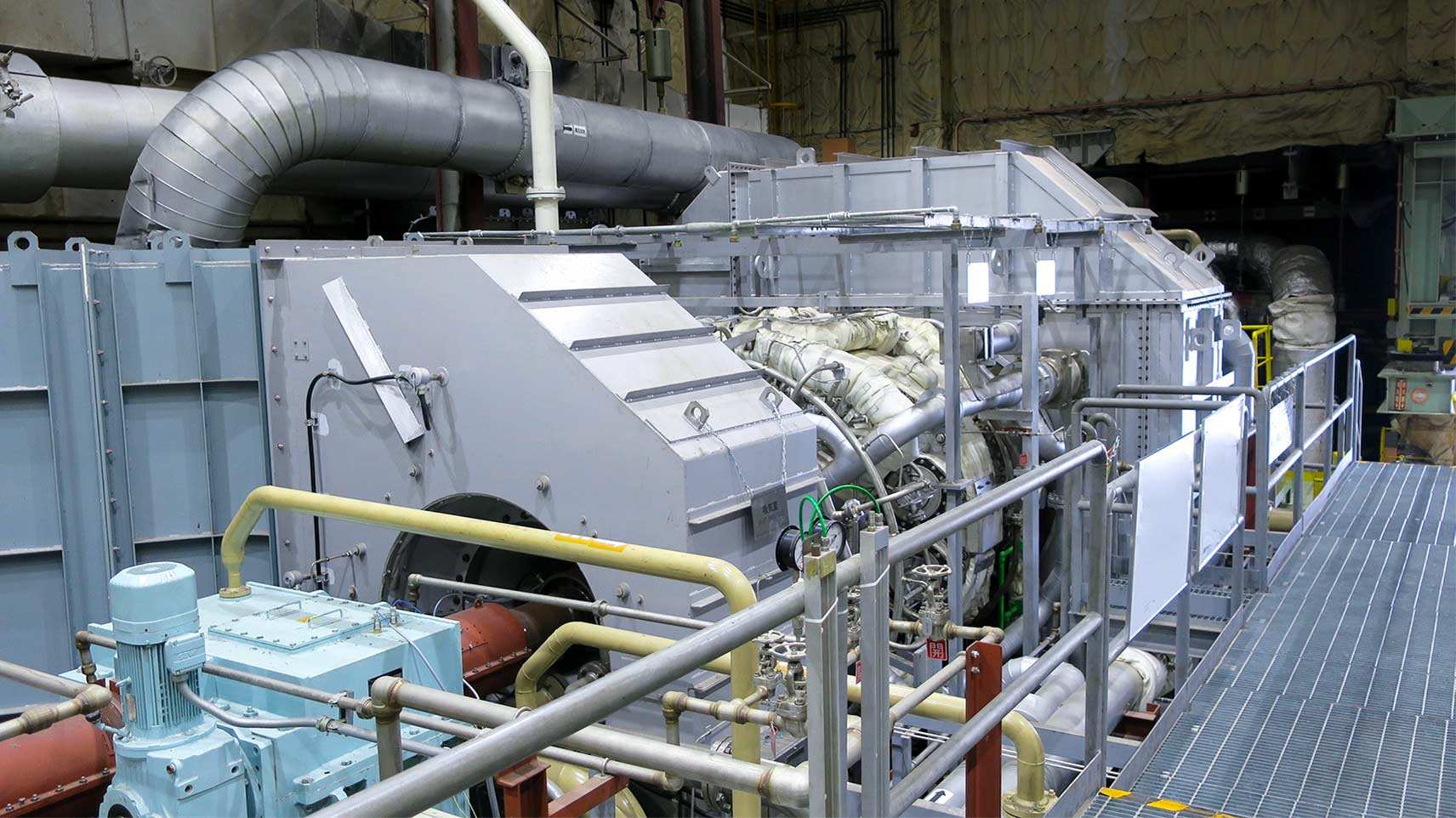
Description
1. Product Overview
Hydrogen-rich Gas Streams are industrial process gas mixtures containing a high concentration of hydrogen (H₂), typically generated as by-products from refining, petrochemical, chlor-alkali, or metallurgical operations. These streams are primarily utilized as fuel, reducing agents, or feedstock for hydrogen recovery and purification systems. Offering significant energy value and decarbonization potential, hydrogen-rich streams provide a cost-efficient alternative to externally sourced hydrogen or conventional fossil fuels. In a market rapidly transitioning toward low-carbon industrial processes, they represent a strategically important resource for optimizing energy efficiency, reducing emissions, and strengthening circular industrial ecosystems.
2. Key Specifications & Technical Characteristics
- Chemical Composition (Typical Range):
- Hydrogen (H₂): 40% – 90% (process dependent)
- Carbon Monoxide (CO): 0% – 25%
- Carbon Dioxide (CO₂): 0% – 20%
- Methane (CH₄): 0% – 15%
- Nitrogen (N₂): Balance
- Trace Components: H₂S, moisture, light hydrocarbons (controlled upon request)
- Purity Level / Grade:
- Industrial-grade hydrogen-rich mixture
- Customizable purification via PSA or membrane systems available
- Low-sulfur and low-moisture specifications available
- Physical Characteristics:
- Form: Compressed gas stream
- Color: Colorless
- Odor: Odorless (unless process contaminants present)
- Calorific Value: Application dependent (typically 8–18 MJ/Nm³)
- Delivery Pressure: As specified (pipeline, compressed, or process-integrated)
- Packaging Options:
- Bulk pipeline supply (on-site integration)
- Tube trailers
- High-pressure cylinders (for smaller volumes)
- Shelf Life:
- Not applicable when delivered via continuous supply systems
3. Core Industrial Applications
Primary Industries:
- Oil refining and petrochemicals
- Steel and metallurgical processing
- Chemical manufacturing
- Power and cogeneration plants
- Hydrogen recovery and fuel cell integration
Operational Use Cases:
- Hydrotreating and hydrocracking processes
- Reducing agent in direct reduction or annealing furnaces
- Feedstock for ammonia, methanol, or specialty chemical production
- Fuel blending in industrial boilers and turbines
- Input stream for hydrogen purification and compression systems
Performance & Commercial Advantages:
- Reduces dependency on externally sourced hydrogen
- Enhances process energy efficiency through internal gas valorization
- Supports lower carbon intensity when replacing carbon-heavy fuels
- Enables integration into decarbonization and hydrogen transition strategies
- Cost-effective solution leveraging existing industrial by-product streams
4. Competitive Advantages
- Quality Consistency: Stable hydrogen concentration ensured through controlled process generation and monitoring.
- Supply Reliability: Continuous production from established industrial operations supports long-term integration.
- Logistics Capability: Flexible delivery via pipeline, bulk transport, or on-site recovery systems.
- Price Competitiveness: Lower cost per energy unit compared to merchant hydrogen supply.
- Sustainability Benefits: Promotes circular utilization of process gases and reduces greenhouse gas emissions.
- Technical Support: Comprehensive gas composition analysis, safety documentation, and integration advisory services available.
Hydrogen-rich Gas Streams are positioned as a strategic energy and feedstock solution for industrial operators focused on cost optimization, energy transition readiness, and operational resilience.
5. Commercial & Supply Information
- Minimum Order Quantity (MOQ): BULK 20 MT (equivalent gas volume by contract specification)
- Loading Capacity:
- Equivalent of 20–25 MT per bulk transport configuration (tube trailer or compressed system basis)
- Custom long-term supply agreements available for continuous pipeline integration

Reviews
There are no reviews yet.