

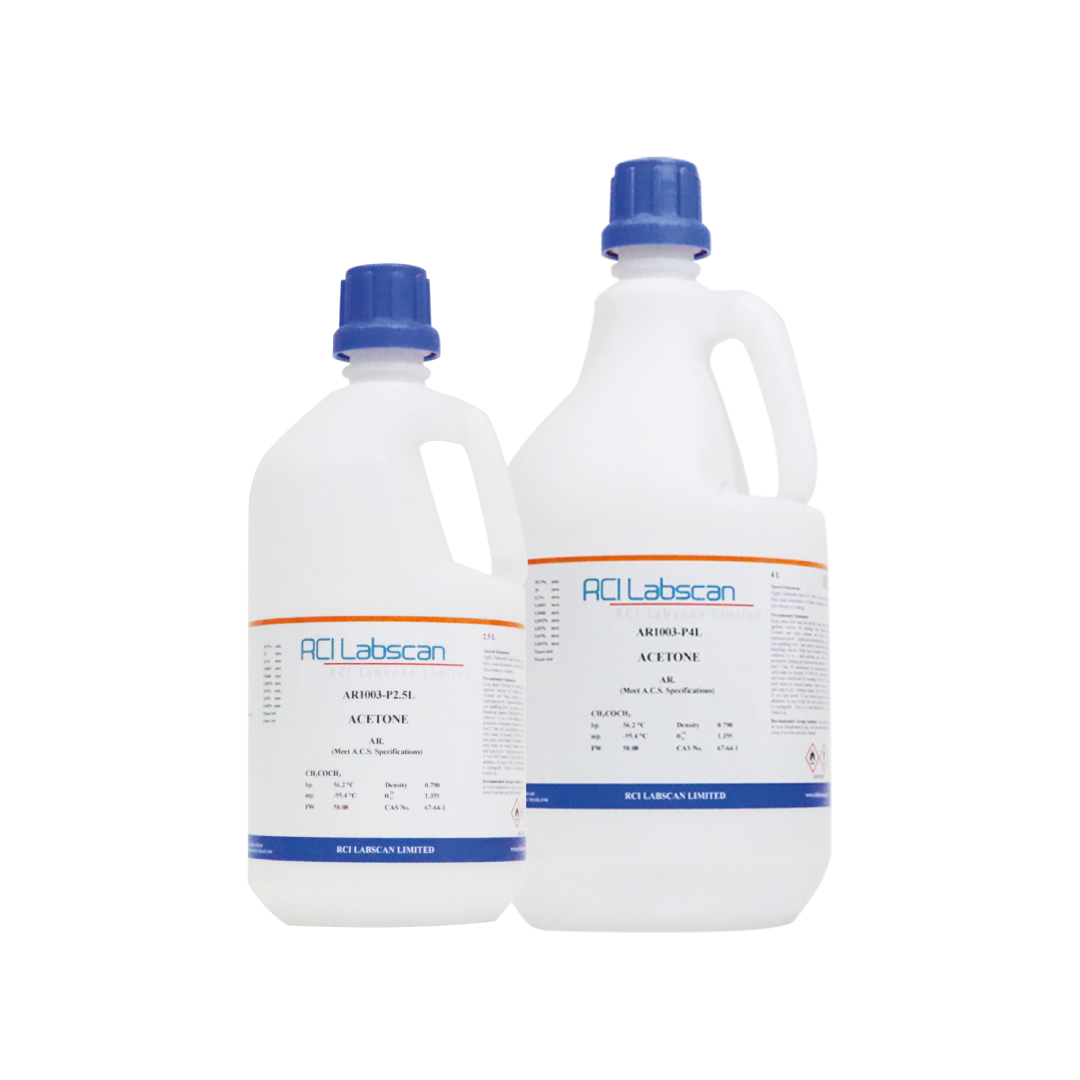
Description
High-Purity Hydrofluoric Acid: The Unsung Hero of High-Tech Manufacturing
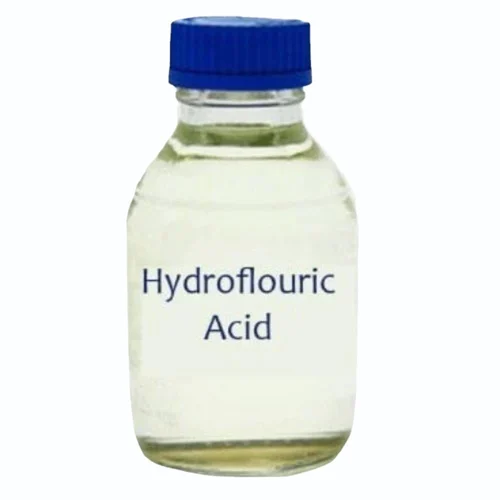
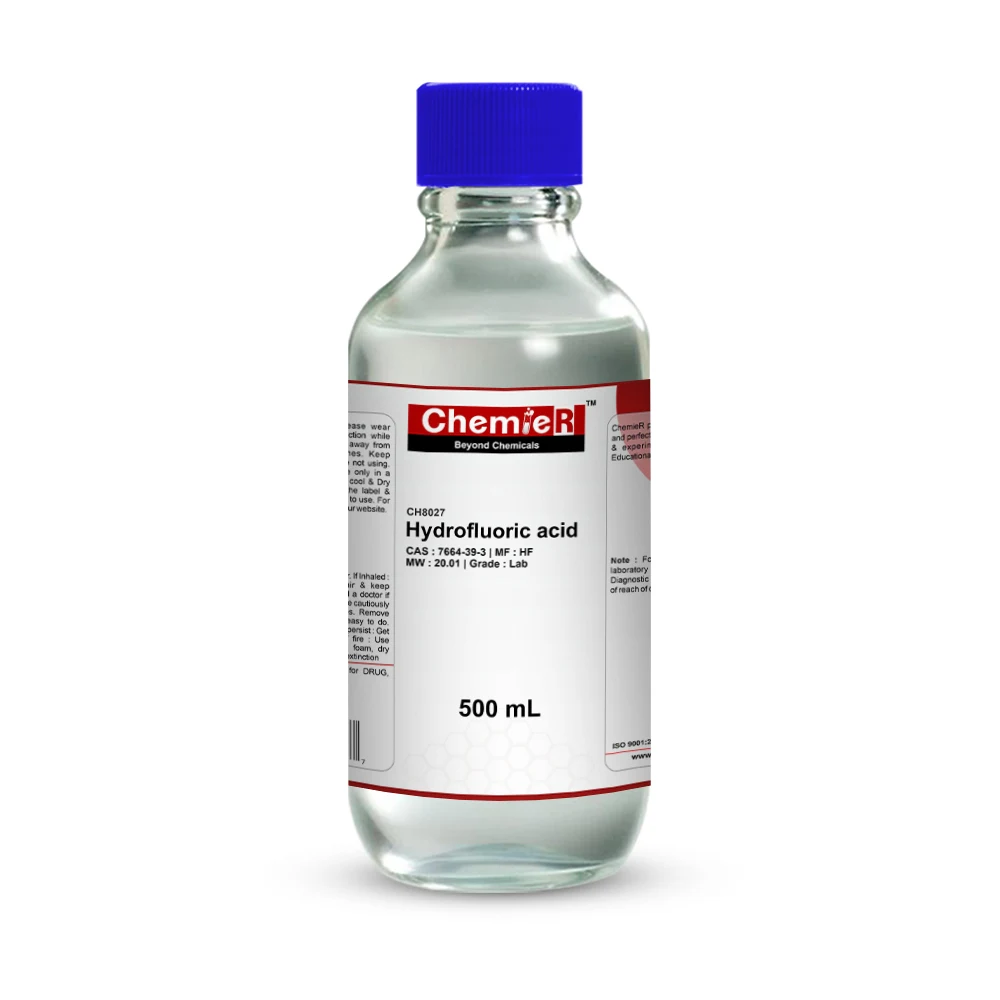
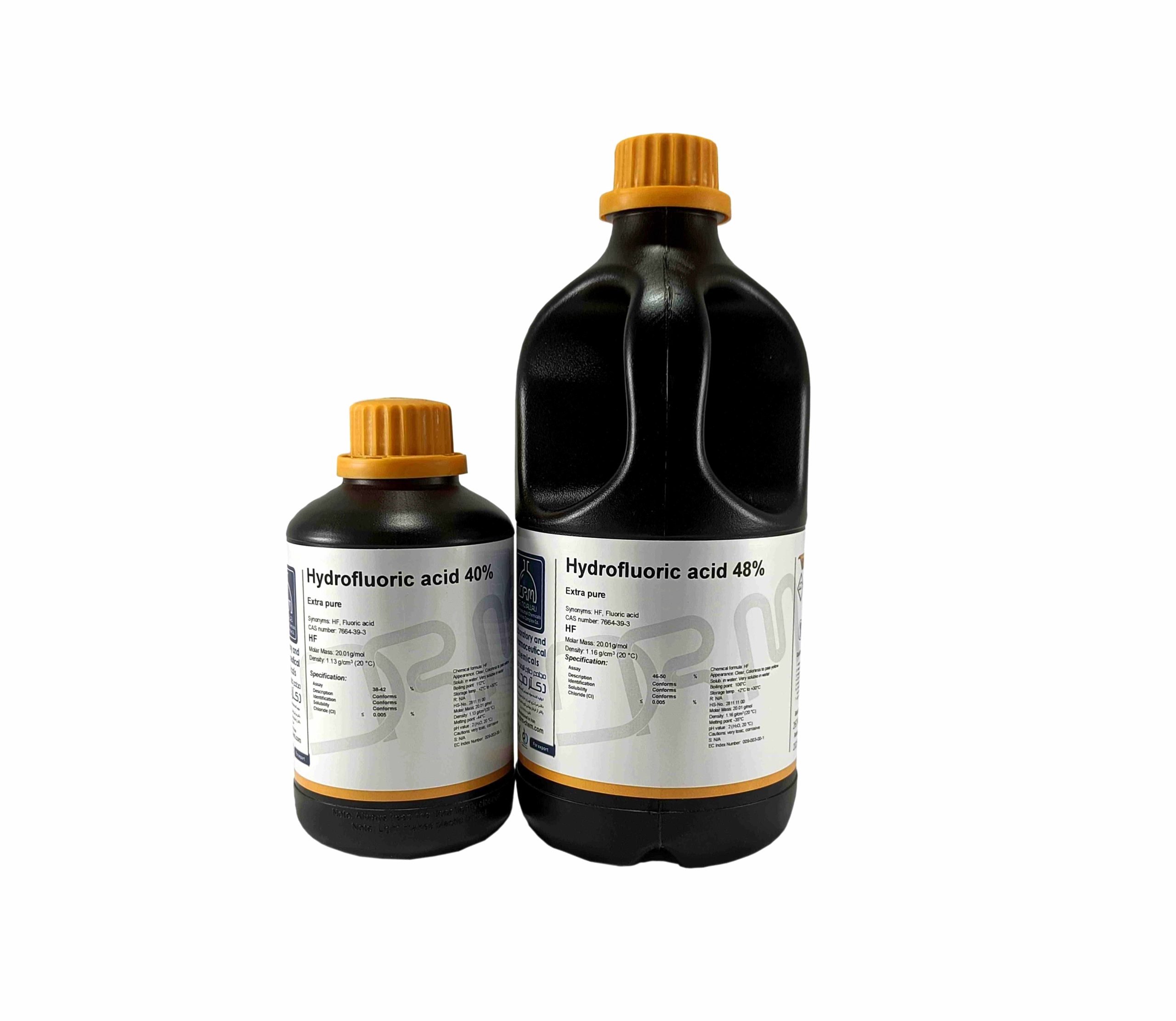
Hydrofluoric acid (HF), a solution of hydrogen fluoride in water, is known for its corrosive nature and ability to dissolve glass. While its dangers are well-documented, a less-discussed aspect is the crucial role of high-purity hydrofluoric acid in numerous high-tech manufacturing processes. This specialized form of HF is a far cry from the crude industrial grade, boasting exceptionally low levels of impurities and making it indispensable in the production of everything from semiconductors and solar panels to LCD screens and specialty metals.
Why the Emphasis on Purity?
In the micro and nano-scale world of modern electronics, even trace amounts of impurities can have devastating consequences. Impurities in HF can:
- Contaminate surfaces: Minute metallic contaminants can disrupt the delicate layering and etching processes required for creating complex microchips and other devices.
- Alter etching rates: Non-uniform etching can lead to defects and performance degradation in sensitive electronic components.
- Reduce device lifespan: Impurities can accelerate corrosion and degradation, ultimately reducing the reliability and longevity of finished products.
Therefore, achieving and maintaining a high level of purity in HF is paramount for ensuring the quality, performance, and reliability of the final products.
Applications of High-Purity HF:
The unique properties of high-purity HF make it essential in several key industries:
- Semiconductor Manufacturing: Arguably the most significant application, HF is used extensively for etching silicon dioxide layers, cleaning silicon wafers, and removing unwanted materials in the intricate fabrication of microchips. The precision required in this process demands the highest purity to avoid introducing any defects.
- Solar Panel Production: Polycrystalline silicon wafers used in solar cells require surface treatment to improve light absorption. High-purity HF is used to etch away damaged layers and remove contaminants, enhancing the efficiency of the solar panel.
- LCD Screen Manufacturing: HF is used for etching glass substrates, creating the patterns and structures required for LCD screens. The clarity and uniformity of the screen rely heavily on the purity of the acid used in the etching process.
- Specialty Metal Processing: For certain applications, HF is used to remove oxides and contaminants from the surface of metals, enabling better adhesion for coatings or improving corrosion resistance.
- Analytical Chemistry: High-purity HF is also used in laboratory settings for dissolving samples for trace metal analysis, where the purity of the reagent is critical for accurate results.
Challenges in Producing High-Purity HF:
Reaching and maintaining the required purity levels for HF is a complex and challenging process. Several factors contribute to this:
- Material Contamination: The inherent nature of HF makes it highly reactive and corrosive, making it difficult to handle and store without introducing contaminants from the surrounding environment or storage containers.
- Purification Techniques: Specialized purification techniques like distillation, ion exchange, and filtration are required to remove trace elements like metals, sulfates, and chlorides. These processes are energy-intensive and require specialized equipment.
- Monitoring and Quality Control: Continuous monitoring and rigorous quality control procedures are essential to ensure that the purity levels remain within specified limits. Sophisticated analytical techniques are used to detect even the smallest amounts of impurities.
The Future of High-Purity HF:
As the demand for more powerful and sophisticated electronic devices continues to grow, the need for high-purity HF will only increase. Research and development efforts are focused on:
- Developing more efficient and cost-effective purification methods.
- Creating more robust and chemically inert materials for handling and storing HF.
- Developing advanced analytical techniques for detecting trace impurities with even greater sensitivity.
In conclusion, high-purity hydrofluoric acid is a critical, albeit often overlooked, component in the manufacturing of many of the high-tech products we rely on daily. Its role in ensuring the quality, performance, and reliability of these devices makes it an unsung hero of the modern technological landscape. As technology continues to advance, the demand for even higher levels of purity will drive innovation in its production and application, solidifying its importance in the future of high-tech manufacturing.


Reviews
There are no reviews yet.