

Description
High Fructose Corn Syrup (HFCS): A Sweetener Under Scrutiny
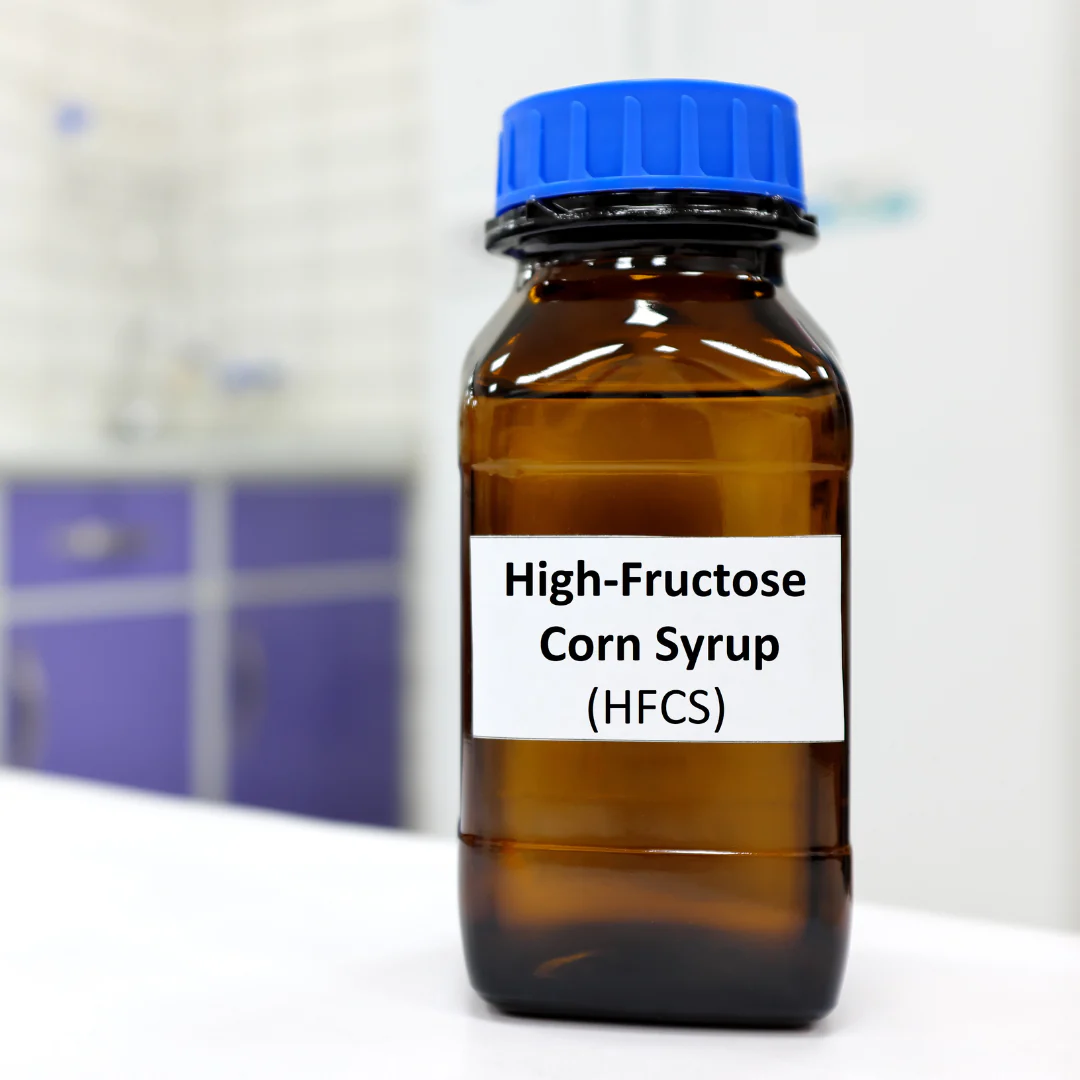
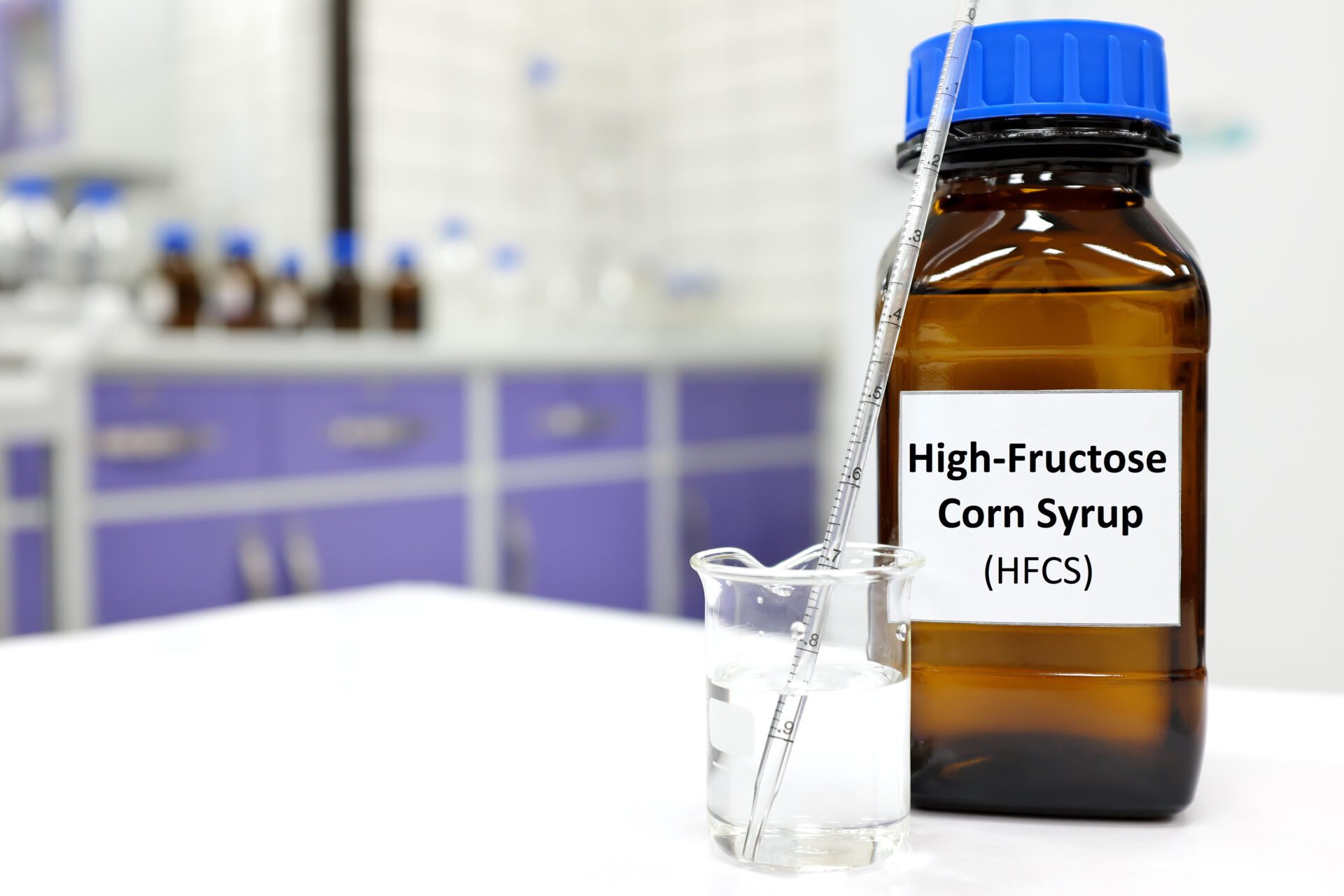
High fructose corn syrup (HFCS) is a ubiquitous ingredient in the modern food supply, found in everything from soda and candy to bread and processed snacks. Its widespread adoption by the food industry has coincided with concerns about rising obesity rates and related health problems, leading to a debate about its safety and contribution to dietary ills.
What Exactly is High Fructose Corn Syrup?
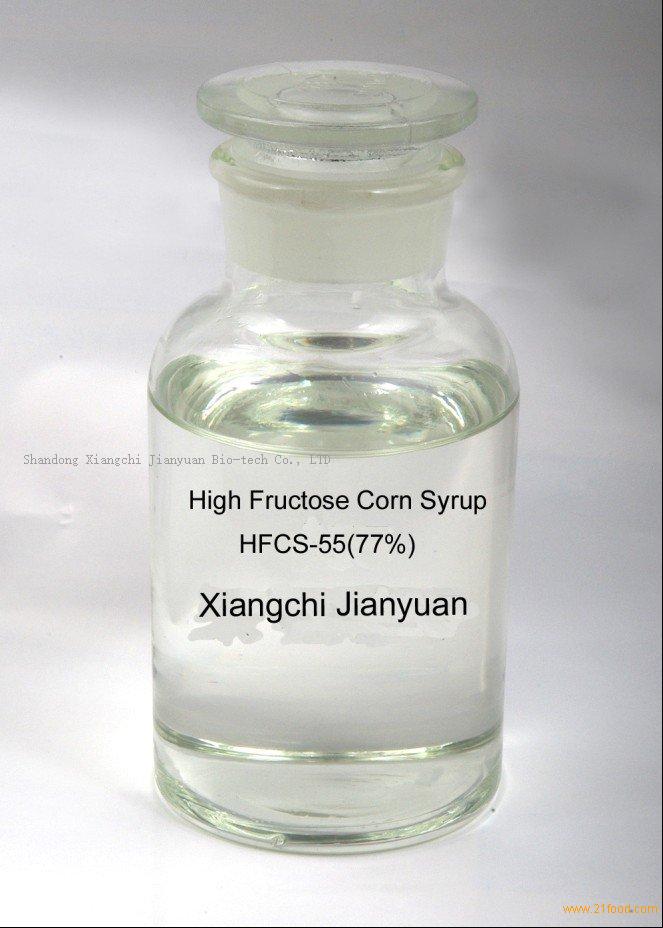
HFCS is a sweetener derived from corn syrup, which is itself made from corn starch. The process involves enzymatic conversion of some of the glucose in corn syrup to fructose, resulting in a mixture that’s typically 42% or 55% fructose, with the remainder being glucose and water. The varying percentages are used for different applications in the food industry. The 55% fructose version is commonly used in soft drinks.
Why is HFCS So Popular?
HFCS became a popular alternative to sucrose (table sugar) for several compelling reasons:
- Cost-Effectiveness: Corn is a relatively inexpensive crop, particularly in the United States, making HFCS significantly cheaper to produce than sucrose.
- Sweetness and Flavor: HFCS has a similar sweetness profile to sucrose and blends well with other flavors, making it ideal for a wide range of processed foods.
- Functional Properties: HFCS can improve the texture and stability of certain products, extending their shelf life.
The Health Concerns: Is HFCS Really Bad for You?
The controversy surrounding HFCS stems from several concerns about its potential health effects:
- Metabolic Differences: Some believe that the body processes fructose differently than glucose, leading to increased fat storage, insulin resistance, and elevated triglyceride levels. However, the metabolic pathways of fructose and glucose are complex and still debated.
- Increased Calorie Consumption: The pervasiveness of HFCS in processed foods makes it easy to consume excess calories without feeling full, contributing to weight gain and obesity.
- Potential Contaminants: Concerns have been raised about trace amounts of mercury in some HFCS products due to the manufacturing process.
- Liver Impact: Since fructose is primarily metabolized in the liver, some worry that excessive consumption can lead to non-alcoholic fatty liver disease (NAFLD).
- Lack of Nutrients: Like other added sugars, HFCS provides “empty calories” with no nutritional value.
The Science: What Does the Research Say?
Scientific research on HFCS is ongoing and often yields mixed results. Some studies have shown a link between HFCS consumption and negative health outcomes, while others have found no significant difference between HFCS and sucrose when consumed in similar amounts.
- Meta-analyses and Systematic Reviews: Many reviews suggest that both HFCS and sucrose, when over consumed, can contribute to weight gain and metabolic problems.
- Individual Studies: Some studies show HFCS may lead to higher levels of triglycerides than sucrose, while others don’t find significant differences when calories are matched.
- The Role of Dose: A key consideration is the quantity of HFCS consumed. Moderate consumption may not pose a significant risk for most individuals, but high intake can exacerbate metabolic issues.
What Can You Do?
Regardless of the ongoing debate, it’s generally recommended to limit your intake of all added sugars, including HFCS. Here are some practical steps you can take:
- Read Food Labels Carefully: Pay attention to the ingredients list and look for HFCS, as well as other added sugars like sucrose, glucose, and corn syrup.
- Choose Whole, Unprocessed Foods: Opt for fruits, vegetables, whole grains, and lean proteins that are naturally low in added sugars.
- Cook at Home: This allows you to control the ingredients and reduce the amount of added sugar in your meals.
- Be Mindful of Portion Sizes: Even healthy foods can contribute to weight gain if consumed in excessive amounts.
- Limit Sugary Drinks: Sodas, juices, and sweetened teas are often major sources of HFCS and added sugars. Choose water, unsweetened tea, or sparkling water instead.
The Bottom Line:
High fructose corn syrup is a highly processed sweetener that has become a major component of the modern diet. While the direct health effects of HFCS are still being studied, it’s clear that excessive consumption of added sugars, including HFCS, can contribute to weight gain, metabolic problems, and other health issues. By being mindful of your sugar intake and choosing whole, unprocessed foods, you can reduce your reliance on HFCS and promote better overall health. It is not about avoiding HFCS completely, but rather the amount of it being consumed that raises concern.


Reviews
There are no reviews yet.