
Description
Hexamethylenetetramine: A Versatile Compound with a Wide Range of Applications
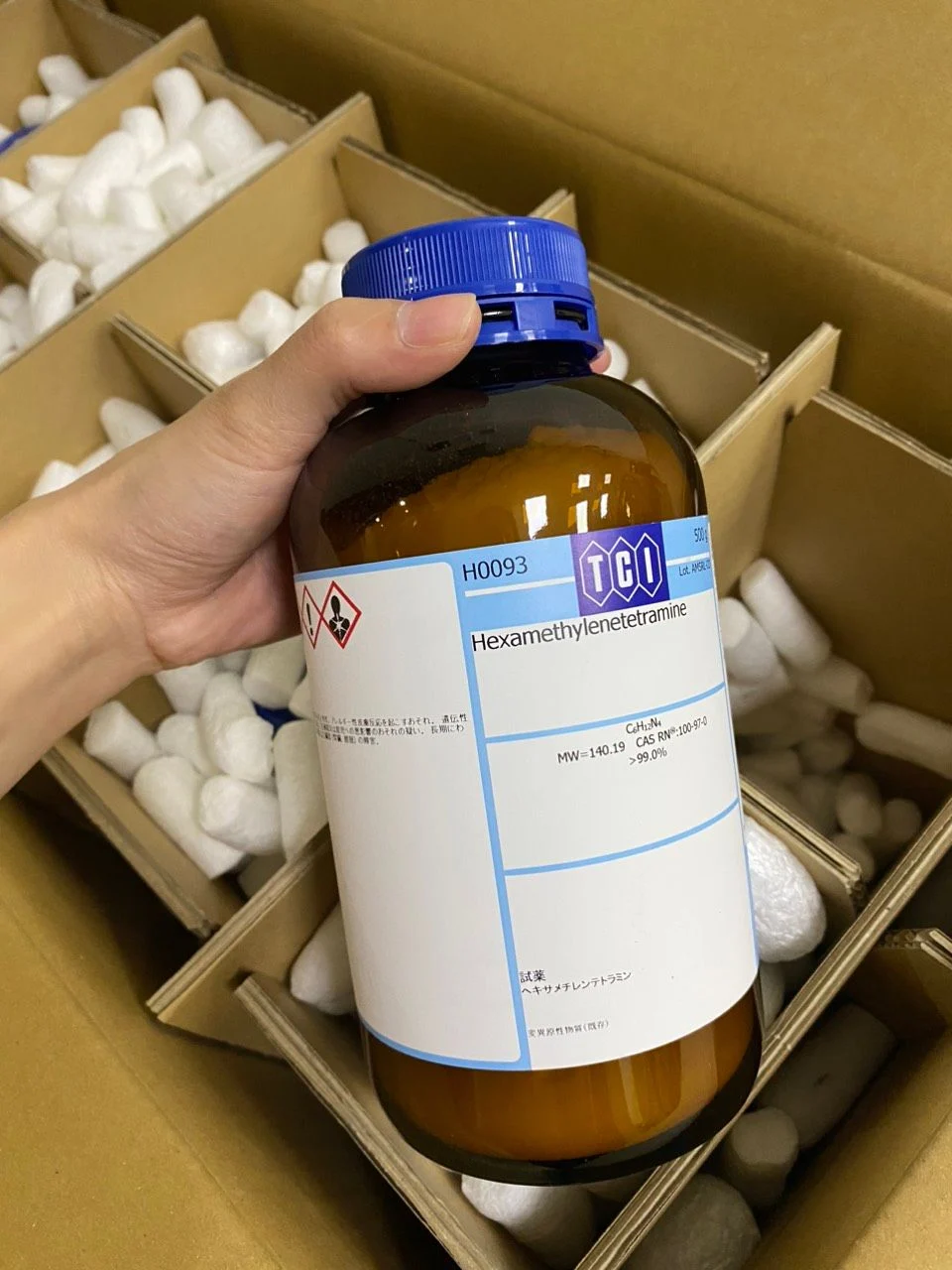
Hexamethylenetetramine (HMT), also known as methenamine or urotropin, is a fascinating organic compound with a diverse array of applications. Its symmetrical structure, formed by the reaction of formaldehyde and ammonia, belies its surprising versatility and enduring relevance in fields ranging from medicine to the production of explosives.
A Simple Structure, Powerful Potential:
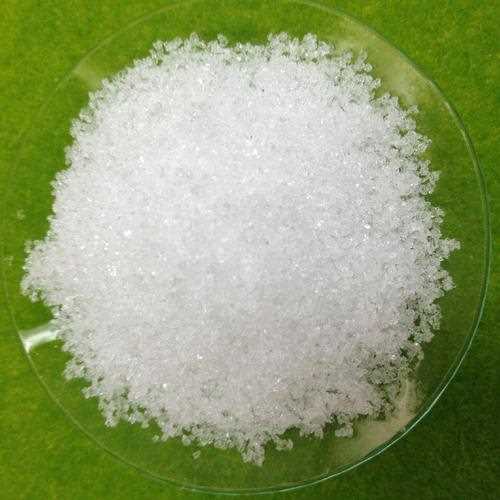
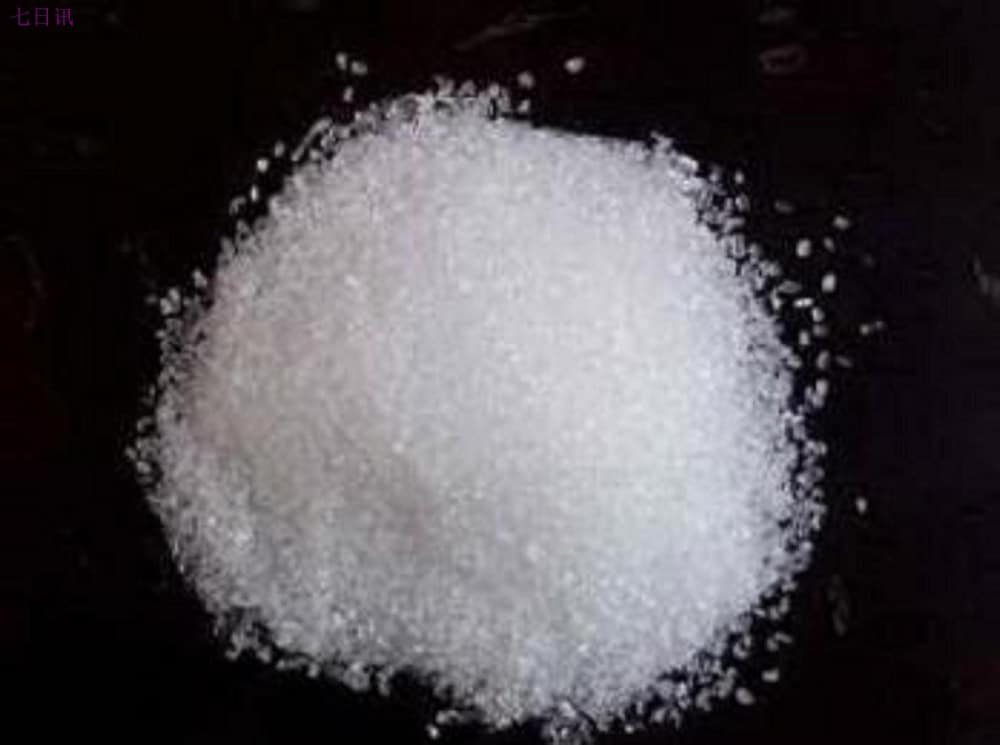
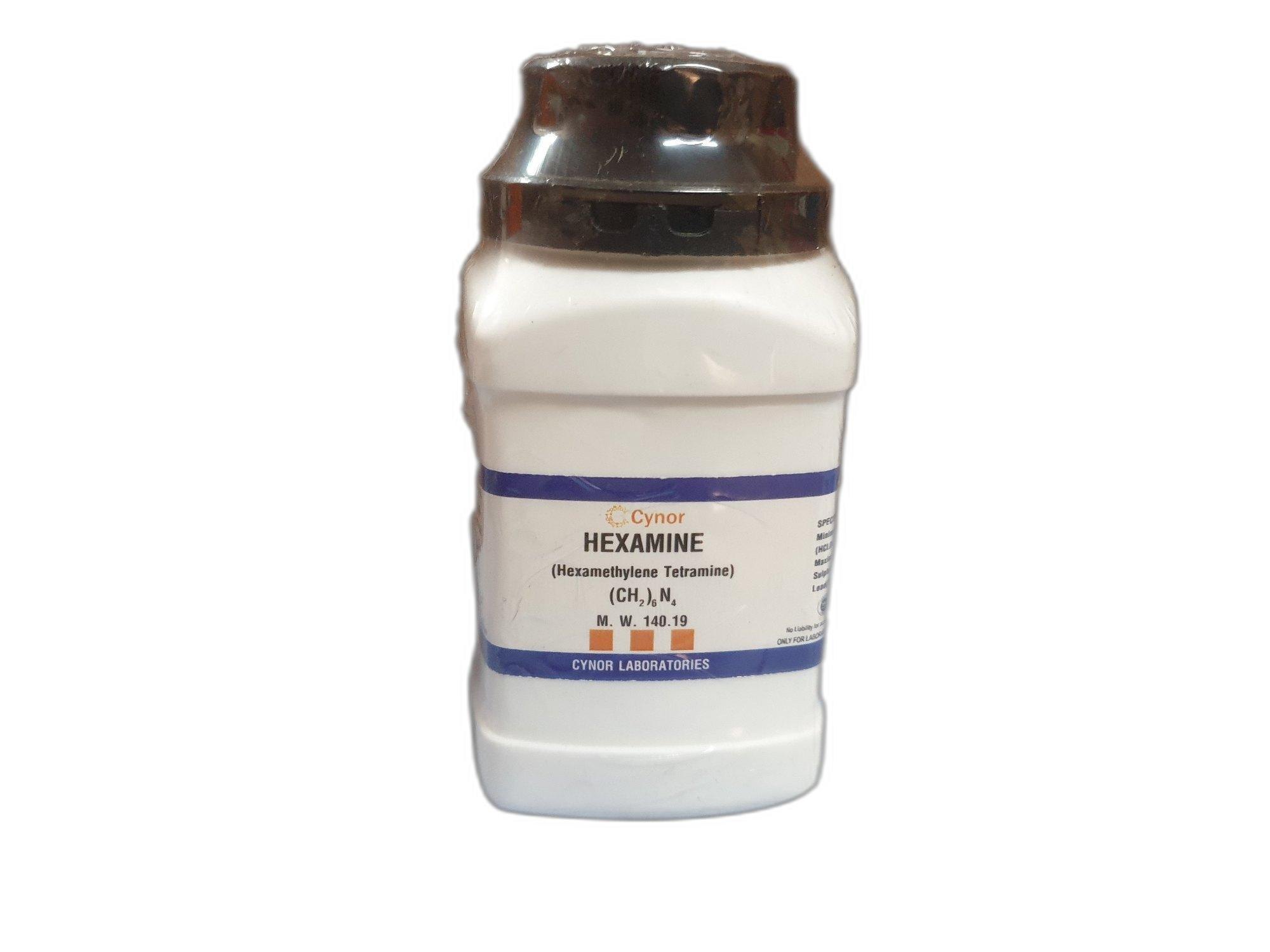
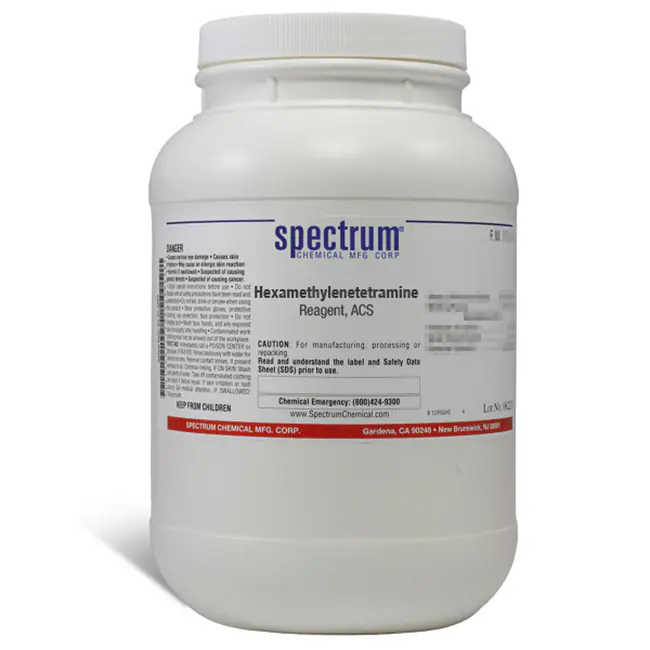
HMT is a colorless, crystalline solid that is highly soluble in water and various organic solvents. Its chemical formula is (CH2)6N4. The molecule consists of a cage-like structure composed of four nitrogen atoms connected by six methylene bridges. This unique structure allows HMT to readily decompose under acidic conditions, releasing formaldehyde and ammonia – a key characteristic that underpins many of its applications.
Medical Applications: An Antibacterial Stalwart:
Perhaps the most well-known use of HMT is as a urinary antiseptic. When ingested, HMT passes through the body unchanged until it reaches the acidic environment of the kidneys. Here, it decomposes into formaldehyde, which is a potent antibacterial agent. This allows HMT to effectively treat and prevent urinary tract infections (UTIs).
HMT is often administered in conjunction with a urinary acidifier, such as vitamin C (ascorbic acid), to enhance its effectiveness. While less commonly used than other modern antibiotics, HMT remains a valuable option, particularly in cases of recurrent UTIs or when resistance to other antibiotics has developed.
Industrial Applications: Building Blocks and Beyond:
Beyond its medical uses, HMT plays a crucial role in various industrial processes.
- Production of Resins and Plastics: HMT serves as a source of formaldehyde in the production of phenolic resins, which are used in a wide range of applications, including adhesives, molding compounds, and coatings. These resins are prized for their strength, heat resistance, and chemical inertness.
- Rubber Vulcanization: HMT acts as a curing agent in the vulcanization of rubber, contributing to its strength, elasticity, and durability. This process is essential for the production of tires, seals, and other rubber products.
- Fuel Tablets: HMT is the principal component of hexamine fuel tablets, commonly used by campers and hikers for cooking. These tablets burn cleanly and efficiently, providing a reliable source of heat in outdoor environments.
A Note of Caution: Sensitivity and Potential Hazards:
While HMT offers significant benefits, it’s important to be aware of its potential hazards.
- Sensitivity to Acid: As mentioned, HMT readily decomposes in acidic conditions, releasing formaldehyde. Formaldehyde is a known irritant and can be harmful in high concentrations.
- Potential for Explosives: When combined with nitric acid, HMT can be used to produce RDX (Research Department eXplosive), a powerful explosive. This potential for misuse necessitates careful handling and regulation of HMT.
Conclusion: A Timeless Compound with Enduring Value:
Hexamethylenetetramine, despite its relatively simple molecular structure, is a remarkably versatile compound with a long history of use. From its role as a reliable antibacterial agent to its contributions to the production of resins, plastics, and even fuel tablets, HMT has proven its enduring value in a wide range of applications. While its potential hazards must be carefully considered, HMT remains an important and valuable chemical compound with a continued role to play in various industries and applications.



Reviews
There are no reviews yet.