
Description
Hexamethylene Diisocyanate (HDI): A Cornerstone in High-Performance Materials
Hexamethylene diisocyanate (HDI), with the chemical formula OCN(CH2)6NCO, is an organic compound that plays a critical role as a building block in the production of high-performance polyurethanes. As an aliphatic diisocyanate, HDI is particularly valued for its unique properties that differentiate it from its aromatic counterparts, making it indispensable in applications demanding exceptional durability, weather resistance, and aesthetic appeal.
Chemical Identity and Properties
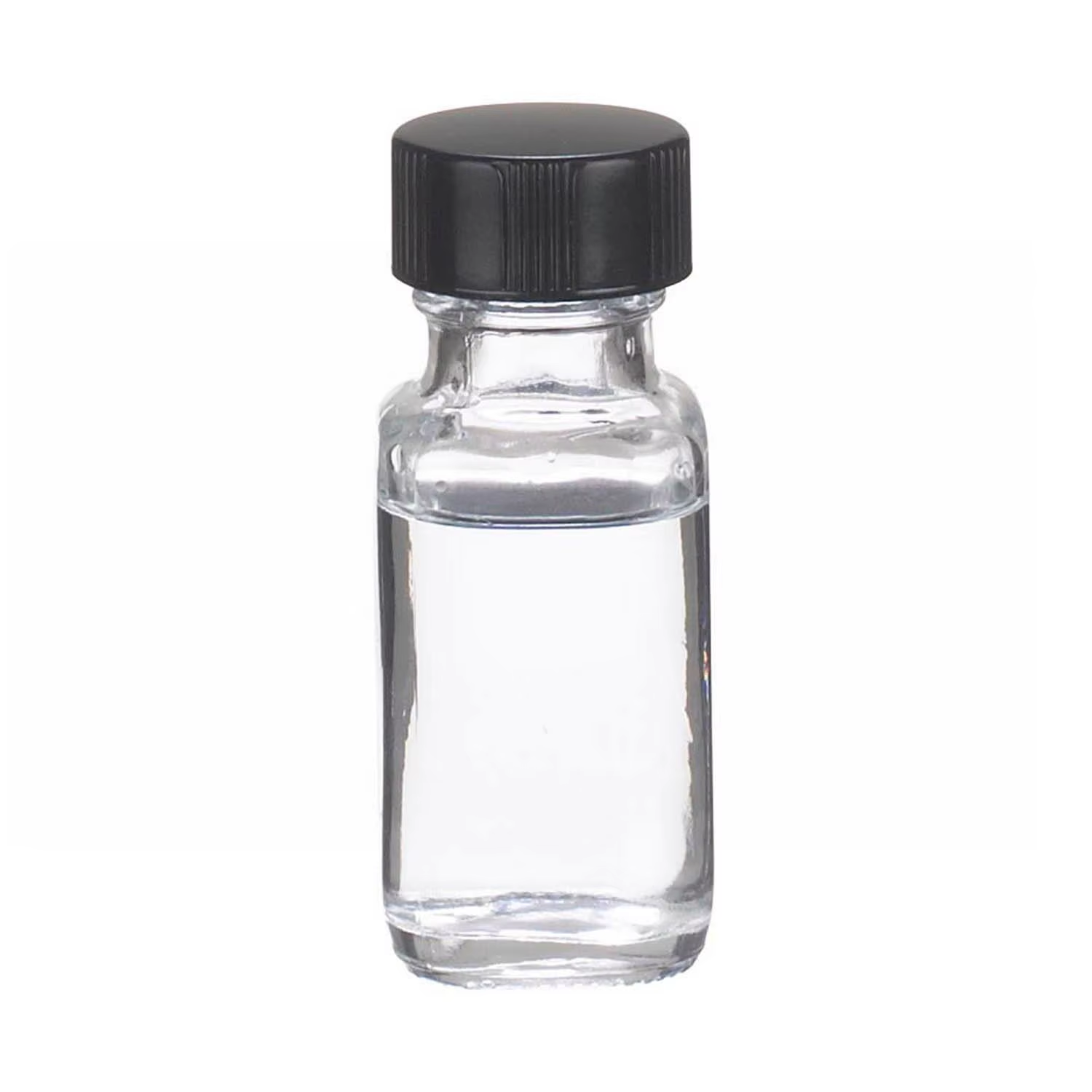
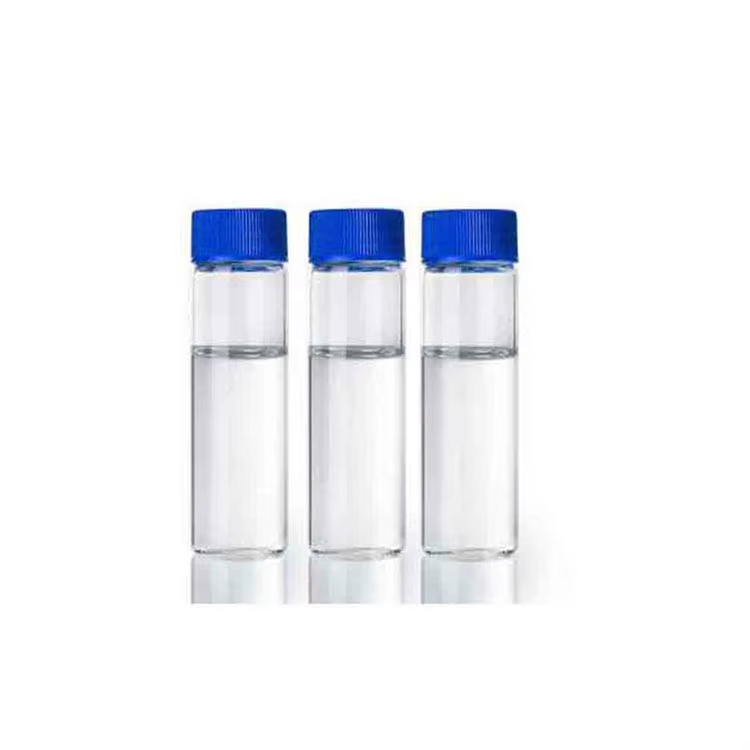
HDI is a linear aliphatic diisocyanate, meaning its two reactive isocyanate (-NCO) groups are separated by a flexible, six-carbon methylene chain. In its pure form, it is a colorless liquid. Its key chemical characteristic is the high reactivity of its isocyanate groups with compounds containing active hydrogen atoms, particularly hydroxyl (–OH) groups found in polyols. This reaction forms urethane linkages, which are the backbone of polyurethane polymers.
Unlike aromatic diisocyanates such as MDI (Methylene diphenyl diisocyanate) or TDI (Toluene diisocyanate), the aliphatic nature of HDI provides a superior resistance to ultraviolet (UV) radiation. This crucial difference means that HDI-based polyurethanes do not yellow or degrade when exposed to sunlight, making them ideal for exterior and high-performance applications where color stability and weatherability are paramount.
Key Applications
HDI’s unique properties make it a preferred choice for a range of demanding applications:
- High-Performance Coatings: This is by far the largest market for HDI. It is used to formulate premium two-component (2K) polyurethane coatings for:
- Automotive Topcoats: Providing scratch resistance, gloss retention, and protection against environmental factors.
- Industrial Coatings: For machinery, equipment, and structural components requiring excellent chemical and abrasion resistance.
- Wood Finishes: Enhancing the durability and appearance of furniture, flooring, and cabinetry.
- Architectural Coatings: Protecting exterior surfaces of buildings, especially those exposed to harsh weather.
- Floor Coatings: Creating tough, long-lasting floors in industrial and commercial settings.
- Adhesives and Sealants: HDI-based systems offer strong, flexible, and weather-resistant bonds for various substrates, including those used in construction and automotive assembly.
- Specialty Elastomers: While less common than coatings, HDI is used in the production of specialty polyurethane elastomers that require excellent mechanical properties and outdoor durability.
- Crosslinkers: HDI is often reacted to form prepolymers or more complex polyisocyanates (like HDI-biurets or HDI-isocyanurates), which act as crucial crosslinkers in 2K coating and adhesive systems, providing the final cured product with its desired properties.
The Advantage of Aliphatic Nature
The primary advantage of HDI lies in its aliphatic structure. Polyurethanes derived from HDI exhibit:
- Outstanding UV Stability: They resist yellowing and chalking under prolonged sun exposure.
- Excellent Weather Resistance: Maintaining their physical and aesthetic properties in challenging outdoor environments.
- High Gloss Retention: Ensuring surfaces remain shiny and visually appealing over time.
- Superior Mechanical Properties: Including excellent hardness, flexibility, abrasion resistance, and chemical resistance.
These characteristics make HDI indispensable for applications where durability, longevity, and appearance are critical success factors.
Safety and Handling
Like all isocyanates, HDI is a reactive chemical that requires careful handling. Exposure to HDI vapors or mists, particularly through inhalation, can cause respiratory sensitization, leading to asthma-like symptoms in susceptible individuals. Skin contact can also cause irritation and sensitization.
Therefore, strict safety protocols are essential:
- Ventilation: Use in well-ventilated areas, preferably with local exhaust ventilation.
- Personal Protective Equipment (PPE): Appropriate PPE, including respirators (e.g., supplied-air respirators or organic vapor cartridges with particulate filters), chemical-resistant gloves, eye protection, and protective clothing, must be worn.
- Storage: Store in sealed containers in a cool, dry place, away from moisture (as isocyanates react with water to produce CO2, which can build pressure).
- Emergency Procedures: Spills should be contained and neutralized promptly, and first aid measures for exposure should be readily available.
Compliance with occupational safety and health regulations is paramount to ensure the safe use of HDI in industrial settings.
Environmental Considerations
While HDI itself is reactive and does not persist in the environment in its monomeric form, environmental considerations focus on responsible manufacturing practices, minimizing emissions, managing waste streams, and ensuring safe transportation. Ongoing research also explores the development of bio-based HDI derivatives and more sustainable production methods to reduce the overall environmental footprint.
Future Outlook
Hexamethylene diisocyanate (HDI) will continue to be a vital component in the advanced materials industry. Its unique blend of performance attributes, particularly UV stability and durability, ensures its continued demand in high-end coatings, adhesives, and specialty applications. Future innovations will likely focus on developing even safer handling methods, reducing volatile organic compound (VOC) content in formulations, and exploring opportunities for bio-based raw materials to enhance sustainability.
In conclusion, HDI stands as a critical aliphatic diisocyanate that underpins the performance of countless products we interact with daily, from the paint on our cars to the finish on our floors, ensuring their longevity, beauty, and resilience. Its continued safe and responsible use will ensure its enduring role in shaping the future of advanced material solutions.


Reviews
There are no reviews yet.