
Description
1. Product Overview
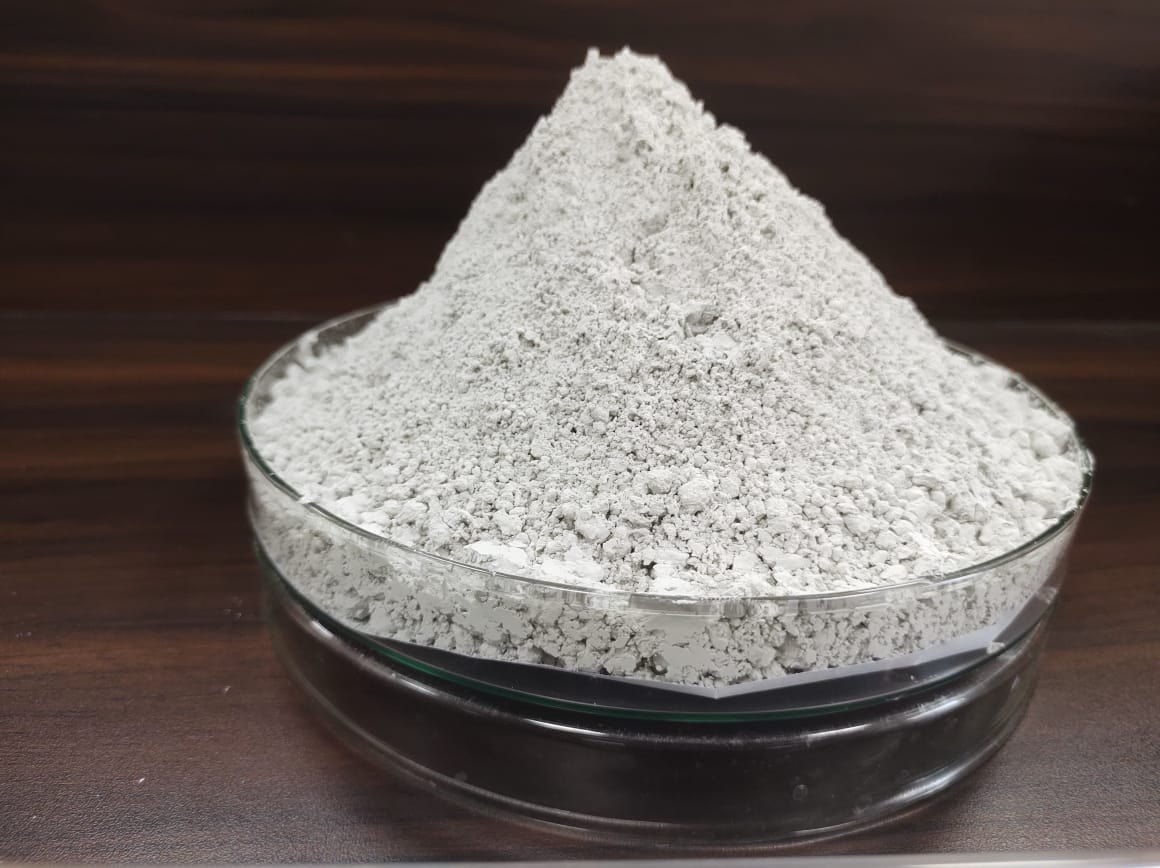
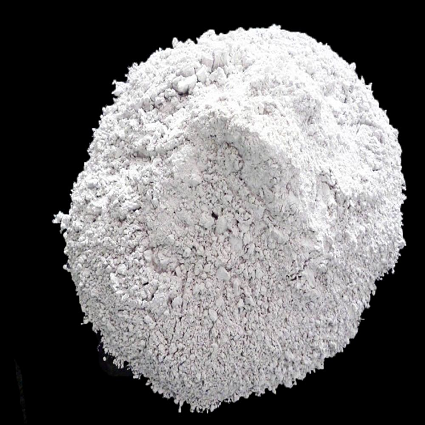
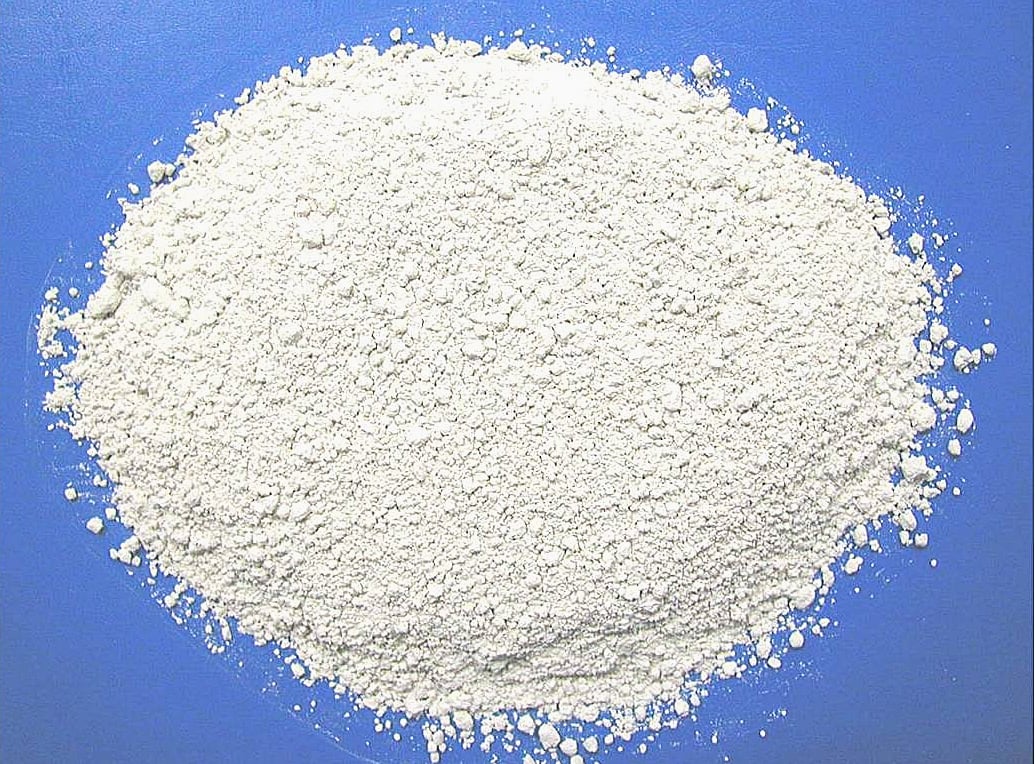
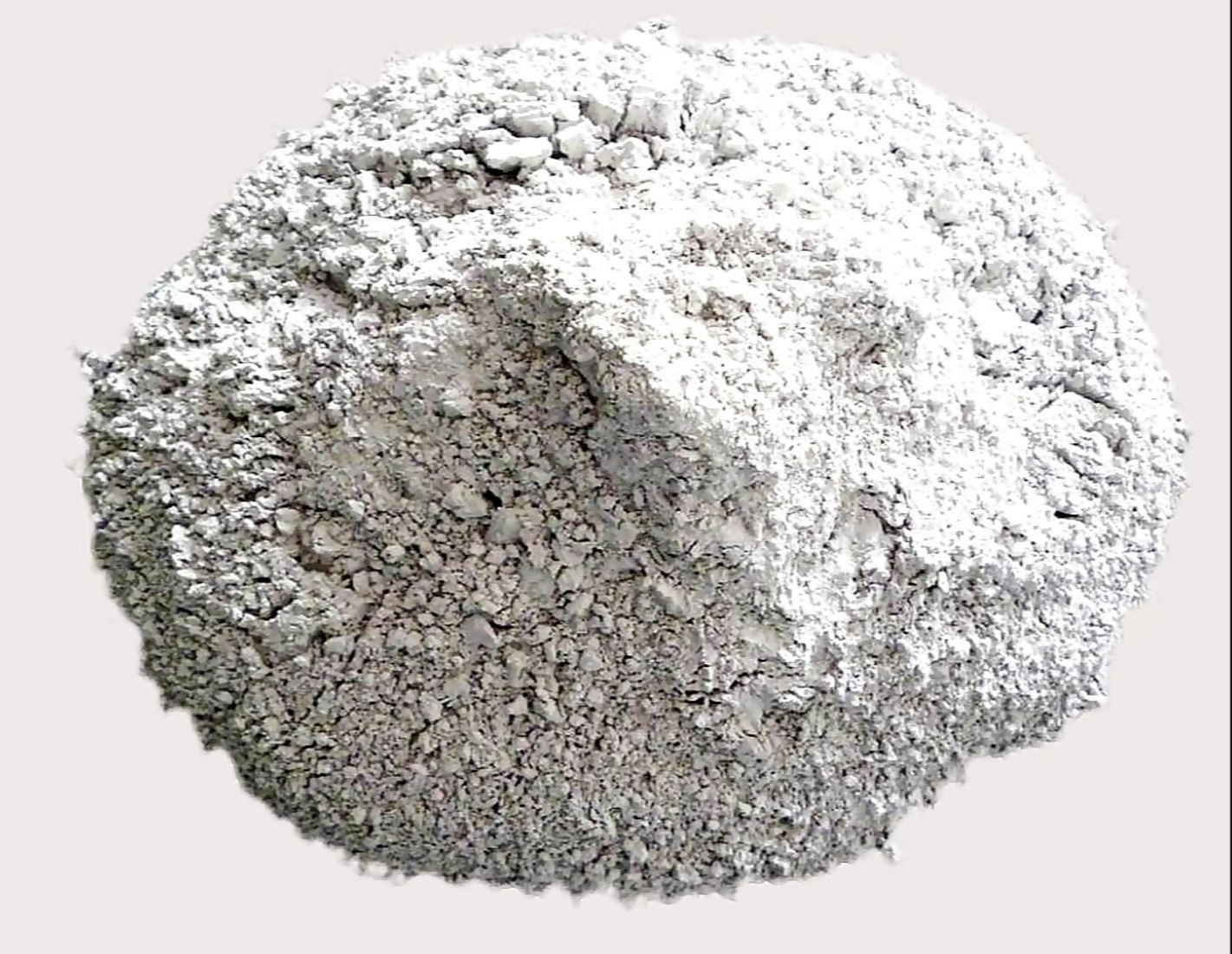
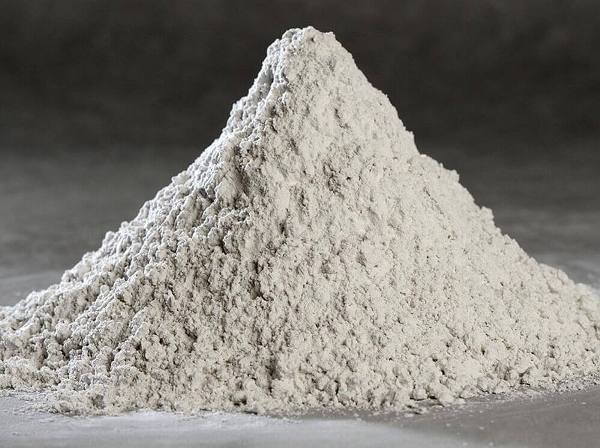
Ground Granulated Slag Feed is a finely processed by-product derived from blast furnace slag generated during ironmaking operations. It serves as a high-value industrial feedstock primarily used in cement manufacturing, construction materials, and mineral processing applications. By leveraging its latent hydraulic properties and mineral-rich composition, this material enhances performance while significantly reducing production costs and environmental impact. As industries increasingly adopt sustainable material inputs, Ground Granulated Slag Feed has become a strategically important raw material that supports circular economy practices and low-carbon industrial production.
2. Key Specifications & Technical Characteristics
- Material Composition: Primarily calcium silicates, aluminosilicates, magnesium oxide, and trace mineral oxides derived from blast furnace slag
- Typical Chemical Profile:
- CaO: 35–45%
- SiO₂: 30–40%
- Al₂O₃: 8–15%
- MgO: 5–10%
- Minor oxides (Fe₂O₃, MnO, etc.): trace levels
- Grade/Purity: Industrial-grade mineral feedstock with consistent slag-derived composition
- Physical Form: Fine granulated powder
- Color: Light grey to off-white
- Particle Size: Typically <45 microns (customizable depending on application)
- Bulk Density: Approx. 1.1–1.4 g/cm³
- Moisture Content: Typically <1%
- Packaging Options:
- Bulk loose loading
- Jumbo bags (1 MT)
- Customized industrial packaging upon request
- Shelf Life: Stable under dry storage conditions with minimal exposure to moisture
3. Core Industrial Applications
Cement & Construction Materials
Ground Granulated Slag Feed is widely used as a supplementary cementitious material (SCM) in cement and concrete production. Its hydraulic properties enhance compressive strength, durability, and chemical resistance while lowering clinker usage and CO₂ emissions.
Concrete Manufacturing
Ready-mix and precast concrete producers use this material to improve long-term strength, sulfate resistance, and workability. It is particularly valuable in infrastructure projects requiring high durability such as bridges, marine structures, and foundations.
Building Materials Production
Manufacturers incorporate slag feed into bricks, blocks, paving stones, and geopolymer materials to improve structural performance and reduce raw material costs.
Mineral & Industrial Processing
The mineral composition makes it suitable as a feedstock for ceramic materials, soil stabilization agents, and engineered composite materials.
Performance Advantages
Compared with traditional mineral fillers, Ground Granulated Slag Feed delivers improved cement hydration, reduced permeability, enhanced durability, and significant cost efficiency in large-scale industrial operations.
4. Competitive Advantages
- Quality Consistency: Controlled sourcing and processing ensure stable mineral composition and particle size distribution
- Supply Reliability: Continuous availability from established steel industry supply chains
- Global Logistics Capability: Efficient bulk handling and containerized shipping to international markets
- Price Competitiveness: Cost-effective alternative to primary mineral raw materials and clinker-based additives
- Sustainability Benefits: Recycled industrial by-product supporting circular economy and carbon reduction in construction materials
- Technical Documentation: Material specifications, chemical analysis, and quality certificates available upon request
5. Commercial & Supply Information
- Minimum Order Quantity (MOQ): BULK 20 MT
- Loading Capacity: 20–25 MT per container depending on packaging format and logistics requirements
Reviews
There are no reviews yet.