
Description
1. Product Overview
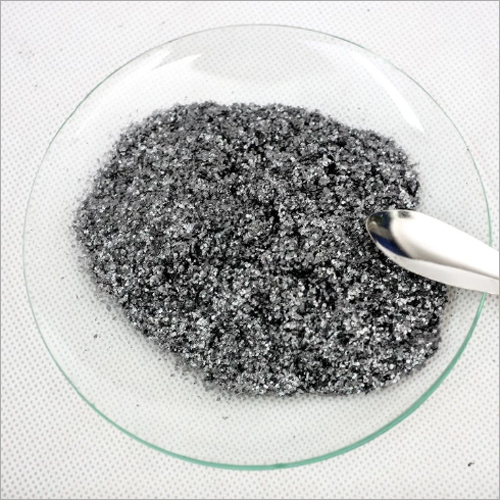
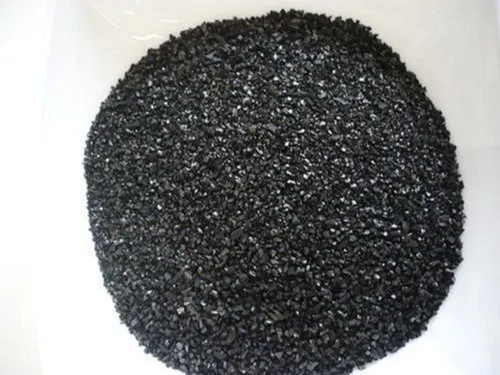
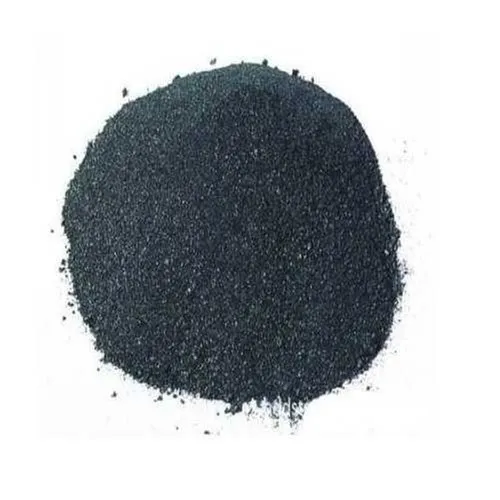
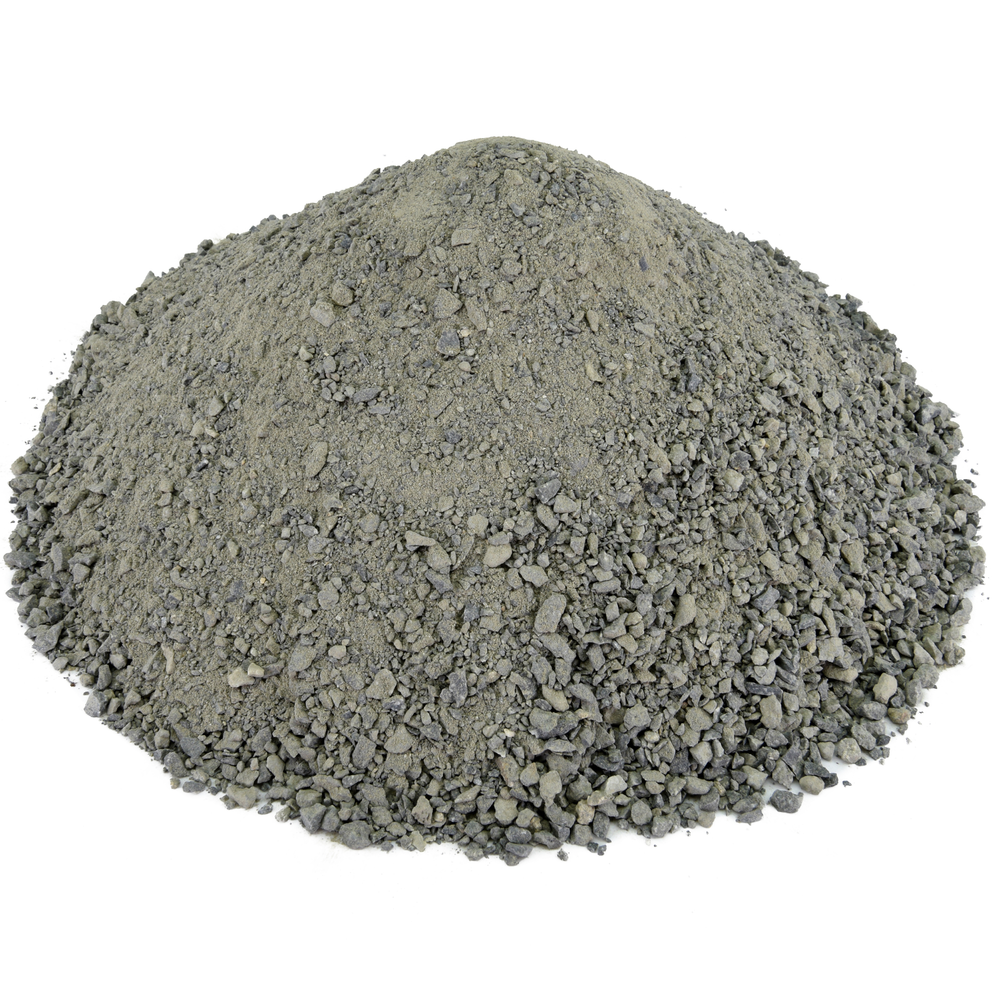
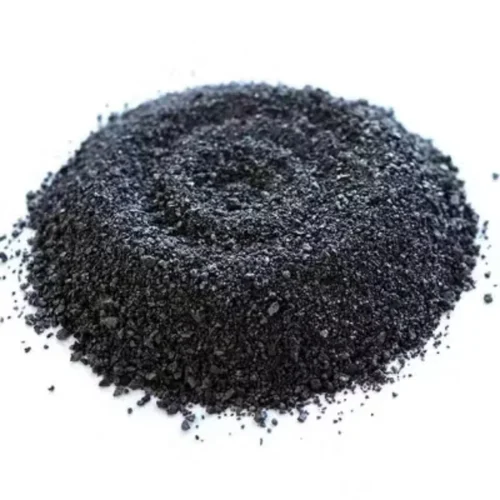
Graphite Fines are finely divided carbon-rich particles derived from natural or synthetic graphite processing operations. This material is widely utilized across metallurgical, refractory, energy storage, and lubrication industries due to its exceptional thermal stability, electrical conductivity, and lubricating properties. Graphite fines serve as a cost-efficient carbon additive, conductive filler, and raw material input for various industrial processes. Their strategic value lies in enabling manufacturers to enhance product performance while optimizing production costs, making them a critical material in modern industrial supply chains.
2. Key Specifications & Technical Characteristics
- Chemical Composition: Primarily elemental carbon (C) derived from natural or synthetic graphite
- Purity Level / Grade: Typically 85–99% fixed carbon (grades available based on application requirements)
- Physical Form: Fine powder or granular fines
- Color: Dark grey to black
- Particle Size: Commonly <1 mm; customized particle distributions available upon request
- Bulk Density: Typically 0.7 – 1.2 g/cm³ (depending on particle size and compaction)
- Moisture Content: Usually <1–3% depending on storage and grade
- Packaging Options:
- 1 MT Jumbo Bags (FIBC)
- 25 kg industrial bags (palletized)
- Bulk loading options available for large-scale buyers
- Shelf Life: Indefinite when stored in dry, sealed industrial packaging
3. Core Industrial Applications
Metallurgical Industry
Graphite fines are widely used as a carbon additive in steelmaking and foundry operations. They help adjust carbon content in molten metal, improving metallurgical efficiency and product quality.
Refractory Manufacturing
In refractory bricks and linings, graphite fines enhance thermal conductivity, oxidation resistance, and mechanical strength under extreme temperatures.
Battery & Energy Storage Materials
Graphite fines serve as a precursor or blending component in battery-grade graphite processing, particularly in lithium-ion battery anode production.
Lubricants & Industrial Coatings
Due to graphite’s natural lubricity and layered crystal structure, graphite fines are used in dry lubricants, anti-seize compounds, and conductive coatings.
Carbon Products & Electrodes
Graphite fines are utilized as feedstock in carbon blocks, electrodes, and other electrically conductive industrial materials.
Why It Performs Better Than Alternatives
- Superior thermal resistance compared to conventional carbon fillers
- High electrical conductivity for electrochemical and conductive applications
- Natural lubricating properties reduce mechanical wear
- Cost-effective carbon source for large-scale industrial processes
4. Competitive Advantages
- Consistent Quality Control: Strict grading and screening processes ensure uniform particle size and carbon content.
- Reliable Supply Chain: Stable sourcing and processing capacity support continuous industrial demand.
- Efficient Global Logistics: Optimized packaging and containerized shipping for international buyers.
- Competitive Industrial Pricing: Cost-effective alternative to higher-cost graphite grades for bulk applications.
- Sustainability Benefits: Utilization of graphite fines supports material efficiency and industrial waste reduction.
- Technical Documentation: Material specifications, safety documentation, and quality reports available upon request.
5. Commercial & Supply Information
- Minimum Order Quantity (MOQ): BULK 20 MT
- Loading Capacity: Approximately 20–25 MT per 20’ container depending on packaging format and destination logistics.
Reviews
There are no reviews yet.