
Description
1. Product Overview
Glycol Regeneration Chemicals (TEG) are specialized process chemicals used in triethylene glycol (TEG) dehydration units to maintain efficient regeneration and performance of glycol systems in natural gas processing facilities. These chemicals support the removal of degradation products, organic contaminants, and heat-stable salts that accumulate during glycol circulation and regeneration cycles.
By preserving glycol purity and optimizing regeneration efficiency, Glycol Regeneration Chemicals extend the operational life of TEG systems while minimizing downtime and solvent replacement costs. Strategically, they are essential for maintaining reliable gas dehydration performance, ensuring pipeline-quality gas specifications, and improving operational efficiency across upstream and midstream gas processing operations.
2. Key Specifications & Technical Characteristics
- Chemical Composition:
- Triethylene Glycol (TEG) compatible regeneration additives
- Corrosion inhibitors
- Degradation control agents
- Heat-stable salt neutralizers (process-dependent)
- Purity Level / Grade:
- Industrial Gas Processing Grade
- High-purity formulation compatible with TEG regeneration systems
- Engineered for glycol dehydration units
- Physical Characteristics:
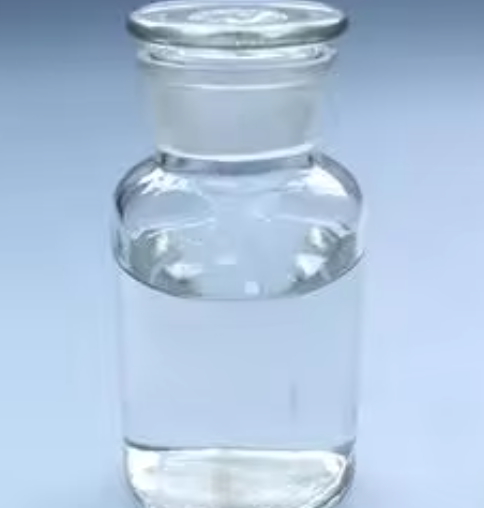
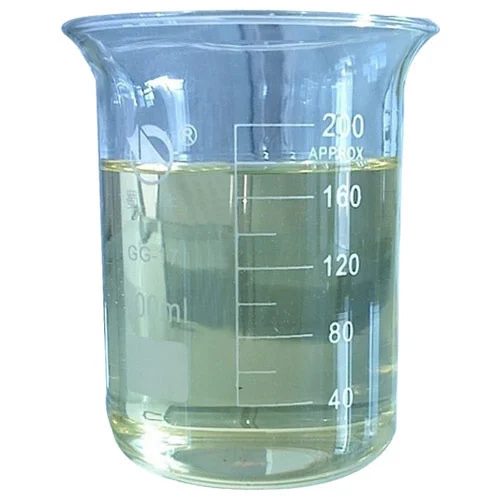
- Form: Liquid
- Appearance: Clear to light amber
- Odor: Mild characteristic odor
- Density: Approx. 1.10–1.13 g/cm³ (formulation-dependent)
- Fully miscible with triethylene glycol
- Packaging Options:
- Bulk tanker delivery
- ISO tank containers
- IBC totes (1,000 L)
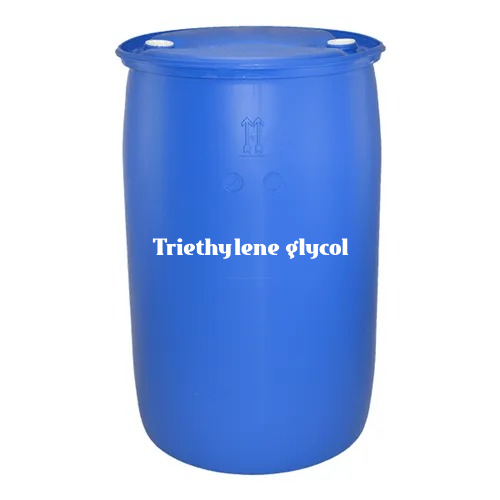
- Drums (200 L)
- BULK 20MT shipments
- Shelf Life:
- Typically 24 months under sealed storage conditions
- Store in cool, dry environments away from contamination
3. Core Industrial Applications
Primary Industries
- Natural gas processing
- Oil and gas production
- LNG and gas treatment facilities
- Petrochemical processing plants
Operational Use Cases
- Regeneration support in triethylene glycol dehydration units
- Removal or neutralization of heat-stable salts
- Reduction of glycol degradation byproducts
- Corrosion protection in glycol circulation systems
- Performance optimization of gas dehydration towers and reboilers
Performance & Cost Advantages
Glycol Regeneration Chemicals improve the efficiency of glycol dehydration units by maintaining solvent purity and minimizing contaminant buildup. This results in improved water removal efficiency and stable system performance.
Compared to operating glycol units without regeneration additives, these chemicals significantly reduce solvent degradation, extend glycol service life, and lower operating costs associated with solvent replacement and equipment maintenance. The result is improved process reliability and reduced operational downtime.
4. Competitive Advantages
- Quality Consistency: Engineered formulations with strict quality control and batch verification.
- Supply Reliability: Scalable production and stable global supply capability.
- Logistics Capability: Flexible bulk delivery options including ISO tanks and bulk tankers.
- Price Competitiveness: Cost-effective solution for maintaining long-term glycol system performance.
- Sustainability Benefits: Reduces glycol disposal volumes and extends solvent lifecycle.
- Technical Documentation: COA, SDS, and product performance data available.
- Technical Support: Process integration guidance for glycol dehydration and regeneration systems.
Glycol Regeneration Chemicals represent a strategic sourcing decision for gas processing operators seeking improved dehydration efficiency, extended solvent lifespan, and optimized operational performance in glycol-based gas treatment units.
5. Commercial & Supply Information
- Minimum Order Quantity (MOQ): BULK 20MT
- Loading Capacity:
- 20ft ISO Tank Container: Approx. 20–25 MT depending on density and transport specifications

Reviews
There are no reviews yet.