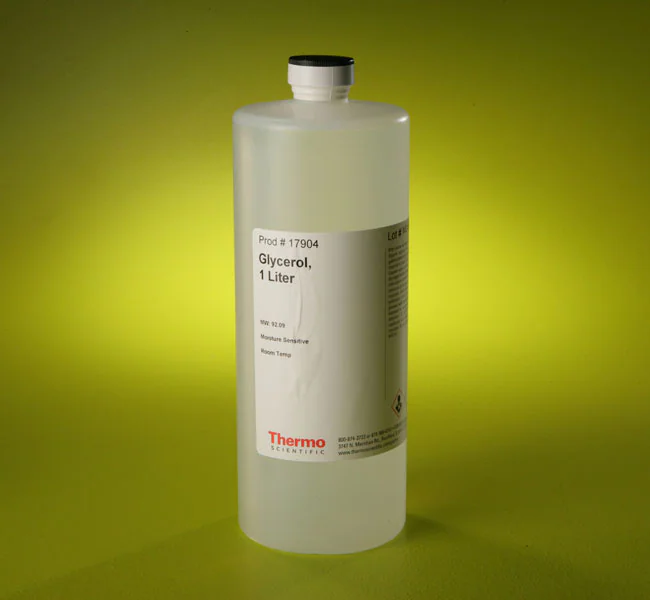
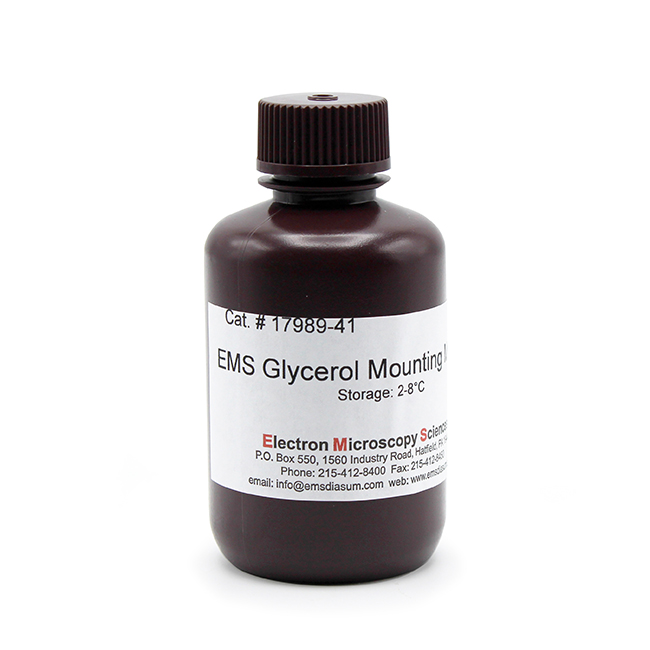
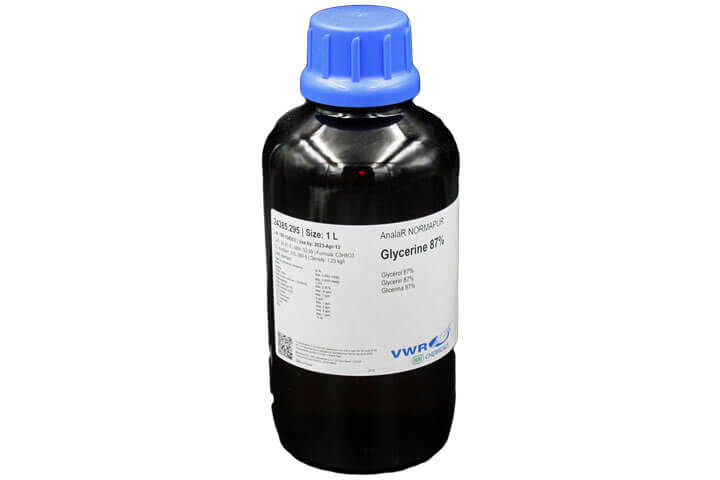
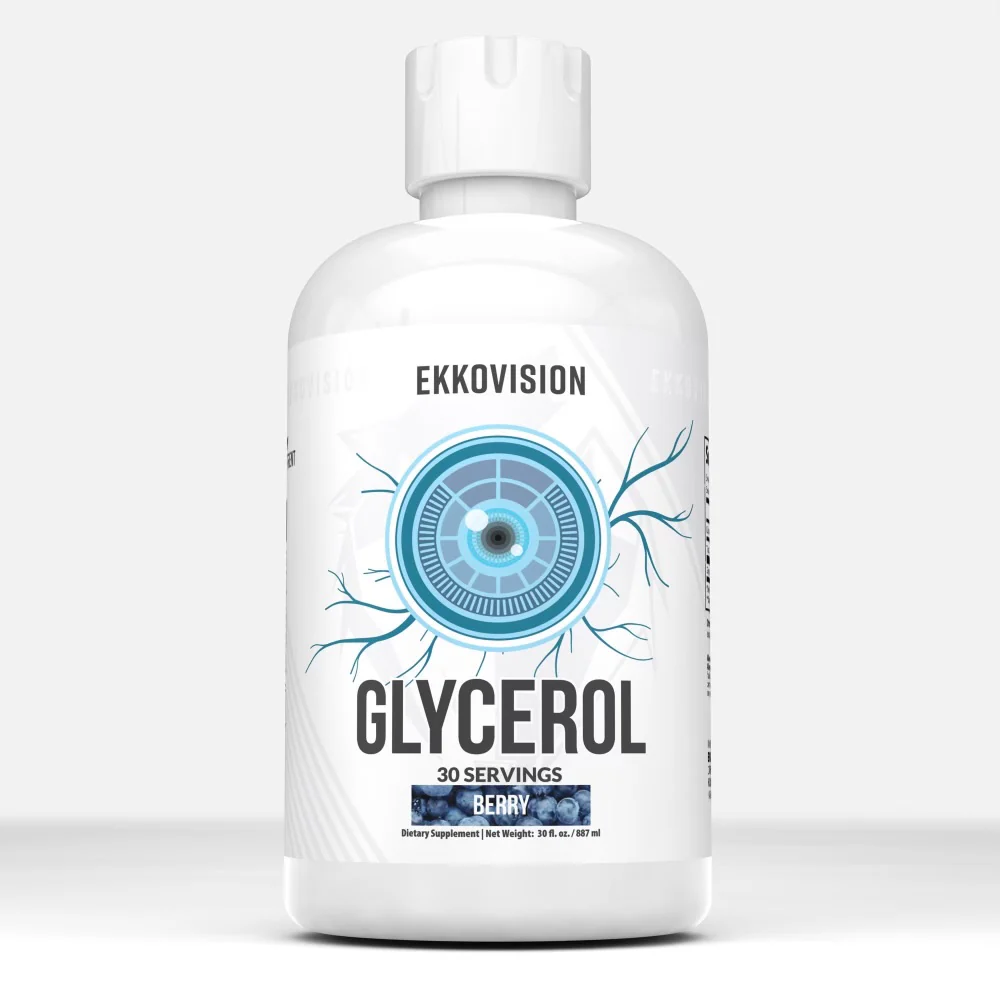
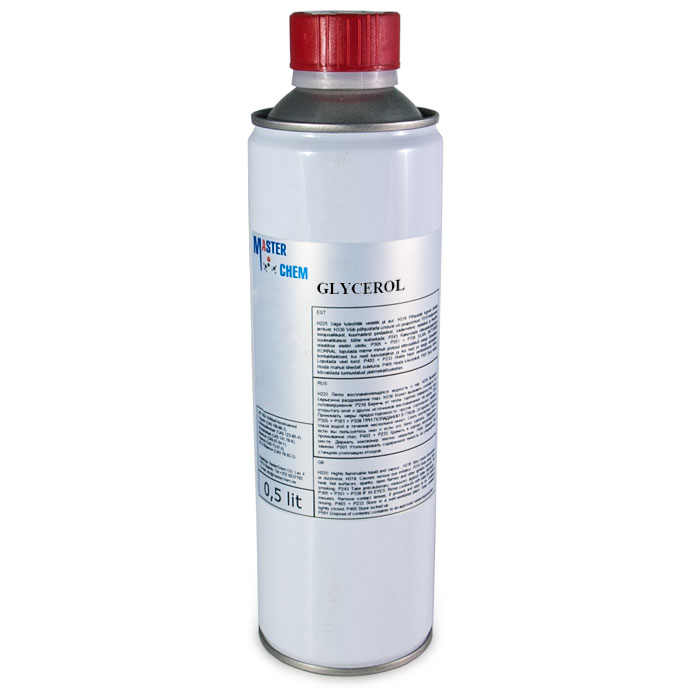
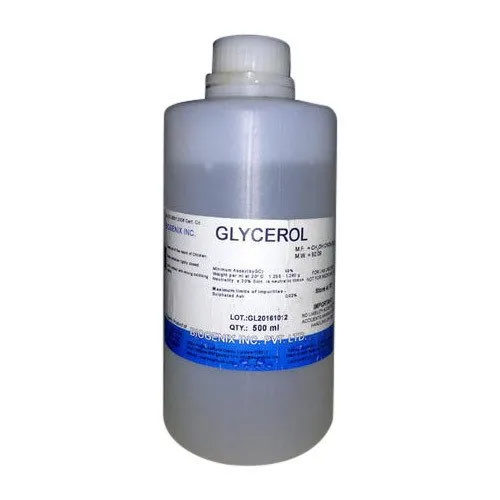
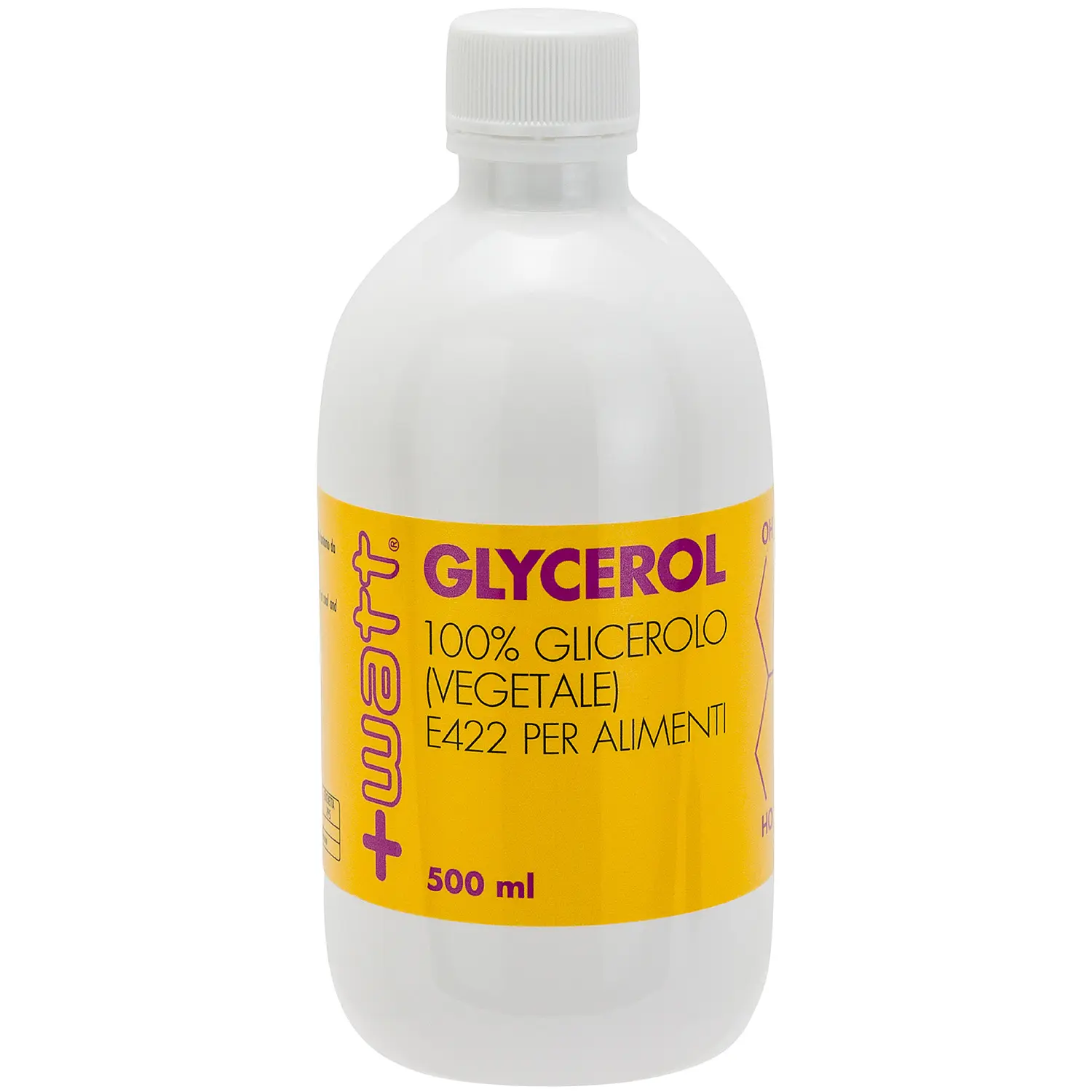
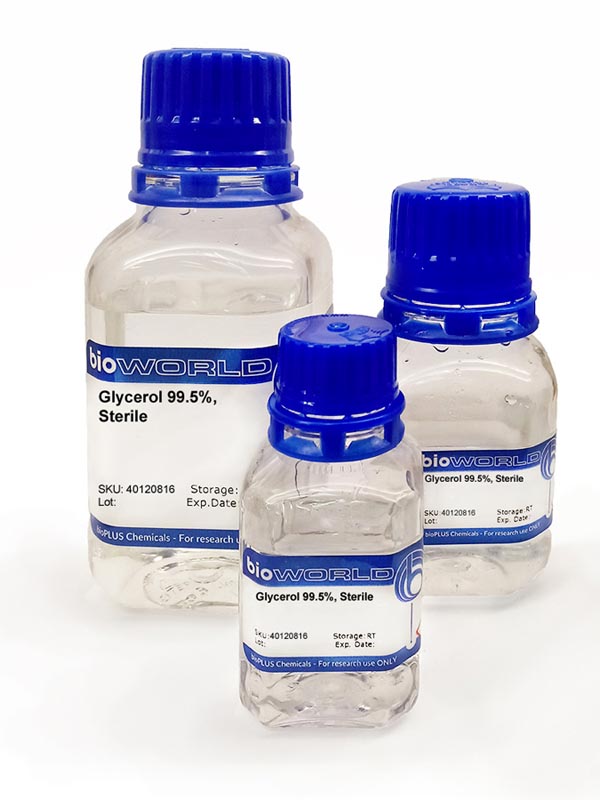
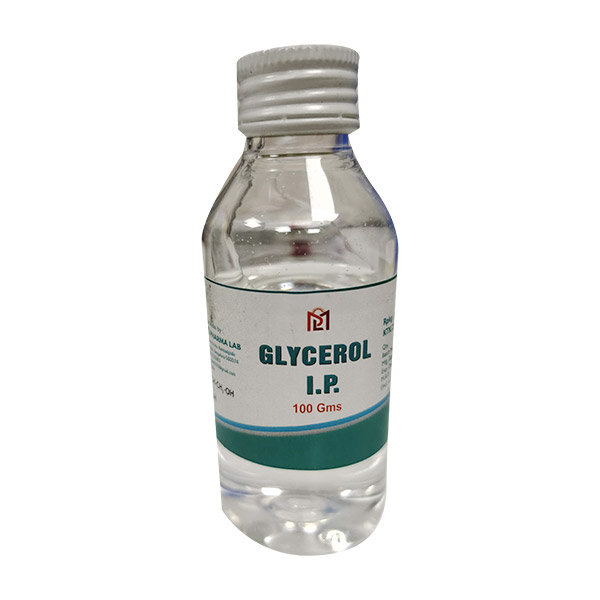
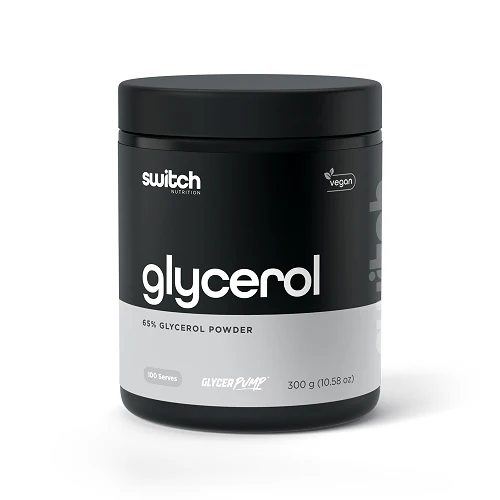
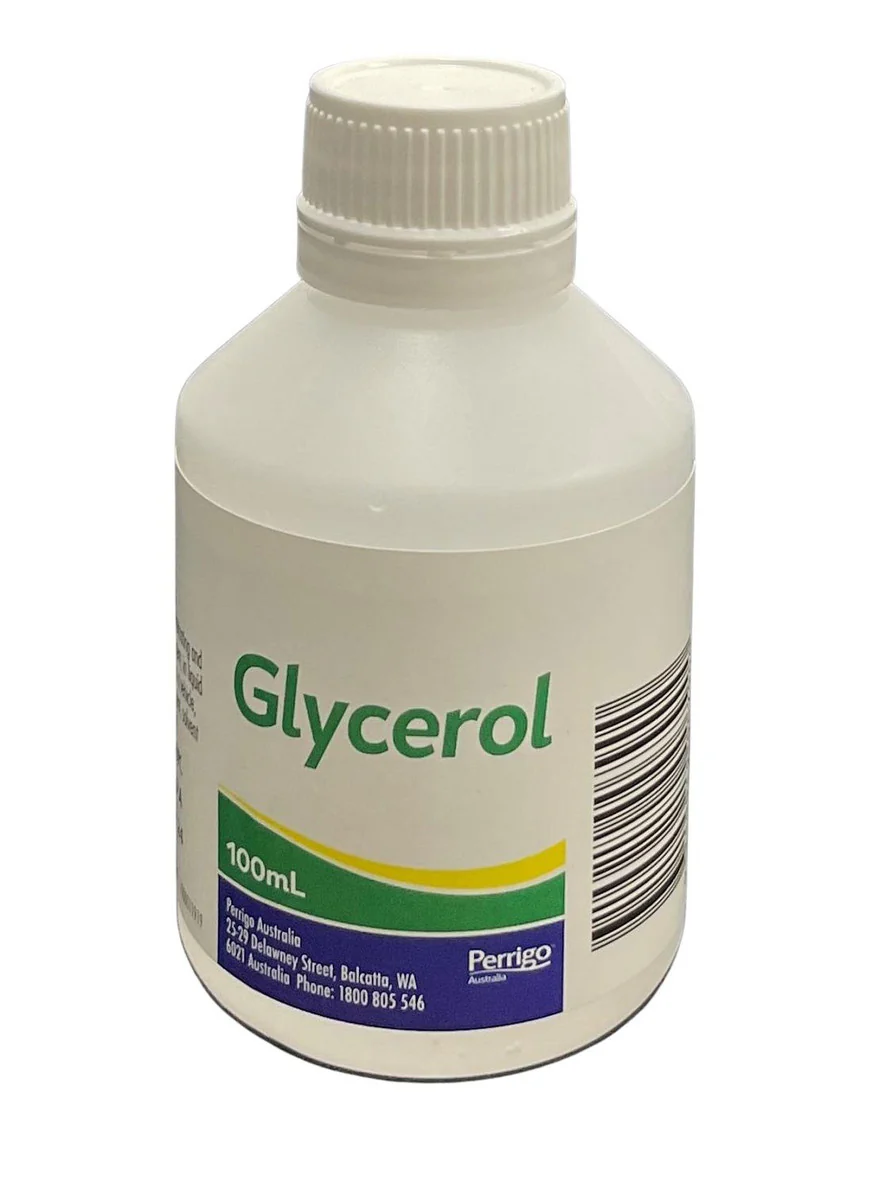
Glycerol

£750.00

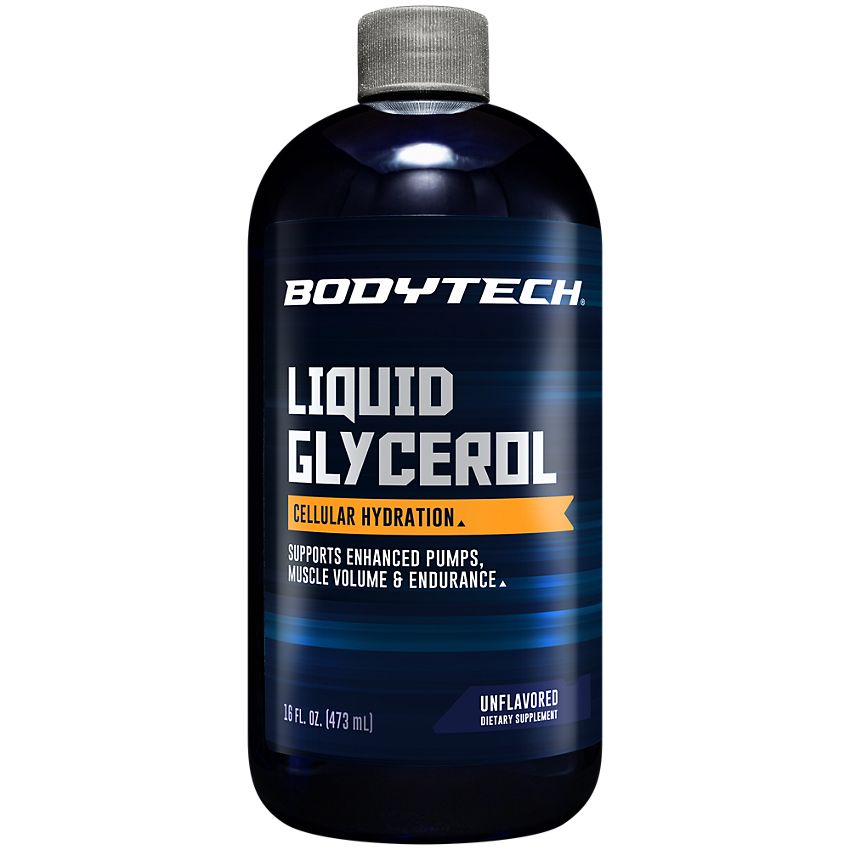
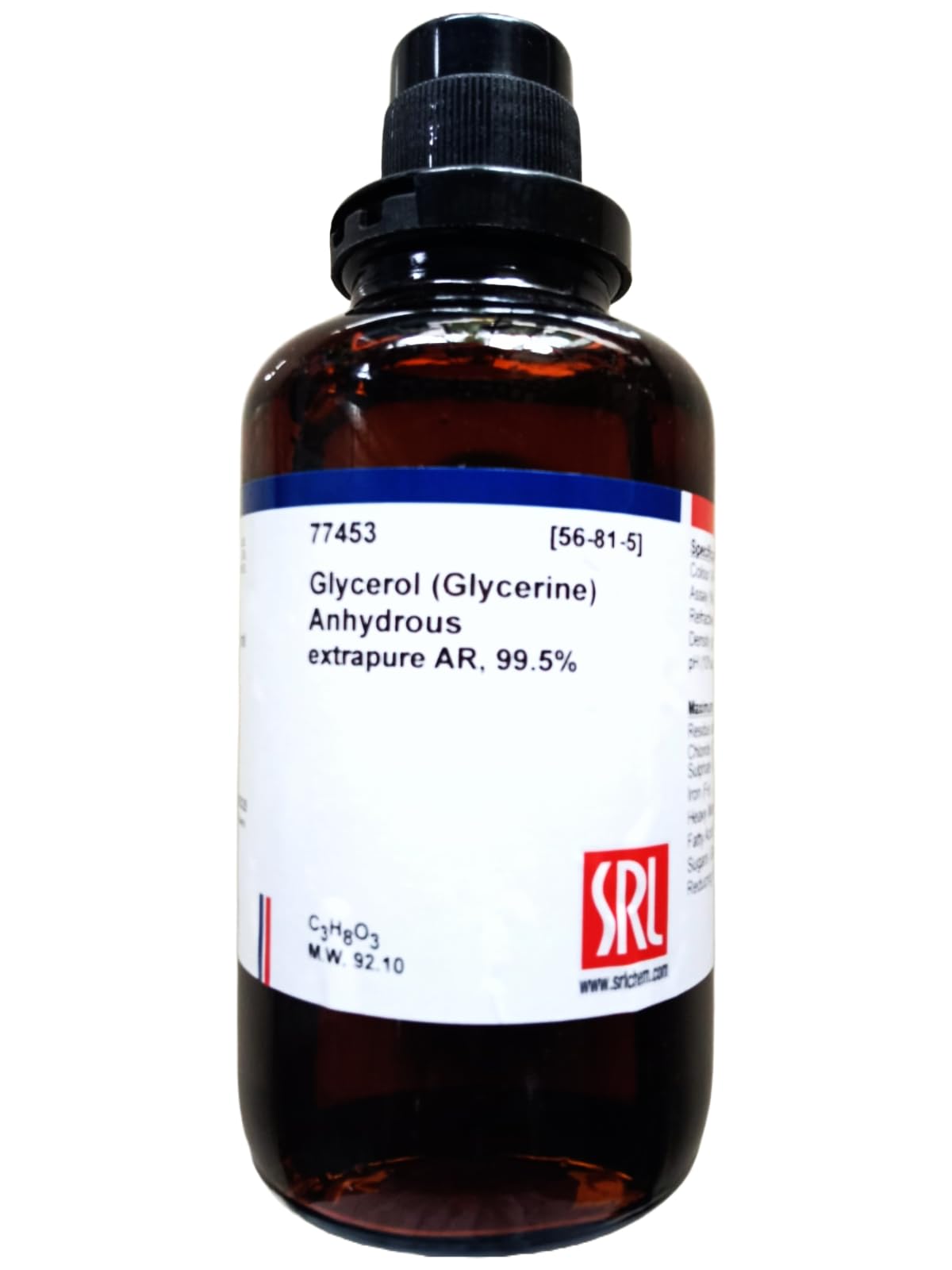
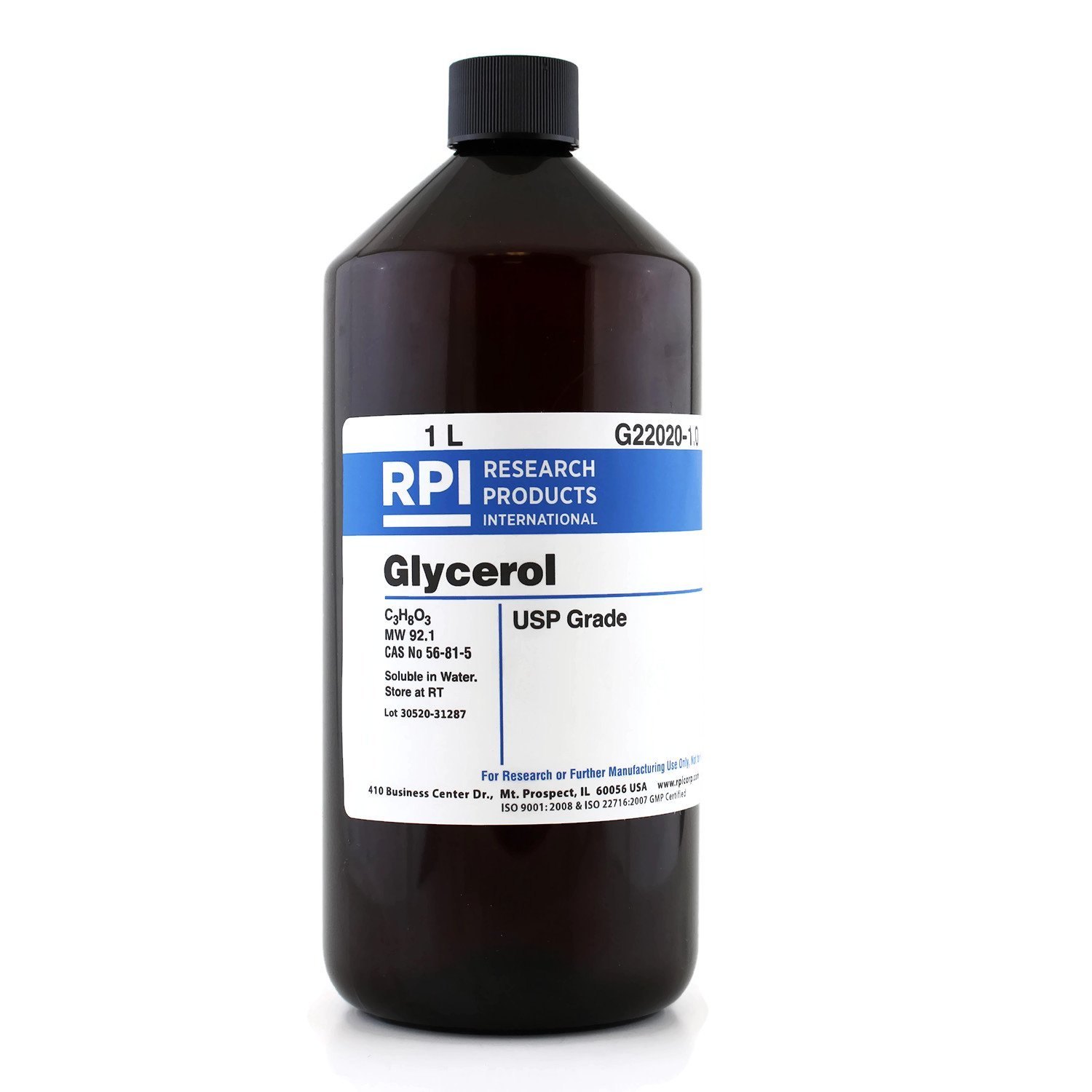
Glycerol, also known as glycerin, is a simple polyol compound that has various uses in both medical and nutritional contexts. Here’s a breakdown of its benefits, prescriptions, nutritional information, and ingredients.

1. Glycerol Benefits

  • Hydration and Skin Care: Glycerol is widely used in moisturizers and skin creams due to its ability to attract water to the skin. This makes it a common ingredient in cosmetics and personal care products.
  • Laxative Effect: It is used as a mild laxative. Glycerol can help relieve constipation by drawing water into the bowel, softening the stool, and promoting regular bowel movements. It is often found in suppositories for constipation relief.
  • Sore Throat Relief: Glycerol is sometimes included in throat lozenges due to its soothing and lubricating properties.
  • Energy Source: Glycerol can be used by the body for energy, especially when glycogen stores are low, but its use for this purpose is less common in everyday nutrition.
  • Improved Physical Performance: Glycerol has been studied for its potential role in sports hydration, as it helps the body retain water, preventing dehydration during endurance activities.
  • Preservation: Glycerol is also a preservative in food and pharmaceuticals because of its ability to inhibit the growth of bacteria, fungi, and yeast.

2. Glycerol Prescription Uses

  • Laxative: It is commonly prescribed in the form of suppositories or oral solutions for constipation relief. The typical dosage will depend on the form used, but it generally involves a single dose or a few doses within a short period.
  • Topical Treatments: Glycerol is used in various topical products, such as moisturizers, ointments, and wound healing creams, often in combination with other ingredients to treat dry skin, burns, and minor skin irritations.
  • Intravenous Use: In certain medical settings, glycerol is used intravenously to manage conditions like increased intracranial pressure or as a hyperosmotic agent to draw fluid away from swollen tissues.

Prescription usage should always be under the supervision of a healthcare professional to avoid misuse or side effects.

3. Nutritional Information

Glycerol can be consumed in small amounts, particularly in food products, but it doesn’t contribute significantly to macronutrients like fats, proteins, or carbohydrates in terms of energy content. Here’s an approximate breakdown:

  • Calories: Glycerol contains around 4.32 calories per gram.
  • Carbohydrates: It is a sugar alcohol, so it has a carbohydrate content of about 4 grams per gram, but since it doesn’t affect blood sugar as much as regular sugar, it is often used in sugar-free or low-sugar food products.
  • Fat: Glycerol contains no fat.
  • Proteins: No protein content.
  • Vitamins and Minerals: Glycerol does not contain significant amounts of vitamins or minerals.

4. Ingredients

The primary ingredient in glycerol is, of course, glycerol (C₃H₈O₃), which is a colorless, odorless, viscous liquid. However, in products, glycerol may be combined with other ingredients, depending on its use:

  • In Laxatives: It may be combined with water and other preservatives.
  • In Skin Products: Glycerol is often combined with emollients like oils, humectants (which help retain moisture), and preservatives like parabens or phenoxyethanol.
  • In Food: Glycerol is used as a humectant, stabilizer, or sweetener and may be found in processed foods, sugar-free products, or as part of a broader ingredient list.

Description

Glycerol: The Sweet and Versatile Compound You Didn’t Know You Needed

Glycerol, also known as glycerin or propane-1,2,3-triol, is a ubiquitous and surprisingly versatile compound found in everything from your skincare products to your food and even industrial applications. This colorless, odorless, viscous liquid boasts a slightly sweet taste and a remarkable ability to attract and retain moisture, making it a key player in a wide array of industries.

What Exactly Is Glycerol?

Glycerol is a simple polyol compound, meaning it contains multiple hydroxyl (-OH) groups. This chemical structure is responsible for many of its unique properties, including its hygroscopic nature (ability to absorb water from the air) and its solubility in both water and alcohol. It’s naturally derived from fats and oils, typically as a byproduct of soapmaking (saponification) or biodiesel production. It can also be synthesized synthetically from propylene.

Glycerol’s Many Applications:

The versatility of glycerol stems from its chemical properties, allowing it to be used in a diverse range of applications:

  • Cosmetics and Personal Care: Glycerol is a humectant, meaning it draws moisture from the air and helps keep skin hydrated. It’s a common ingredient in lotions, creams, soaps, shampoos, and other personal care products, leaving skin feeling smooth and supple. Its non-toxic and non-irritating nature makes it suitable for even sensitive skin.
  • Food and Beverage: Glycerol is used as a humectant, solvent, and sweetener in the food industry. It can help maintain moisture in baked goods, prevent ice crystals from forming in frozen desserts, and add a touch of sweetness to beverages. It’s also recognized as a safe food additive by regulatory agencies like the FDA.
  • Pharmaceuticals: Glycerol’s hygroscopic properties make it useful in pharmaceutical preparations. It’s used as a solvent, humectant, and lubricant in various medications, including cough syrups, suppositories, and ear drops. Its ability to draw water can also help relieve constipation.
  • Industrial Applications: Beyond personal care and food, glycerol plays a crucial role in various industrial processes. It’s used in the production of polymers, resins, coatings, and antifreeze. It also serves as a feedstock for the production of other valuable chemicals, such as propylene glycol and epichlorohydrin.
  • Medical Applications: Glycerol has various medical applications, including reducing intracranial pressure and treating glaucoma. Its osmotic properties help draw fluid out of the affected areas, relieving pressure.

Benefits and Safety Considerations:

Glycerol is generally considered safe for topical and internal use within recommended dosages. However, excessive consumption may lead to gastrointestinal discomfort, such as diarrhea. Some individuals may experience mild skin irritation with topical application, although this is rare. It’s always recommended to follow product instructions and consult with a healthcare professional if you have any concerns.

The Future of Glycerol:

As a bio- renewable product, glycerol is gaining increasing attention as a sustainable alternative to petroleum-based chemicals. Ongoing research is focused on developing new and innovative applications for glycerol, particularly in the areas of biofuels, bioplastics, and green chemistry.

Reviews

There are no reviews yet.

Be the first to review “Glycerol”

Your email address will not be published. Required fields are marked *

Add to cart