
Description
1. Product Overview
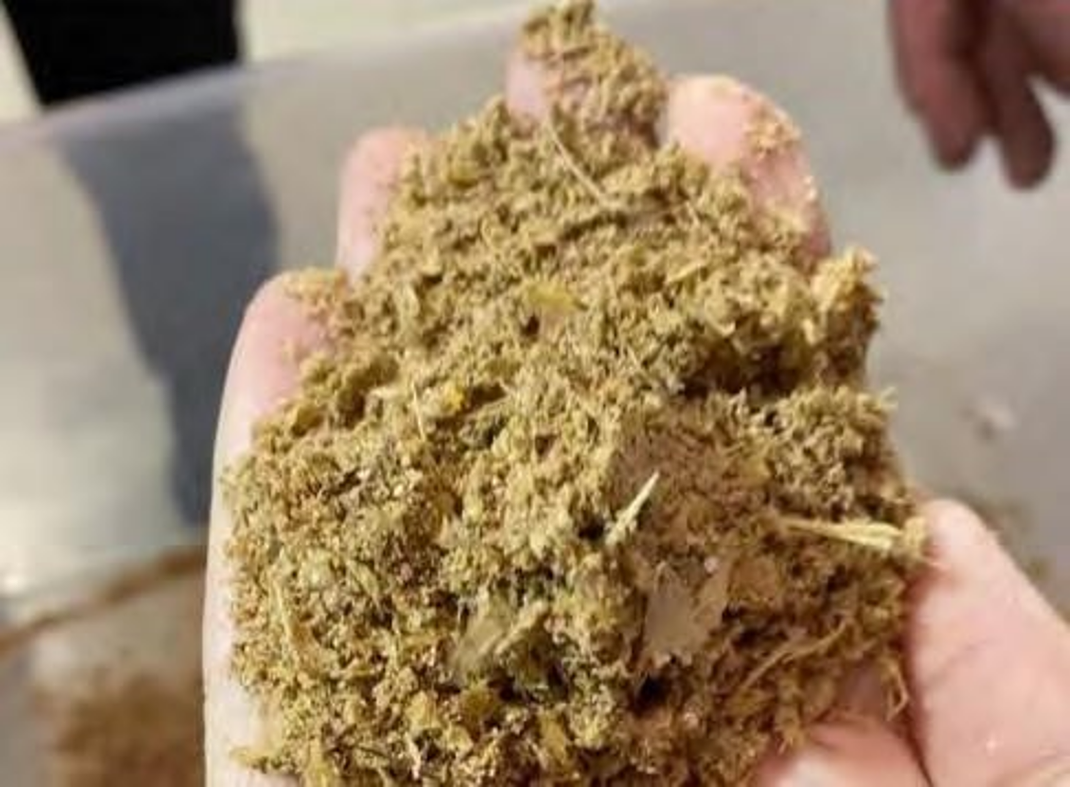
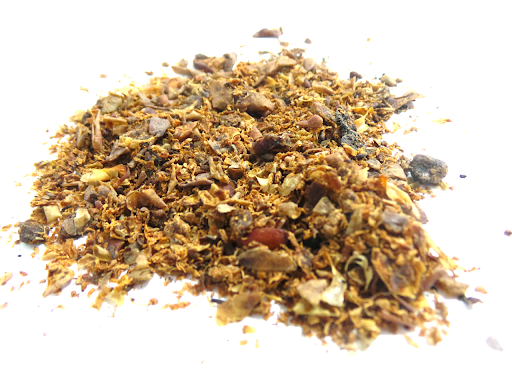
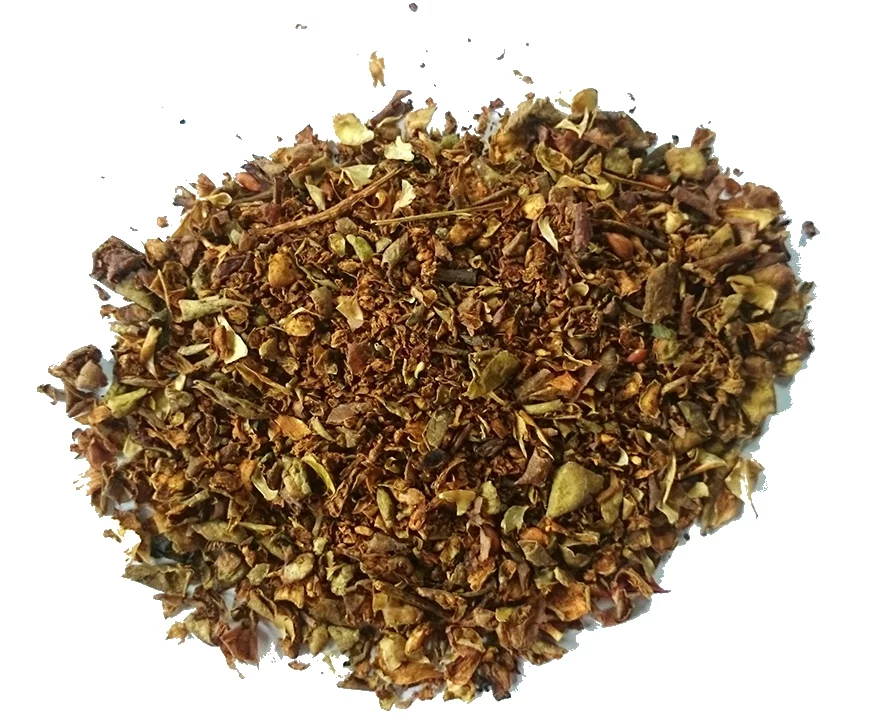
Fruit Pomace – Industrial is a nutrient-rich by-product generated during the industrial processing of fruits for juice, wine, and puree production. Composed primarily of fruit skins, pulp residues, seeds, and fibrous material, it serves as a versatile raw material for multiple industrial applications including animal nutrition, bioenergy production, pectin extraction, and organic fertilizer manufacturing. Its high fiber content, residual sugars, and bioactive compounds make it a valuable secondary resource for circular manufacturing systems. As industries increasingly prioritize resource efficiency and sustainable feedstocks, fruit pomace has become a strategically important material for cost-effective and environmentally responsible industrial supply chains.
2. Key Specifications & Technical Characteristics
- Material Composition: Fruit skins, pulp fibers, seeds, residual sugars, natural organic acids, polyphenols
- Typical Moisture Content: 8–15% (dried grade) / 65–80% (wet grade, depending on processing)
- Purity / Grade: Industrial-grade processed fruit residue
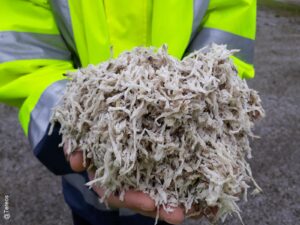
- Physical Form: Fibrous flakes, coarse powder, or pressed cake
- Color: Brown to reddish-brown depending on fruit origin
- Particle Size: Typically 1–10 mm (can be milled to specification)
- Bulk Density: Approx. 250–500 kg/m³ (varies by drying level)
- Odor: Mild fermented or natural fruit aroma
- Packaging Options:
- 25 kg industrial bags
- 500–1,000 kg jumbo bags
- Bulk loose loading for large industrial buyers
- Shelf Life:
- Dried material: Up to 12 months when stored in cool, dry conditions
- Wet material: Short-term storage with refrigeration or rapid processing recommended
3. Core Industrial Applications
Animal Feed Manufacturing
Fruit pomace is widely incorporated into livestock feed formulations due to its high fiber content, natural sugars, and micronutrients. It supports ruminant digestion while providing a low-cost energy source for cattle, sheep, and goats.
Bioenergy & Biomass Processing
The residual organic content makes fruit pomace suitable for anaerobic digestion and biomass energy production. It serves as an efficient feedstock for biogas generation and biofuel production facilities.
Pectin & Functional Ingredient Extraction
Certain fruit pomaces—particularly from apples and citrus—are valuable sources of pectin and polyphenols used in food processing, nutraceuticals, and functional ingredient manufacturing.
Organic Fertilizer & Soil Amendments
Due to its organic matter content and nutrient profile, fruit pomace is widely used in composting operations and the production of organic fertilizers and soil conditioners.
Compared with conventional agricultural residues, fruit pomace offers superior nutrient density, higher fermentable sugar content, and improved biodegradability, making it an efficient industrial raw material across multiple sectors.
4. Competitive Advantages
- Consistent Quality Supply: Sourced from established fruit processing operations ensuring reliable composition and traceable origin
- Stable Industrial Feedstock: Uniform particle size and moisture control for predictable industrial processing performance
- Reliable Bulk Availability: Scalable supply volumes aligned with large manufacturing and processing operations
- Logistics Efficiency: Flexible bulk packaging and containerized shipping options for international buyers
- Cost-Effective Raw Material: Competitive pricing compared with conventional fiber or biomass inputs
- Sustainability Benefits: Upcycled agricultural by-product supporting circular economy and waste reduction initiatives
- Industrial Documentation Support: Technical data sheets and composition profiles available for procurement and compliance teams
5. Commercial & Supply Information
- Minimum Order Quantity (MOQ): BULK 20 MT
- Loading Capacity: 20–25 MT per 40’ container depending on moisture content and packaging configuration
Reviews
There are no reviews yet.